

Free visual inspection and a written scope of work before any mitigation begins - photos, moisture readings, and drying logs go in your claim file
The scope we write is the scope we bill. Anything new gets shown to you, in writing, before we touch it.
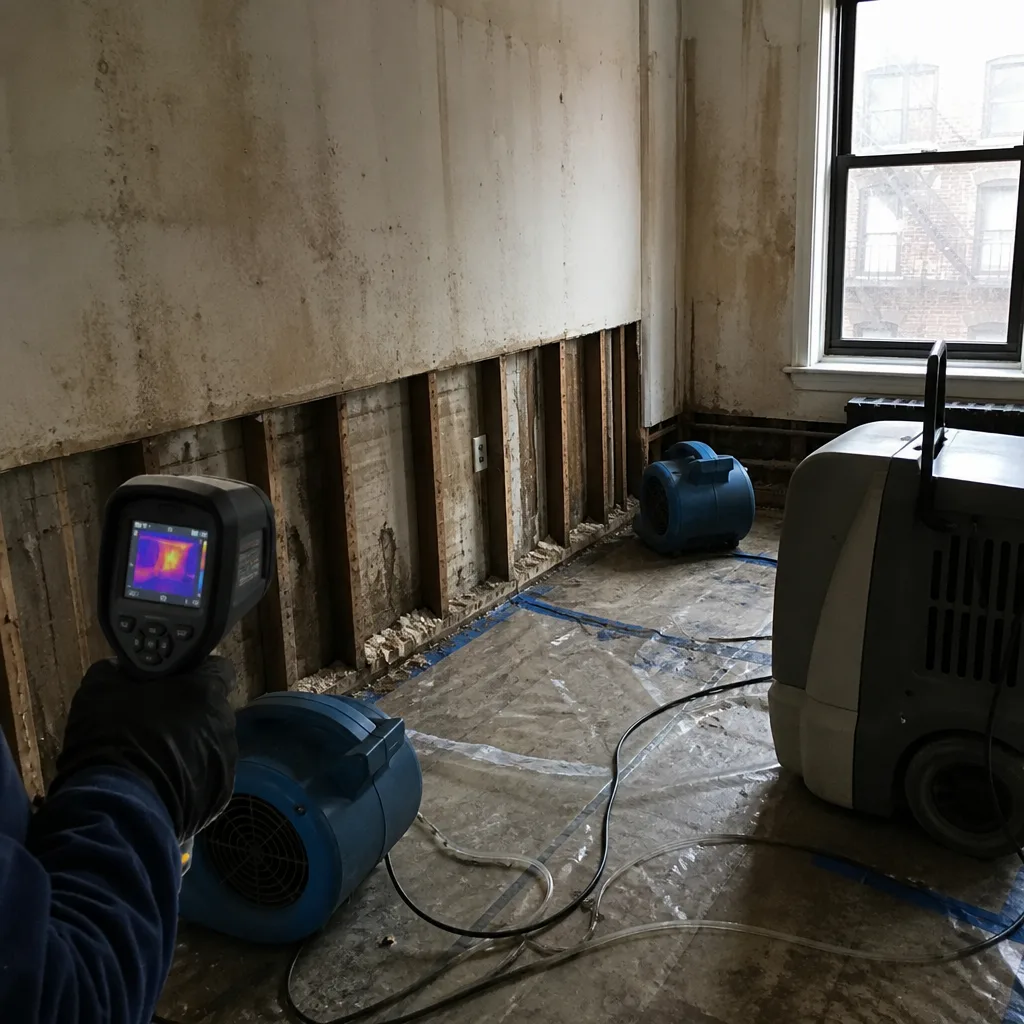 Before
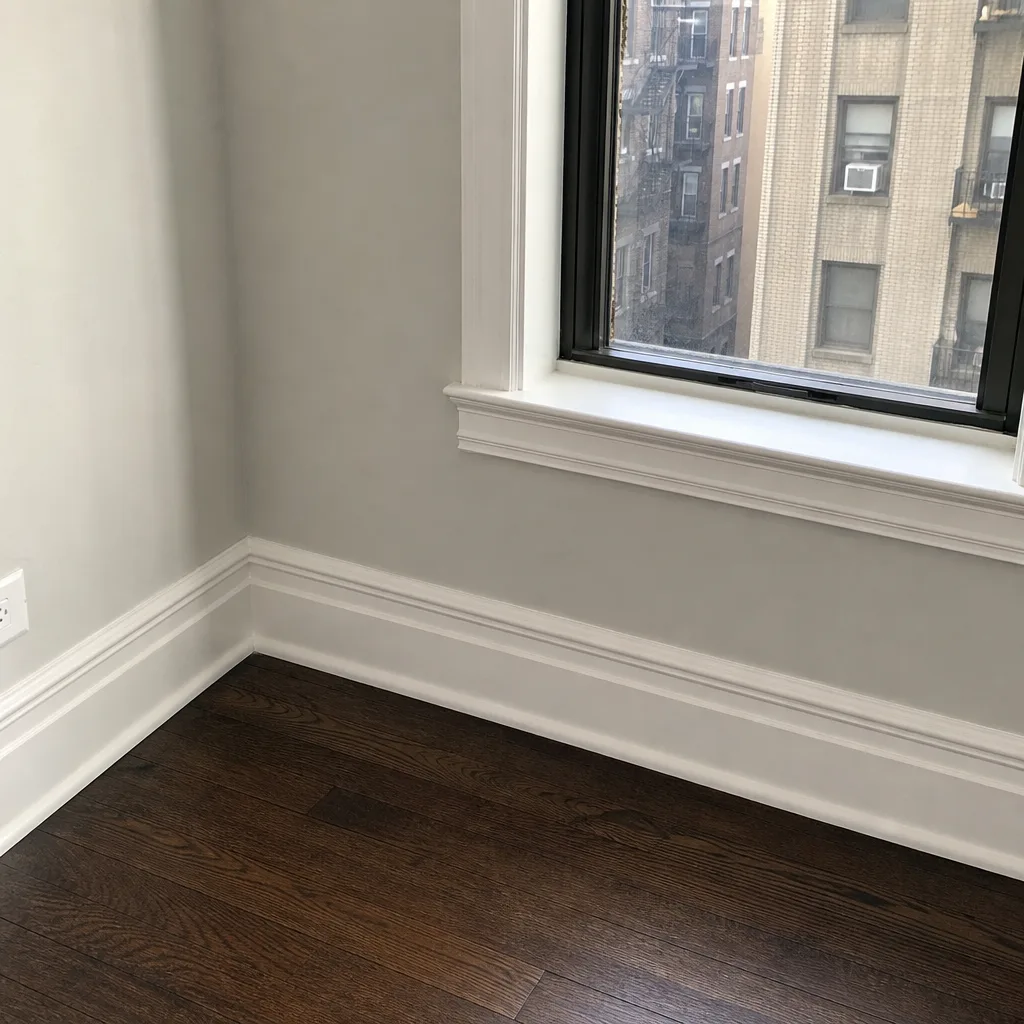 After
After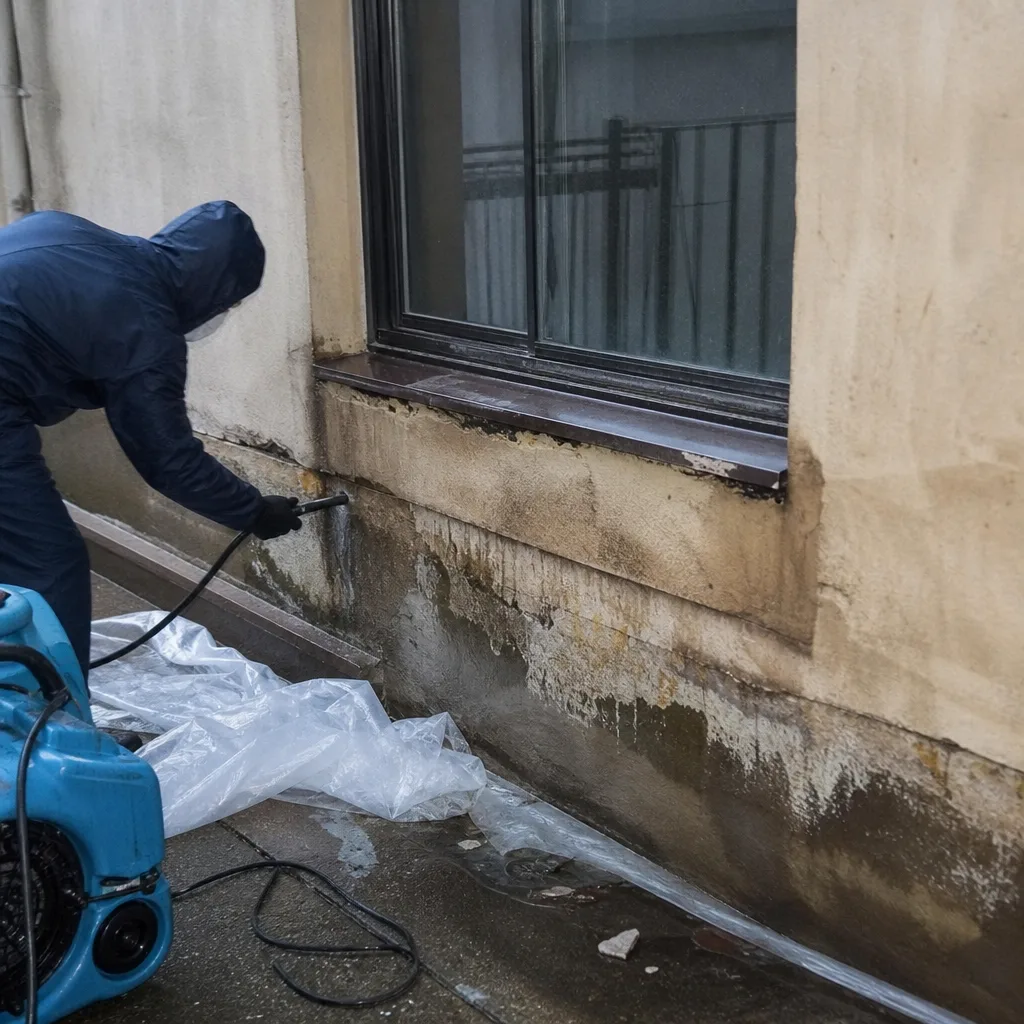 Before
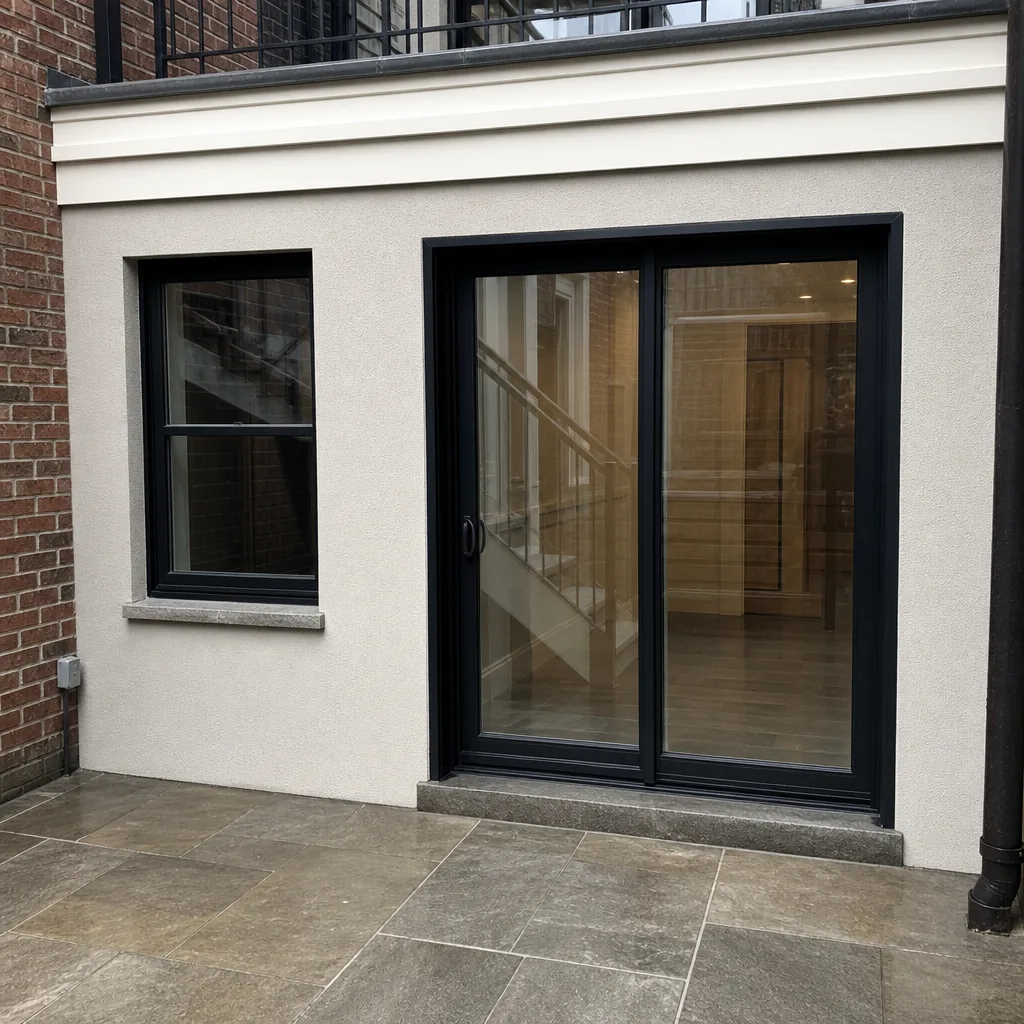 After
After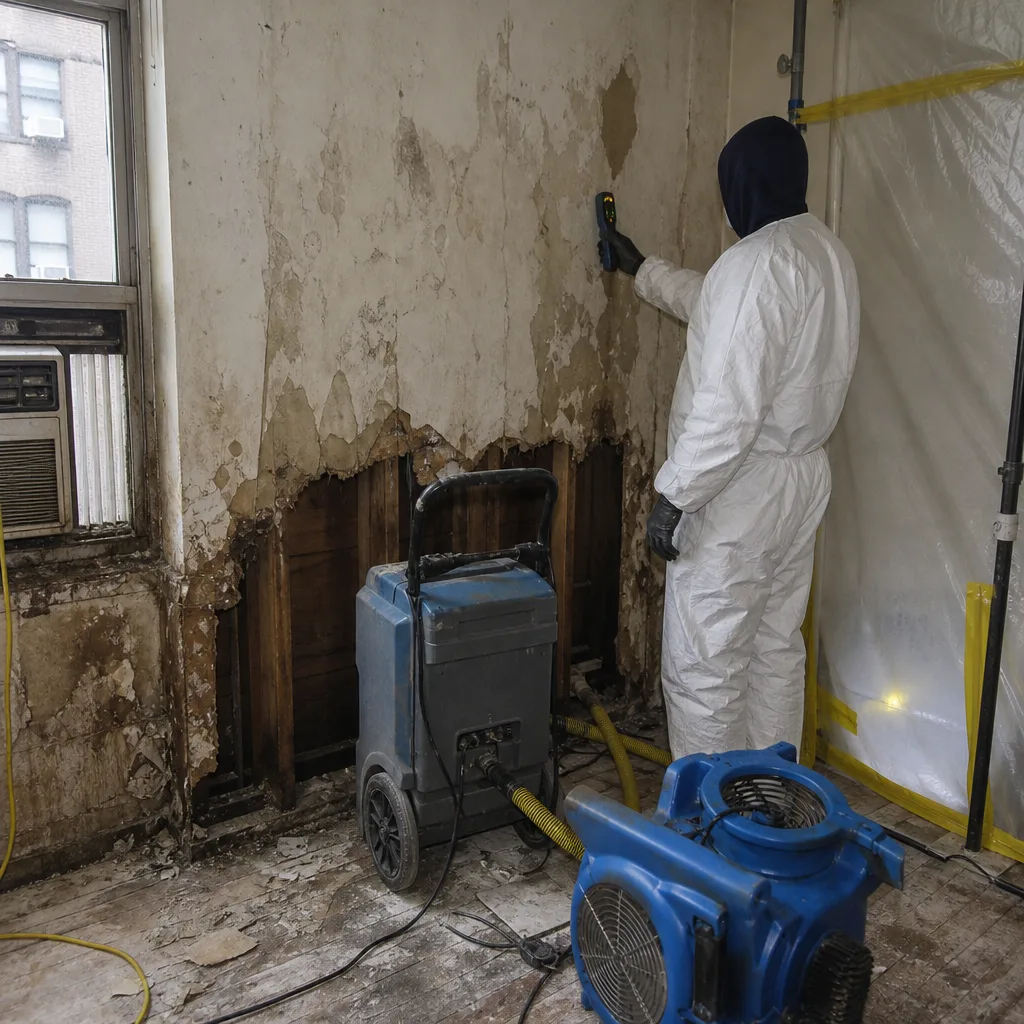 Before
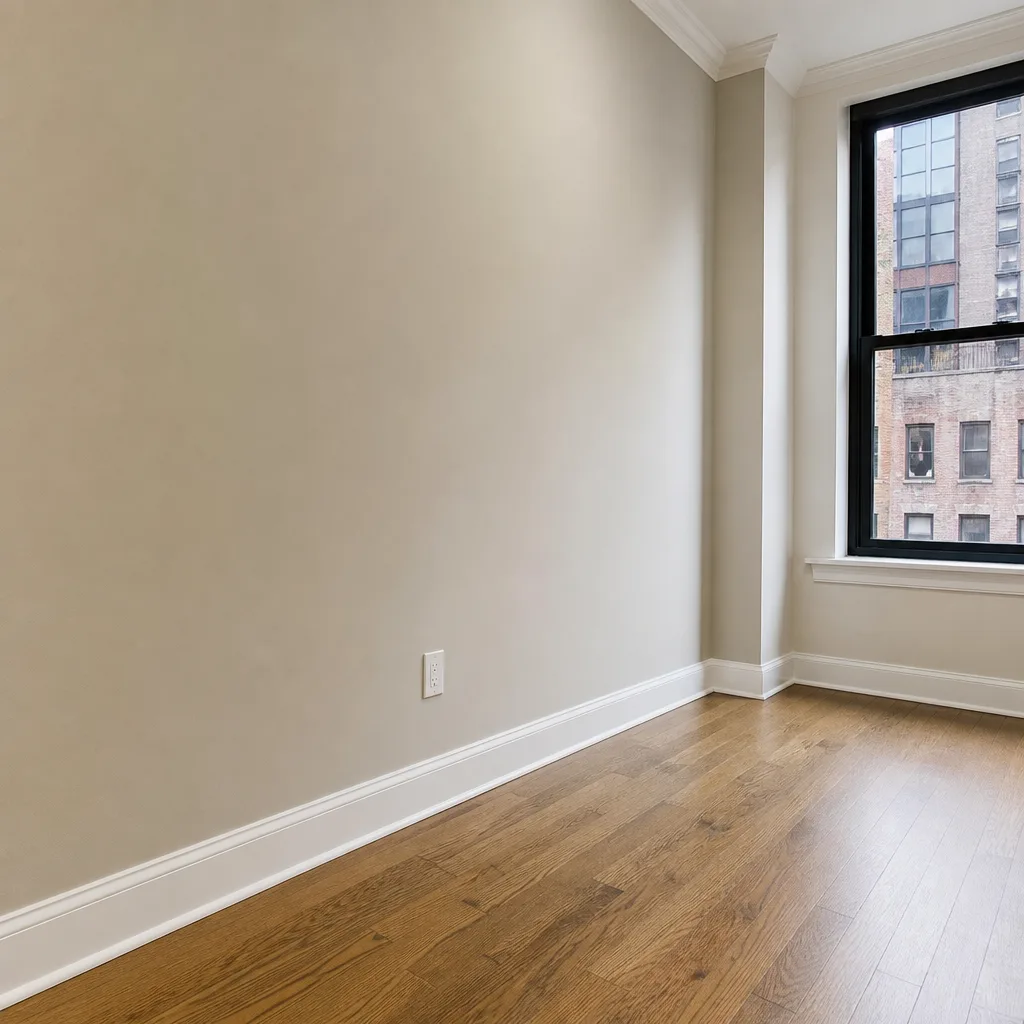 After
After24/7 Emergency Biohazard & Crime Scene Cleanup in Greenpoint
Biohazard and crime scene cleanup in Greenpoint typically costs $1,200 to $4,500 for a contained blood or bodily fluid incident, $3,000 to $8,000 for an unattended death requiring decomposition remediation, and $5,000 to $15,000+ for hoarding or infectious disease scenarios. Most jobs in this neighborhood are dispatched within 45 minutes because our crews stage across Brooklyn and answer the phone live around the clock. Call (518) 314-5660 the moment you need us. The first hour matters more than most people realize: blood seeps into original 1880s floorboards, bodily fluids wick into horsehair plaster, and pathogens colonize porous surfaces fast. A free visual inspection gives you a firm scope and a fixed number before any work begins.
We are Floodline Restoration Co., founded in 2010 by Curt Bowman. Our Biohazard & Crime Scene Cleanup team handles trauma scenes, unattended deaths, hoarding conditions, blood and bodily fluid removal, infectious disease disinfection, and tear gas or chemical contamination. Every job in Greenpoint gets the same standard: background-checked, uniformed technicians, a written scope before we open a wall, and the 90-Day Done Right Promise in your hands.
Understanding Biohazard & Crime Scene Cleanup Severity in Greenpoint Properties
Biohazard cleanup is governed by bloodborne pathogen protocols, not janitorial standards. The severity ladder runs from Category A (small contained blood spills on non-porous surfaces) through Category D (decomposition, extensive bodily fluid saturation, and structural contamination). In Greenpoint, severity escalates faster than in most Brooklyn neighborhoods because the housing stock works against you. Those 1880s-to-1920s brick rowhouses and walk-ups retain original horsehair plaster walls, wide-plank pine subfloors, and galvanized or cast-iron piping. Horsehair plaster is absorbent and friable; once bodily fluids or decomposition byproducts penetrate, surface cleaning is insufficient. You need containment, air scrubbing, removal of saturated material, and antimicrobial treatment of the framing behind it. Greenpoint’s dual-waterway position also keeps ambient humidity high, which slows natural drying and accelerates microbial growth. A trauma scene that might dry within days in a newer drywall building can hold moisture for weeks behind century-old plaster here, which means odor and pathogen persistence, not just staining. We treat severity by what the building gives us: thermal imaging to find hidden saturation, moisture mapping to chart the spread, and negative-air containment with HEPA filtration before demolition begins. This is not work to postpone.
Why Greenpoint Property Owners Choose Floodline Restoration Co.
- 45-minute response commitment in Greenpoint. Our Brooklyn crews stage near McGuinness Boulevard and Manhattan Avenue corridors, so a live dispatcher can have technicians at your door fast, day or night.
- A real person answers, 24/7. When you call (518) 314-5660 at 2 a.m., a live operator picks up. Not a recording, not a callback service. We know biohazard work does not wait.
- IICRC-certified crews with biohazard-specific training. Our technicians carry IICRC credentials in trauma and crime scene cleanup, plus RIA and IFA standards, and they document every step camera-ready for insurers.
- Free visual inspection with a written scope. Before any work starts, you get a line-item plan and a fixed price. No open-ended billing, no surprises.
- Direct insurance billing. We work with your carrier and your adjuster directly, so you do not play messenger. Most Greenpoint biohazard claims we handle fall under homeowner’s policies with specific remediation endorsements.
- One team from first response to final repair. Extract, contain, sanitize, and rebuild with the same crew under Curt Bowman’s oversight. No mid-job handoff to a subcontractor you never met.
Our Biohazard & Crime Scene Cleanup Process
Inspection & Assessment
We walk the scene with you, map the affected area, and identify what is porous versus salvageable. In Greenpoint pre-war buildings, this includes checking for original plaster, cast-iron piping, and any sign of groundwater intrusion. We give you a written scope and price before anything moves.
Extraction & Stabilization
Blood, bodily fluids, and contaminated porous materials are removed under containment. We seal the work area with negative-air pressure and critical-filter HEPA scrubbers so nothing migrates to adjacent rooms or units.
Drying & Dehumidification
Using professional-grade XPOWER air movers and B-Air dehumidifiers, we drive moisture out of structural cavities. In Greenpoint’s humid air, paired air movement and dehumidification are non-negotiable if we want to avoid secondary mold behind horsehair plaster.
Cleaning & Sanitization
Hard surfaces get hospital-grade antimicrobial treatment. Framing gets treated after saturated plaster and lath are removed. We log every product and every application for your insurer.
Environmental Verification
Above the Exxon plume, we keep environmental sampling kits on the truck as standard equipment. If groundwater has carried petroleum residue into the scene, this is no longer just a biohazard job. It may trigger DEP notification and hazmat coordination. We handle that liaison.
Repairs & Restoration
Rebuild happens in-house: drywall or plaster repair, flooring, paint, trim. One crew sees the job through, and the 90-Day Done Right Promise covers the finished work in writing.
Need Emergency Biohazard & Crime Scene Cleanup in Greenpoint Now?
Crews minutes away, answering live 24 hours a day. The sooner we start, the less it costs.
Working With Your Insurance Company
Most Greenpoint homeowner policies cover biohazard and crime scene cleanup when the loss is sudden and accidental: an unattended death, a crime scene, a sewage backup carrying bloodborne pathogens. What sinks claims here is poor documentation. We photograph everything, room by room, before demolition. We log moisture readings, containment setup, product applications, and disposal manifests. Our estimates use Xactimate line items that adjusters recognize. When your carrier pushes back, we talk to them directly, with the documentation to support every dollar. In pre-war Greenpoint buildings, the scope claim often hinges on proving that plaster or subfloor saturation is from the incident, not from decades of deferred maintenance. That is why our pre-loss condition documentation starts on the first visit: original plaster condition, pipe material, floor tile composition. It is what separates a paid claim from a fight.
What We Provide Your Insurer
- Thorough documentation of the loss
- Photos of all damage, room by room
- Moisture readings and drying logs
- A detailed, line-item scope of work
- Direct coordination with your carrier
Built for Greenpoint’s Loss Calendar
Greenpoint sees biohazard-related incidents through every season, and the building stock shapes each one. January deep freezes burst supply lines in uninsulated tenement kitchens and sent water through original ceilings; when that water carries sewage, it becomes Category 3 and a biohazard response is required, not optional. Spring thaw pushes groundwater up through slab cracks in garden-level units. This is where the Exxon plume enters the picture: standing water in a Greenpoint basement can carry petroleum residue, and what started as a simple flood becomes a hazmat scenario with DEP notification. Summer thunderstorms overwhelm the combined sewer system along Franklin Street and McGuinness Boulevard, forcing raw sewage backups into basement apartments. Nor’easters and post-tropical systems push surge from the East River into waterfront blocks, exactly as Sandy did in 2012. And year-round, the dense pre-war housing means unattended deaths and hoarding conditions are often discovered late, with significant decomposition by the time neighbors notice an odor through the plaster. Each season has a failure mode, and each failure mode has a protocol. We know them because we work them every month.
Biohazard & Crime Scene Cleanup Across Greenpoint’s Neighborhoods
Greenpoint splits into distinct pockets, and each one drives a different response. The historic rowhouse blocks between Franklin Street and Manhattan Avenue, with their 1880s brick facades and shared party walls, send us into tight basements with low clearance and original plumbing; containment in those spaces demands smaller air movers and careful negative-air sealing so we do not push contaminants into a neighbor’s unit. The converted industrial lofts west of McGuinness Boulevard toward the East River have open floor plates and exposed timber, which helps with airflow but also means one trauma scene can spread odor through an entire floor. Over near McGolrick Park and the garden-level apartments around Norman Avenue, groundwater intrusion is the recurring issue, and we treat every flooded unit as a potential petroleum-contact site until testing says otherwise. North Greenpoint, around the Newtown Creek side, adds the industrial edge: chemical contaminants are more common, whether from legacy manufacturing or a current tenant’s hobby. The response routes are different, but the standard is the same: contain, document, remove, verify, rebuild, and stand behind it.
Specialized Biohazard & Crime Scene Cleanup Services We Offer in Greenpoint
Crime Scene Cleanup
After law enforcement releases the scene, we restore it. Blood spatter, bodily fluids, and fingerprint dust are removed under containment protocols. In Greenpoint walk-ups, we treat shared stairwells and hallway surfaces as potential secondary contamination points, not just the unit itself.
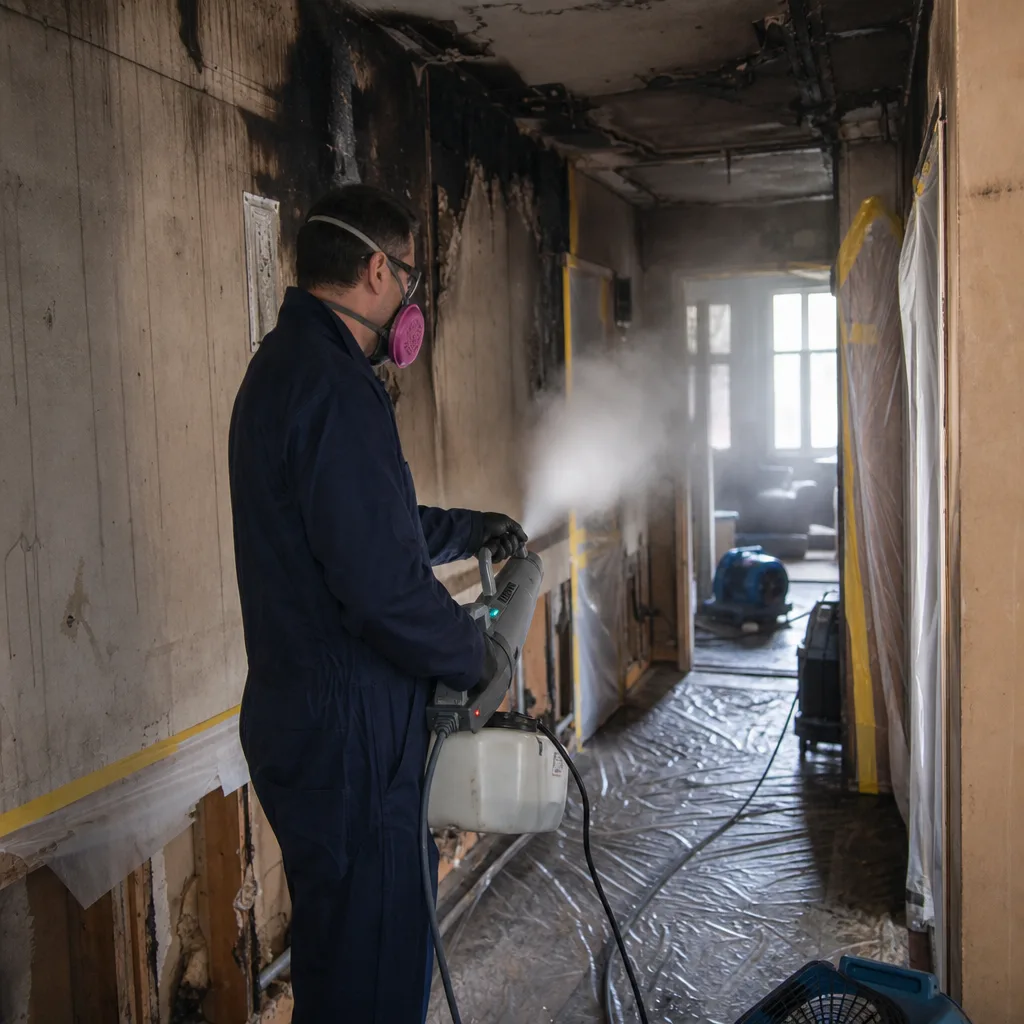
Trauma & Unattended Death Cleanup
Decomposition fluids penetrate subfloors and plaster quickly in unventilated pre-war rooms. We remove saturated wood and plaster, treat framing with antimicrobials, and run HEPA air scrubbers until the odor is verified gone, not just masked. We handle the work with the quiet dignity these situations require.
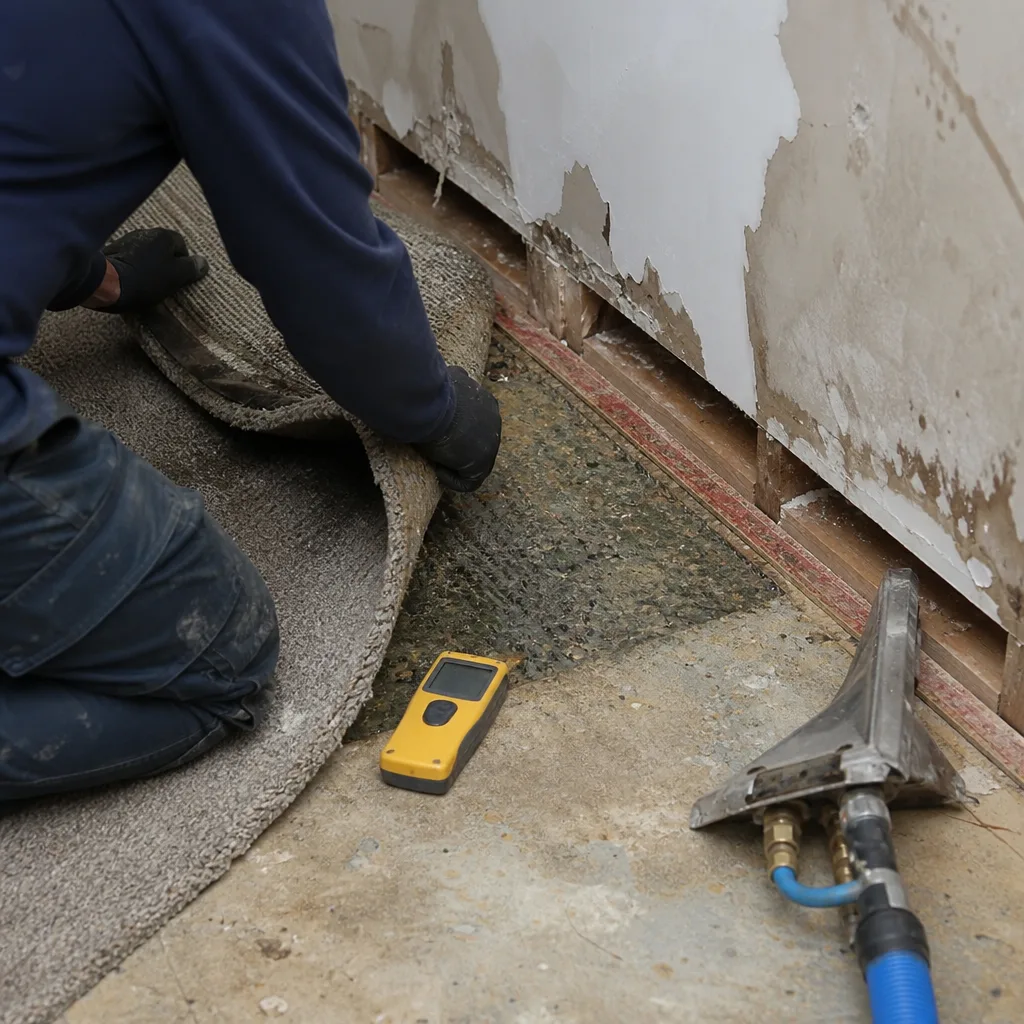
Hoarding Cleanup
Hoarding conditions in Greenpoint tenements raise fire code and structural weight concerns along with biohazards: rodent waste, spoiled food, expired medications. We sort and document per insurer requirements, remove the debris, sanitize, and return the space to a condition you can walk through.
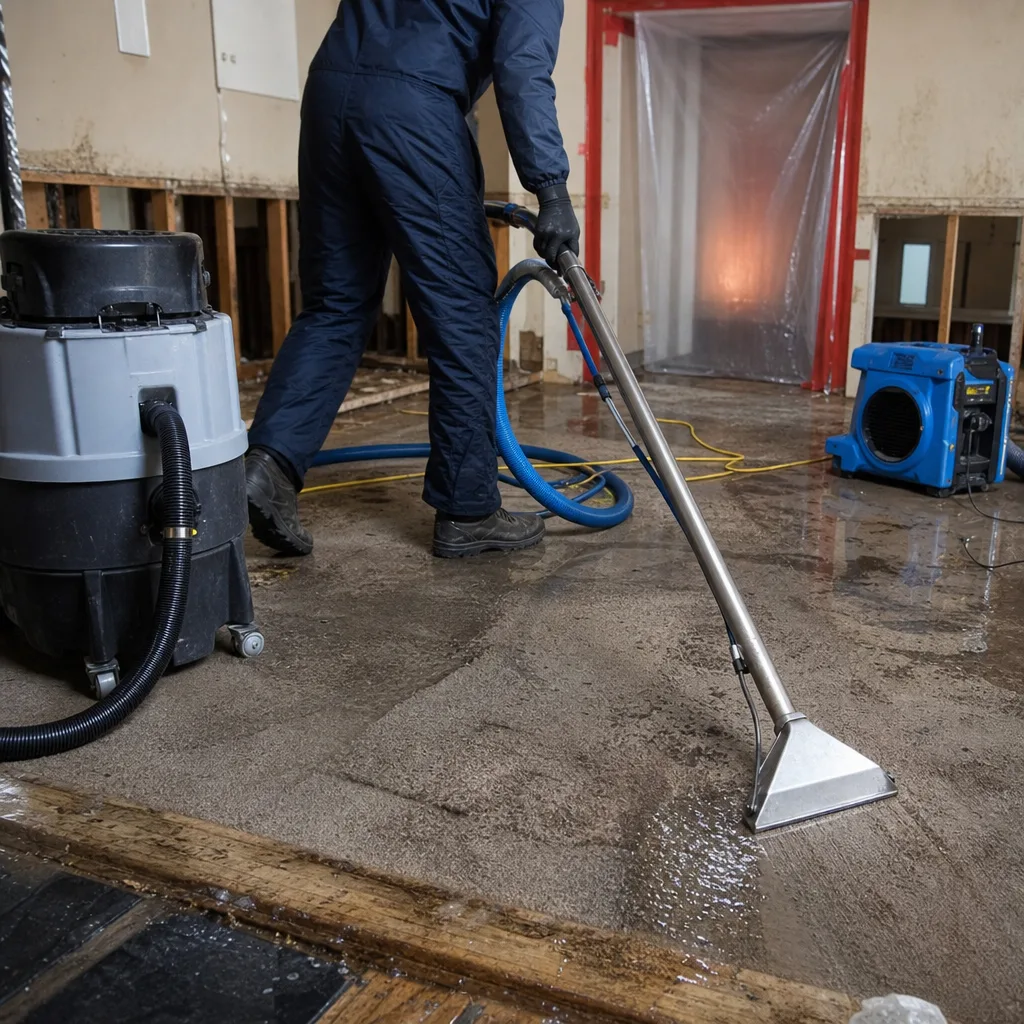
Blood & Bodily Fluid Cleanup
Blood is a bloodborne pathogen risk, not a stain. We remove contaminated carpet, padding, painted trim, and perhaps sections of original pine subfloor in Greenpoint pre-war buildings. Hospital-grade disinfectants are applied to remaining surfaces, and we test rather than assume.
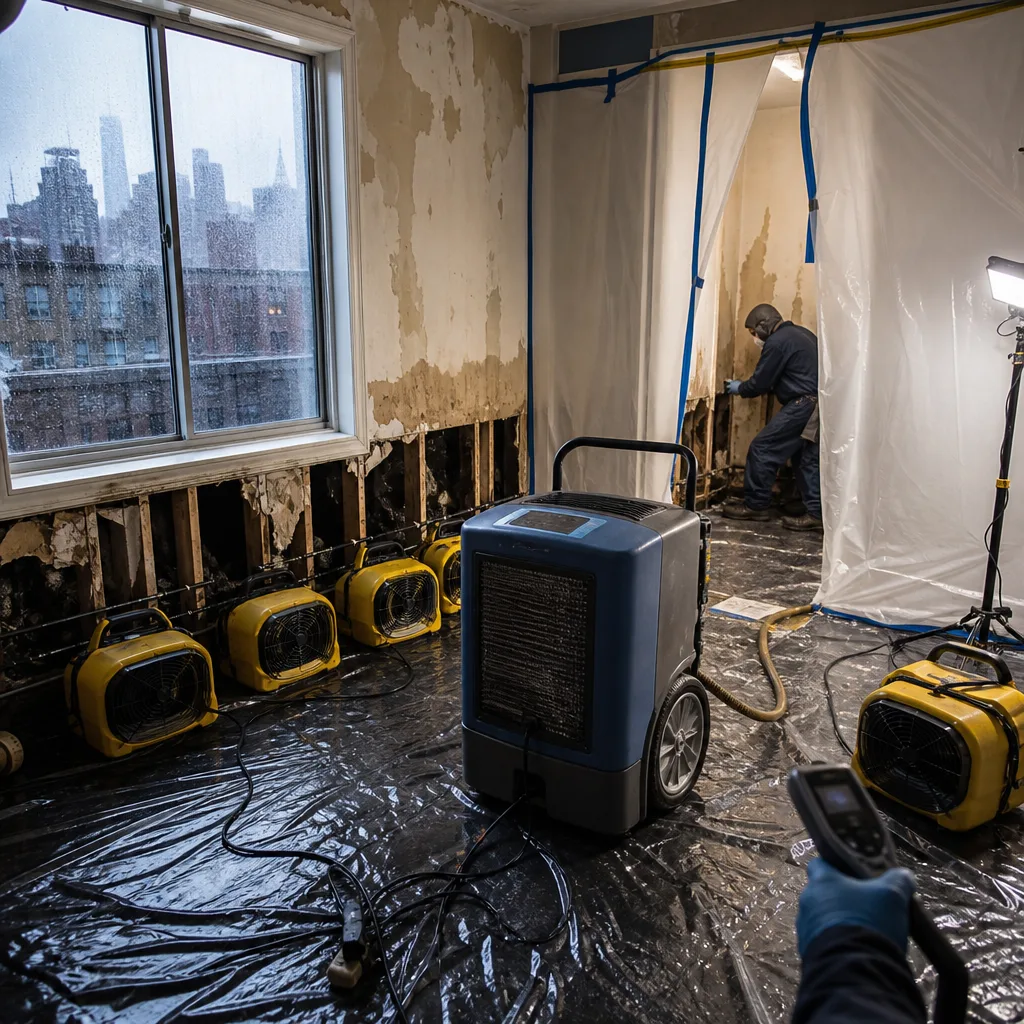
Infectious Disease Disinfection
After a confirmed illness in a Greenpoint home or multi-unit building, we fog common areas and treat high-touch surfaces with EPA-registered disinfectants. Walk-up stairwells, shared laundry rooms, and intercom panels are priority surfaces where tenants across multiple floors share contact points.
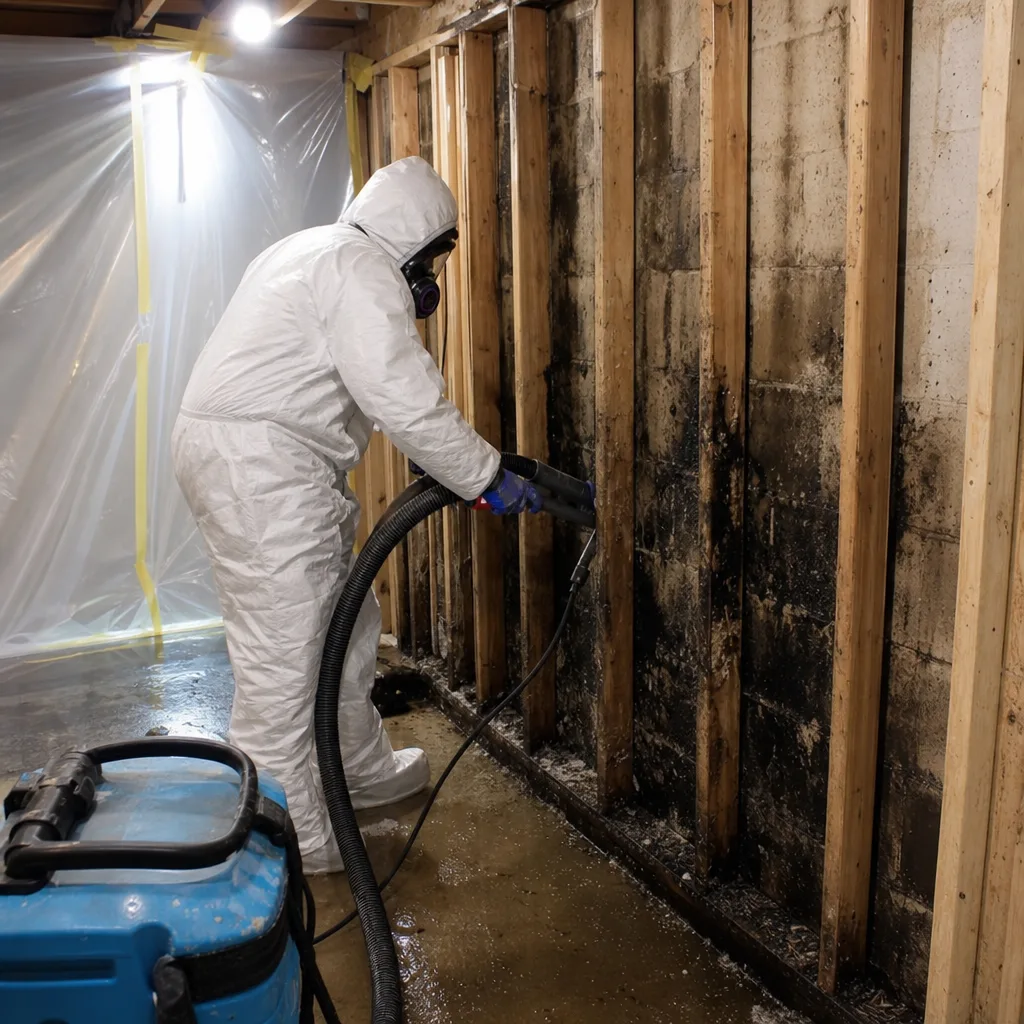
Tear Gas & Chemical Cleanup
Tear gas is a particulate and chemical contaminant that lingers in plaster, fabrics, and HVAC ducts. In Greenpoint walk-ups, it migrates vertically through stairwells and shared walls. We neutralize residues, air-scrub the space, and document every step so your carrier sees exactly what happened.
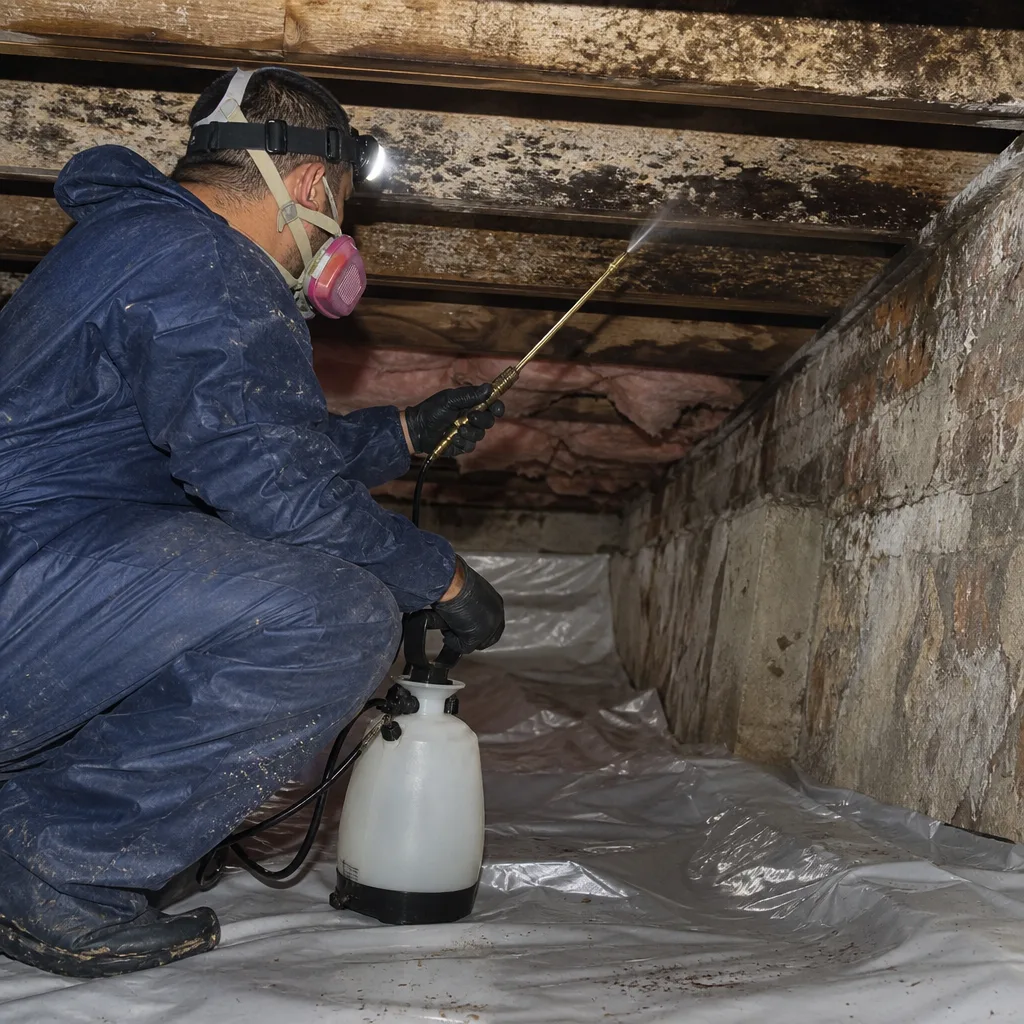
What happens when you call
- 1
A real person answersNo phone trees - you reach a local pro.
- 2
You get an upfront price rangeHonest numbers before anyone is dispatched.
- 3
A background-checked tech heads outLicensed & insured, dispatched right away.
- 4
You approve before work beginsNothing starts until you say go.
Biohazard & Crime Scene Cleanup Costs in Greenpoint, NY
A typical blood cleanup in a single Greenpoint room runs $1,200 to $3,000. Unattended death with decomposition generally falls between $3,000 and $8,000, depending on how long the body was undiscovered and what structural materials absorbed fluids. Hoarding cleanup in a full tenement apartment typically runs $5,000 to $15,000, with larger hoards in converted lofts crossing $20,000. Tear gas remediation in a Greenpoint walk-up unit costs $2,500 to $6,500 because of the vertical migration through plaster and shared ventilation. What moves the price: square footage, material replacement (horsehair plaster removal costs more than drywall), containment complexity in multi-unit buildings, and whether groundwater contact triggers hazmat protocols above the Exxon plume. Insurance often covers the bulk of these costs when documentation is solid. The free visual inspection gives you a fixed number, in writing, before anything moves. Call (518) 314-5660 to schedule it.
| Service Type | Typical Greenpoint Cost Range |
|---|---|
| Blood cleanup (single room) | $1,200 - $3,000 |
| Unattended death / decomposition | $3,000 - $8,000 |
| Hoarding cleanup (full apartment) | $5,000 - $15,000+ |
| Tear gas or chemical contamination | $2,500 - $6,500 |
| Infectious disease disinfection (multi-unit) | $2,000 - $6,000 |
We Also Serve Cities Near Greenpoint
Our crews respond from staging points across Brooklyn and Manhattan, so we reach Midtown Manhattan, Midtown West, Murray Hill, and Washington Square with the same 45-minute response commitment. If you own property in any of those areas, we handle the full biohazard cleanup and the reconstruction that follows.
Serving Greenpoint, NY - Our Local Coverage Area
We’re based in the Greenpoint area and know this community well. Use the map below to see our service coverage - if you’re nearby, we can almost certainly help.
Greenpoint Biohazard & Crime Scene Cleanup Questions, Answered
Does my Greenpoint building’s age mean biohazard cleanup will require asbestos or lead testing before walls can be opened?
Yes, in most pre-war Greenpoint buildings it will. Local and federal regulations require lead-paint testing on any painted surface disturbed in a building constructed before 1978, and asbestos testing on plaster, pipe insulation, and floor tiles common in 1880s-to-1920s construction. We arrange this testing before opening walls, and we build it into your written scope so there are no surprises. Call (518) 314-5660 and we will walk you through what applies to your specific building.
What should I do if my Greenpoint basement floods and I see an oily film on the water or walls?
Treat it as a potential hazmat event, not a simple flood. That oily film may be residual petroleum from the Exxon plume beneath Greenpoint pushing up through slab cracks. Do not pump the water into the street drain yourself. Call us at (518) 314-5660 immediately; we coordinate with DEP when groundwater contamination is suspected and use environmental sampling before we proceed with extraction or cleanup.
How quickly can mold start behind Greenpoint’s original plaster walls after a trauma or sewage backup?
As fast as 48 hours, and often faster in Greenpoint’s humid two-waterway air. Horsehair plaster holds moisture longer than drywall, and if dehumidification is not paired with aggressive air movement and moisture readings, microbial growth starts behind the plaster before you see it on the surface. That is why our crews run XPOWER air movers and B-Air dehumidifiers together from day one.
How do you handle a tear gas or chemical contamination in a Greenpoint walk-up without spreading it to other units?
We seal the affected unit with negative-air containment and run critical-filter HEPA scrubbers before any cleaning begins. In walk-ups, we also treat shared stairwells, ventilation shafts, and hallway surfaces as potential migration routes. We neutralize residues in place rather than disturbing them into the air. Call (518) 314-5660 for a walkthrough of what your building needs.
Do Greenpoint’s local permits require wind-rated door reinforcement before or after storm surge damage?
Storm surge damage to doors in Greenpoint’s waterfront blocks, particularly after a nor’easter or hurricane system like Sandy, typically triggers a repair permit with wind-load rating requirements. We handle door repair and reinforcement to code as part of our reconstruction scope. If your door failed during a storm and you are worried about the next one, we can assess it before the season turns.
How fast can a crew actually reach my Greenpoint property?
Most jobs in Greenpoint get a crew on scene within 45 minutes. We stage across Brooklyn, near McGuinness Boulevard and Manhattan Avenue corridors, and our dispatchers are live 24/7. Biohazard work does not wait; neither do we. Call (518) 314-5660 now if you need someone immediately.
Will my homeowner’s insurance cover biohazard cleanup in Greenpoint?
In most cases, yes, when the loss is sudden and accidental, like a crime scene, unattended death, or sewage backup containing bloodborne pathogens. What varies is how much your carrier pays, and that often depends on documentation quality. We photograph everything, log every step, and bill your insurer directly, so you are not chasing reimbursement. Call (518) 314-5660 and we will review your policy scenario.
Can I stay in my Greenpoint home during biohazard cleanup?
Generally no, not in the affected area. Bloodborne pathogen work requires containment, negative air pressure, and the use of disinfectants that are unsafe to breathe in an occupied space. For a contained single-room scene, we may be able to seal just that area while you stay elsewhere in the unit. For decomposition or multi-room contamination, we recommend temporary relocation. We will tell you straight, in writing, before work starts.
Written by Curt Bowman, Owner at Floodline Restoration Co. If something has happened in your Greenpoint home, call (518) 314-5660. A live person answers, and a real plan follows.