
Last updated August 25, 2026
Free visual inspection and a written scope of work before any mitigation begins - photos, moisture readings, and drying logs go in your claim file
The scope we write is the scope we bill. Anything new gets shown to you, in writing, before we touch it.
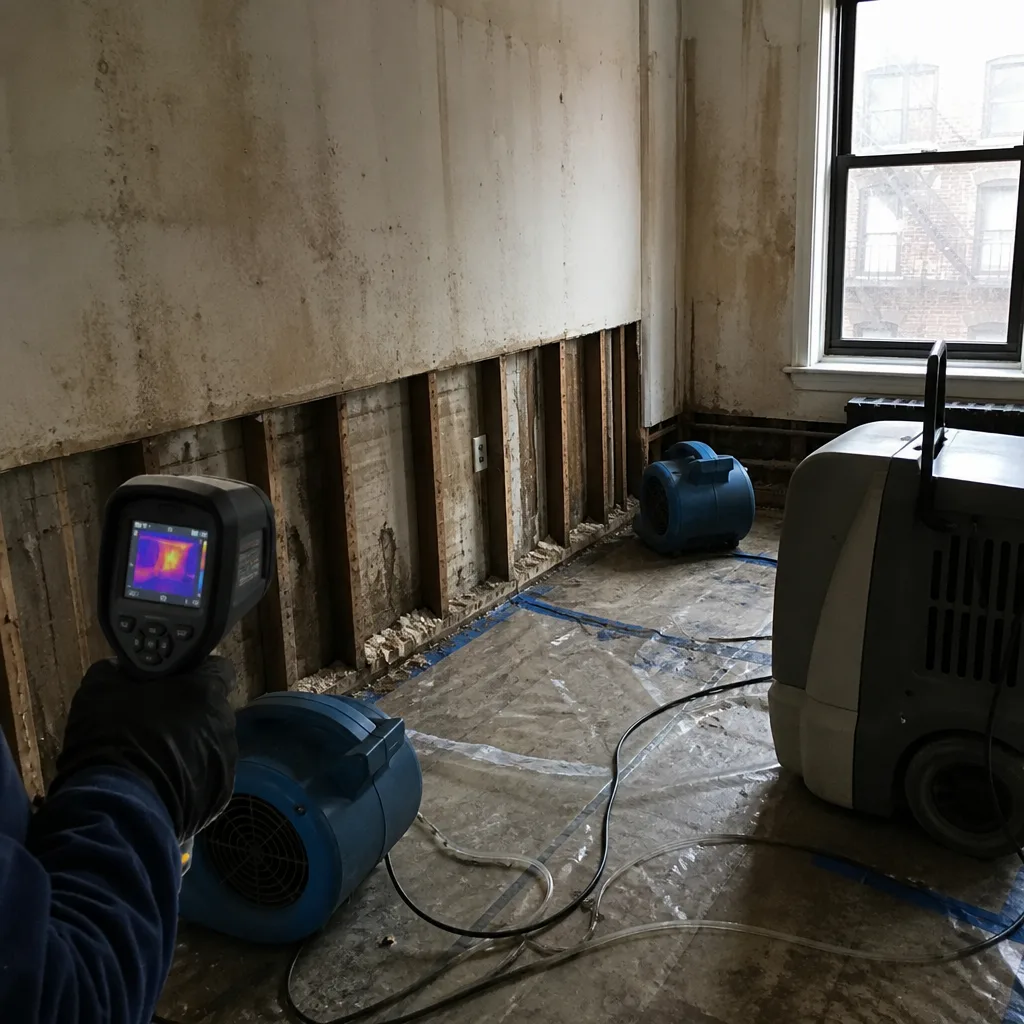 Before
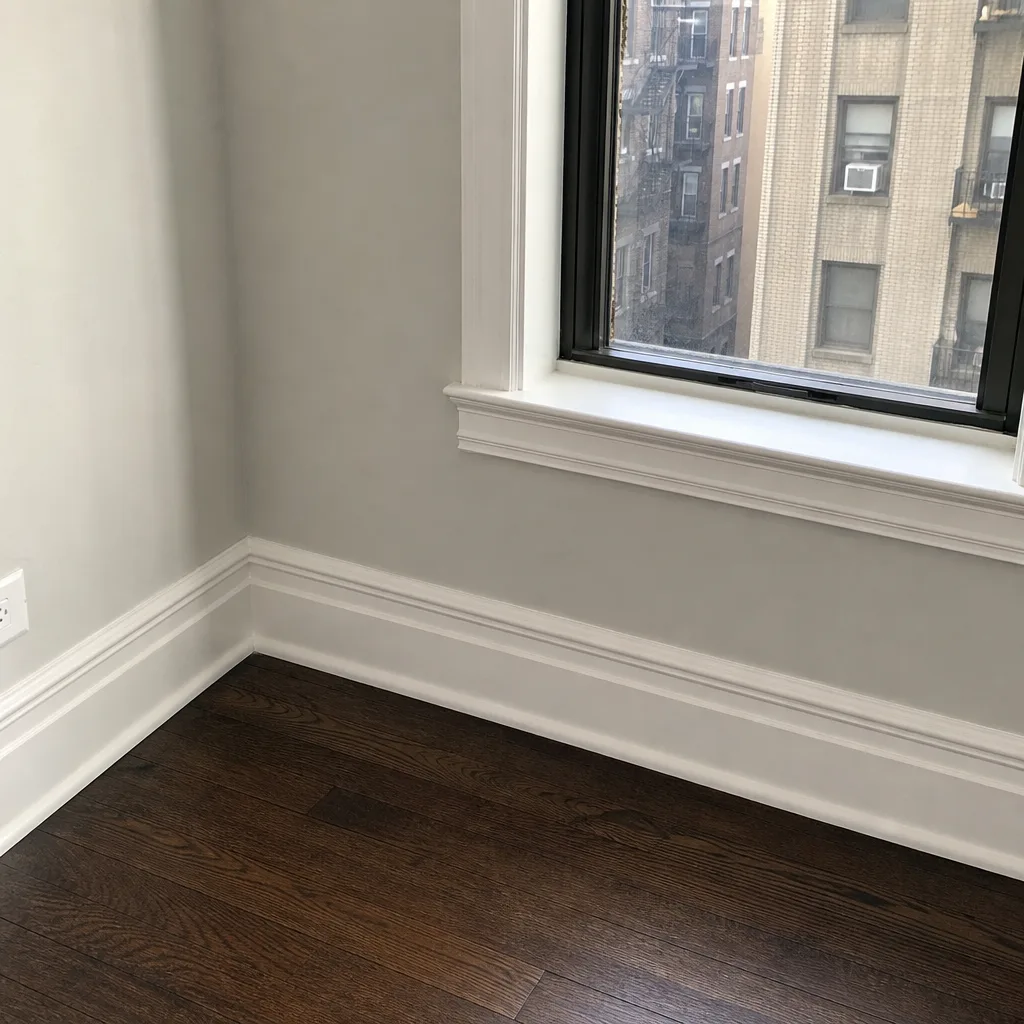 After
After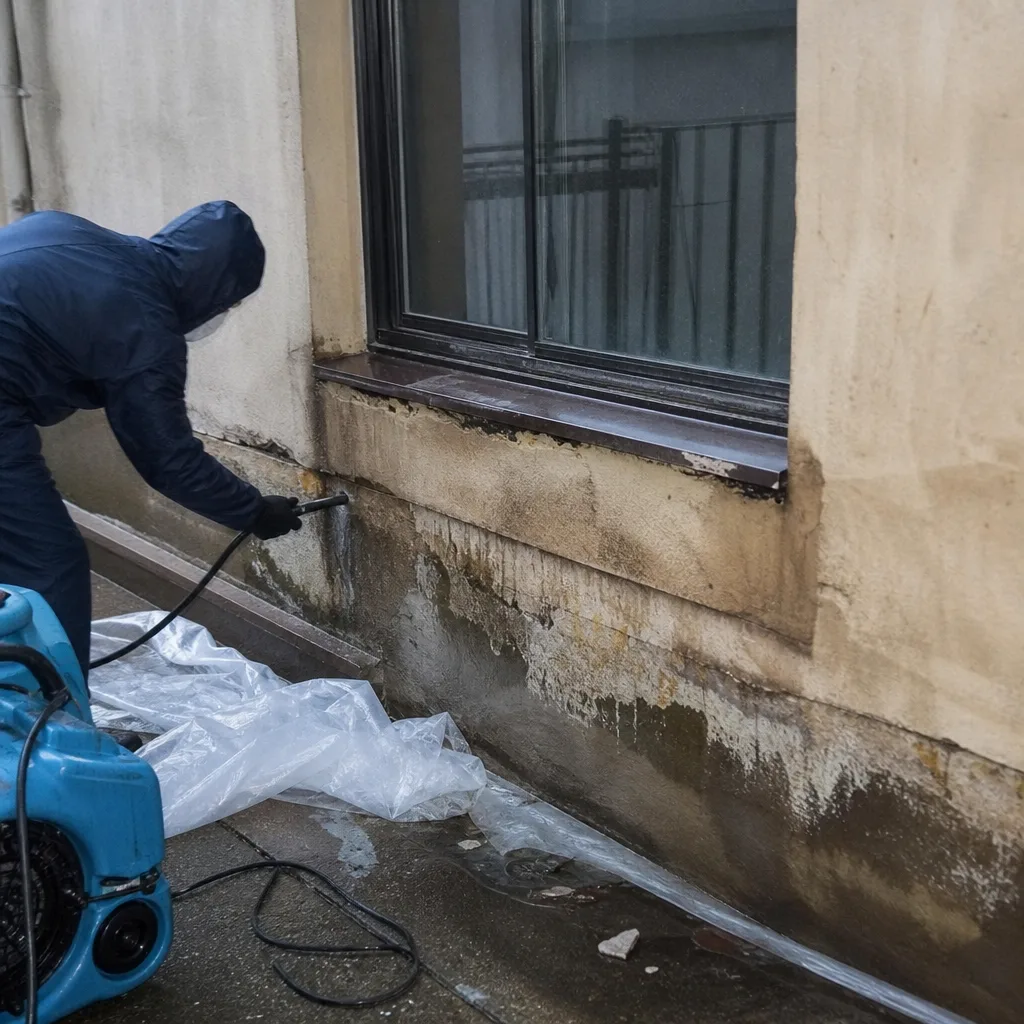 Before
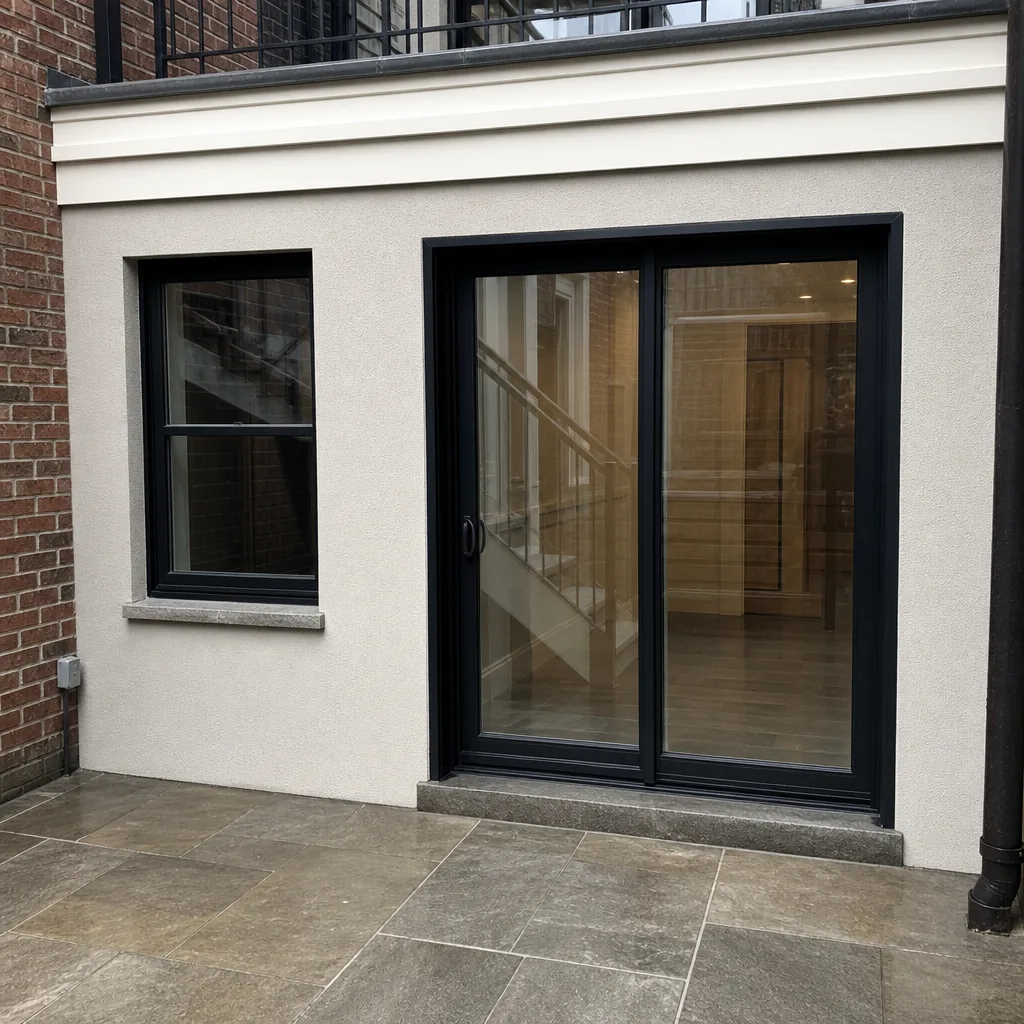 After
After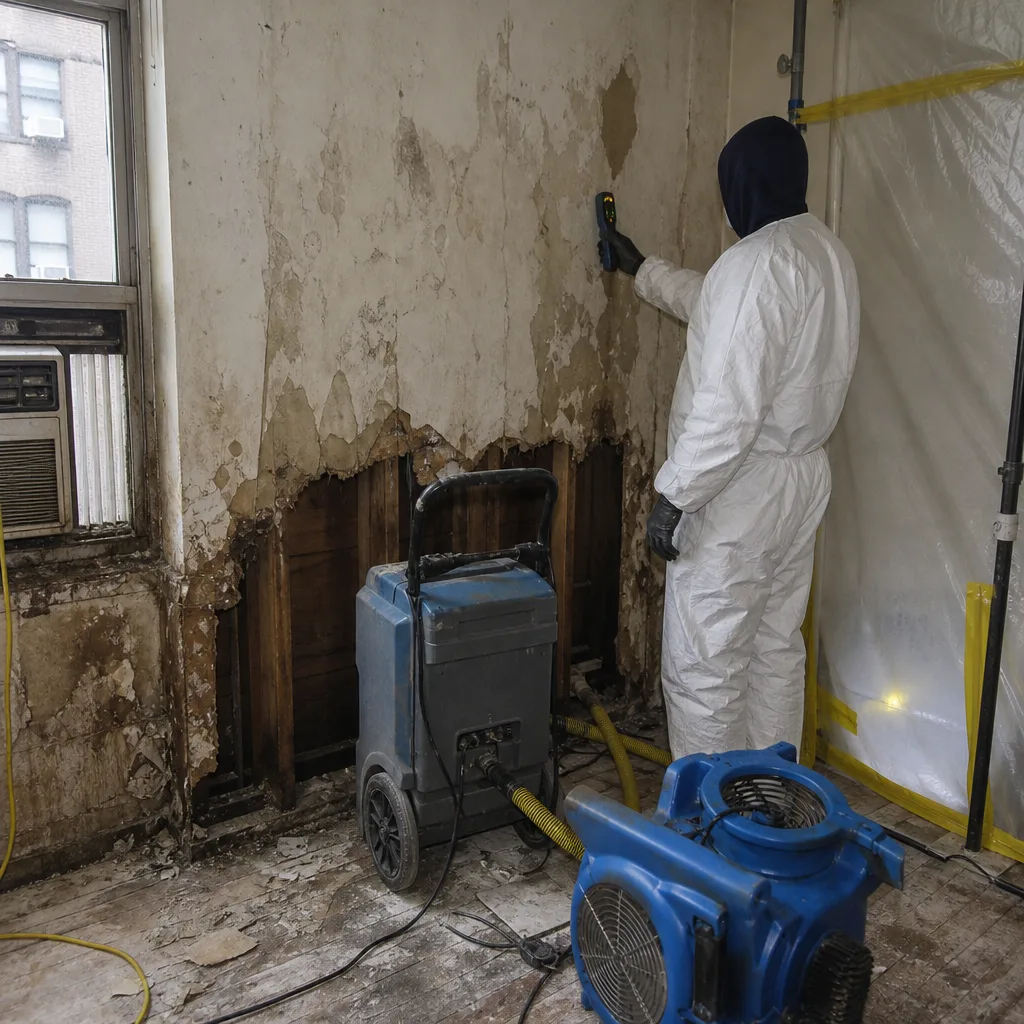 Before
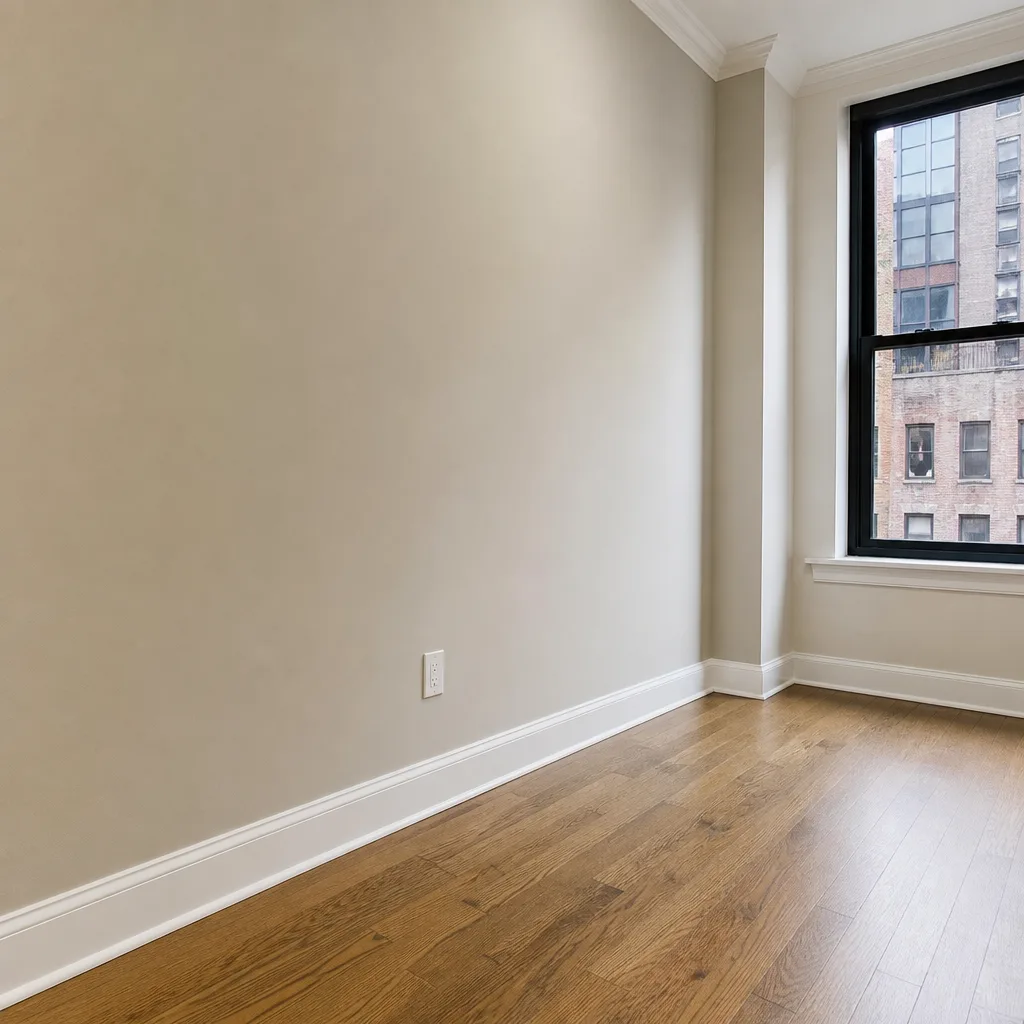 After
AfterDamage Restoration Cost Breakdown: The Midtown Manhattan Homeowner’s Reference for 2026
Most Midtown Manhattan homeowners are shocked to learn that the restoration bill is usually 40% drying and 60% rebuilding. The water that soaked your oak flooring in a Kips Bay co-op or the steam riser that failed in your Murray Hill prewar is rarely the expensive part. The expensive part is what happens in the three weeks after, when hidden moisture keeps working behind baseboards and under marble thresholds that were never pulled. This guide gives you the actual 2026 cost ranges we see on Midtown Manhattan jobs, filed by category, with the factors that push prices up or down. You’ll learn what a square deal looks like, which line items deserve scrutiny, and when a second opinion will save you five figures.
Quick Answer
Damage restoration in Midtown Manhattan typically costs $2,800 to $14,000 for water extraction and structural drying, $4,500 to $22,000 for fire and smoke mitigation, and $7,500 to $35,000+ for full rebuilds on larger rooms. Small isolated incidents, like a dishwasher supply line break caught within the hour, can run as low as $1,200 to $2,400. The single biggest cost driver is time: every 24 hours that moisture sits in gypsum, plaster, or wood roughly doubles the scope of what must be removed and replaced.
Table of Contents
- Water Extraction Costs: What the First 48 Hours Actually Cost
- Structural Drying and Moisture Remediation: The Equipment Line-Item You Should Understand
- Mold Remediation Costs in Midtown Manhattan’s Older Building Stock
- Fire and Smoke Damage: Why Mitigation Is Priced Differently From Cleanup
- Reconstruction Costs: The Rebuild Phase and How Contractors Bid It
- Sewage, Storm, and Biohazard Cleanup: Specialized Labor and Disposal Costs
- How Insurance Claims Affect What You Pay Out of Pocket
- Common Mistakes to Avoid
- When to Call a Professional
- Frequently Asked Questions
- The Bottom Line
Water Extraction Costs: What the First 48 Hours Actually Cost
Water extraction in Midtown Manhattan runs $3.50 to $7.00 per square foot of affected area, with a typical 400-square-foot living room landing between $1,400 and $2,800 for the extraction alone. This covers removing standing water with truck-mounted or portable extraction units, hauling away saturated carpet underlay, and setting up initial air movers. A same-visit response, where a live dispatcher answers your call at any hour and a certified crew arrives with extraction running before they leave, is what you’re paying for. In our experience on the East Side corridors and Hell’s Kitchen walk-ups, the difference between a two-hour response and a next-day response is frequently the difference between a $2,000 dry-out and a $9,000 rebuild.
Here is the line-item reality for a typical Midtown Manhattan water extraction job:
- Emergency response and assessment: $250 to $450. This covers travel, initial infrared and moisture-meter readings, and a written scope of work. Floodline Restoration Co. applies this toward the job when you proceed.
- Water extraction per room (200-400 sq ft): $600 to $1,600, depending on whether carpet, hardwood, or tile is involved. Hardwood that has cupped is usually removed rather than dried in place.
- Baseboard and trim removal: $3 to $6 per linear foot. This is not optional on wetted walls; it’s how you keep mold from growing inside the wall cavity.
- Disposal and hauling: $300 to $800 for saturated materials, including carpet pad, drywall cuts, and damaged underlayment. In high-rise buildings, add $150 to $400 for service-elevator reservations and carting fees.
Midtown Manhattan buildings add a layer most suburban jobs never face: union doorman buildings, freight elevator bookings, and building management that must sign off before equipment goes up. A clean eighth-floor co-op on Park Avenue and a ground-floor brownstone in Chelsea are priced on the same line items, but the logistics cost differs. We factor building coordination into the written scope before work starts, so the homeowner is not surprised by a management objection at hour two.
Structural Drying and Moisture Remediation: The Equipment Line-Item You Should Understand
Structural drying after water extraction in Midtown Manhattan costs $150 to $400 per day for the first three days, then $75 to $200 per day after the initial dry-out push, with most jobs running 3 to 7 days total. A typical one-bedroom apartment drying project lands between $1,100 and $2,900 for the drying phase alone. The price reflects professional-grade equipment, not rental-store fans. We run Dri-Eaz dehumidifiers, Phoenix air movers, and XPOWER axial fans on Midtown Manhattan jobs because they move more air per watt and finish faster, which is what actually lowers your total bill. A cheap setup that runs for 10 days costs more than a proper setup that runs for four.
You will see two line items on a legitimate drying estimate:
- Equipment placement and monitoring: A technician places air movers and dehumidifiers to create a drying chamber, then returns daily to take moisture readings. The daily reading log is not optional; it is the proof that the dry standard was reached before rebuild starts.
- Documented moisture mapping: Using infrared cameras and penetrating moisture meters, the tech maps exactly where water has migrated. In Midtown Manhattan prewars with plaster over masonry, water often travels down interior walls and puddles on the slab below the finished floor, invisible to a homeowner. Finding it before mold grows is the entire game.
One thing to be cautious about: any contractor who hands you a dry-out invoice without a moisture log. If there’s no reading showing the wall cavity at dry standard before the rebuild check is written, the work cannot be verified. This is exactly why our Floodline Restoration Co. home practices wrap every job with a documented dry standard, handed to both the homeowner and the carrier in writing. The log is not a courtesy; it’s the 90-Day Done Right Promise in action. If moisture returns and mold appears inside that window, we make it right, no arguing.
Mold Remediation Costs in Midtown Manhattan’s Older Building Stock
Mold remediation in Midtown Manhattan runs $1,800 to $6,500 for a contained area up to 100 square feet, and $6,500 to $18,000 for larger areas or multiple rooms. The higher end is common in this borough because of the age of the buildings. Midtown Manhattan has thousands of prewar buildings with original plaster, masonry, and decades of layered renovations. Mold hides behind those layers. A visible patch on a bathroom ceiling in a Tudor City apartment frequently traces back to a leaking roof drain or a failed pipe chase behind the wall, not just surface humidity.
The cost breaks into three stages:
- Containment and air filtration: $500 to $1,500 for plastic containment barriers, negative air machines with HEPA filtration, and signage. This is not optional. Containment protects the rest of your apartment and the hallway from airborne spores during the disturbance of remediation.
- Removal and surface treatment: $6 to $12 per square foot for non-porous surfaces that can be cleaned, and $4 to $8 per square foot for porous materials like drywall and insulation that must be cut out and disposed of as contaminated waste.
- Clearance verification: $300 to $800 for post-remediation air sampling and visual verification, done by a third party or by the remediation crew with a written report. In Midtown Manhattan co-ops, the board may require this before approving the rebuild.
We have walked into Midtown Manhattan apartments where a previous contractor “sprayed some bleach” and painted over a patch. Six months later, the homeowners are ripping out the same wall, plus the new vanity. Mold remediation is not a cleaning service. It is a containment and removal process with a write-up. Our technicians are background-checked, uniformed, and trained to IICRC, RIA, and IFA standards, and they follow the same protocol on a 30-square-foot bathroom job as on a 500-square-foot commercial space. The line the water left is where we start; the clearance report is where we stop.
Fire and Smoke Damage: Why Mitigation Is Priced Differently From Cleanup
Fire and smoke damage restoration in Midtown Manhattan costs $4,500 to $22,000 for mitigation and cleaning on a single residential unit, before any structural rebuild. The range is wide because smoke is insidious. A small kitchen fire that is contained to the stovetop might only need $4,500 in cleaning, ozone treatment, and a fresh coat of paint on the ceiling. A fire that pushes soot through the HVAC loop of a Midtown Manhattan high-rise can coat every surface in a three-bedroom apartment, which requires professional content cleaning, wall washing with chemical sponges, sealing, and repainting, easily $15,000 to $22,000 before you touch a single stud.
Here is how the phases price out in 2026:
- Emergency board-up and structural stabilization: $800 to $2,000, including tarping broken windows, bracing, and securing the unit. Insurance carriers require this to be done quickly to prevent further loss.
- Soot and smoke residue cleaning: $2,500 to $12,000, using chemical sponges, HEPA vacuuming, and specialized cleaning agents like Unsmoke or Benefect. This is not a standard maid service; soot is oily, acidic, and etches surfaces within days if left.
- Odor removal: $800 to $3,000 for ozone machines, thermal fogging, or hydroxyl generators, run over several days. In Midtown Manhattan buildings with shared ventilation, the board or neighboring tenants may require documentation that the odor control did not migrate.
- Content cleaning and pack-out: $2,000 to $8,000 if items must be taken off-site, cleaned, and stored. Some Midtown Manhattan co-ops do not allow large storage containers on the street, so we coordinate with management.
What you are paying for in fire work is not just labor; it is chemistry. Soot from synthetic materials, common in modern Midtown Manhattan apartments, is more corrosive than the wood-smoke soot your grandparents’ house saw. We see burned plastics, melted appliance housings, and polyurethane foam residue that etches chrome and dulls marble. You need a mitigation contractor who understands the difference between cleaning and sealing, because if soot is painted over without sealing, the stain and smell return through the paint within months. That is a rebuild you get to pay for twice. We do not hand off the mitigation to one crew and the rebuild to another; the same certified crew handles both, which means the person sealing the wall is the person who will stand behind the paint on it.
Reconstruction Costs: The Rebuild Phase and How Contractors Bid It
Reconstruction after damage in Midtown Manhattan runs $7,500 to $35,000+ for typical residential rooms, with kitchens and bathrooms at the top of that range. This is where homeowners get burned, and we’ll be plain about why. A water damage company that only does extraction and drying hands you a referral to a general contractor. That general contractor has never seen your building, does not know the code requirements, and prices the job blind. That is the hand-off problem, and it’s why Floodline keeps extraction, drying, and rebuild under one roof, with one crew and one written scope.
What you can expect to pay in Midtown Manhattan for common rebuilds in 2026:
- Drywall replacement and skim coat: $3.50 to $6.50 per square foot, including hanging, taping, and finishing. Plaster repair in prewar buildings can double or triple this, as matching old plaster profiles is specialized work.
- Hardwood floor replacement: $12 to $24 per square foot installed, depending on species, width, and whether matching existing floors in a Midtown Manhattan co-op requires custom milling. Oak strip flooring is common and on the lower end; herringbone or wide plank is higher.
- Kitchen cabinet replacement (lower or full): $4,000 to $18,000. A water-damaged base cabinet run that requires matching a 20-year-old finish often means refacing or custom building, which pushes the price up fast.
- Bathroom rebuild (full gut): $12,000 to $28,000 for a standard 5×8 bathroom, including tile, fixtures, waterproofing, and code-required updates. Midtown Manhattan building codes have tightened on ventilation and waterproofing in recent years, so plan for the code-required items, not just the cosmetic ones.
- Painting: $3 to $6 per square foot for walls and ceilings, including two coats and primer on sealed surfaces.
One cost driver specific to Midtown Manhattan: co-op and condo board approvals. Many boards require a licensed contractor, proof of insurance, a certificate of insurance from the firm, and sometimes board sign-off before a rebuild starts. That process can add one to three weeks. A contractor who has never worked in a Midtown Manhattan co-op will quote you the demo and drywall cost and “forget” the board package. We have rebuilt hundreds of units in this borough; the board package goes out with the estimate. It is part of doing the job right the first time.
Sewage, Storm, and Biohazard Cleanup: Specialized Labor and Disposal Costs
Sewage and biohazard cleanup in Midtown Manhattan runs $5,500 to $15,000 for a single unit, with storm surge and flood water from the East River corridor at the higher end. This is not water that can be dried out and moved past. Category 3 water, which is what sewage and flood water are, carries bacteria, viruses, and parasites. Any porous material it touches is removed and bagged as contaminated waste, and the entire area is disinfected with EPA-registered antimicrobials before drying even begins.
The additional costs you will see on a sewage job that you won’t see on a clean water job:
- Personal protective equipment and containment: $600 to $1,800. Full-face respirators, Tyvek suits, and full containment are mandatory for the crew’s safety and for yours. This is not theater; it is OSHA standard.
- Contaminated material disposal: $1,200 to $4,000. Midtown Manhattan waste haulers charge more for regulated medical or contaminated waste, and the landfill fees are higher. This is not a line item a contractor can “eat.”
- Disinfection and antimicrobial application: $800 to $2,500. Surfaces that remain, like concrete slabs and framing, must be cleaned, then treated, then dried, with moisture readings taken at the end to prove it.
Storm and disaster restoration in Midtown Manhattan carries a different profile. We are on the eastern edge of hurricane storm surge territory, and remnants of tropical systems have put a foot of water into lower-level apartments more than once. The water is not clean; it is brackish, mixed with whatever was in the street. The drying protocol is the same, but the extraction is faster and the disposal is heavier. When a storm event hits and the phone lines light up, the company that answers live at 2 a.m. and dispatches a crew the same visit is the one that keeps your loss from compounding. We answer with a person, every hour, every day, and the crew arrives with the truck already loaded.
How Insurance Claims Affect What You Pay Out of Pocket
The out-of-pocket portion of a Midtown Manhattan restoration job depends on your policy’s deductible, coverage type, and the carrier’s estimate, but here is what we see in practice: homeowners with standard HO-3 policies and a $1,000 to $2,500 deductible often pay only the deductible, provided coverage is not excluded. That said, the carrier’s initial estimate is frequently low. It often misses line items like building coordination, board approval delays, code upgrades, and matching materials that Midtown Manhattan buildings require. That gap is where homeowner cash gets eaten.
Here is how the claim process plays out on a typical Midtown Manhattan water damage job:
- Loss occurs, and the homeowner calls the carrier or the restoration company first. Both orders work, but calling us first gets a certified crew on site faster, and we document the loss with photos, moisture readings, and a written scope before anything gets disturbed.
- The field adjuster visits and writes an estimate. The adjuster is not trying to short you, but their software defaults to national average pricing that does not always reflect Midtown Manhattan co-op logistics, prewar plaster, or union building requirements.
- The restoration company submits a supplemental estimate. This is where line items that the adjuster missed get added: freight elevator time, board package preparation, matching flooring, code-required upgrades, and the full drying log.
- The carrier issues a supplement, and the job proceeds. In many cases, Floodline bills the carrier directly, and the homeowner handles only the deductible. We do not make the homeowner play messenger between us and the adjuster.
One piece of specific advice for Midtown Manhattan co-op owners: check your proprietary lease and house rules before filing. Many boards have requirements about which contractors may work in the building, and some have insurance requirements above the state minimum. If your restoration company cannot produce a certificate of insurance naming the building as additional insured within 24 hours, the board will stop the job. We keep these documents on file and issue them as a matter of routine, because we have worked in enough of these buildings to know the drill. It is part of the square deal.
Common Mistakes to Avoid
- Waiting to call because “it’s just a little water.” In Midtown Manhattan’s older buildings, water travels laterally through wall cavities and sits against masonry. What looks like a two-foot stain in a Chelsea townhouse is often a 12-foot wetted plane behind the plaster. Every 24 hours of delay compounds the scope.
- Hiring a contractor who only does drying, then getting handed off to a stranger for the rebuild. This is the single most expensive mistake we see in Midtown Manhattan. The drying crew walks away with their check, and the rebuild contractor has no way to verify the dry standard was met. The homeowner is now the project manager between two companies and a carrier.
- Letting the insurance adjuster’s first estimate be the last word. The initial estimate is a starting document, not a final figure. Missing line items on a Midtown Manhattan job often total $3,000 to $12,000. A restoration company that submits supplements and documents the missing scope is worth their salt.
- Skipping the moisture log and dry standard verification. If there is no written record showing the wall cavities reached dry standard before the rebuild started, you cannot verify the work was done right. Not having the log voids almost any comeback if mold appears later.
- Painting over or sealing a smoke-damaged surface without proper soot removal and sealing. Smoke residue is acidic. Paint will not stick to it properly, and the odor and staining will bleed through within months. You will pay for the repaint twice, and the second time costs more.
- Ignoring the board approval requirement on a co-op or condo. We’ve seen homeowners pay a contractor a deposit, only to have the board reject the contractor for missing insurance or licensing. The deposit is gone, and the job is delayed three weeks. Get the board package first.
- Choosing the cheapest bid on a sewage or biohazard job. The low bidder is often cutting containment, PPE, or disposal, which are mandatory line items, not optional upgrades. The cost of doing it wrong is a contaminated apartment and a second full remediation.
When to Call a Professional
Call a restoration professional the moment you see standing water that has touched drywall, insulation, or flooring, or whenever you smell smoke residue or see mold beyond a small surface patch you can point to and say exactly when it appeared. In Midtown Manhattan, the threshold is lower than in a suburban house because the building stock is older, the wall cavities are tighter, and the consequences of delay are neighbors, boards, and liability. If you can see water marks above the baseboard, if the floor is cupping, if a ceiling is sagging, or if you have any water from a sewage line, do not wait for Monday. Floodline Restoration Co. offers free estimates in Midtown Manhattan - call (518) 314-5660 and a live dispatcher answers, 24/7, with a certified crew dispatched the same visit.
Frequently Asked Questions
Water damage restoration in Midtown Manhattan costs $2,800 to $14,000 for a typical single-unit event, including extraction, drying, and minor rebuild. The lower end covers a contained leak caught within hours; the upper end covers multi-room wetted areas in older buildings with plaster walls and hardwood floors. For an exact quote on your situation, call (518) 314-5660 for a free estimate.
Most standard HO-3 policies cover sudden and accidental water damage, fire, smoke, and storm damage, subject to your deductible and exclusions like flood or long-term seepage. The key is documentation: your restoration company must submit a scope with photos, moisture readings, and a drying log to support the claim. Floodline Restoration Co. bills carriers directly in most cases and handles the supplement process for you.
Floodline Restoration Co. dispatches a certified crew the same visit, with extraction running before the crew leaves, because our phones are answered by a live dispatcher 24/7. In Midtown Manhattan, a crew can typically be on site within 60 to 90 minutes of your call, subject to traffic and building access. The speed of response is the single biggest factor in keeping the total bill down.
If water has touched drywall, insulation, wood flooring, or any porous material, you need professional extraction and drying, not a shop vac and a rental fan. Surface drying leaves moisture trapped inside wall cavities, which grows mold within 48 to 72 hours. A professional moisture map and daily reading log proves the cavity is actually dry. In Midtown Manhattan’s prewar plaster walls, invisible trapped water is more common than not.
Mold remediation in a Midtown Manhattan co-op runs $1,800 to $18,000, depending on the square footage and whether the mold is surface-level or hidden behind plaster and cabinetry. Building board approval and air clearance verification are often additional requirements in co-ops. The price includes containment, negative air pressure, removal of affected materials, and written clearance.
A typical water damage restoration and rebuild in Midtown Manhattan takes 2 to 6 weeks from first extraction to final paint, with drying running 3 to 7 days, board approval adding up to 3 weeks on co-ops, and the rebuild itself running 1 to 3 weeks depending on scope. Fire jobs with content cleaning and pack-out can run longer. One company handling all phases, like Floodline Restoration Co., avoids the hand-off delays between a drying crew and a separate general contractor.
The Bottom Line
Damage restoration in Midtown Manhattan is a two-part cost: the emergency response and the careful, documented return to dry, followed by a rebuild that is priced like the skilled construction it is. Understanding the line items, from extraction and drying to containment and board approvals, puts you in a position to ask the right questions and recognize a square deal when you see one. The cheapest bid is rarely the right bid, and the hand-off between companies is where money silently disappears. Floodline Restoration Co. has served Midtown Manhattan since 2010 under the 90-Day Done Right Promise, the Keystone Standard in writing. Done right, and backed in writing. For a free estimate, call (518) 314-5660.
Written by Curt Bowman, Owner at Floodline Restoration Co., serving Midtown Manhattan since 2010.