
Last updated August 25, 2026
Free visual inspection and a written scope of work before any mitigation begins - photos, moisture readings, and drying logs go in your claim file
The scope we write is the scope we bill. Anything new gets shown to you, in writing, before we touch it.
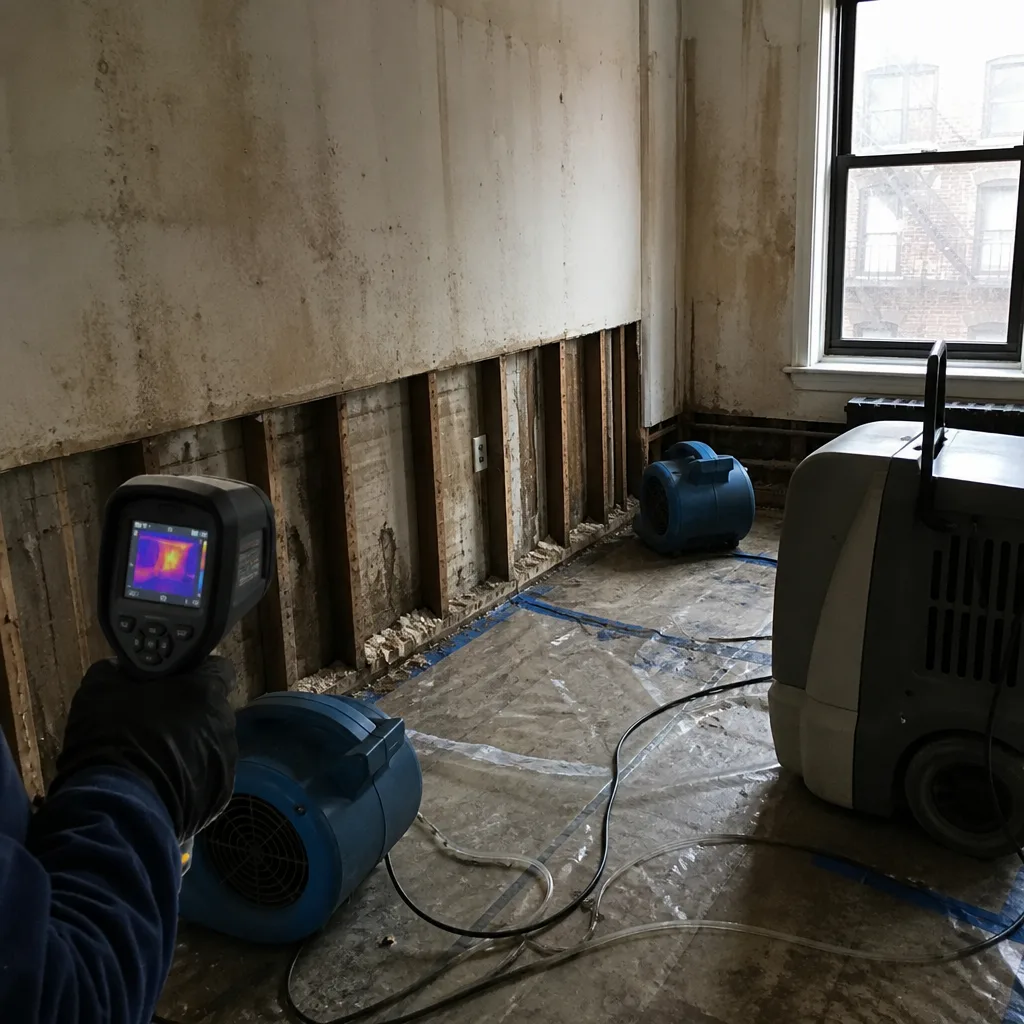 Before
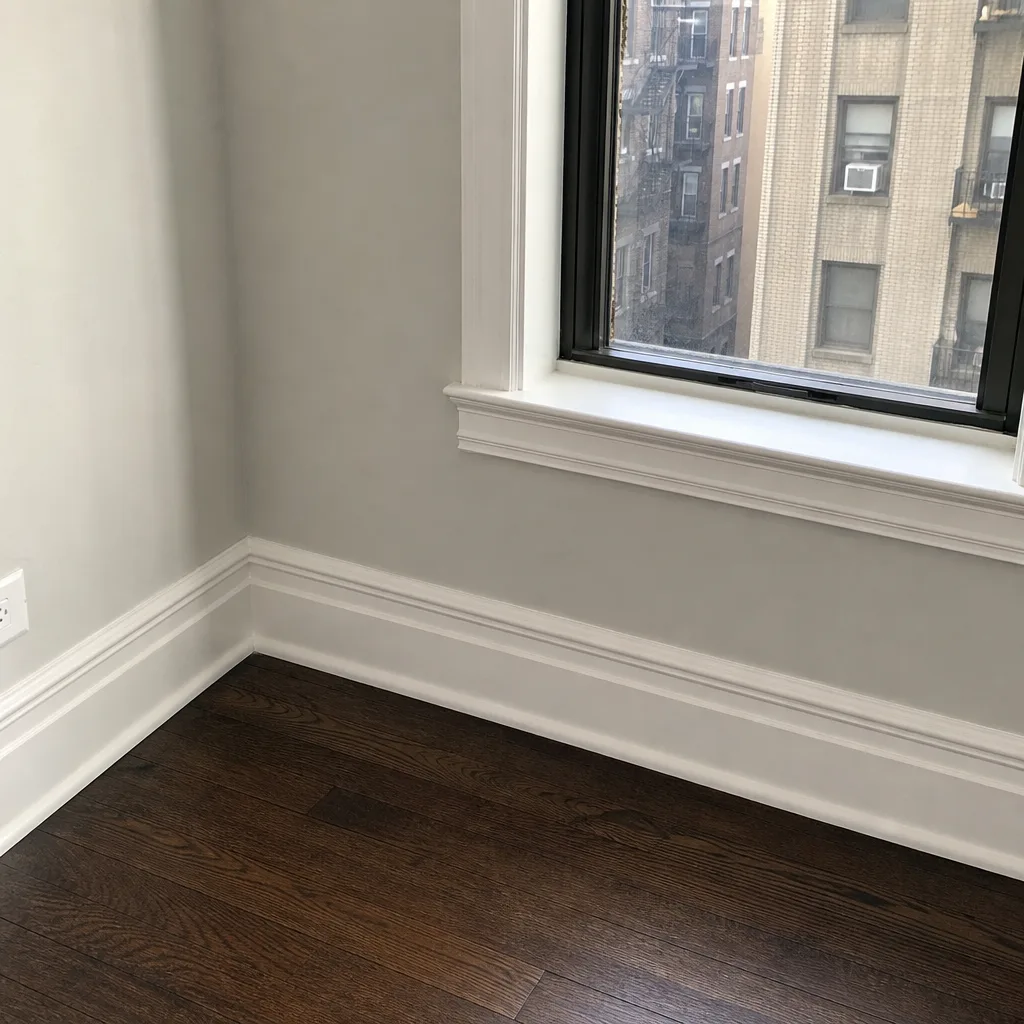 After
After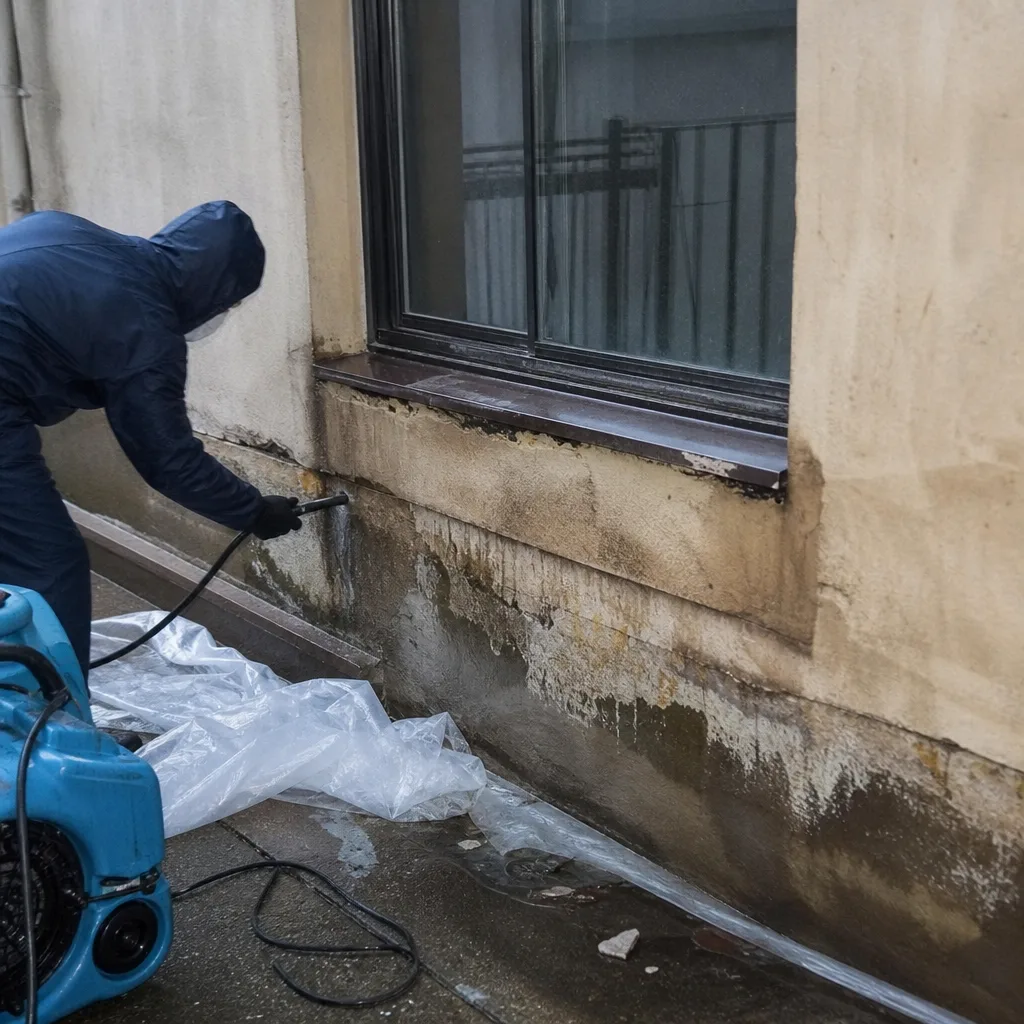 Before
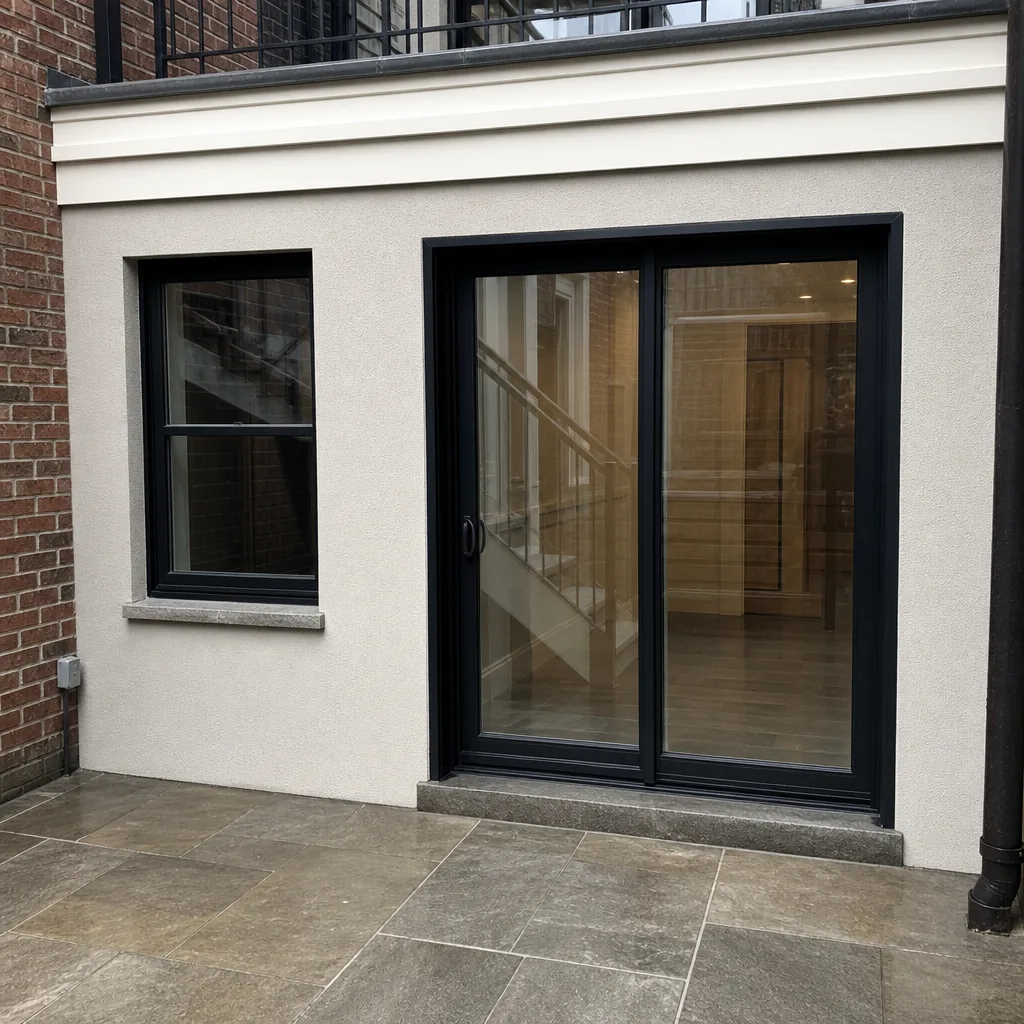 After
After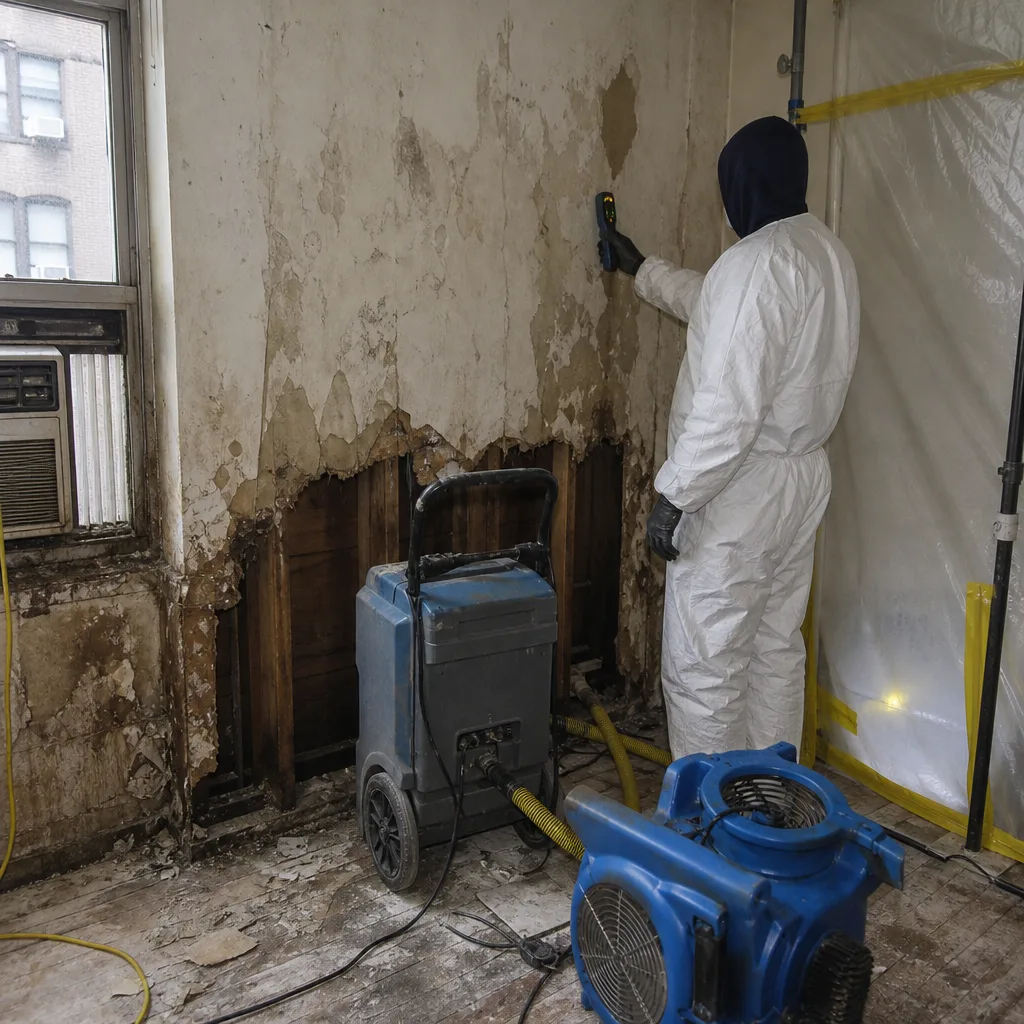 Before
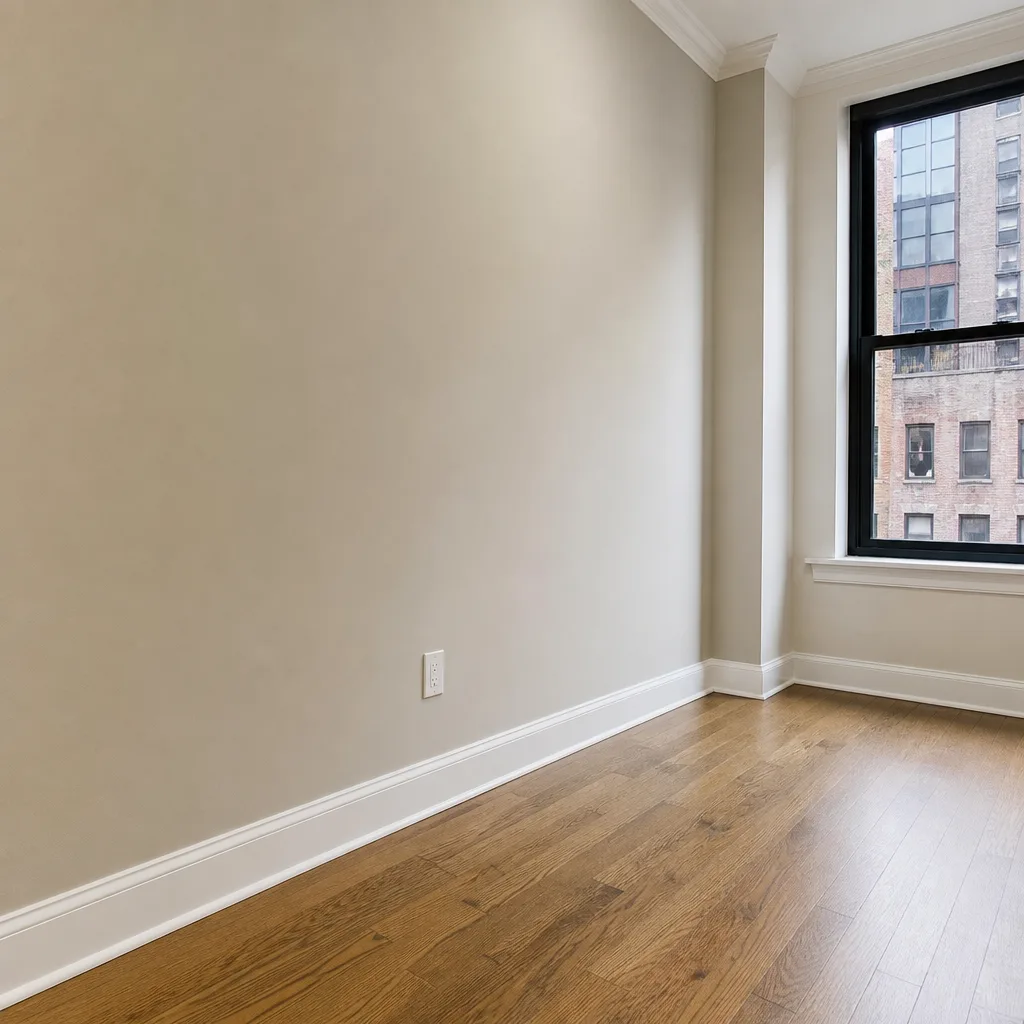 After
AfterThe Complete Guide to Damage Restoration in Midtown Manhattan
Most homeowners in Midtown Manhattan discover their damage problem about three days after it started. Water has already wicked up drywall, mold has found the dark space behind a baseboard, or smoke has settled into fabrics that looked clean on day one. This guide explains what actually happens during restoration, what it costs in this market, and the order of operations that separates a lasting fix from a callback. You’ll learn how Midtown Manhattan’s building stock shapes every restoration decision, why drying logs matter more than drywall patches, and what questions to ask before anyone sets up equipment in your apartment or brownstone.
Quick Answer
Damage restoration in Midtown Manhattan means stopping the active damage first, removing what cannot be saved, drying what can, and rebuilding to the pre-loss condition. Most water damage jobs in this area run $2,800 to $7,500 depending on square footage and how long water sat. A certified crew with professional-grade drying equipment should be on site within hours, not days, because Midtown’s prewar construction and shared walls turn small leaks into building-wide problems fast.
Table of Contents
- Types of Damage We Restore in Midtown Manhattan
- The First 24 Hours: What Actually Matters
- What Damage Restoration Costs in Midtown Manhattan
- Why Professional-Grade Drying Equipment Changes the Outcome
- The Insurance Process: Documentation, Billing, and Your Adjuster
- Midtown Manhattan Building Issues Most Contractors Miss
- From Mitigation to Rebuild: One Crew, One Standard
- Common Mistakes to Avoid
- When to Call a Professional
- Frequently Asked Questions
Types of Damage We Restore in Midtown Manhattan
Damage restoration covers a broader range than most people assume until they need it. In Midtown Manhattan, we handle five primary categories, and they often overlap. A burst supply line in a 12th-floor condo becomes a water damage job on floor 12 and a ceiling repair on floor 11. A kitchen fire produces both fire damage and water damage from the sprinkler response.
Water damage is the most common call we get in Midtown Manhattan. Sources include radiator failures in prewar buildings, supply line breaks under bathroom vanities, dishwasher leaks, and roof drainage issues that work their way down through multiple floors. The water itself is only half the problem. The other half is what it touches: gypsum board, hardwood, subfloor, and the cavities inside walls where drying is hard and mold is opportunistic.
Mold remediation follows water damage in most cases. Mold needs two things: moisture and organic material. Midtown Manhattan apartments built before 1950 often have plaster over wood lath, which holds moisture differently than modern drywall. We treat mold as a moisture problem first. Kill the mold without fixing the moisture source and it returns within weeks.
Fire and smoke damage requires a different sequence entirely. Soot is acidic and etches surfaces within hours. Synthetic materials, common in modern furniture and carpets, produce a greasy smoke residue that simple cleaning will not remove. Odor molecules embed in porous surfaces and require either sealing or removal.
Sewage cleanup is a category where DIY attempts go wrong in dangerous ways. Category 3 water, as the IICRC classifies it, contains bacteria, viruses, and parasites. The affected area needs containment, removal of porous materials, and antimicrobial treatment before drying even begins. This is not a mop-and-bucket job.
Storm and disaster restoration in Midtown Manhattan often means dealing with what water did on its way through a building envelope. Window failures during nor’easters, clogged roof drains during heavy rain, and flooding from street-level entry points all fall into this category.
The common thread across all five categories: the first 24 hours determine the final cost and the final outcome. Delay turns straightforward mitigation into reconstruction.
The First 24 Hours: What Actually Matters
Every restoration job in Midtown Manhattan follows the same sequence. Miss a step and you pay for it later. Here is the order of operations our crews follow, and the order you should expect from any restoration company you hire.
- Stop the source. Water keeps moving until someone turns a valve, patches a roof, or shuts a main. A plumber might be part of this, but restoration crews handle source control for many non-plumbing failures, like ice dams or appliance leaks.
- Map the affected area. Water travels down and sideways. A puddle in one corner of a Midtown Manhattan living room may have started two floors up or traveled along a sloped subfloor. We use moisture meters and thermal imaging to find water where it is not visible.
- Extract standing water. Professional extraction equipment removes water faster and more completely than a shop vacuum. Speed here directly affects how much material must be removed later.
- Remove what cannot be saved. Porous materials like carpet pad, and in many cases drywall, are removed when saturated. The decision depends on how long the material was wet and what category of water was involved.
- Set up drying equipment. Air movers and dehumidifiers run continuously. Dri-Eaz and Phoenix units are the standard for professional restoration because their moisture removal rates are consistent and measurable.
- Take daily moisture readings. This is the step that separates professionals from amateurs. We log readings every day until materials reach the dry standard for this climate. The log goes to the homeowner and the insurance carrier.
What matters most in the first 24 hours is not what you remove. It is what you measure. A crew that cannot show you moisture readings on day three is guessing. A crew that can show you a drying log is working to a standard.
What Damage Restoration Costs in Midtown Manhattan
Restoration pricing in Midtown Manhattan runs higher than the national average for three reasons: labor rates, building access logistics, and the age of the building stock. Prewar buildings mean plaster, lath, and materials that need more careful handling. Union building requirements in some co-ops and condos add labor costs. Freight elevator reservations and work-hour restrictions slow jobs down.
Here are realistic ranges for common restoration jobs in this market:
| Job Type | Typical Range in Midtown Manhattan | What Affects the Price |
|---|---|---|
| Water extraction and drying (single room) | $2,800 - $5,500 | Square footage, water category, how long it sat |
| Mold remediation (contained area) | $1,800 - $6,000 | Scope of affected material, air quality testing, containment needs |
| Fire and smoke restoration (full apartment) | $8,000 - $30,000+ | Soot type, surface area, content cleaning, rebuild scope |
| Sewage cleanup (bathroom or basement) | $3,500 - $9,000 | Amount of porous material removal, sanitization scope |
| Full reconstruction after major damage | $20,000 - $100,000+ | Finishes, square footage, building requirements |
These numbers reflect what we see in Midtown Manhattan, not a national average. A 600-square-foot one-bedroom in a prewar co-op on West 57th Street carries different costs than a 2,000-square-foot condo in a new-build tower near Hudson Yards. Building requirements, finishes, and access all move the final number.
What we always give is a written scope before work starts. No surprises on the bill means the number you agree to is the number that holds. And we bill your insurance carrier directly, so you are not playing messenger between us and your adjuster.
Current standing offers at Floodline Restoration Co.: $50 off any repair over $250, and a Senior & Veteran 5% discount that never expires. If you are weighing restoration costs against a deductible, call us at (518) 314-5660 and we will walk through the numbers with you.
Why Professional-Grade Drying Equipment Changes the Outcome
The difference between a restoration that lasts and one that fails is usually invisible to the homeowner. It lives in moisture content readings, dew point calculations, and the grams of water pulled per hour by the equipment on site. In Midtown Manhattan, where the indoor environment is sealed and climate-controlled for most of the year, drying calculations matter even more because natural evaporation is limited.
We use Dri-Eaz and Phoenix dehumidifiers, XPOWER air movers, and B-Air units for spot applications. These are not consumer-grade machines. A professional dehumidifier pulls 70 to 130 pints of water per day depending on conditions. A hardware store unit pulls 20 to 30 pints under ideal conditions. In a saturated Midtown apartment with plaster walls and a closed window line, that difference is the margin between a dry apartment in four days and a mold problem in four weeks.
Equipment alone does not fix anything. The skill is in placement. Air movers create a vortex that carries moisture off surfaces. Dehumidifiers pull that moisture from the air. If the two are not balanced, you create either a warm swamp or a surface that looks dry while the wall cavity behind it is still saturated. This is why we moisture-map every job and take daily readings until the dry standard is met. The homeowner and the insurance carrier both get the log.
The Insurance Process: Documentation, Billing, and Your Adjuster
Insurance is almost always in the room when damage happens, even if no one says the word. Your policy covers sudden and accidental damage, not maintenance failures. A burst supply line is covered. A slow leak under a bathroom sink that has been going for six months is often not. This distinction matters because it changes how restoration is documented.
Here is how the process works when we handle a Midtown Manhattan restoration:
- Photo documentation. We photograph everything before we touch it. The water line, the affected materials, the contents, the source of the damage. These photos go to your carrier.
- Moisture mapping and scope. We write a scope that outlines exactly what will be removed, what will be dried, and what will be rebuilt. This scope goes to your adjuster before work starts whenever possible.
- Direct billing. We bill your insurance carrier directly. You are not floating a credit card charge or chasing reimbursements. We deal with the adjuster on billing.
- Daily documentation. Moisture readings, equipment logs, and progress photos go to the carrier throughout the job. When the adjuster calls with questions, we answer them with data.
- Final documentation. At the end of the job, you and your carrier receive the drying log, the completion documentation, and the written 90-Day Done Right Promise.
The worst position in restoration is the homeowner playing messenger between a restoration company and an insurance carrier. It leads to delayed approvals, conflicting information, and work that gets done twice. We do not put our clients in that position. We talk to the adjuster directly.
Midtown Manhattan Building Issues Most Contractors Miss
Midtown Manhattan is not a single market. It is a collection of building types and neighborhoods, each with restoration challenges that a contractor who works mostly in the suburbs will not know. Here are the issues we see repeatedly in this area.
Prewar plaster over metal or wood lath. Buildings from the 1920s through 1940s in areas like Turtle Bay and the West 50s use plaster over lath. Water moves through these walls differently than through drywall. Plaster can look dry on the surface while the lath behind holds enough moisture to feed mold. This requires equipment placement inside wall cavities using injection drying systems like Injectidry.
Building access restrictions. Many Midtown Manhattan co-ops and condos restrict work hours, require freight elevator reservations, and mandate COIs with specific language. A restoration company without experience navigating these requirements will lose days waiting for access. We handle building requirements as part of the scope, not as an afterthought.
Shared wall moisture migration. In attached buildings, water does not respect unit lines. A leak in one apartment migrates through floor joists and party walls into neighbors. We routinely find moisture in adjacent units that the building staff did not know about. Proper restoration includes checking beyond the visible damage area.
Radiator and steam system failures. Midtown Manhattan still has thousands of steam-heated apartments. A cracked radiator or failed valve releases water under pressure, but it also releases steam, which travels and condenses in unexpected places. Steam damage requires a different moisture map than a standing water leak.
High-rise drying dynamics. A 20th-floor apartment has a different stack effect than a ground-floor unit. Air moves through elevator shafts, stairwells, and utility chases. Drying calculations have to account for air pressure and humidity that building systems create.
These are not academic concerns. They are the difference between an estimate that holds and an estimate that doubles. A restoration company that knows Midtown Manhattan buildings prices accordingly and works accordingly.
From Mitigation to Rebuild: One Crew, One Standard
Most damage restoration jobs have two phases: mitigation and reconstruction. Mitigation is the emergency response, the extraction, the drying, the removal of unsalvageable material. Reconstruction is putting it back: drywall, flooring, paint, finishes. Many restoration companies in Midtown Manhattan do only the first phase and hand the rebuild to a subcontractor. The homeowner becomes the project manager between two companies.
We do not do that. The same crew that reads the moisture map on day one handles the daily readings, hands the log to the homeowner and carrier, and rebuilds what needs rebuilding. There is no mid-job handoff. No inherited crew that never saw the original damage. No second company saying the first company did it wrong.
The rebuild phase is where the 90-Day Done Right Promise matters most. If anything is not right, we make it right. That promise is in writing. It is the Keystone Standard, and it is backed by a values code we call K.E.Y.S.: Krafted right, Every time, Your home first, Standing behind it. No paperwork battles. No arguing. If it is not done right, we make it right.
For homeowners in Midtown Manhattan who plan to stay in their apartment for another twenty years, this matters. You want a name you can hold accountable. You want background-checked, uniformed technicians who are certified to IICRC, RIA, and IFA standards. And you want to know the company will still be around if something needs attention six months later. We have been serving local communities for over 42 years, founded in 2010 around a dispatch board, not a sales desk. A company that plans to be in town in thirty years hires local, trains apprentices into journeymen, and answers the phone with a person. That is how we operate. Learn more about Floodline Restoration Co. home and how we handle full-cycle restoration.
Common Mistakes to Avoid
- Waiting to see if it dries on its own. In Midtown Manhattan’s sealed building environment, water does not evaporate fast enough to prevent secondary damage. Every day of delay adds material removal and cost.
- Using a shop vacuum and box fans. These tools cannot pull water from wall cavities or subfloor. They dry the surface and leave the structure wet, which creates mold conditions behind the drywall.
- Not documenting before anyone touches anything. Insurance claims get denied or reduced because the homeowner or building staff moved furniture, tore out materials, or cleaned before photos were taken. Take photos first. Always.
- Hiring a contractor who does mitigation only. You end up managing a handoff to a rebuild contractor, which means two estimates, two schedules, and two companies blaming each other when something is off.
- Replacing finishes without addressing moisture. New drywall over a wet stud bay is a mold farm. If the drying log does not show the dry standard met, new materials will fail.
- Ignoring the building’s own requirements. Midtown Manhattan co-ops and condos have rules about insurance, work hours, and access. Ignoring them creates delays and fines. A restoration company familiar with these buildings handles this as part of the job.
- Choosing a bid without a written scope. The lowest number with no written scope will grow. A square deal means you see what is included before work starts and the number does not move without your approval.
When to Call a Professional
Call when water has been sitting more than a few hours, when water came from sewage or a source you cannot identify, when mold is visible on more than a few square feet, when smoke has affected multiple rooms, or when you smell something that was not there before you had the problem. These are not situations where more time helps. Floodline Restoration Co. offers free estimates in Midtown Manhattan - call (518) 314-5660 and a live dispatcher answers, day or night. A certified crew reaches the job and extraction is running the same visit.
Frequently Asked Questions
A live dispatcher answers the phone 24/7, and a certified crew reaches Midtown Manhattan jobs the same visit, with extraction running before they leave. We do not use answering services or callback queues. The phone is answered by a person at two in the morning.
Sudden and accidental damage like a burst pipe or a kitchen fire is covered under most standard policies, while slow leaks and maintenance failures are often excluded. We document everything, deal with your adjuster directly, and bill the carrier directly so you are not left chasing reimbursements. Call (518) 314-5660 and we will help you understand what your policy covers before work starts.
If water saturated porous materials like drywall, carpet pad, or insulation, cleaning the surface is not enough because mold grows inside the material where you cannot see it. The honest answer comes from moisture readings, not from what is visible. We moisture-map every job and show you the numbers before recommending what gets removed.
Most drying jobs take three to five days depending on the amount of water, the materials affected, and the building’s ventilation. We take daily moisture readings and do not stop equipment until the dry standard is met, not until a calendar day is hit. You and your carrier get the drying log.
We do. Floodline Restoration Co. bills your carrier directly and communicates with your adjuster directly. Photo documentation, moisture logs, and the written scope all go to the carrier. You are never the messenger between us and the insurance company.
It gets made right. Every job carries the 90-Day Done Right Promise, the Keystone Standard, in writing. No paperwork battles, no arguing. We stand behind the result because the same crew does the mitigation and the rebuild, and that crew answers for the work.
The Bottom Line
Damage restoration in Midtown Manhattan is a building-specific discipline. The prewar construction, shared walls, building access rules, and insurance processes in this market all shape how a job should be done. The differences between a lasting restoration and a callback are moisture readings, proper equipment, written scopes, and a company that handles the job from first extraction to finished rebuild with the same crew and the same standard. Floodline Restoration Co. has been doing exactly that since 2010, with live dispatch, professional-grade Dri-Eaz and Phoenix equipment, direct insurance billing, and the 90-Day Done Right Promise in every homeowner’s hands. Call (518) 314-5660 for a free estimate. The line the water left is where we start.
Written by Curt Bowman, Owner at Floodline Restoration Co., serving Midtown Manhattan since 2010.