
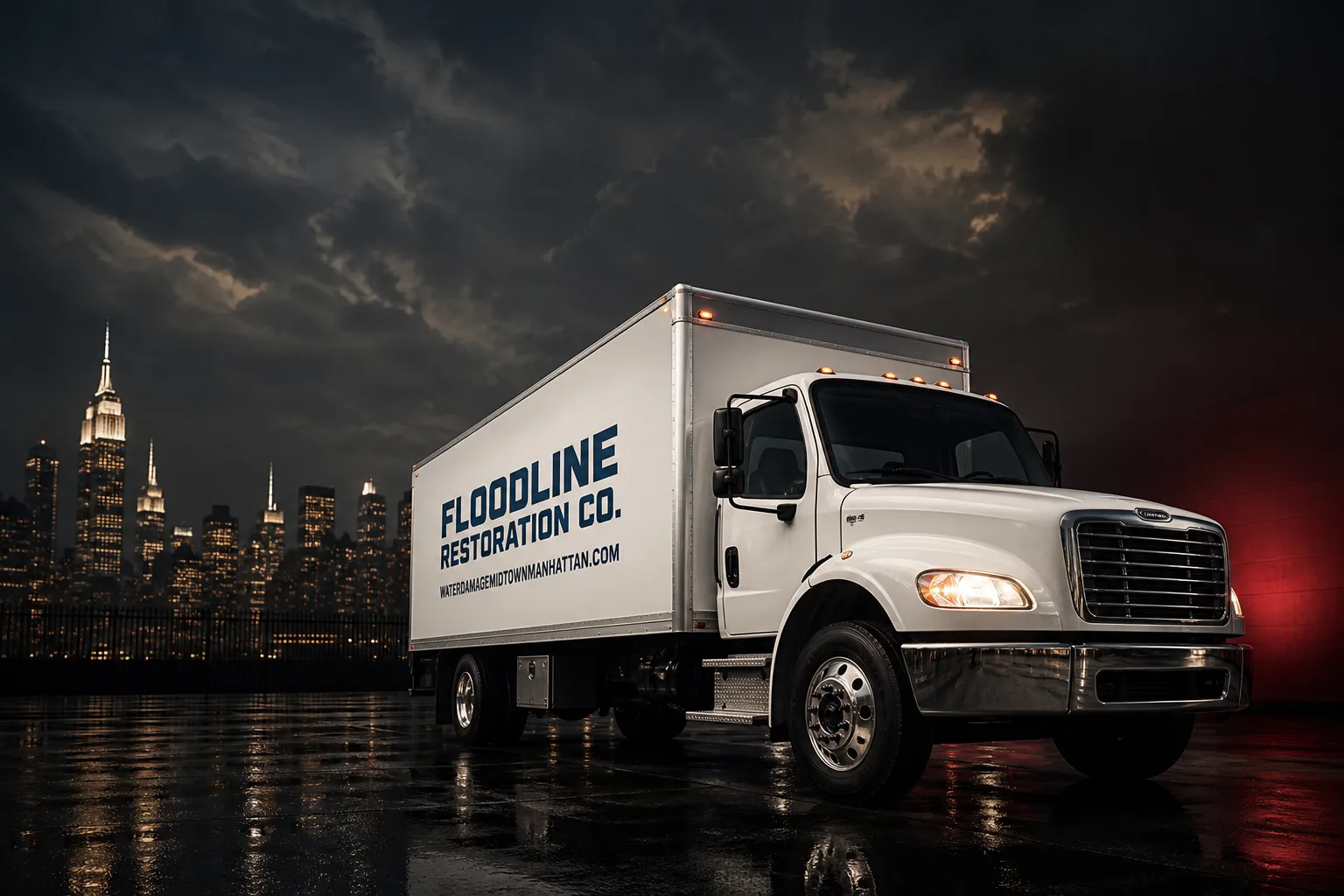
Free visual inspection and a written scope of work before any mitigation begins - photos, moisture readings, and drying logs go in your claim file
The scope we write is the scope we bill. Anything new gets shown to you, in writing, before we touch it.
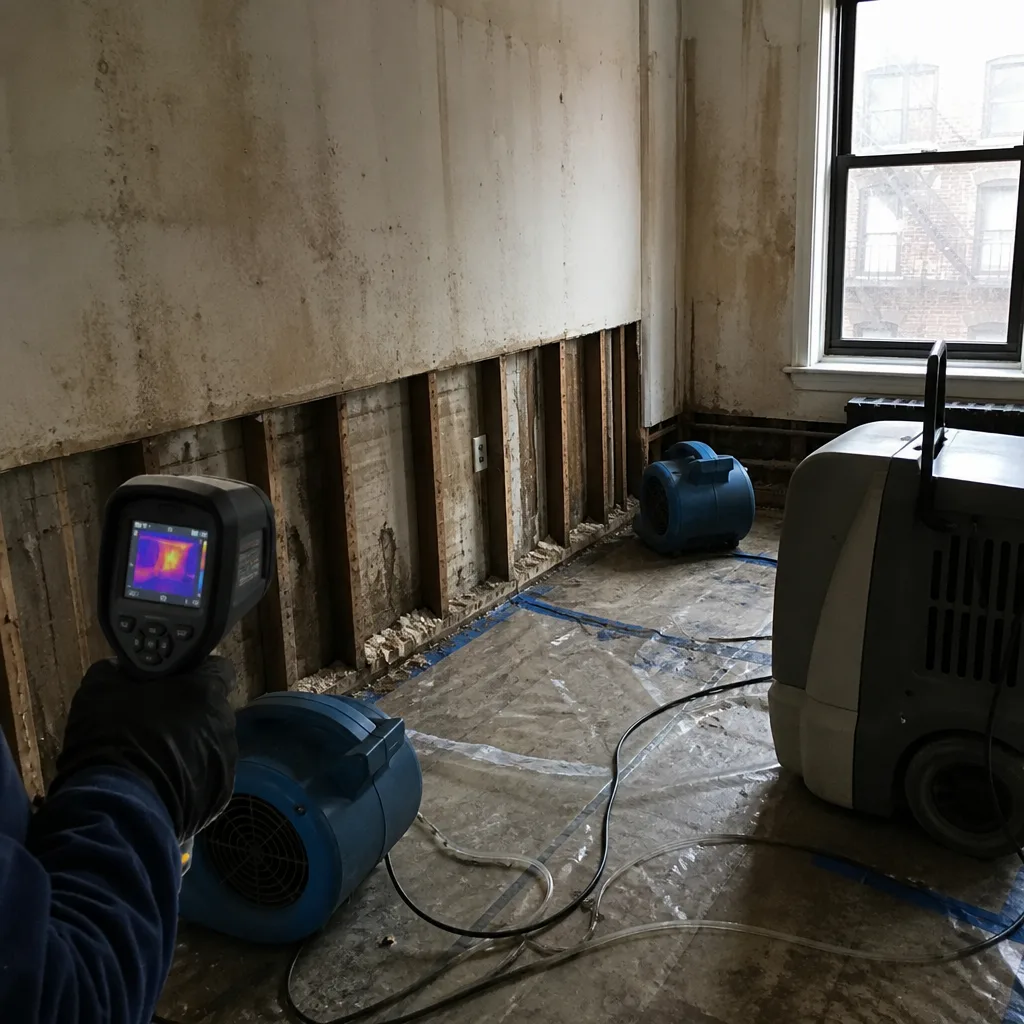 Before
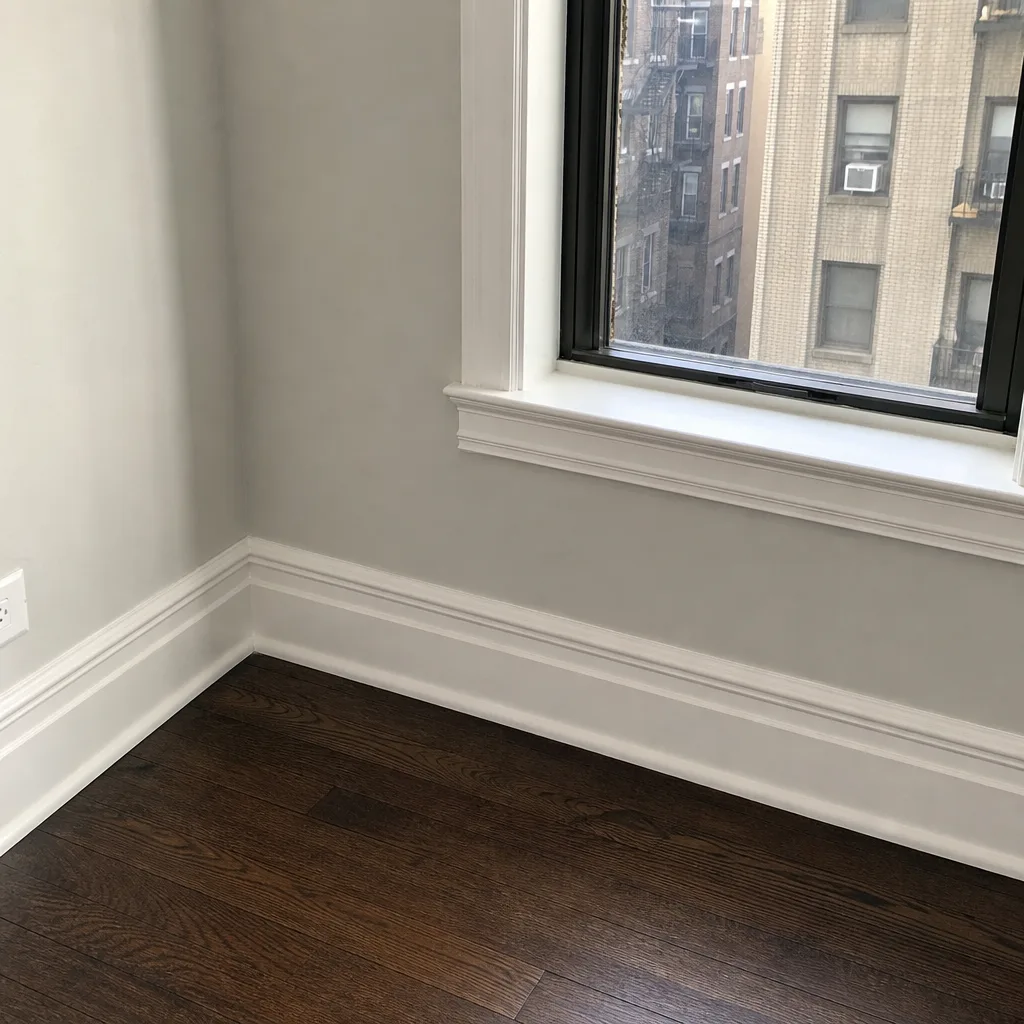 After
After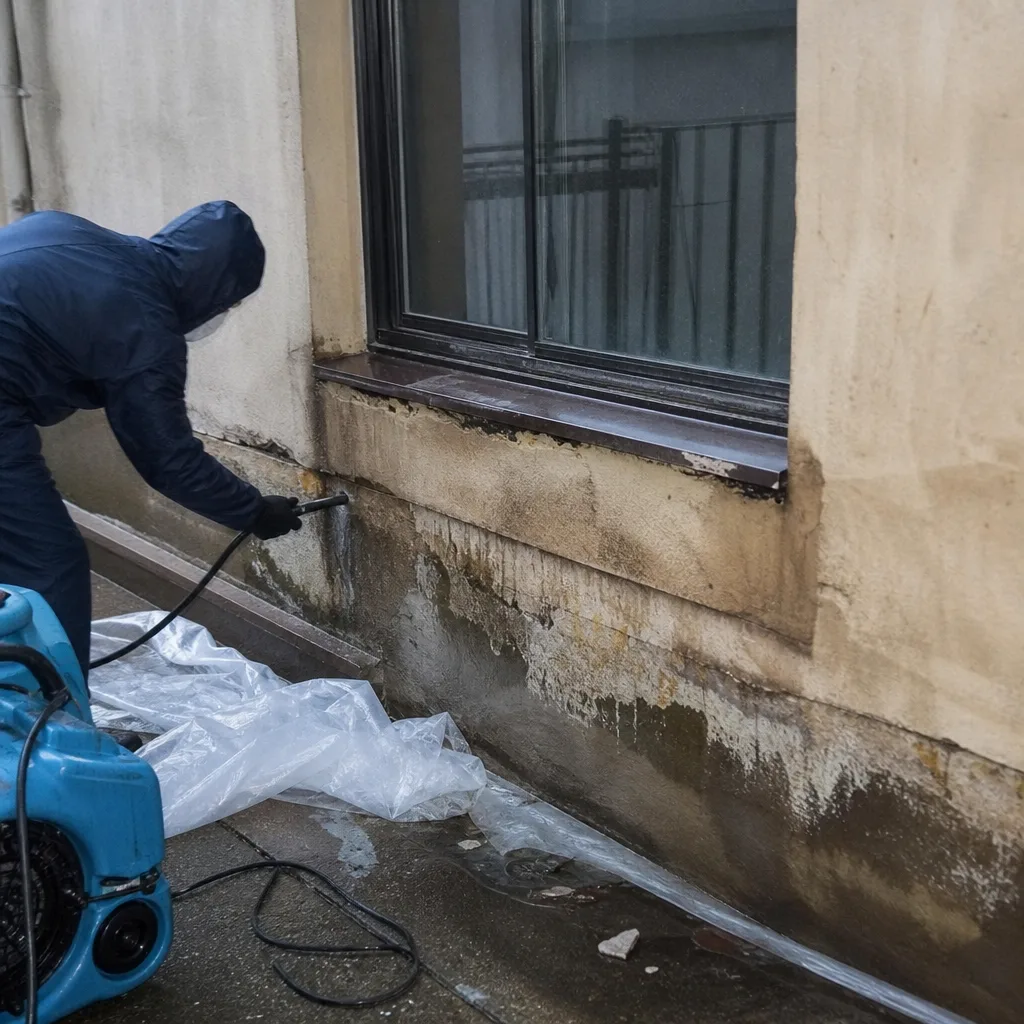 Before
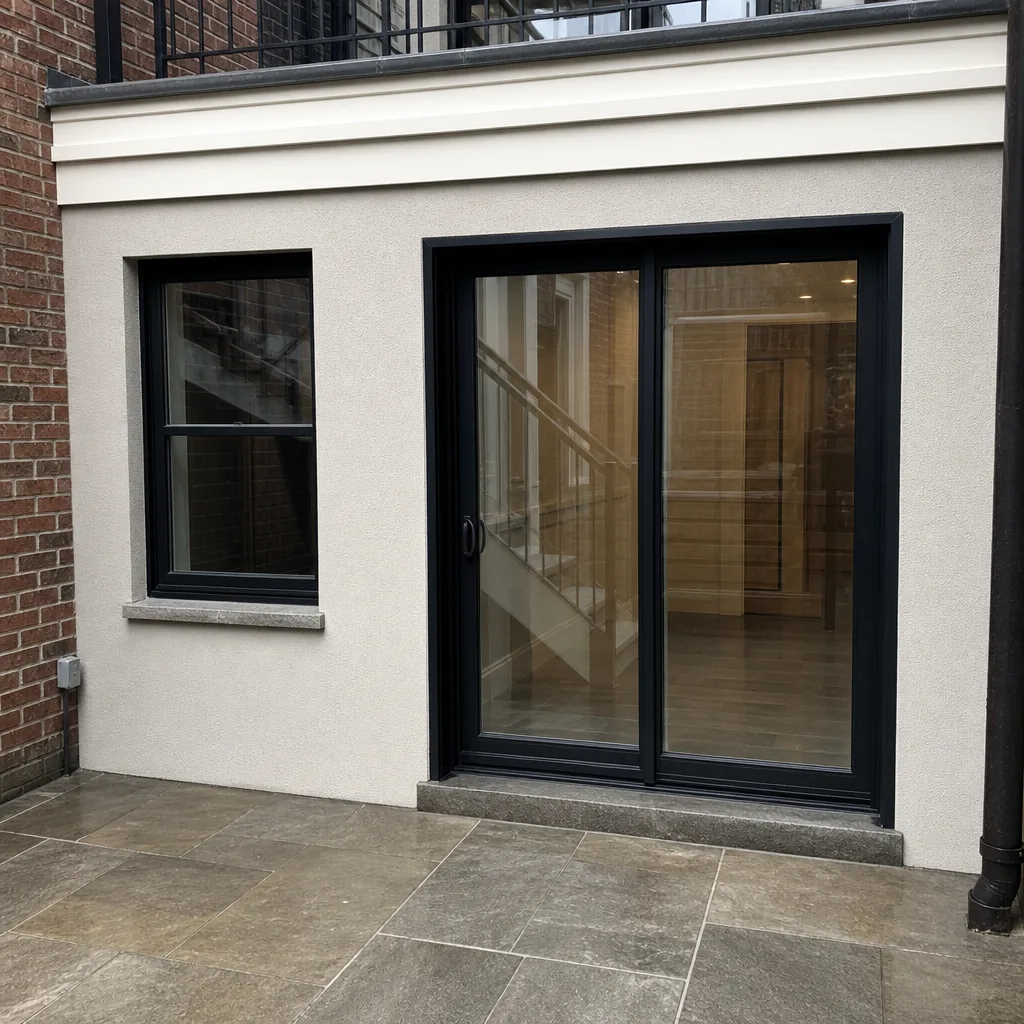 After
After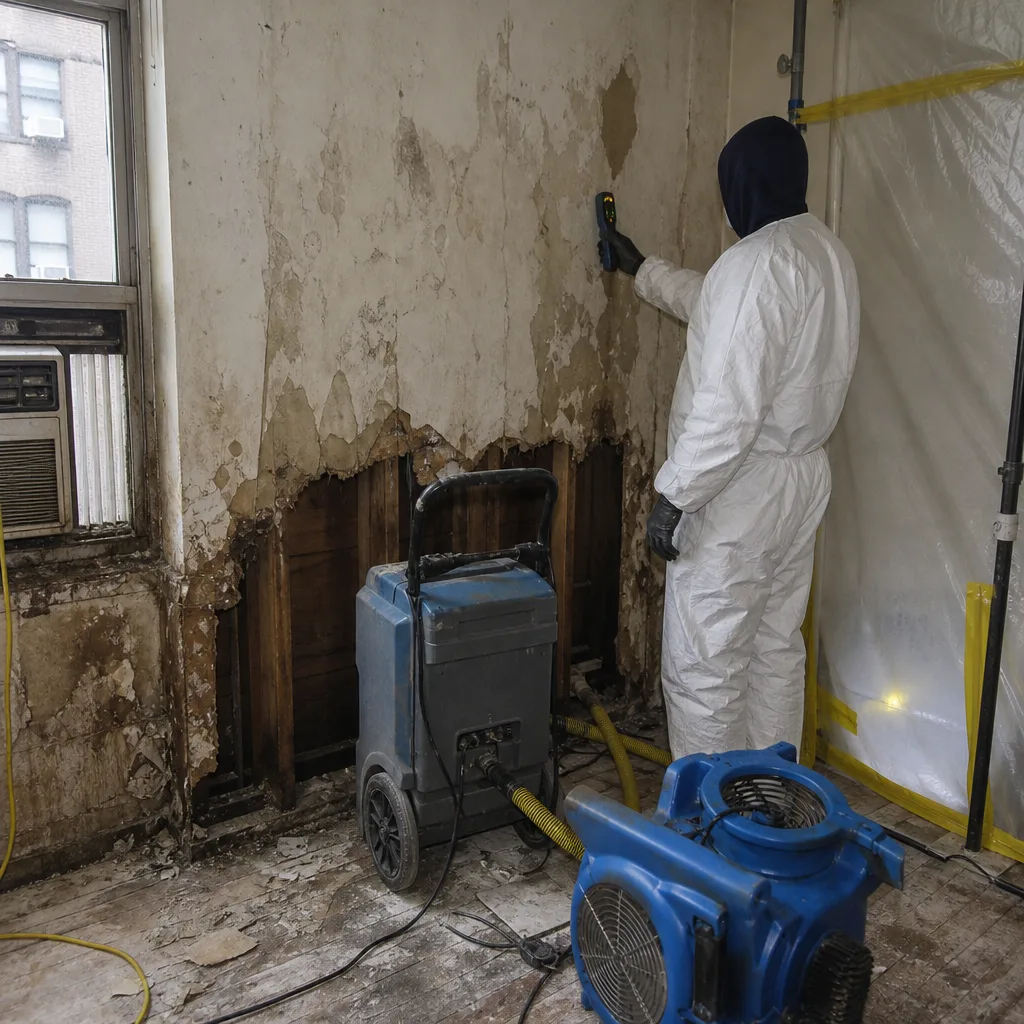 Before
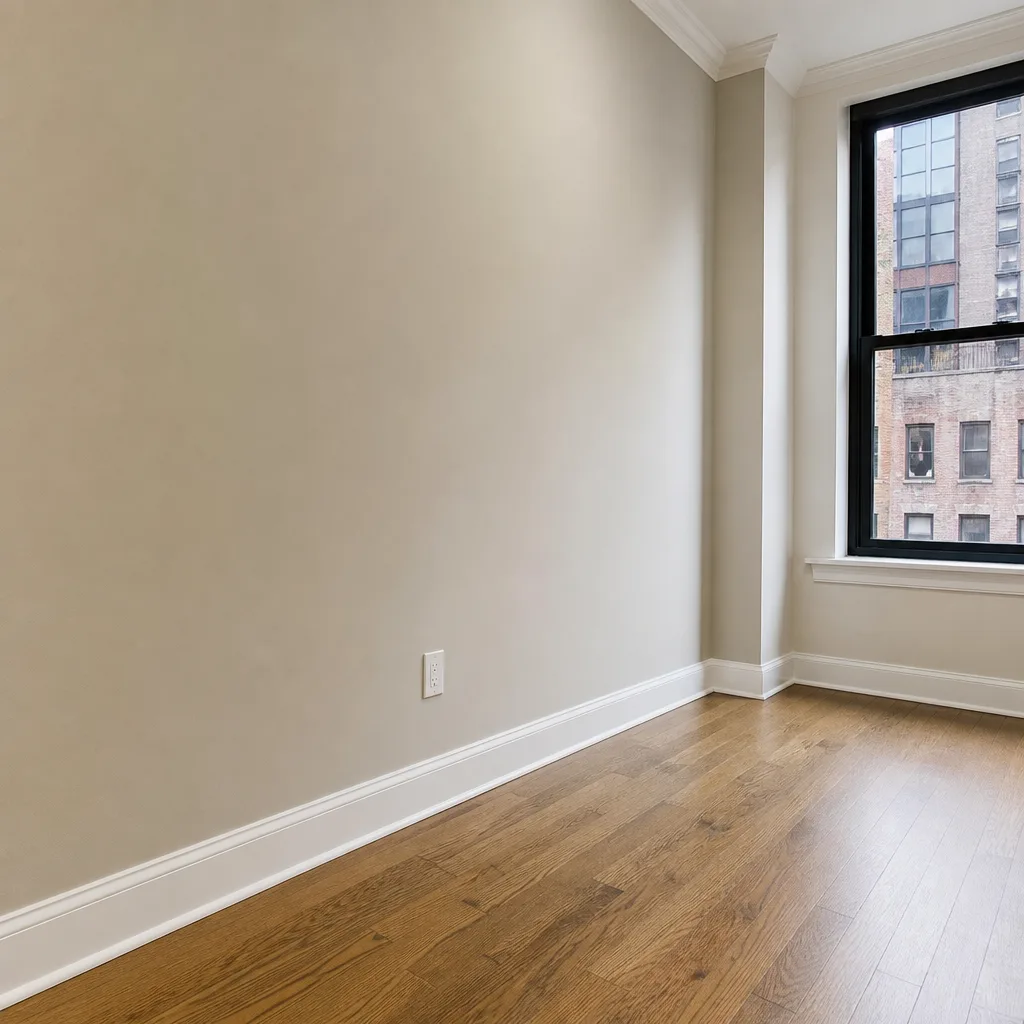 After
After24/7 Emergency Storm & Disaster Restoration in Washington Square
Storm damage in Washington Square moves fast, and the first hour usually decides whether you’re facing a cleanup or a rebuild. A live dispatcher answers at (518) 314-5660 around the clock, and a certified crew can be on-site within 45 minutes of your call. We start with a free visual inspection, figure out what the water or wind actually did, and get extraction and stabilization running the same visit. Wind-driven rain through a landmarked rowhouse roof, a combined sewer backup in a Greenwich Village basement, a tree limb through a slate overhang: we’ve handled all of it here.
Key Takeaways for Washington Square Property Owners
- Live dispatch answers 24/7; crews typically reach Washington Square within 45 minutes.
- Free visual inspection before any work is scoped or billed.
- Direct insurance billing with photo documentation from the first hour.
- One crew handles extraction, drying, and rebuild; no mid-job handoff.
- Landmarks Preservation Commission compliance is built into our process for protected row houses.
Understanding Storm & Disaster Restoration Severity in Washington Square Properties
Storm restoration in Washington Square is rarely a single-category job, because the water moving through these buildings often starts as clean rain and ends as something much worse. We classify water Category 1 (clean supply or rainwater), Category 2 (gray water with contaminants), and Category 3 (black water from combined sewer backups or ground surface flooding). The buried Minetta Brook beneath the Square means many basements here see Category 3 intrusion during heavy rain events, not the clean seepage homeowners expect. That changes the protocol: full containment, antimicrobial application, and structural drying with moisture mapping across lath-and-plaster assemblies rather than simple extraction.
Washington Square’s pre-Civil War brownstones compound the problem. Original horsehair plaster holds water differently than modern drywall; it wicks moisture into stud cavities and party walls for days after the visible standing water is gone. We track that migration with thermal imaging and daily hygrometer readings until the dry standard is met, not until the surface looks dry.
Why Washington Square Property Owners Choose Floodline Restoration Co.
- 45-minute response commitment: Dispatch is local to Washington Square, and the clock starts when you call. We don’t quote a window; we give you a time and show up.
- 24/7 live answer: A person picks up at two in the morning. Not a recording. Not a call center. A dispatcher who can put a crew in motion while you’re still on the line.
- IICRC-certified crews: Our technicians carry WRT (Water Damage Restoration Technician), FSRT (Fire & Smoke Restoration Technician), and AMRT (Applied Microbial Remediation Technician) certifications. Uniformed, background-checked, and trained on historic building stock.
- Free visual inspection: We walk the damage with you, explain what we’re seeing, and give you a written scope before any work begins. No pressure to sign.
- Direct insurance billing: We document everything from the first hour and send it straight to your carrier. You are never the messenger.
- One team from extraction to reconstruction: The same certified crew that pulls water from a Washington Square basement also rebuilds the wall. No handoff, no inherited workers, no lost context.
Our Storm & Disaster Restoration Process
Inspection & Assessment
We arrive, walk the property, and use thermal imaging and moisture meters to trace exactly where water has traveled. For Washington Square landmarks, we check the LPC designation status immediately, so restoration work never gets stalled by regulatory surprise.
Extraction & Stabilization
Pumps and extractors remove standing water. If the source is a Category 3 backup, we establish containment and begin antimicrobial treatment the same visit. The goal is to stop active migration through party walls and flooring.
Drying & Dehumidification
Dri-Eaz and Phoenix LGR dehumidifiers plus XPOWER air movers create airflow through wet cavities. We place Injectidry systems into wall and floor assemblies where horsehair plaster and old timber hold moisture deep.
Cleaning & Sanitization
We clean salvageable surfaces and remove unsalvageable materials. For historic rowhouses, that often means gypsum patching rather than wholesale replacement, preserving original plaster where structurally sound.
Landmark & Storm-Specific Treatment
For Washington Square structures, we coordinate LPC review before touching landmarked facades, slate roofs, or historic fabric. This includes facade tarping sequences that meet LPC standards and masonry shoring where needed.
Repairs & Restoration
Rebuild begins only after the dry standard is met and logs are complete. Same crew, same supervisors, same accountability. You get a written record of everything we did and why.
Need Emergency Storm & Disaster Restoration in Washington Square Now?
Crews minutes away, answering live 24 hours a day. The sooner we start, the less it costs.
Working With Your Insurance Company
Storm claims around Washington Square get scrutinized, especially when landmarked buildings are involved. We help from the first phone call. Our team documents the loss before we touch a wall, photographs every affected room, logs moisture readings floor by floor, and writes a line-item scope your adjuster can actually read. We talk to your carrier directly, and when the adjuster walks the property, our project lead walks it with them. You get a copy of everything.
We bill most carriers directly, which means you’re not fronting a deductible-sized check and waiting weeks for reimbursement. We’ve handled claims involving party wall water migration between Washington Square brownstones, slate roof wind damage on landmarked blocks, and basement sewer backups tied to Minetta Brook groundwater pressure. The documentation holds up because it’s built from day one, not assembled after the fact.
What We Provide Your Insurer
- Thorough documentation of the loss
- Photos of all damage, room by room
- Moisture readings and drying logs
- A detailed, line-item scope of work
- Direct coordination with your carrier
Built for Washington Square’s Loss Calendar
Washington Square doesn’t have a storm season so much as a storm calendar, and each month has its own failure mode. January and February bring deep freezes that burst cast-iron supply pipes in unheated rowhouse extensions, flooding basements through walls that no rain ever touched. March and April bring thaw and spring rain; the Minetta Brook watershed saturates the soil beneath the Square, and hydrostatic pressure pushes groundwater through foundation cracks in ways Midtown buildings on higher, drier ground never see. Summer brings the hard convective storms off the Atlantic: ninety-minute downpours that overwhelm the combined sewer system and send Category 3 water up through floor drains in lower-level units. Nor’easters arrive in fall, driving rain sideways into slate roofs and dormer flashings on Washington Square North’s 1830s row houses.
We plan our dispatch and equipment staging around this calendar. In the spring and summer months, our Washington Square response vans carry extra containment materials and antimicrobial treatments, because we know basement calls here lean Category 3. In winter, we pre-stage pipe repair fittings and freeze-thaw monitoring gear. The calendar tells us what to load; the phone tells us where to go.
Storm & Disaster Restoration Across Washington Square’s Neighborhoods
The blocks around the Square are not one building type, and our response route reflects that. Washington Square North, anchored by The Row from 1832 to 1833, is a line of landmarked Greek Revival townhouses with original slate roofing and shared party walls. Water that enters one of these buildings migrates horizontally; a roof breach at number 16 may show up as ceiling staining in number 18. We trace that path with moisture mapping before we cut anything open.
Washington Square South and the NYU-adjacent blocks hold converted academic buildings and former carriage houses. Many of these have had mechanical systems retrofitted through original walls; storm water follows the chase ways and pipe penetrations, creating damage patterns that don’t match the visible leak. The blocks west of the Square toward Sixth Avenue include narrower rowhouses with rear extensions, where basement stairwell drains clog during heavy rain and send water straight into kitchens and lower-floor units. East toward the Village, cast-iron supply lines in pre-war buildings fail at the fittings during freeze events. Each zone has a signature loss pattern, and our crews know them by address block.
Specialized Storm & Disaster Restoration Services We Offer in Washington Square
Storm Damage Cleanup
Wind and rain tear through the Village’s mature street trees, and limbs land on roofs, skylights, and rear decks. We clear debris, tarp breaches, and extract what the opening let in. On landmarked facades, we use LPC-compliant tarping methods that protect the building without damaging historic masonry or woodwork. If a stop-work order is a risk, we already have the LPC application drafted before the first nail goes in.
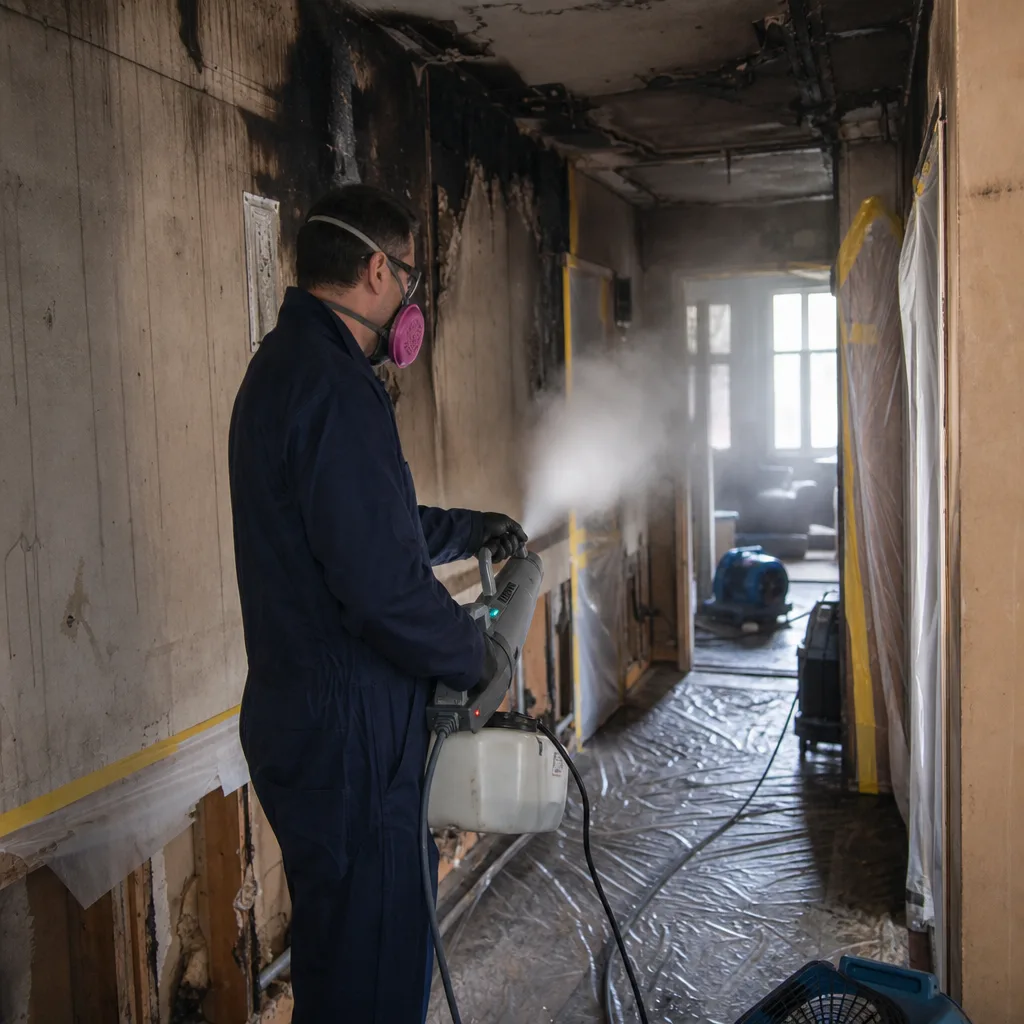
Flood Damage Restoration
Basement flooding in Washington Square is not like basement flooding elsewhere in Manhattan. The Minetta Brook still flows beneath these streets, and during heavy rain the water table rises close to foundation level. We extract, contain, treat, and dry with the assumption that the water is Category 3 until testing tells us otherwise. That means antimicrobial application before drying begins, and daily moisture logs until the structure hits the dry standard.
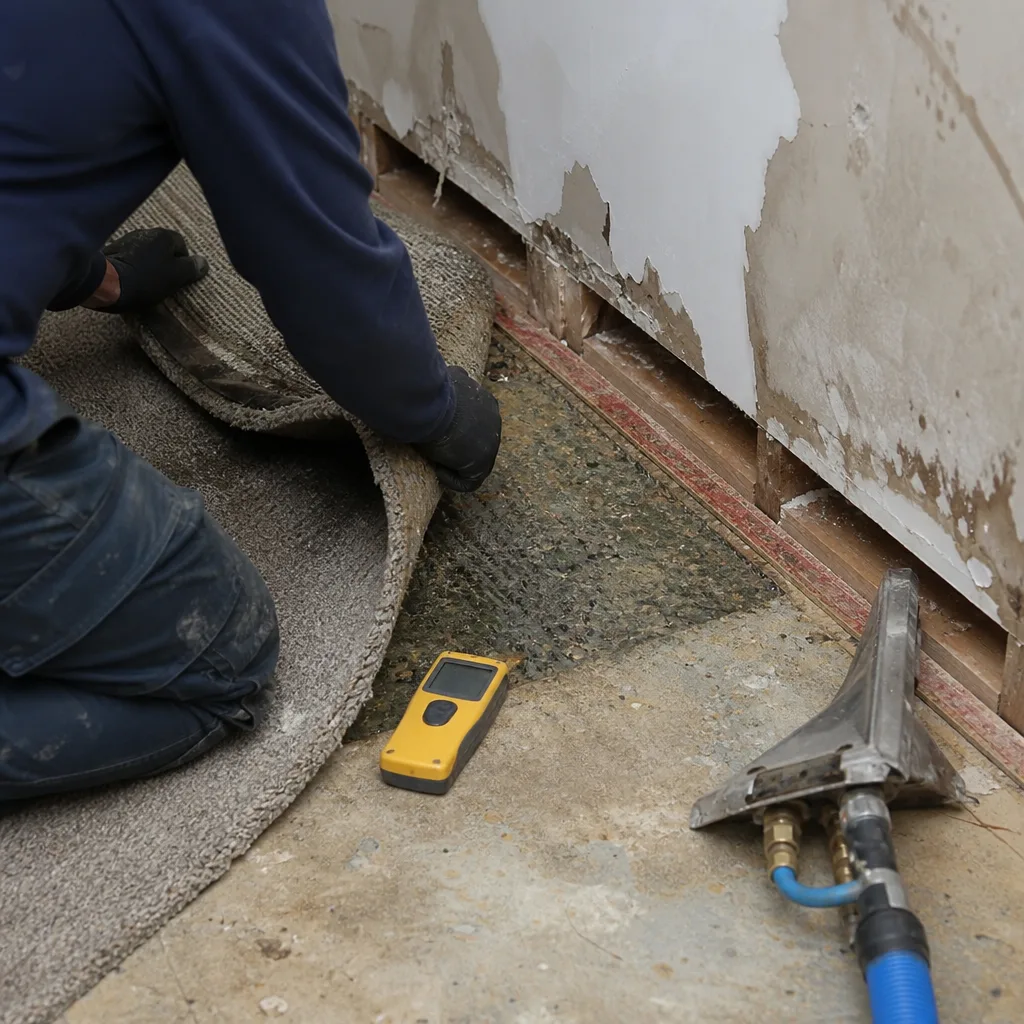
Emergency Board-Up
A broken window on a Washington Square North rowhouse is more than glass: it’s an open path for rain, pigeons, and the next storm. We board up with materials and methods that meet LPC requirements for landmarked structures. The board-up is temporary but secure, and we schedule the real repair with the LPC calendar in mind. You shouldn’t have to choose between a building violation and a boarded-over window for six months. We sequence it so you don’t.
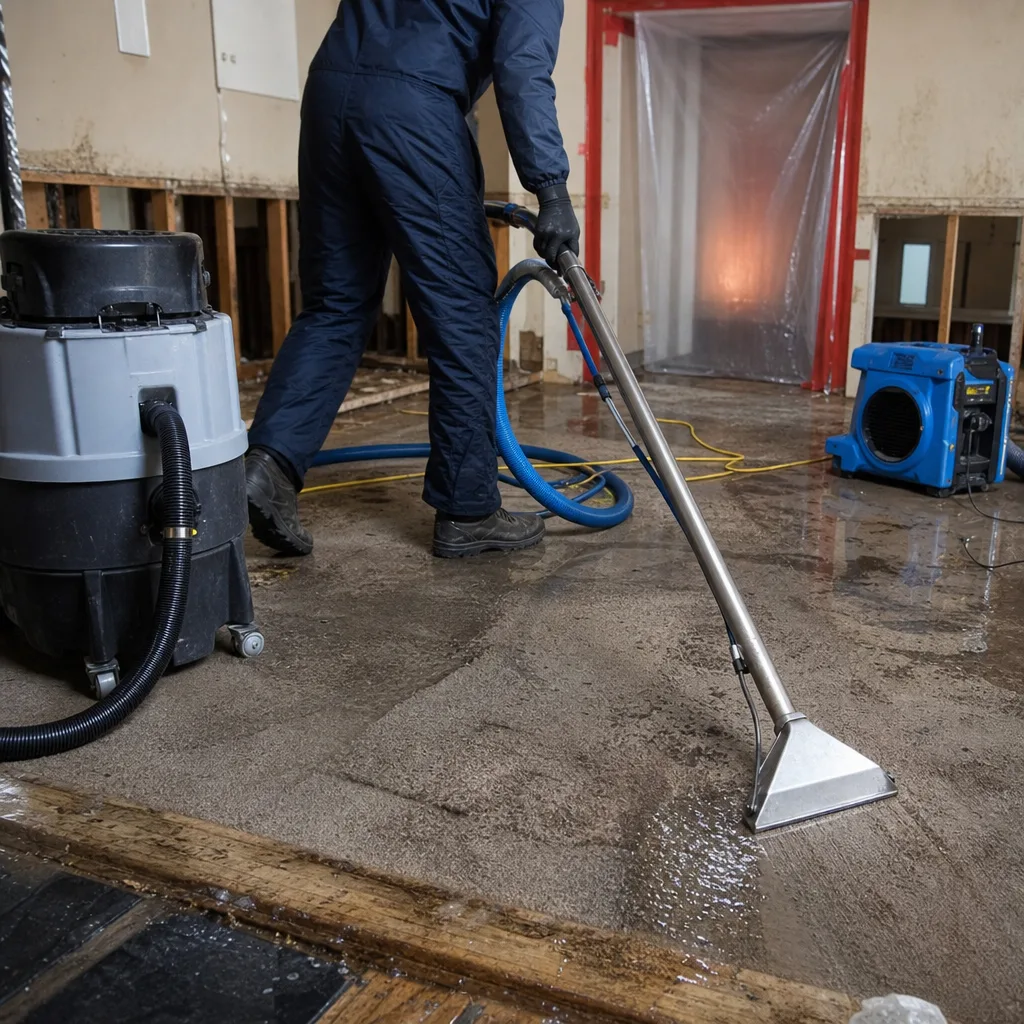
Roof Tarping
Slate roofs on pre-Civil War rowhouses can’t be tarped like suburban asphalt shingle. The weight, the slope, and the historic material all change the approach. We use low-impact anchor points and breathable membranes that won’t trap moisture against the slate. The tarp buys you time; the LPC filing we start concurrently buys you a permit that actually moves.
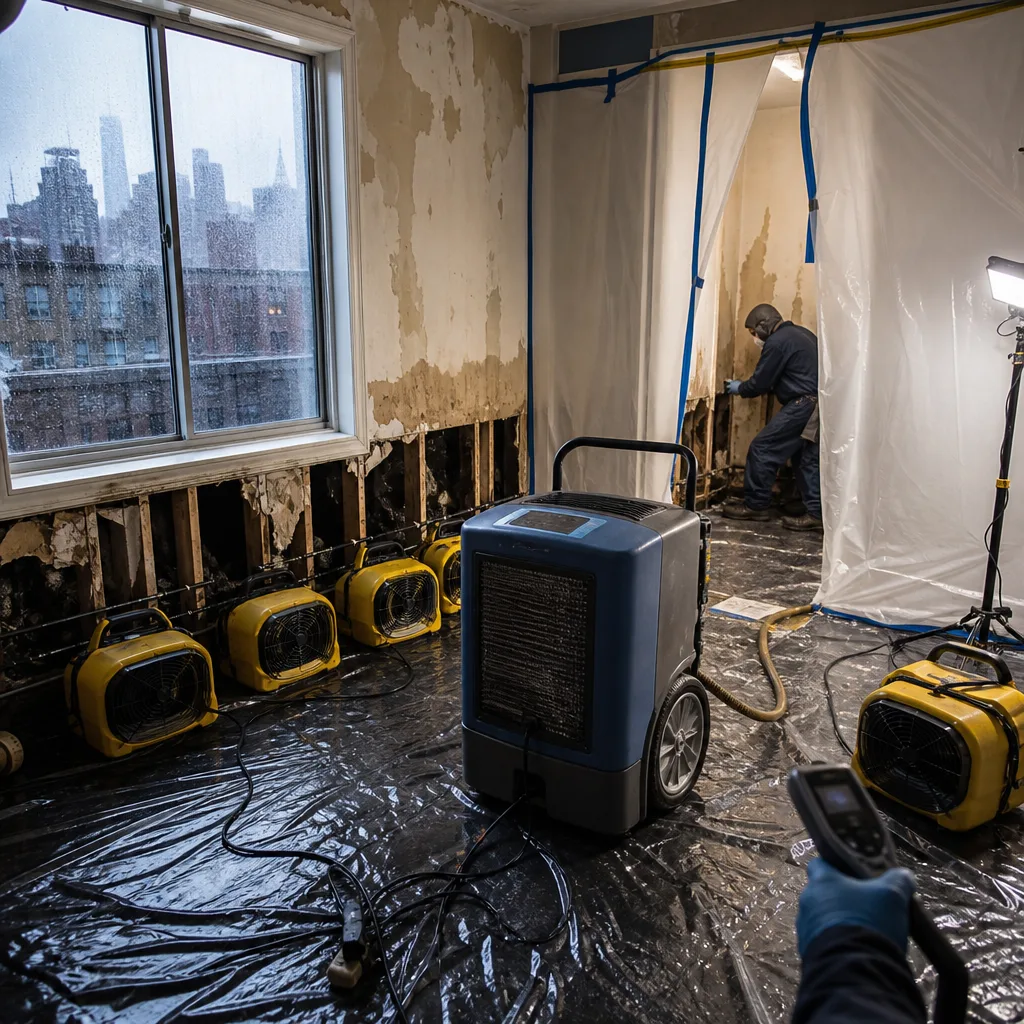
Debris Removal
Downed limbs, blown-in glass, saturated ceiling sections, street debris pushed into basement wells. We remove it, sort what’s salvageable from what’s contaminated, and haul it properly. If the debris includes materials that touched Category 3 water, disposal follows biohazard protocol, not general waste. That matters for your health and your insurer’s documentation.
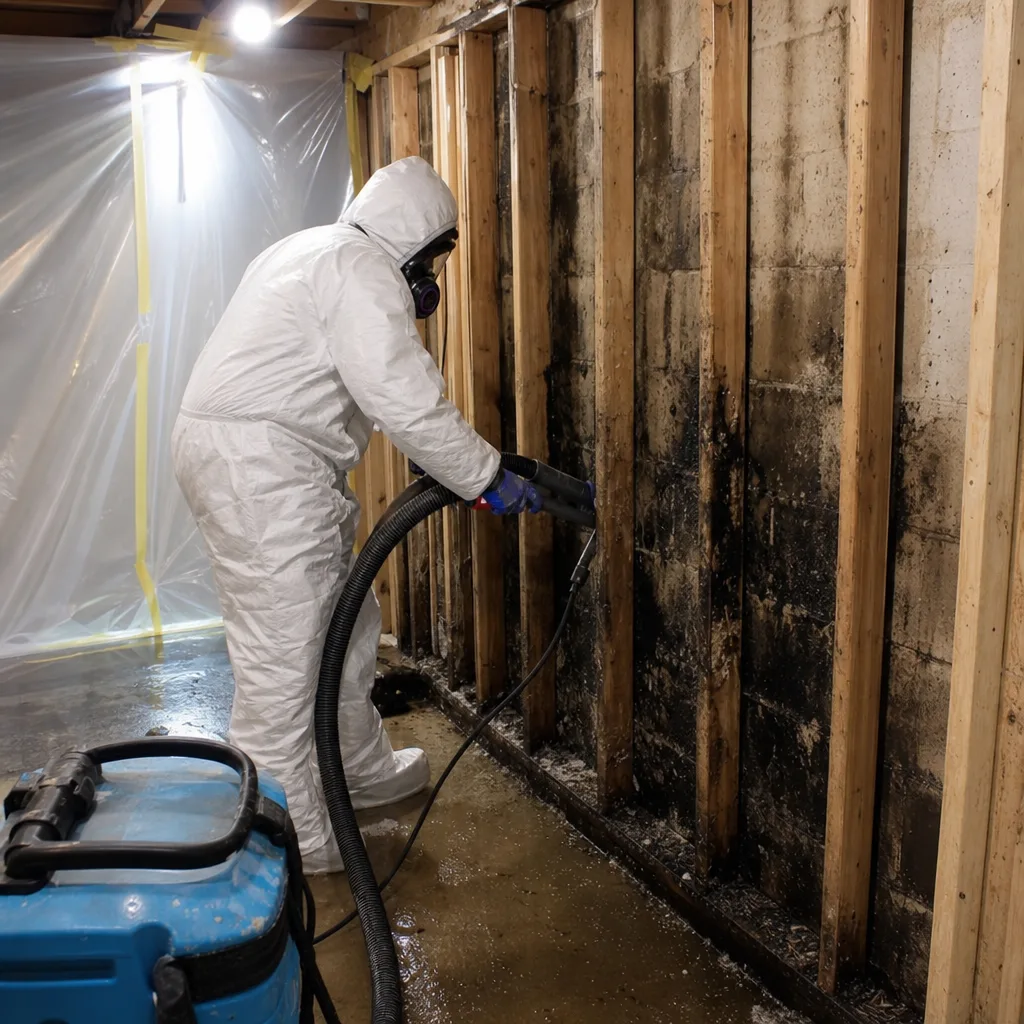
What happens when you call
- 1
A real person answersNo phone trees - you reach a local pro.
- 2
You get an upfront price rangeHonest numbers before anyone is dispatched.
- 3
A background-checked tech heads outLicensed & insured, dispatched right away.
- 4
You approve before work beginsNothing starts until you say go.
Storm & Disaster Restoration Costs in Washington Square, NY
Storm restoration costs in Washington Square run higher than the metro average for two reasons: landmark compliance and building age. A basement flood extraction from a Category 3 event in a typical Washington Square brownstone runs $2,500 to $6,500, including containment, antimicrobial treatment, and initial drying. Full structural drying with daily monitoring adds $1,000 to $3,000. Roof tarping on a slate rowhouse runs $800 to $1,800, depending on roof pitch and LPC requirements. Emergency board-up runs $400 to $1,200 per opening. Full restoration after a major storm, including plaster repair, flooring replacement, and paint, runs $15,000 to $45,000, with the top end reserved for work on landmarked facades or buildings with extensive party wall migration.
What moves the price: whether the water is Category 1 or Category 3, whether LPC review is triggered, how much original horsehair plaster is involved, and whether the damage crossed a party wall into a neighbor’s unit. Homeowners sometimes overpay by treating a sewer backup as clean water because a contractor didn’t know the difference. We write the category into the scope so you and your insurer both know what you’re paying for.
The free visual inspection is exactly that: free. We walk it, we explain what we see, we give you a written scope. Estimates are free. Call (518) 314-5660 and we’ll tell you exactly what it’ll cost before you sign anything.
We Also Serve Cities Near Washington Square
Our crews regularly respond across the surrounding Manhattan grid. We serve Washington Square as part of a local response network that includes Midtown Manhattan, Midtown West, Murray Hill, and Upper Manhattan. The same certified technicians, same equipment, same 24/7 live dispatch cover all of these neighborhoods.
Serving Washington Square, NY - Our Local Coverage Area
We’re based in the Washington Square area and know this community well. Use the map below to see our service coverage - if you’re nearby, we can almost certainly help.
Washington Square Storm & Disaster Restoration Questions, Answered
Does emergency board-up on a Washington Square North rowhouse require Landmarks Preservation Commission approval?
In most cases, emergency stabilization like board-up and tarping can proceed immediately to protect life and property, but the LPC still requires an application filed promptly for any work on a landmarked facade. We file that paperwork for you, often the same day we do the board-up, so you won’t face a stop-work order weeks later. The LPC’s Individual Landmarks list includes much of Washington Square North, and the Greenwich Village Historic District covers the broader area. If you’re not sure whether your building is designated, call (518) 314-5660 and we’ll check before we touch anything.
What’s different about basement flooding around Washington Square compared to other Manhattan neighborhoods?
The buried Minetta Brook runs directly beneath this area, creating hydrostatic pressure that pushes groundwater into basements during heavy rain. That means water can enter through walls and floors even when no visible leak exists. In most Manhattan neighborhoods, a flooded basement during a storm means a drain backup or a roof issue. Here, it often means the water table itself rose high enough to force water through foundation cracks. We treat Washington Square basement flooding as potentially Category 3 by default and design extraction and drying differently than we would in, say, Murray Hill.
Can you dry original horsehair plaster walls after storm-driven water migration through a party wall?
Yes, in most cases. Horsehair plaster wicks water slowly and holds it deep, but it can be dried if we catch the migration early enough. We inject air paths behind the plaster using Injectidry systems and monitor with daily hygrometer readings to confirm the assembly has reached the dry standard before we close anything up. Sometimes the plaster must be removed if it has delaminated from its lath or if Category 3 contamination penetrated the full thickness. We’ll show you the moisture readings and tell you straight what’s salvageable and what isn’t.
How does the Minetta Brook affect storm-water extraction in Washington Square basements?
The Brook keeps the water table here higher than the surrounding terrain, which means extraction takes longer and must be paired with waterproofing considerations. If we just pump out the water and set fans, the groundwater pressure will often push a second wave in within days. We sequence the extraction with sub-slab drainage assessment and exterior grade review, because the water isn’t coming from one event; it’s coming from a persistent underground source. That’s why Washington Square basements flooded by Minetta Brook pressure need a different drying timeline than basements in Midtown West.
What happens if a storm damages a slate roof on a landmarked Washington Square building?
We tarp first using LPC-compliant methods, then file the LPC application for the repair. Slate roofs on landmarked buildings typically require replacement in kind, which means matching the original material, color, and installation method. We have roofers who work with historic slate and understand the LPC’s application process. The tarp buys you time while the application moves through review, and the board-up or tarp itself is documented as emergency stabilization so it’s clearly separated from the permanent repair in the insurer’s eyes.
How fast can you actually get to a Washington Square storm emergency?
Typically within 45 minutes of your call. Our dispatch desk is live 24 hours a day, and Washington Square is inside our primary response zone. The truck that arrives will be stocked for this neighborhood’s specific failure modes: extra containment for Category 3 basement water, LPC-compliant tarping materials for slate roofs, and moisture-mapping gear calibrated for horsehair plaster assemblies. You’re not waiting for a crew from New Jersey to navigate the Village.
Do I really need full restoration or just a cleaning after storm water entered my Washington Square apartment?
That depends on the water category and how far it traveled. If clean rainwater came through a window and pooled on a tile floor, you might get away with extraction, drying, and cleaning. If combined sewer water backed up through a floor drain, or if the water sat in a lath-and-plaster wall for more than 24 hours, full remediation is necessary to prevent mold and structural rot. We’ll tell you which situation you have during the free inspection, and we’ll show you the moisture readings to back it up. You won’t pay for work that isn’t needed, and you won’t skip work that is.
Who deals with my insurance adjuster after a Washington Square storm claim?
We do. Your project lead meets the adjuster on-site, walks the damage with them, and provides the moisture logs, photos, and line-item scope the carrier needs. We bill directly in most cases, so you’re not fronting money and waiting for reimbursement. If the claim involves a party wall with a neighbor, we document both sides and coordinate with both carriers. You get copies of everything we send. Call (518) 314-5660 and we’ll start the claim documentation the same hour we arrive.
Written by Curt Bowman, Owner at Floodline Restoration Co. Our Storm & Disaster Restoration team serves Washington Square with certified crews, landmark-compliant methods, and the 90-Day Done Right Promise on every job.