
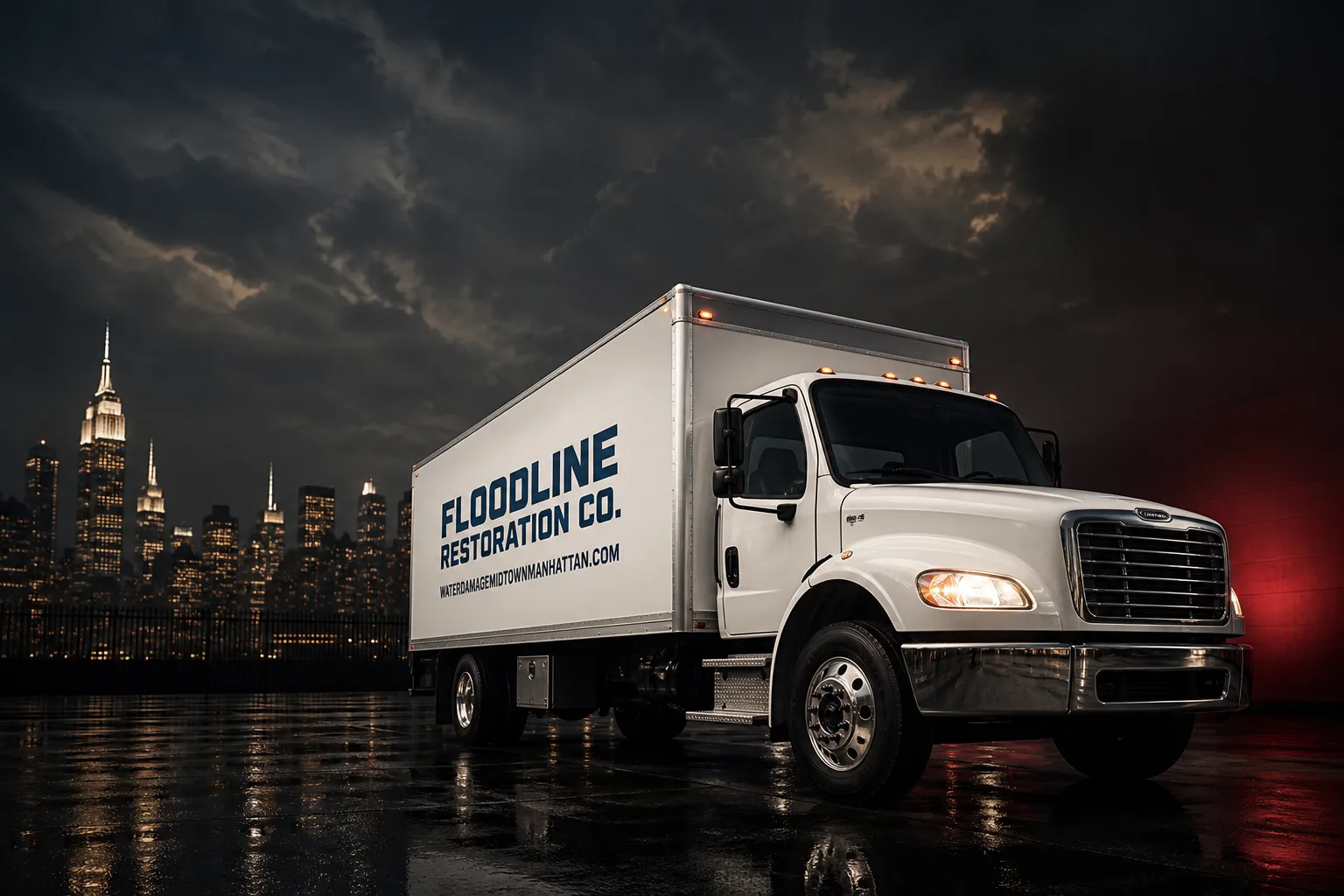
Free visual inspection and a written scope of work before any mitigation begins - photos, moisture readings, and drying logs go in your claim file
The scope we write is the scope we bill. Anything new gets shown to you, in writing, before we touch it.
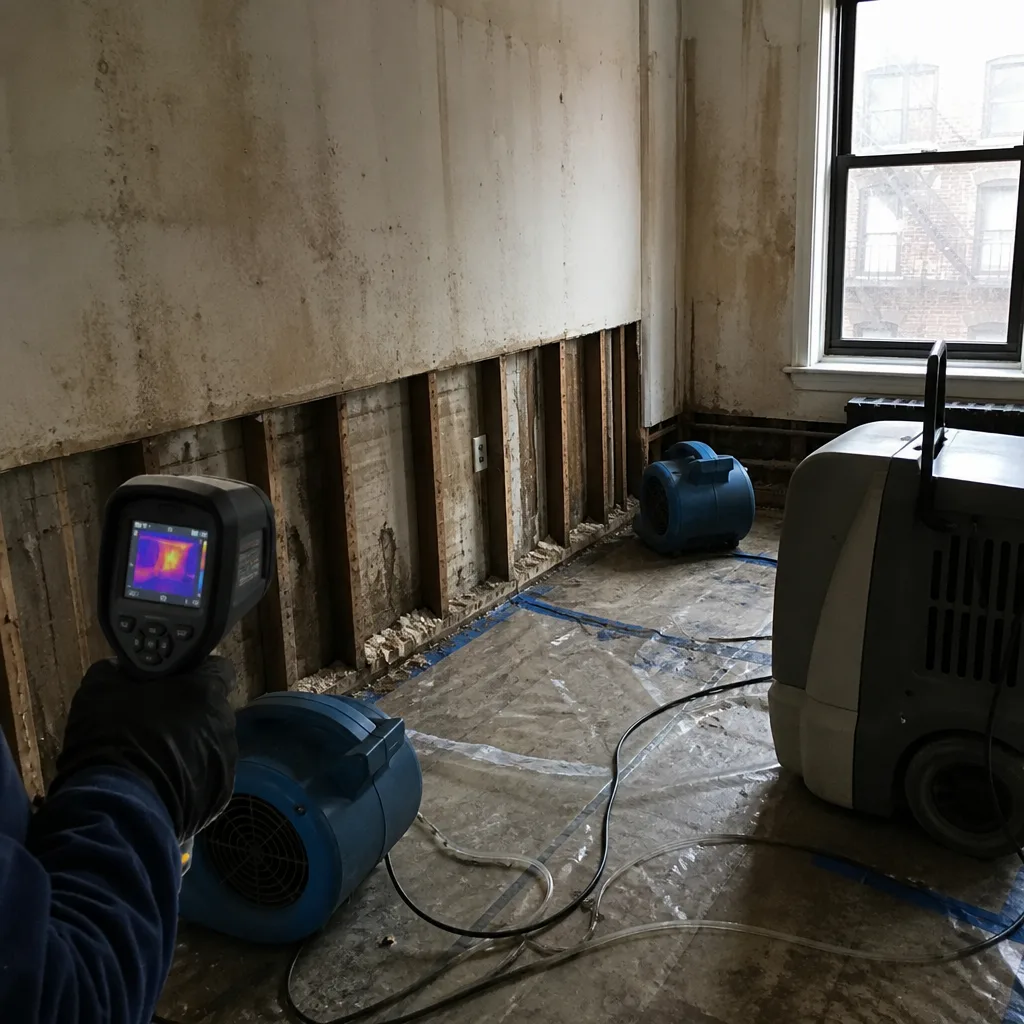 Before
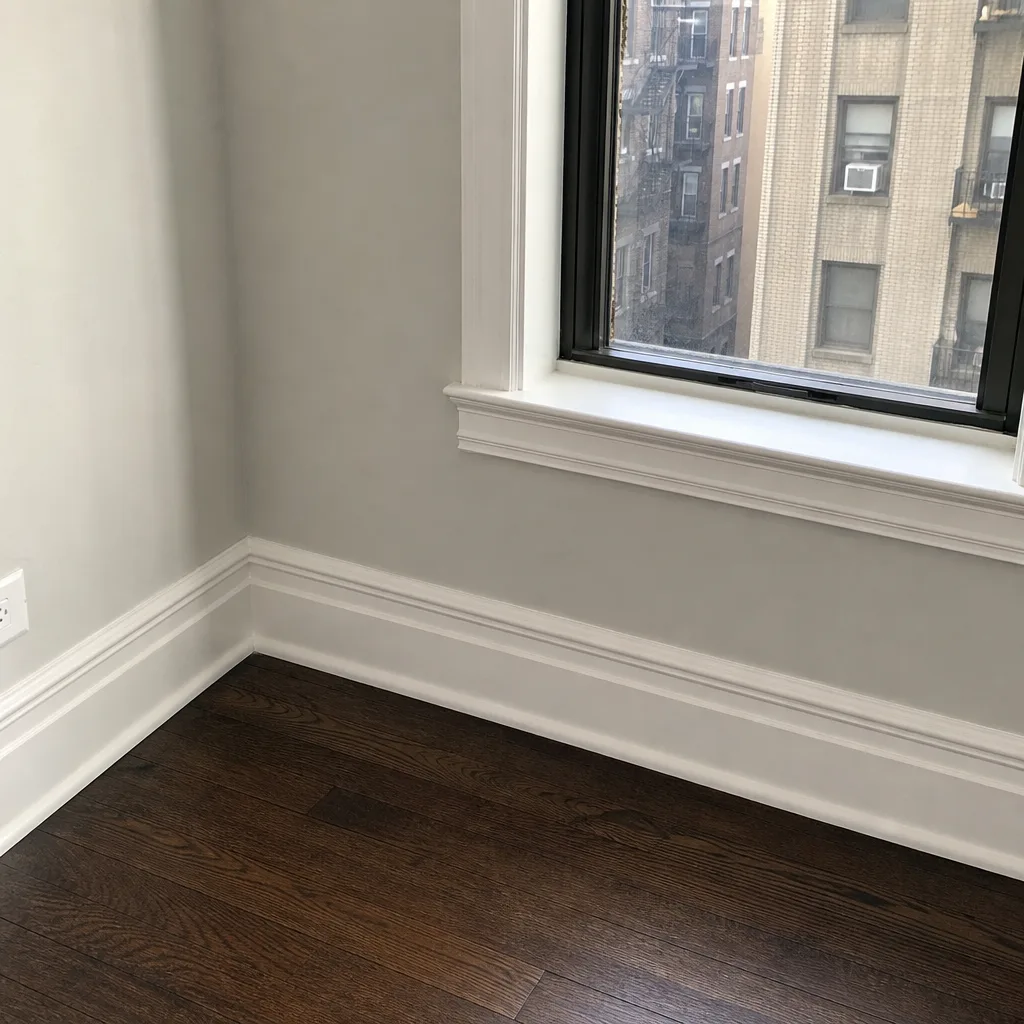 After
After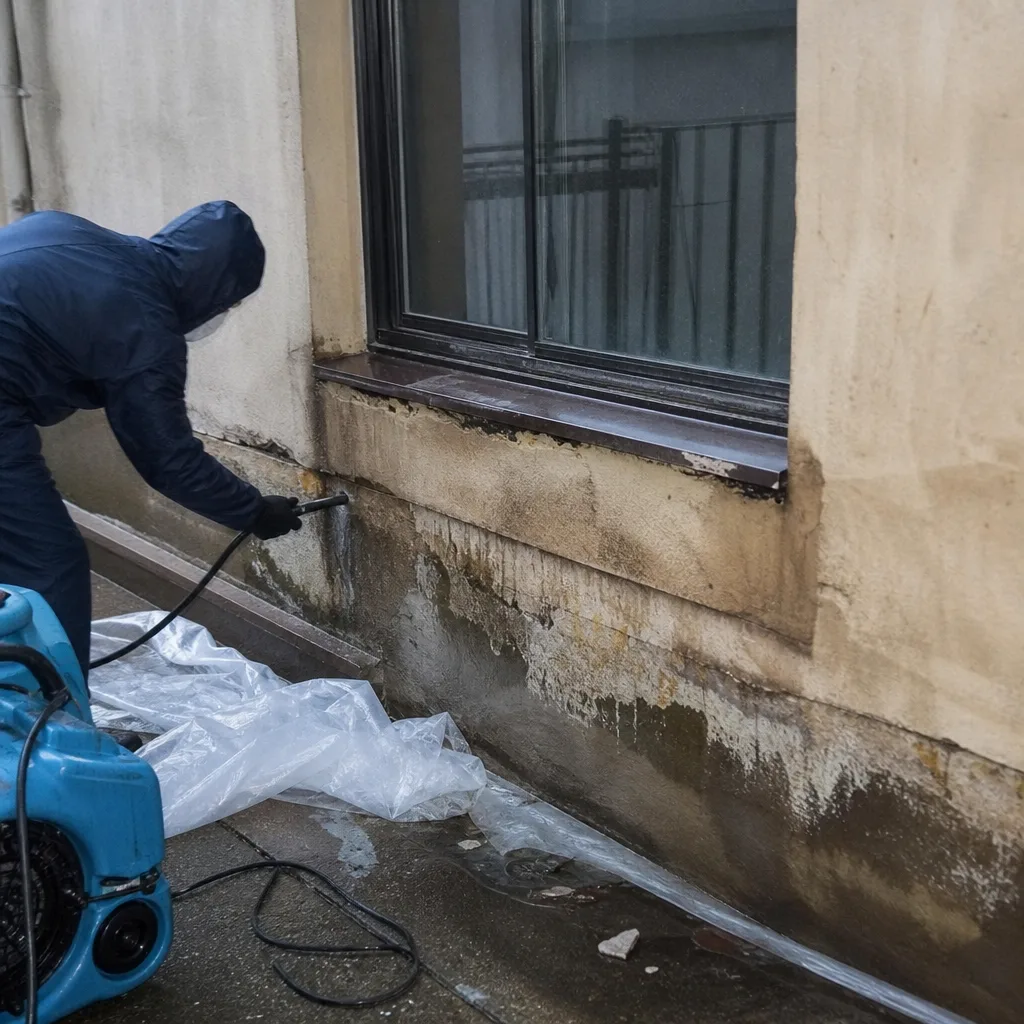 Before
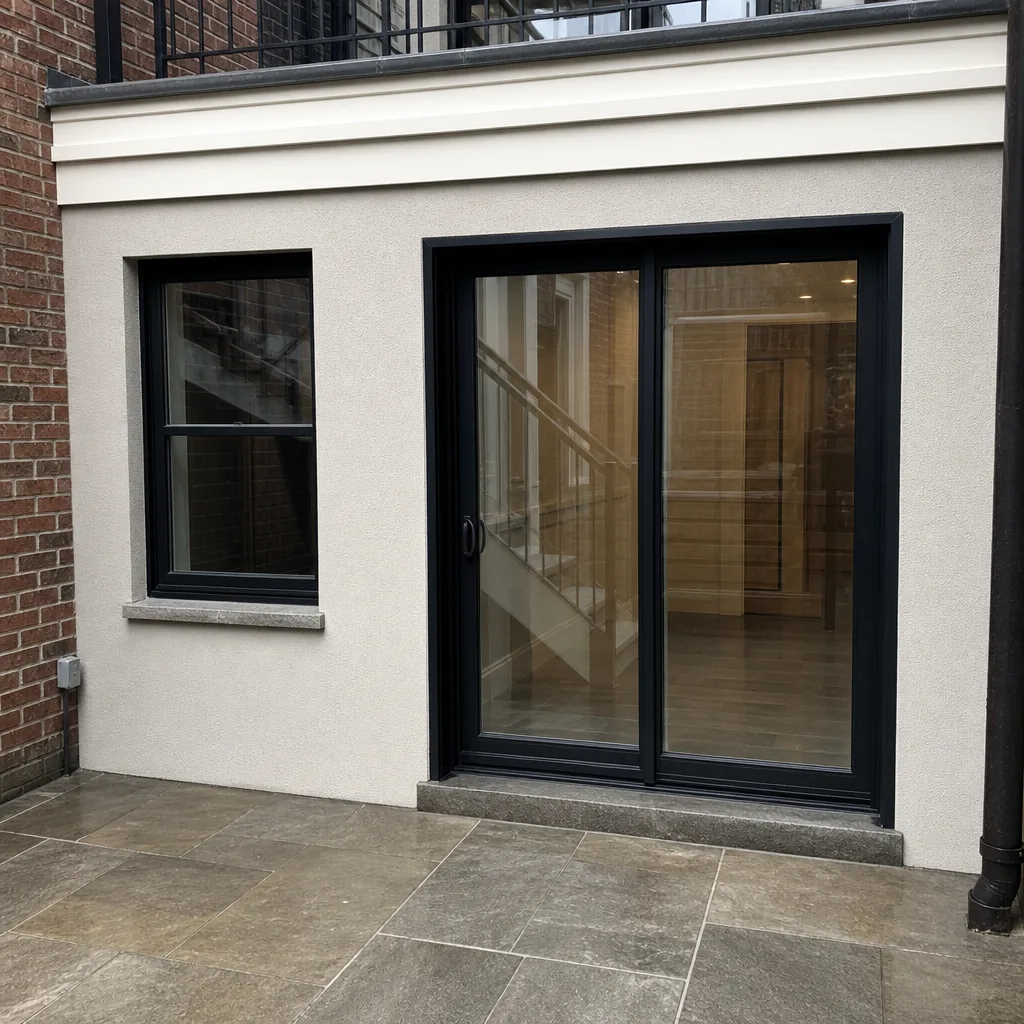 After
After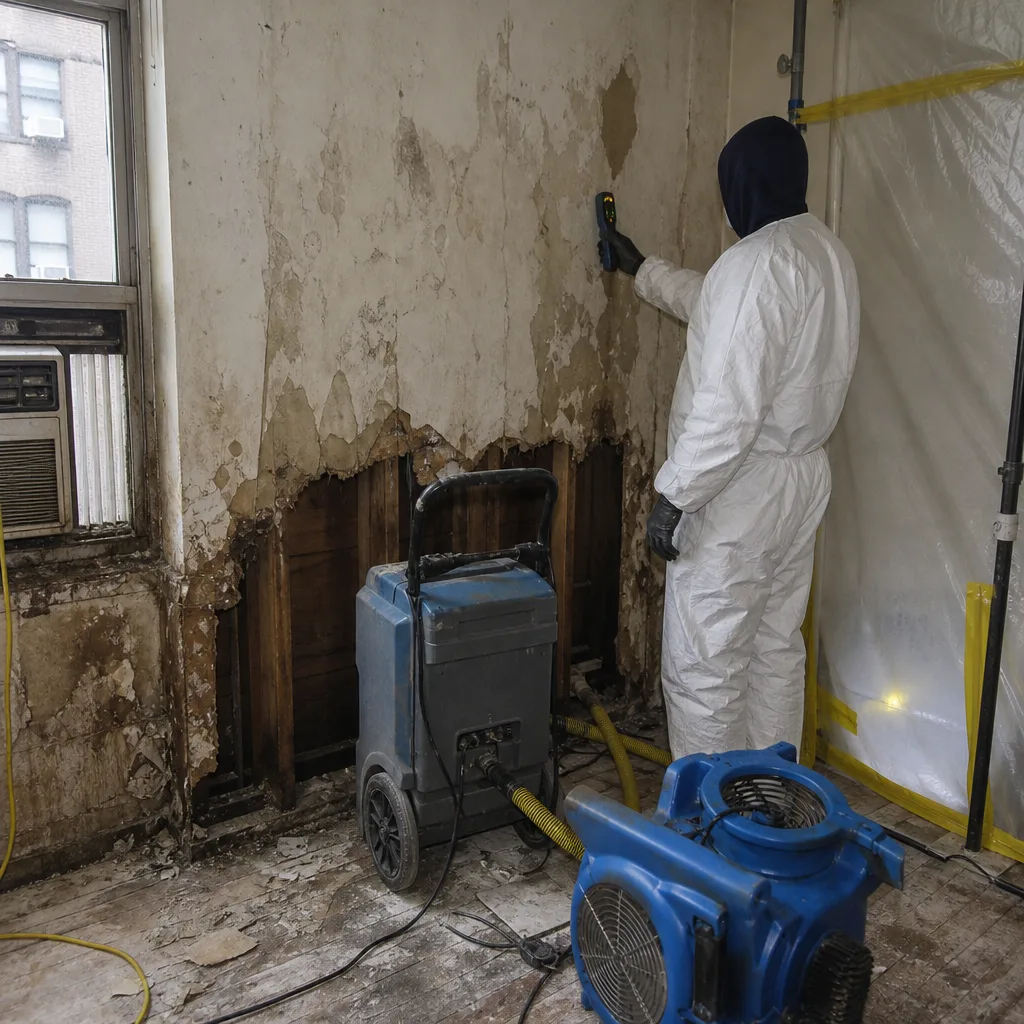 Before
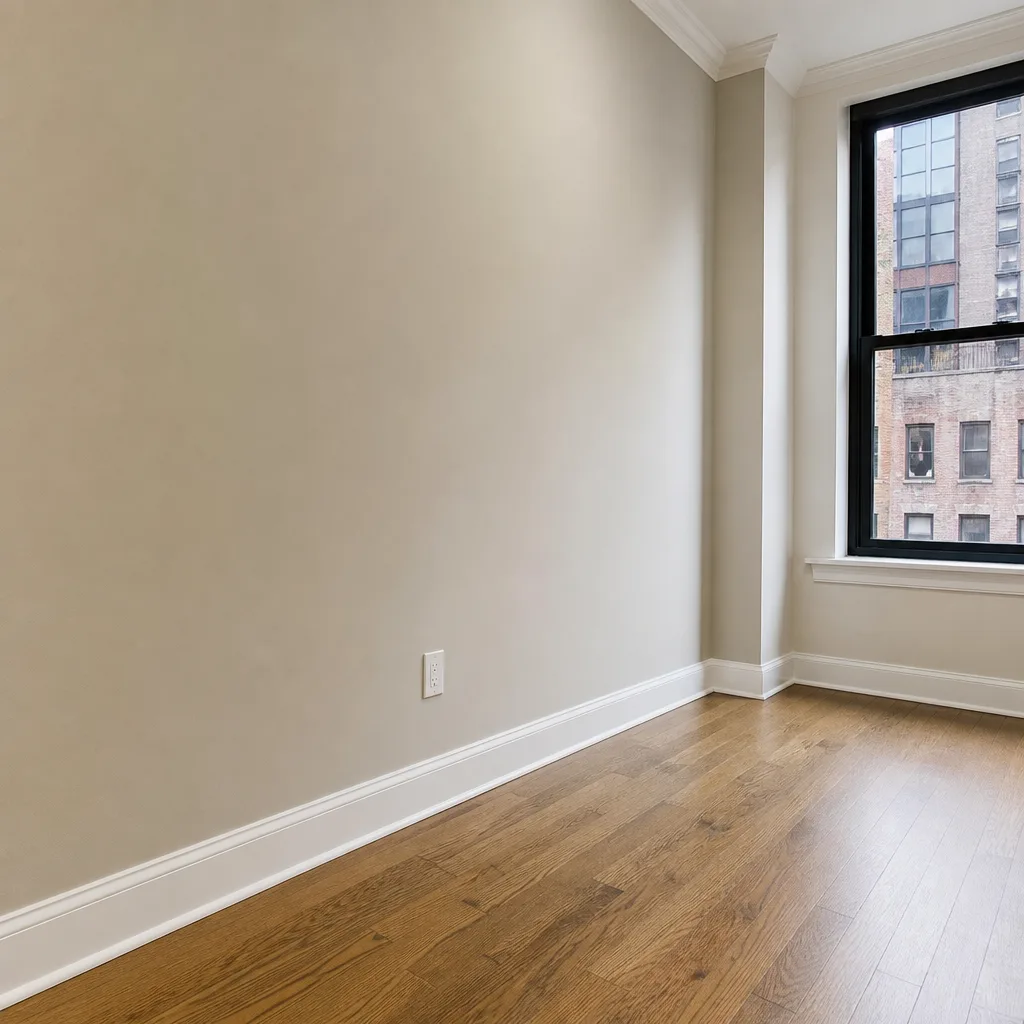 After
After24/7 Emergency Storm & Disaster Restoration in Upper East Side
Storm damage on the Upper East Side moves fast. A failed riser joint in a 1920s co-op sends water through seven apartments before the super can locate the shutoff. A nor’easter drives water under terrace doors and across herringbone parquet. When you call (518) 314-5660, a live dispatcher answers immediately, day or night. That person locates a crew already working the Upper East Side and gets them to your building, usually within the hour. The first sixty minutes determine whether original plaster ceilings dry in place or become a rip-out. We arrive with professional-grade Dri-Eaz and Phoenix equipment, set containment, and start extraction on that first visit. The initial visual inspection is free, and you’ll have a written scope before any reconstruction work begins.
Understanding Storm & Disaster Restoration Severity in Upper East Side Properties
Not all storm water is the same. Category 1 water comes from a clean source like a supply line. Category 2 carries contaminants: a failed galvanized riser, a roof drain backing up, a window well overflowing with street runoff. Category 3 is black water, the East River surge or sewage that flooded basement cellars along York Avenue and East End Avenue during Sandy and is always a possibility in any future storm-tide event on this side of Manhattan. Upper East Side building stock makes the equation harder. Pre-war plaster-on-lath construction absorbs water differently than modern drywall. Original cast-iron drain stacks, some dating to 1910, fail at joints under freeze-thaw stress. The result is grey or black water moving vertically through stacked apartments, saturating plaster-relief ceiling medallions and built-in millwork in six to ten units at once. Our Storm & Disaster Restoration team moisture-maps every affected surface, establishes a baseline before drying begins, and logs daily readings until the wood, plaster, and masonry hit dry standard. In Carnegie Hill brownstones, the concern is different: a single roof or parapet leak can wick through century-old brick mass walls and produce hidden mold behind baseboards weeks after the visible water is gone.
Why Upper East Side Property Owners Choose Floodline Restoration Co.
- 45-minute response commitment: We don’t put you on a callback list. A live person answers, a crew is located, and we’re en route inside the Upper East Side. Extraction starts the same visit.
- 24/7 live answer, never an automated system: At 2 a.m., a dispatcher picks up. Not a recording. That matters when a ceiling has just come down in a Park Avenue co-op and water is still moving.
- IICRC-certified crews: Our technicians carry WRT (Water Damage Restoration), FSRT (Fire & Smoke Restoration), and AMRT (Applied Microbial Remediation) certifications. RIA and IFA training sit behind the code book.
- Free visual inspection: We assess the loss, establish the water category, and tell you plainly whether this is an extraction-and-dry or a full restoration. No charge, no pressure.
- Direct insurance billing: We bill the carrier directly and handle the adjuster. You don’t play messenger between our crew and the insurance company.
- One team from extraction to reconstruction: The same certified people who pull the water and dry the structure are the ones who rebuild it. No mid-job handoff to a crew you’ve never met.
Our Storm & Disaster Restoration Process
Inspection & Assessment
We locate the source, classify the water category, and document everything. Thermal imaging finds moisture behind plaster walls that look dry on the surface. Photos go to you and, with your approval, to your insurer.
Extraction & Stabilization
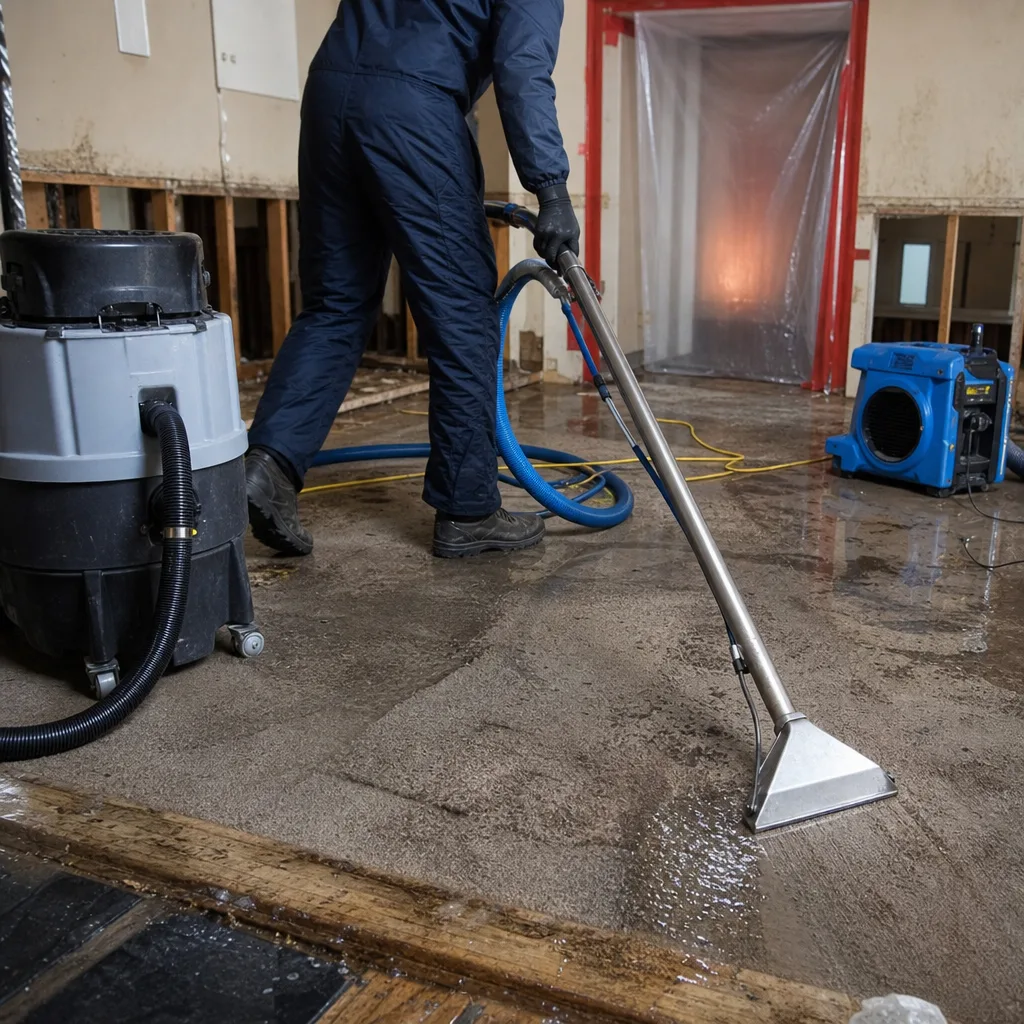
Standing water comes out with truck-mounted and portable extractors. We set up containment to stop contaminated air from moving into clean rooms. If roof damage caused the intrusion, we coordinate tarping or emergency board-up immediately.
Drying & Dehumidification
Air movers and low-grain refrigerant dehumidifiers are positioned based on the moisture map, not guesswork. Injectidry floor-drying mats pull water from beneath herringbone parquet without tearing it up. Daily readings are logged until every material hits dry standard.
Cleaning & Sanitization
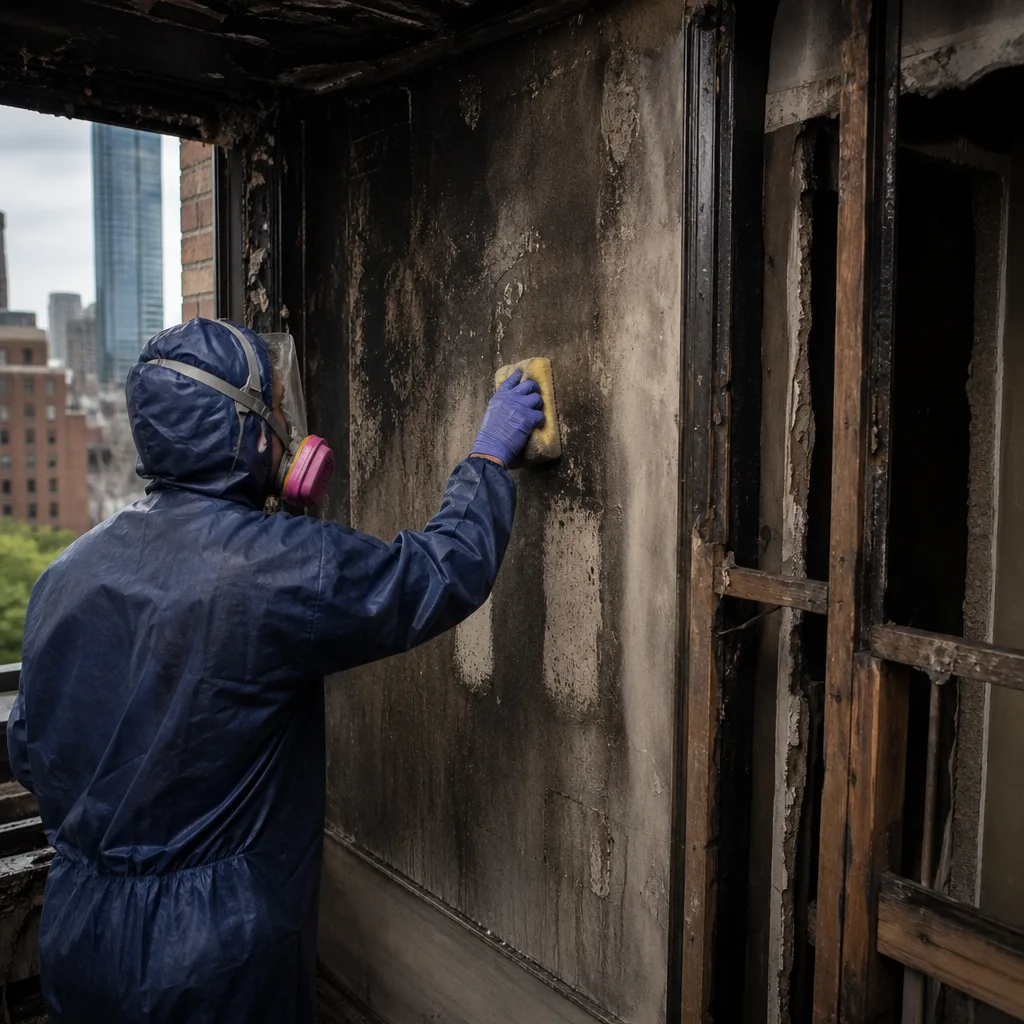
Affected surfaces are cleaned and treated with antimicrobials appropriate to the water category. HEPA air scrubbers run throughout, capturing spores and particulates so they don’t settle into soft goods or HVAC systems.
Specialty Treatment for Storm Damage
Roof flashing, tarped openings, and masonry ties get assessed for hidden damage. We check for moisture migration through party walls and vertical chases, because storm water in pre-war buildings rarely stays in the apartment where it entered.
Repairs & Restoration
Plaster repairs, parquet refinishing, crown molding matching, and repainting. If structural drying succeeded, much of the original material stays in place. If not, we rebuild to match the pre-loss condition, including millwork and plaster medallions.
Need Emergency Storm & Disaster Restoration in Upper East Side Now?
Crews minutes away, answering live 24 hours a day. The sooner we start, the less it costs.
Working With Your Insurance Company
Storm damage claims on the Upper East Side involve a specific kind of scrutiny. Adjusters want to see proof that structural drying actually returned plaster ceilings and parquet floors to pre-loss condition, not just that fans ran for three days. We document from the first hour: photos of every affected room, moisture readings before and during drying, a line-item scope of work, and final clearance readings. Our team communicates directly with your adjuster, so you’re not the one explaining why a 1920s plaster ceiling requires different treatment than a drywall ceiling in a new condo tower. Curated Bowman, who founded Floodline Restoration Co. in 2010, built the company around the principle that homeowners should never carry information back and forth between contractor and carrier.
What We Provide Your Insurer
- Thorough documentation of the loss
- Photos of all damage, room by room
- Moisture readings and drying logs
- A detailed, line-item scope of work
- Direct coordination with your carrier
Built for Upper East Side’s Loss Calendar
Upper East Side storm losses follow a predictable rhythm. January and February bring deep freezes that stress original galvanized and early copper supply risers in buildings from 1900 to 1955. A hairline crack becomes a full rupture, and water travels down through stacked apartments along Fifth, Park, and Madison Avenue. March and April thaw the exterior masonry, and nor’easter rains find every compromised roof flashing and parapet cap. July and August thunderstorms overwhelm aging roof drains on pre-war buildings, pushing water sideways into top-floor units. Hurricane season runs through late fall. The blocks closest to the East River, particularly along York Avenue and East End Avenue, remain the most exposure-prone corridor on this side of Manhattan. Sandy’s 2012 surge flooded basement cellars there, and any future storm-tide event would follow the same path. Being prepared means having a restoration company that understands both the weather and the building stock. Floodline Restoration Co. serves the Upper East Side year-round from our New York City dispatch office.
Storm & Disaster Restoration Across Upper East Side’s Neighborhoods
The Upper East Side is not one building type. It is a patchwork of co-ops, rentals, and townhouses, each responding to water differently. Along Fifth Avenue and Park Avenue, the landmark co-ops built between 1910 and the 1930s have original cast-iron drain stacks and plaster medallion ceilings. Water events there are rarely single-apartment events. They cascade. In Carnegie Hill, century-old brownstones with basement-to-roof moisture pathways demand drying strategies that account for brick mass walls, not just interior finishes. Yorkville, east of Lexington, mixes pre-war walk-ups with newer conversions where Sheetrock meets plaster in unpredictable combinations. East End Avenue buildings sit closest to the river, and their basements take the brunt of surge events. Response routes follow: a crew dispatched to a 1915 Park Avenue co-op moves through Central Park transverses and Fifth Avenue corridors, while a Yorkville call might come in from a super managing four buildings on 87th Street. Each route changes the equipment we stage and the containment plan we start with.
Specialized Storm & Disaster Restoration Services We Offer in Upper East Side
Flood Damage Restoration
Storm flooding in Upper East Side buildings often arrives as grey water from failed riser joints, window well overflows, or roof drain backups. Category 2 demands antimicrobial treatment after extraction. Category 3, from river surge or sewage, requires full containment, disposal of porous materials, and aggressive structural drying. We classify water correctly before touching a wall.
Emergency Board-Up
Broken windows from wind-thrown debris or pressure changes leave pre-war apartments exposed to rain, theft, and further damage. We board and secure openings to code, using fasteners that won’t worsen damage to original wood window frames. Board-up on a landmark building must not alter the facade permanently, so we use methods that come off clean after repairs.
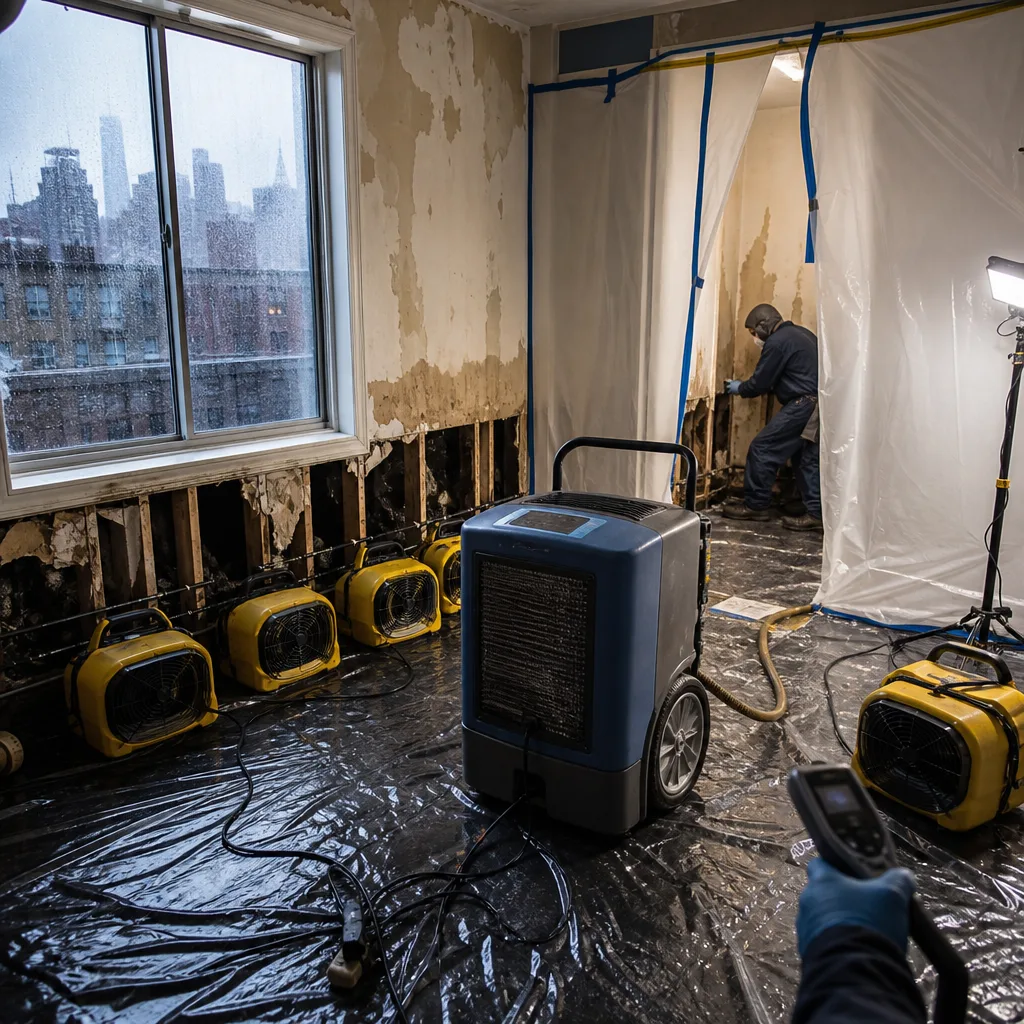
Roof Tarping
A tree limb or wind-lifted flashing on a Carnegie Hill townhouse roof lets water into top-floor rooms within minutes. Our crews tarp openings quickly, sealing the building envelope until permanent roof repair happens. On Upper East Side co-ops, roof access often requires building staff coordination, which we handle directly.
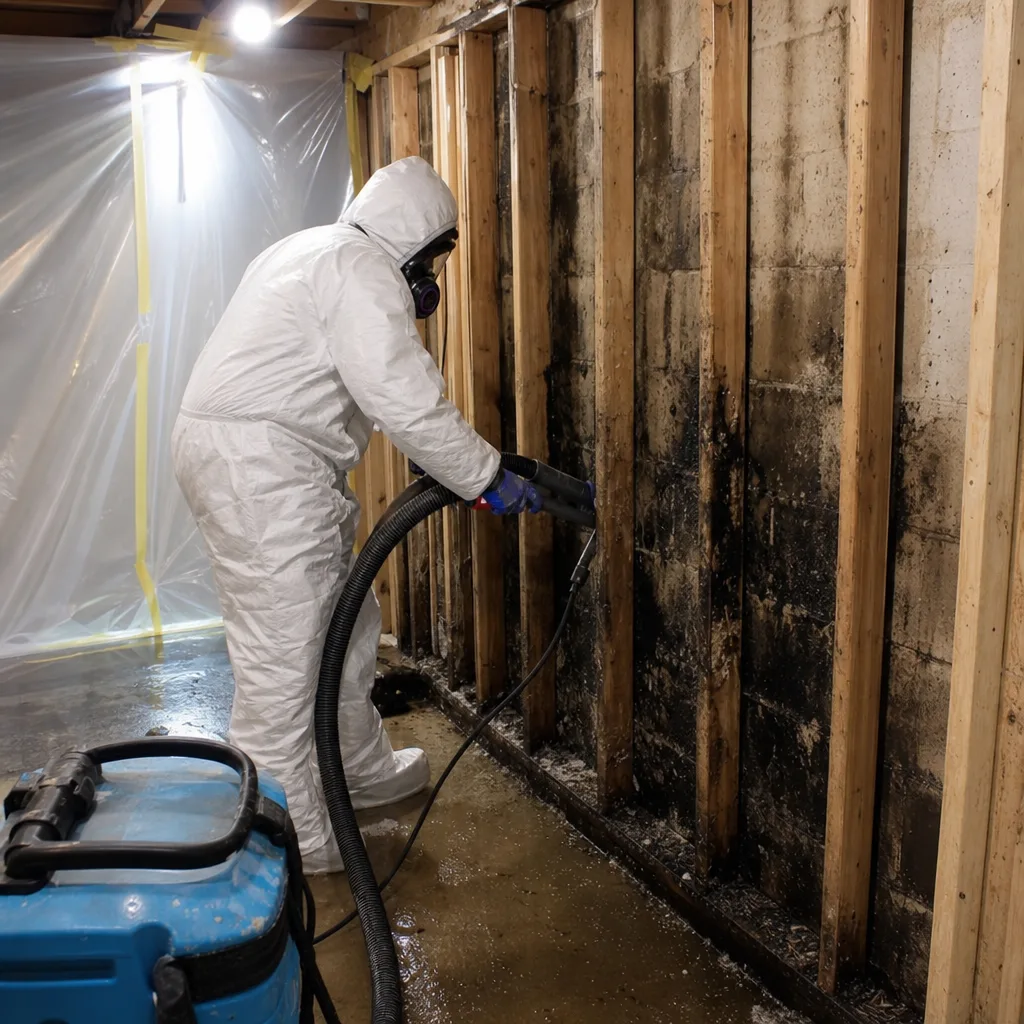
Storm Damage Cleanup
Wind-blown debris, broken glass, water-damaged personal property, ruined plaster. We remove damaged material, dispose of it properly, and protect unaffected areas with containment. The goal is to stop secondary damage before it starts.
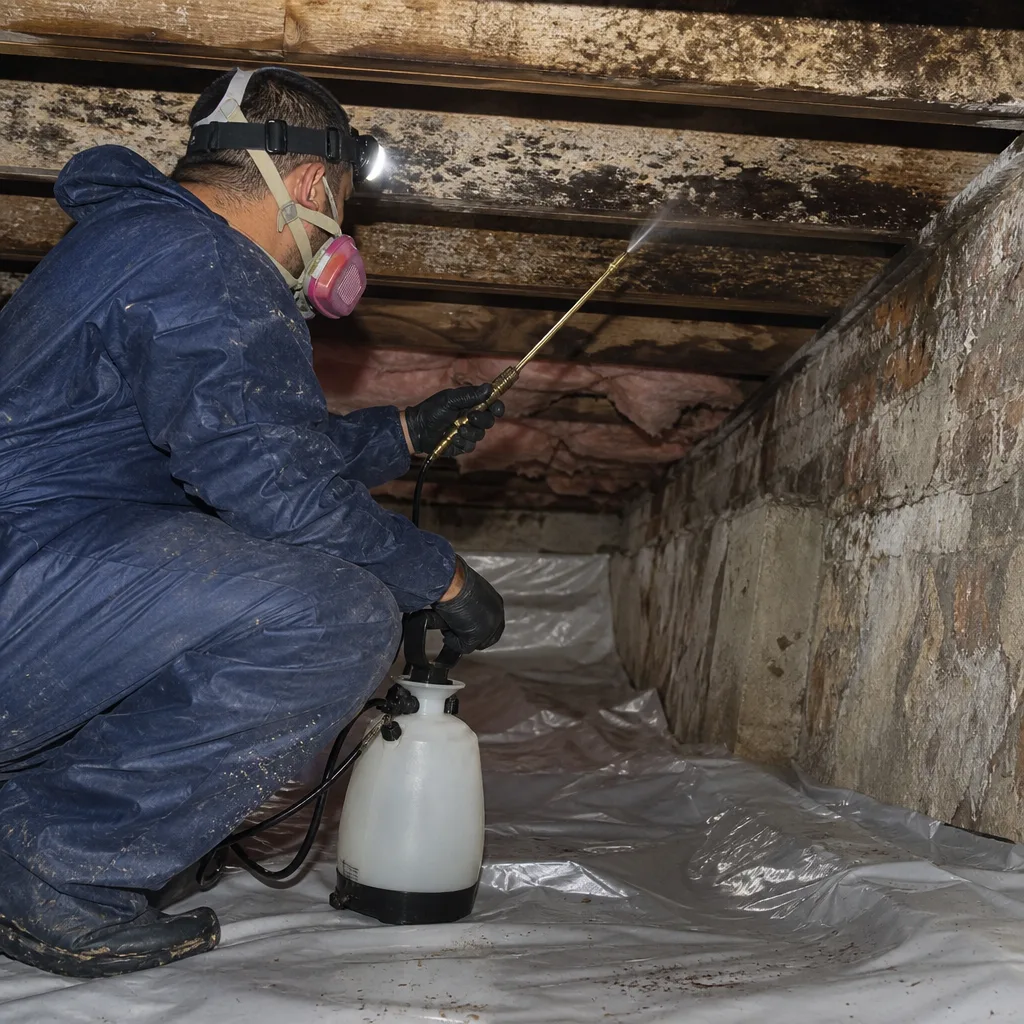
Debris Removal
Fallen branches in rear yards, roofing material on terraces, soaked insulation pulled from walls. We handle the haul-away, including materials that require special handling after contaminated water contact.
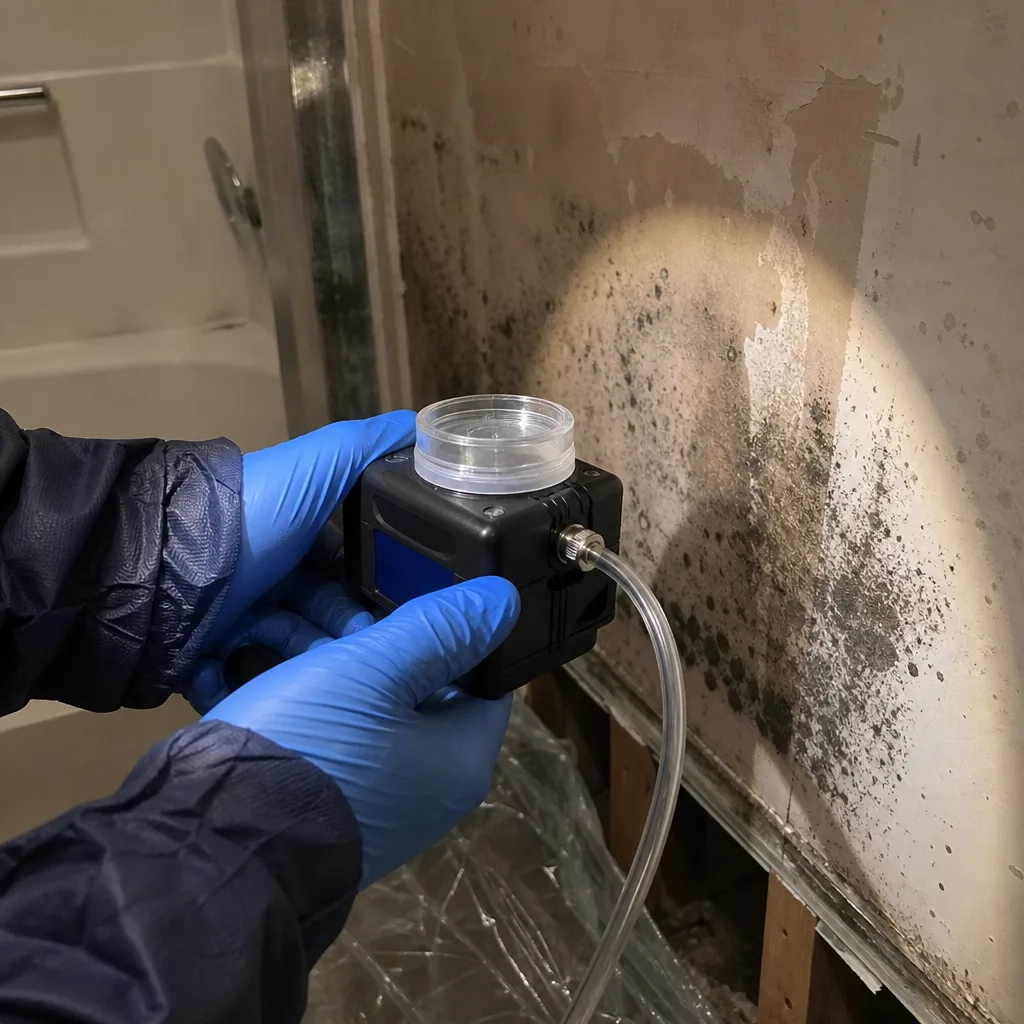
Wind Damage Repair
Wind-driven rain doesn’t need a hole in the roof to cause damage. It finds gaps around terrace doors, window frames, and vent caps. After the water is handled, we repair framing, flashing, and finishes so the next nor’easter doesn’t repeat the damage.
What happens when you call
- 1
A real person answersNo phone trees - you reach a local pro.
- 2
You get an upfront price rangeHonest numbers before anyone is dispatched.
- 3
A background-checked tech heads outLicensed & insured, dispatched right away.
- 4
You approve before work beginsNothing starts until you say go.
Storm & Disaster Restoration Costs in Upper East Side, NY
Upper East Side restoration costs run higher than most of the city. The reason is the building stock. A standard extraction and dry in a modern drywall apartment might run $1,800 to $3,400. In a pre-war co-op with plaster ceilings, herringbone parquet, and marble surrounds, that same event typically lands between $4,000 and $9,000 because specialty drying takes longer and restoration materials match the original rather than replace it. Emergency board-up on a broken window runs $350 to $800 per opening. Roof tarping ranges $600 to $1,800 depending on access and roof type. Storm damage cleanup and debris removal typically add $500 to $1,500. If a Category 3 event floods a basement cellar, costs start around $7,000 and climb based on contents and structural damage. Insurance often covers these losses. The free visual inspection is how you get a firm number instead of a guess. Call (518) 314-5660 and we’ll walk the site, classify the water, and put the scope in writing before any work starts.
We Also Serve Cities Near Upper East Side
Floodline Restoration Co. crews work across the surrounding area: Midtown Manhattan, Midtown West, Murray Hill, and Washington Square. If your building is near the neighborhood edge, call us. The same live dispatch and certified crews cover the entire corridor.
Serving Upper East Side, NY - Our Local Coverage Area
We’re based in the Upper East Side area and know this community well. Use the map below to see our service coverage - if you’re nearby, we can almost certainly help.
Upper East Side Storm & Disaster Restoration Questions, Answered
How fast can a crew reach my Upper East Side building?
Most calls get a crew on site within 45 to 60 minutes. Our dispatch is live around the clock, and we stage crews on the Upper East Side throughout the day and night. The faster extraction starts, the better the chance original plaster and parquet survive.
Does the Upper East Side Historic District require LPC approval before our crew can open a wall to dry out a riser leak?
In many cases, yes. If your building sits within the Upper East Side Historic District, exterior work and some interior work that affects protected architectural features may require Landmarks Preservation Commission review before walls can be opened. Our team documents the condition first and coordinates with the co-op board and managing agent to avoid start-stop delays. Call (518) 314-5660 and we can assess your specific situation.
Will insurance cover storm damage restoration in my co-op?
Most co-op insurance policies cover water damage to the unit interior from storm events and failed building systems. The key is documentation: photos, moisture logs, and a clear scope of work. We bill the carrier directly and handle adjuster communication so your claim moves without you playing middleman.
Why do UES co-op boards often demand drying logs from a storm-damage restoration company?
Because boards and managing agents have been burned by contractors who ran fans for three days and declared the job done. Drying logs prove that plaster ceilings, original parquet, and wall cavities actually returned to dry standard. We provide daily moisture readings from extraction through final clearance, and the board gets the same log your insurer does.
Can your crew access shared pipe chases in a pre-war co-op after a flood, or do we need the board’s permission?
Access to shared pipe chases typically requires the managing agent’s sign-off, and in some buildings a board vote. We handle that communication directly, presenting our documented findings and proposed approach. The delay doesn’t mean nothing happens: we contain and begin salvage drying in accessible areas while approvals are sorted.
Are basement and cellar flood-outs on York Avenue and East End Avenue treated as Category 3 black water?
Yes. Storm surge from the East River, or any flood water that has mixed with street runoff or sewage, is Category 3. That means full containment, disposal of porous materials, and antimicrobial treatment of remaining structure. Treating it as clean water is dangerous and we won’t do it.
How does freeze-thaw damage on a pre-war UES supply line differ from a standard pipe burst restoration?
The water source is clean, but the building systems are not. Original galvanized risers in 1910s and 1920s co-ops fail at joints after decades of freeze-thaw cycles. The water travels vertically through stacked apartments, hitting original plaster, parquet, and millwork in each one. Restoration requires coordinated drying across multiple units and careful documentation for the board.
Should I stay in my apartment during restoration?
For most clean-water extractions, yes, with containment and air scrubbers running you can remain in other rooms. For Category 3 events or when lead-asbestos concerns arise from opening pre-war walls, we recommend temporary relocation for at least a few days. We tell you honestly which situation you have.
Written by Curt Bowman, Owner at Floodline Restoration Co. Serving Upper East Side since 2010.
Storm damage in an Upper East Side pre-war co-op doesn’t wait. Call (518) 314-5660 now for emergency response, a free visual inspection, and a written scope from the team that starts at the floodline and doesn’t leave until the rebuild is done.