
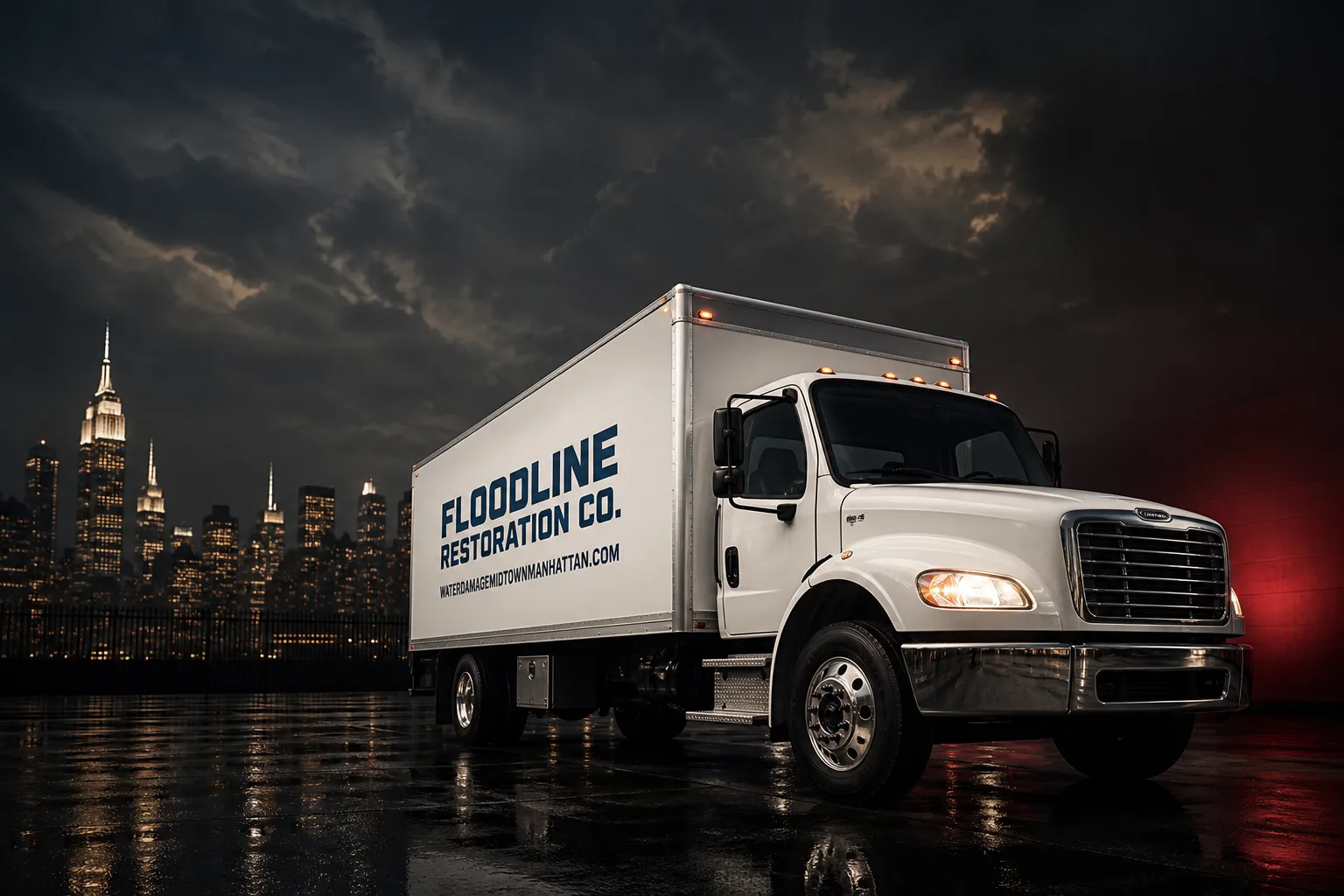
Free visual inspection and a written scope of work before any mitigation begins - photos, moisture readings, and drying logs go in your claim file
The scope we write is the scope we bill. Anything new gets shown to you, in writing, before we touch it.
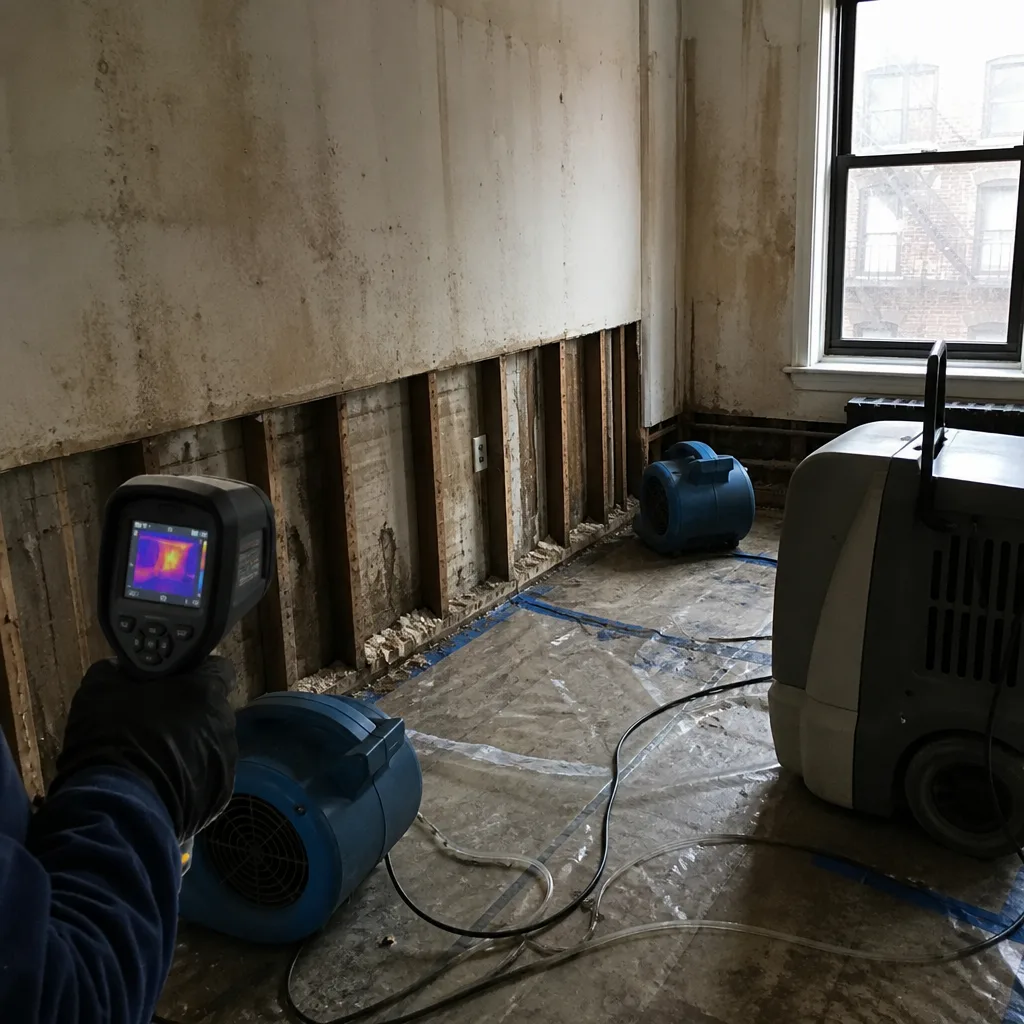 Before
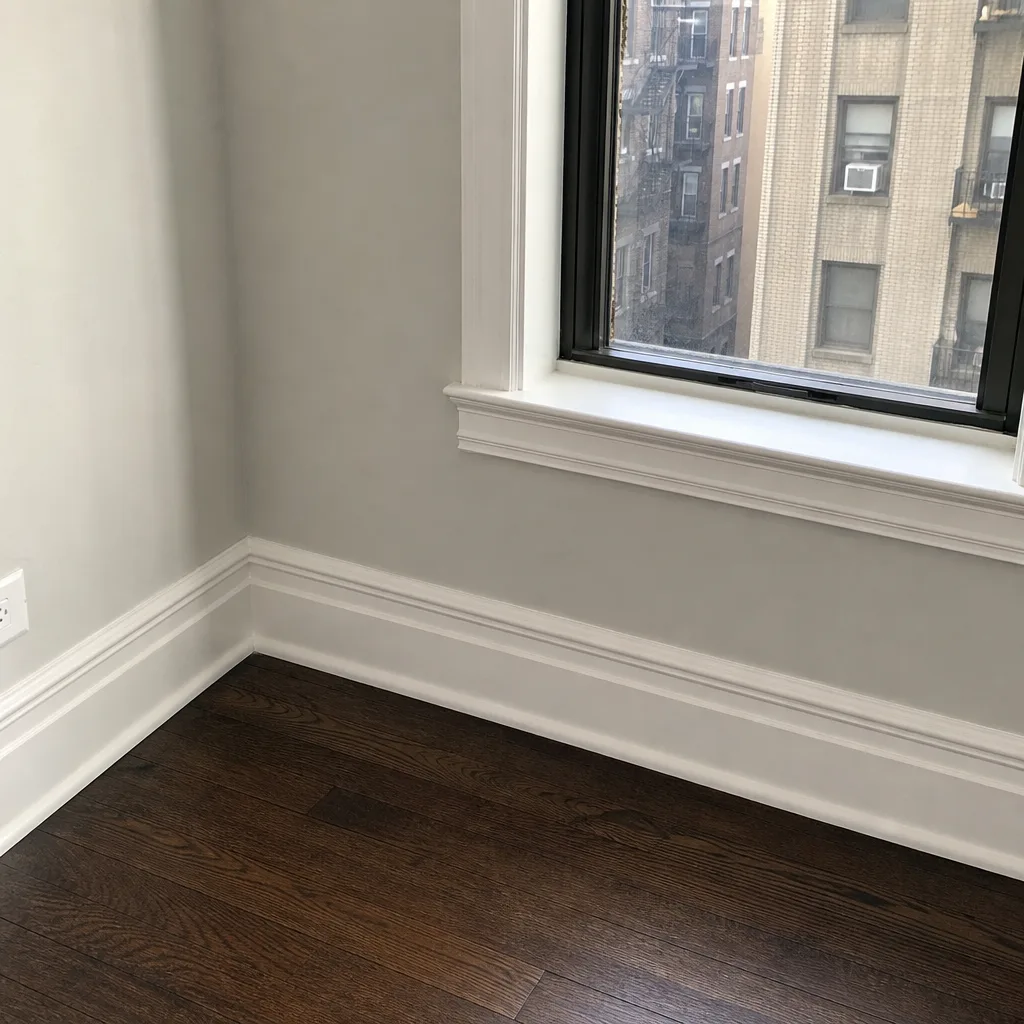 After
After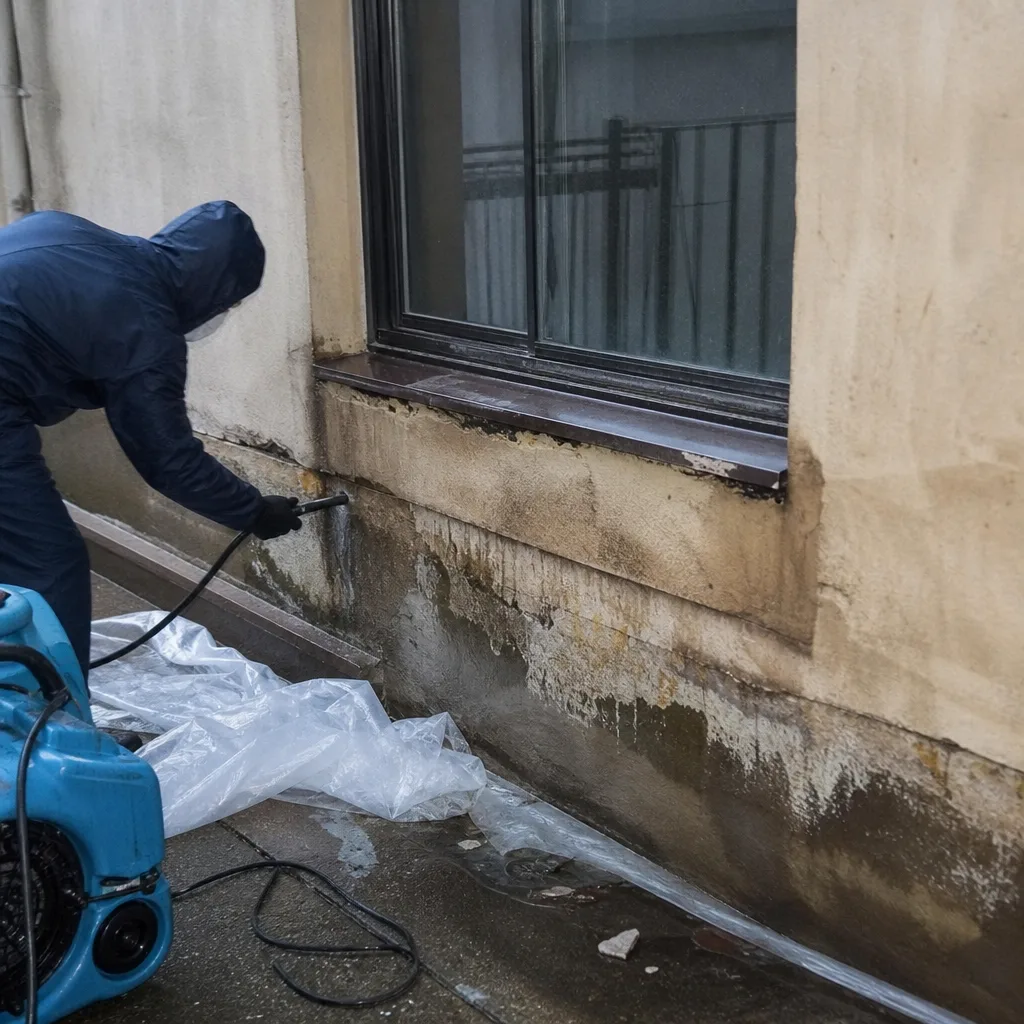 Before
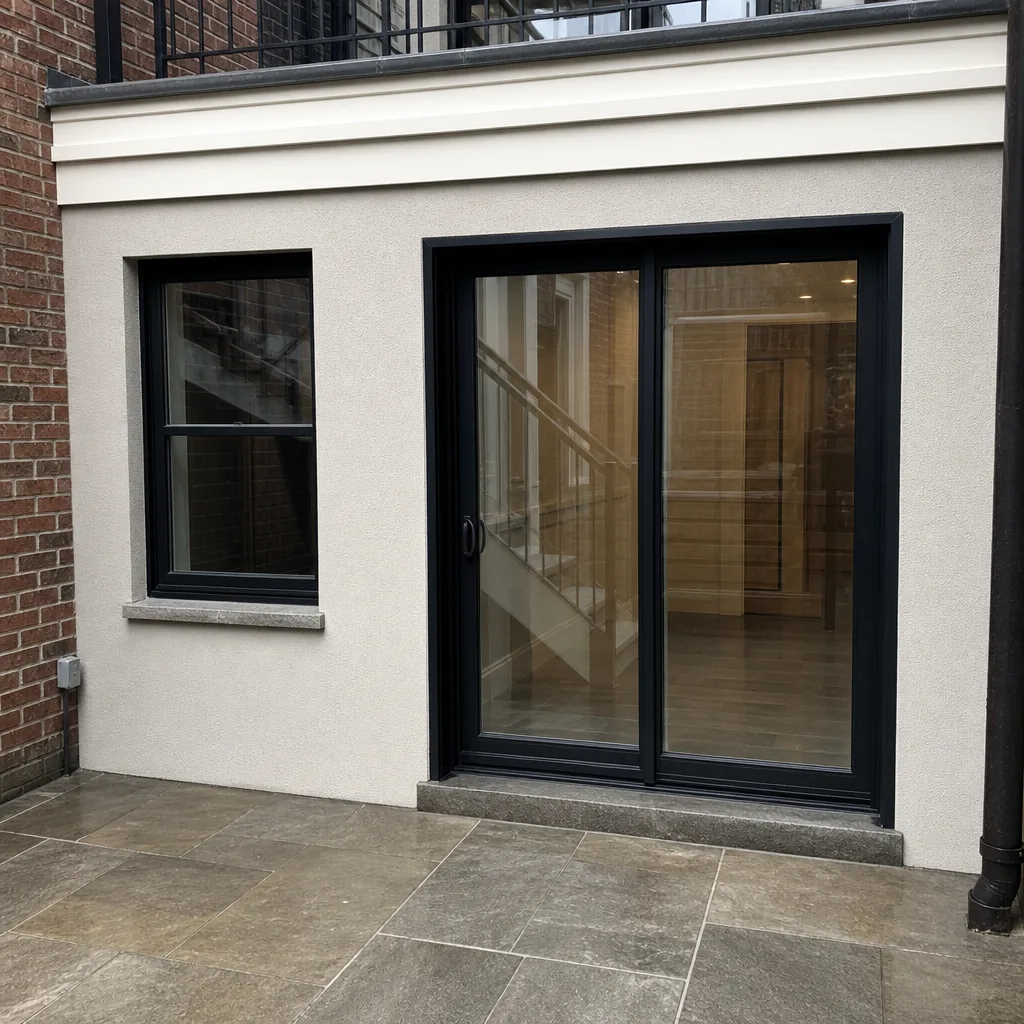 After
After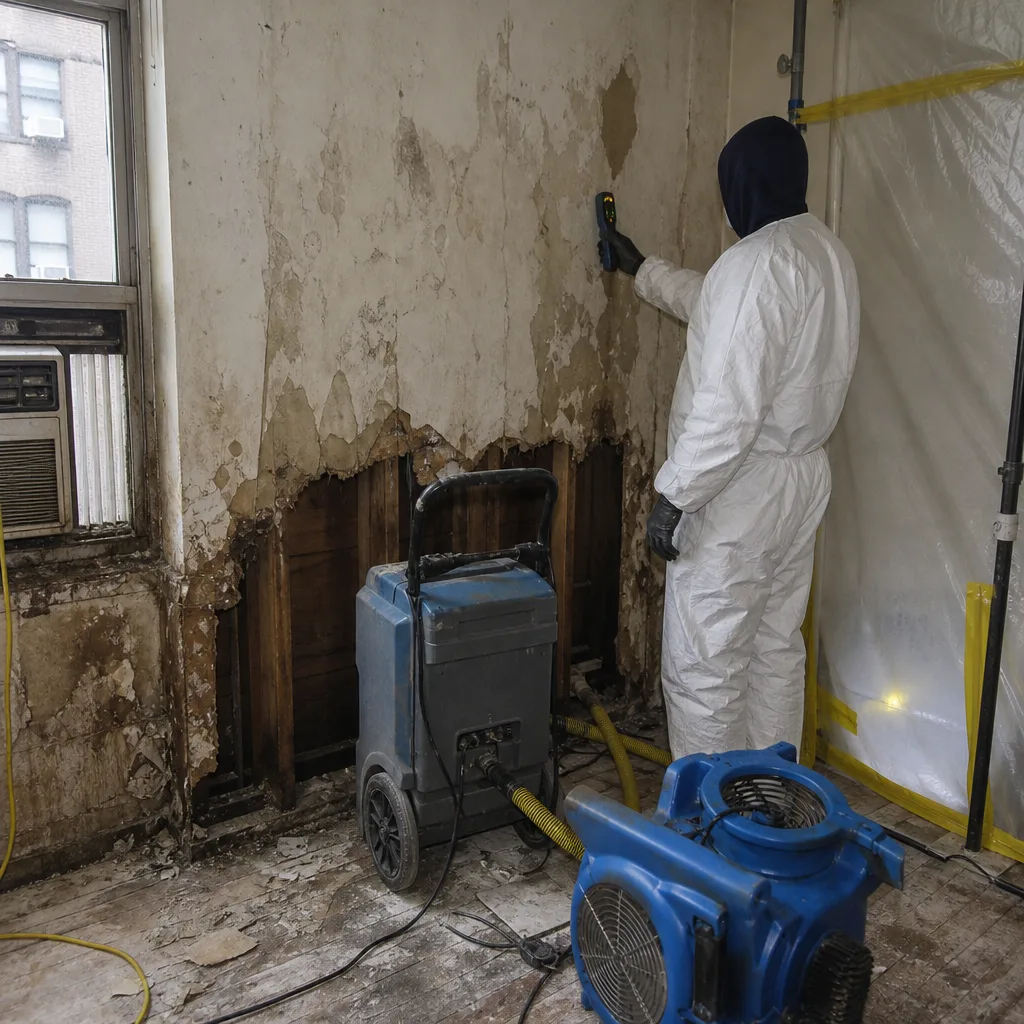 Before
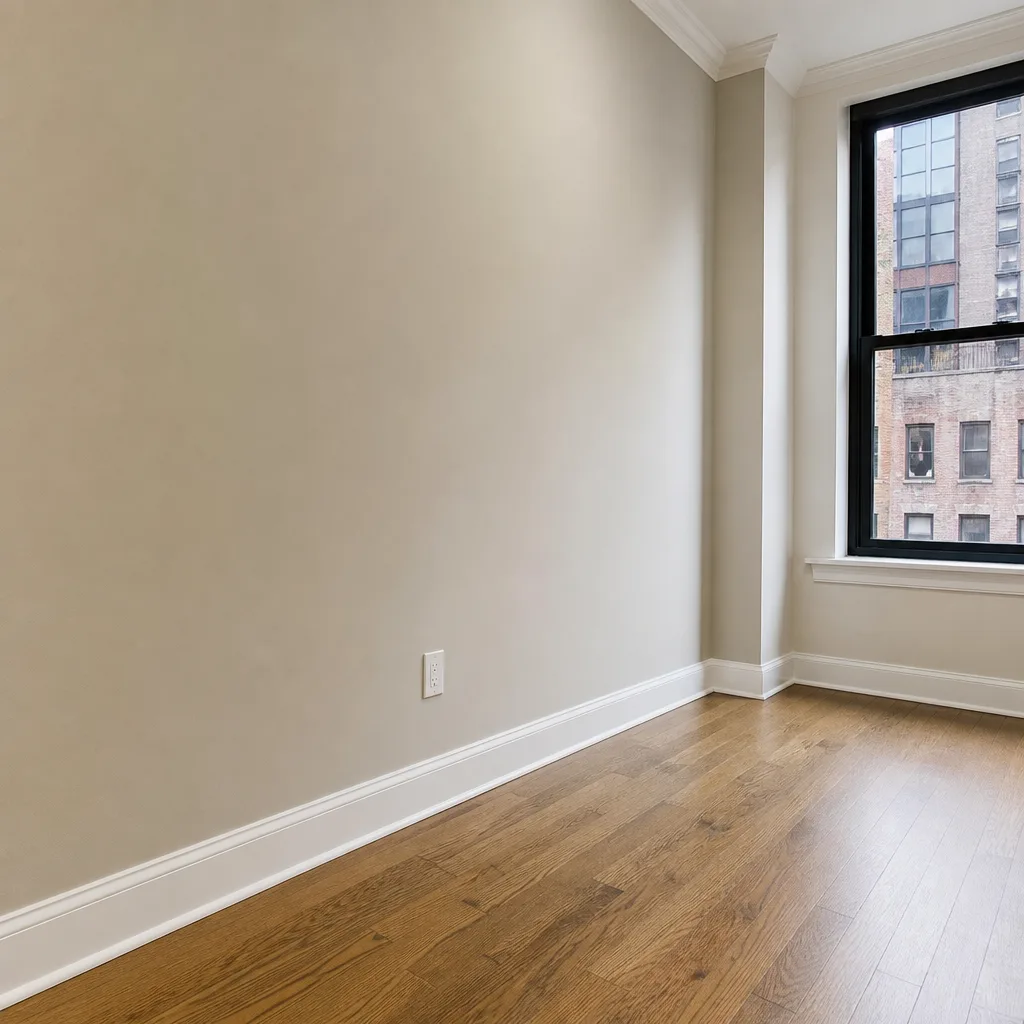 After
After24/7 Emergency Storm & Disaster Restoration in Midtown Manhattan
If you’re standing in a Midtown Manhattan building with water pouring through a ceiling slab, a failed curtain wall, or a flooded basement right now, call us at (518) 314-5660. A live dispatcher answers. Not a recording, not a promise to “get back to you.” A person who can have a certified crew rolling toward your address inside 45 minutes. Storm and disaster restoration in Midtown Manhattan runs on a clock that starts the second water breaches the envelope, and the first hour often decides whether you’ll dry out clean or rebuild half a floor. We do free visual inspections the same visit. The line the water left is where we start – and we stay on the job until the last patch of paint is dry.
Understanding Storm & Disaster Restoration Severity in Midtown Manhattan Properties
Storm damage in Midtown Manhattan is not like storm damage in New Jersey, Queens, or Westchester. The building stock here runs from 1900s pre-war towers to post-war glass curtain-wall slabs, and both fail in ways that leak water through multiple tenants and multiple floors before anyone sees a puddle. We start every job by classifying the water: Category 1 from a burst supply line, Category 2 from sump overflows or roof leaks, and Category 3 from storm surge, sewage backing up through a cast-iron soil line, or street-level flooding in a sidewalk vault. Category 3 water is contaminated, period, and it means full containment, disposal of affected finishes, and post-remediation clearance testing. In Midtown, a nor’easter can push wind-driven rain through 50-year-old window gaskets at the 23rd floor, and that water follows vertical mechanical chases, elevator shafts, and pipe penetrations down through a dozen floors. Moisture mapping with thermal imaging and hygrometer readings tells us where the water went, not just where it’s puddling. Then we set containment, log the dry standard daily, and document everything for your carrier.
Why Midtown Manhattan Property Owners Choose Floodline Restoration Co.
- 45-minute response commitment: Midtown traffic is punishing, but our dispatch board moves crews through the grid with local knowledge and no wasted turns. When water is running, 45 minutes is the standard we hold ourselves to.
- 24/7 live answer, every time: Two in the morning, a holiday, the middle of a nor’easter – a human being picks up the phone. We do not route you to voicemail. Ever.
- IICRC-certified crews with WRT, FSRT, and AMRT codes: Our technicians are background-checked, uniformed, and held to IICRC, RIA, and IFA standards. The same crew that reads the moisture map on day one does the daily readings and the rebuild.
- Free visual inspection, no obligation: You will know what you are dealing with before you sign anything. We give you a plain-language assessment and a written scope.
- Direct insurance billing with photo documentation: We hand your adjuster the moisture log, the room-by-room photos, and a line-item estimate. You never play messenger between us and the carrier.
- One team from extraction to reconstruction: This is the Floodline difference. We do not hand the job off to a third party when it’s time to rebuild. The same certified crew finishes what it started, and the 90-Day Done Right Promise backs the entire thing in writing.
Our Storm & Disaster Restoration Process
Every job in Midtown Manhattan follows a disciplined sequence. The first 30 minutes matter. The first few hours determine whether Cat 3 contamination spreads to clean areas. Here is how we work:
Inspection & Assessment
We arrive, walk the affected floors, and locate every water path. In pre-war buildings we check vertical chases, elevator shafts, and steam riser closets. Thermal imaging and moisture meters map what you cannot see behind original plaster and terra cotta block.
Extraction & Stabilization
We run professional-grade submersible pumps and truck-mounted extraction on standing water. Then we stabilize the scene: emergency board-up, roof tarping, and structural shoring if the envelope is compromised. Stabilizing first stops the bleeding.
Drying & Dehumidification
Dri-Eaz LGR dehumidifiers, Phoenix air movers, and XPOWER units are placed according to the moisture map, not scattered randomly. In Midtown’s brick-and-masonry buildings, wall cavities and chases dry slower than open floor areas, so we take daily readings and adjust the equipment plan until the dry standard is met.
Cleaning & Sanitization
HEPA air scrubbers run during and after debris removal. Contaminated materials are bagged and removed under containment. Surfaces are cleaned with professional-grade antimicrobial agents appropriate to the water category. In buildings with legacy asbestos, we coordinate licensed abatement before we touch suspect pipe insulation.
Specialty Treatment for Storm Damage
For Midtown’s high-rise envelope failures, this means chasing water migration through curtain-wall gaskets, silicone joints, and window pans. Injectidry systems are used inside cavities where traditional drying cannot reach – common in pre-war walls with staggered studs and original plaster over lath.
Repairs & Restoration
We put the building back. Drywall, original plaster repair, stone and terra cotta patching, floor refinishing, millwork, paint. The same crew that extracted the water rebuilds the space, and the 90-Day Done Right Promise goes in your hand before we leave.
Need Emergency Storm & Disaster Restoration in Midtown Manhattan Now?
Crews minutes away, answering live 24 hours a day. The sooner we start, the less it costs.
Working With Your Insurance Company
Insurance claims in Midtown Manhattan are rarely straightforward. A storm that breaches a 1920s curtain wall may involve three commercial carriers, a cooperative building’s master policy, and a tenant’s contents policy. We have handled hundreds of these. From the first hour, we document everything: room-by-room photos, moisture readings, drying logs, and a line-item scope of work with pre-loss condition notes on original finishes. Curt Bowman, our founder, built Floodline Restoration Co. around a dispatch board, not a sales desk, and that philosophy carries into claims. We speak directly with your adjuster, in plain language, with the paperwork they need to move the claim forward. You do not chase anyone.
What We Provide Your Insurer
- Thorough documentation of the loss
- Photos of all damage, room by room
- Moisture readings and drying logs
- A detailed, line-item scope of work
- Direct coordination with your carrier
Built for Midtown Manhattan’s Loss Calendar
Midtown Manhattan absorbs storm damage in patterns you can set a clock by. The winter months bring deep freezes that split old cast-iron supply lines in unheated mechanical rooms. When those freeze-thaw cycles hit 1920s terra cotta and limestone facades, the mortar joints crack, and wind-driven rain finds its way behind the skin. Nor’easter season, from late fall through spring, pushes sustained horizontal rain against glass curtain-wall towers at elevations where pressure differentials force water through degraded gaskets and failed sealant. Summer thunderstorms overwhelm building drains, pouring water into sidewalk vaults and sub-basements faster than pumps can discharge. Then there is the district steam loop. In the blocks around Grand Central and Penn Station, many pre-war basements tie into Con Edison’s steam distribution tunnels. A steam main leak or condensate-line failure in those buildings does not just deliver water. It delivers pressurized hot moisture that can aerosolize asbestos from legacy pipe insulation – and that triggers a mandatory NYC DEP stop-work and air-clearance protocol before any drying can begin. This is Midtown’s restoration reality. Not theory.
Storm & Disaster Restoration Across Midtown Manhattan’s Neighborhoods
When our crews roll through Midtown, the address tells us what we are likely walking into. Around Madison Avenue and the corridors near Grand Central, pre-war office towers with district steam connections require us to check Con Edison risers and legacy pipe insulation before we open any wall. Over by Penn Station and the West 30s, older mid-rise lofts and converted commercial buildings often hide cast-iron soil lines behind multiple layers of finishes – a Category 3 backup there is a containment challenge. East Midtown, through Murray Hill, mixes pre-war cooperatives with post-war glass towers; those curtain-wall buildings leak at the gasket line after a nor’easter, and water rides the elevator shafts down. Down toward Midtown West and the Theater District, hotels and entertainment venues add a commercial occupancy layer that forces us to sequence extraction around active operations. Even the 10016 and 10017 ZIP codes carry predictable failure modes: original supply risers, failing roof drains at parapet walls, and basement pump systems that were undersized when the building went up in 1935. We know these blocks. It changes how fast we can act.
Specialized Storm & Disaster Restoration Services We Offer in Midtown Manhattan
Emergency Board-Up
A blown storefront window on Lexington Avenue at 2 a.m. is a liability in 20 minutes. We board and secure openings with plywood and fasteners that meet NYC’s wind-load requirements, seal entry points against weather and trespass, and document everything for your carrier the same visit. Midtown’s street-level exposure means board-up is not optional – it is the first line of defense against secondary damage.
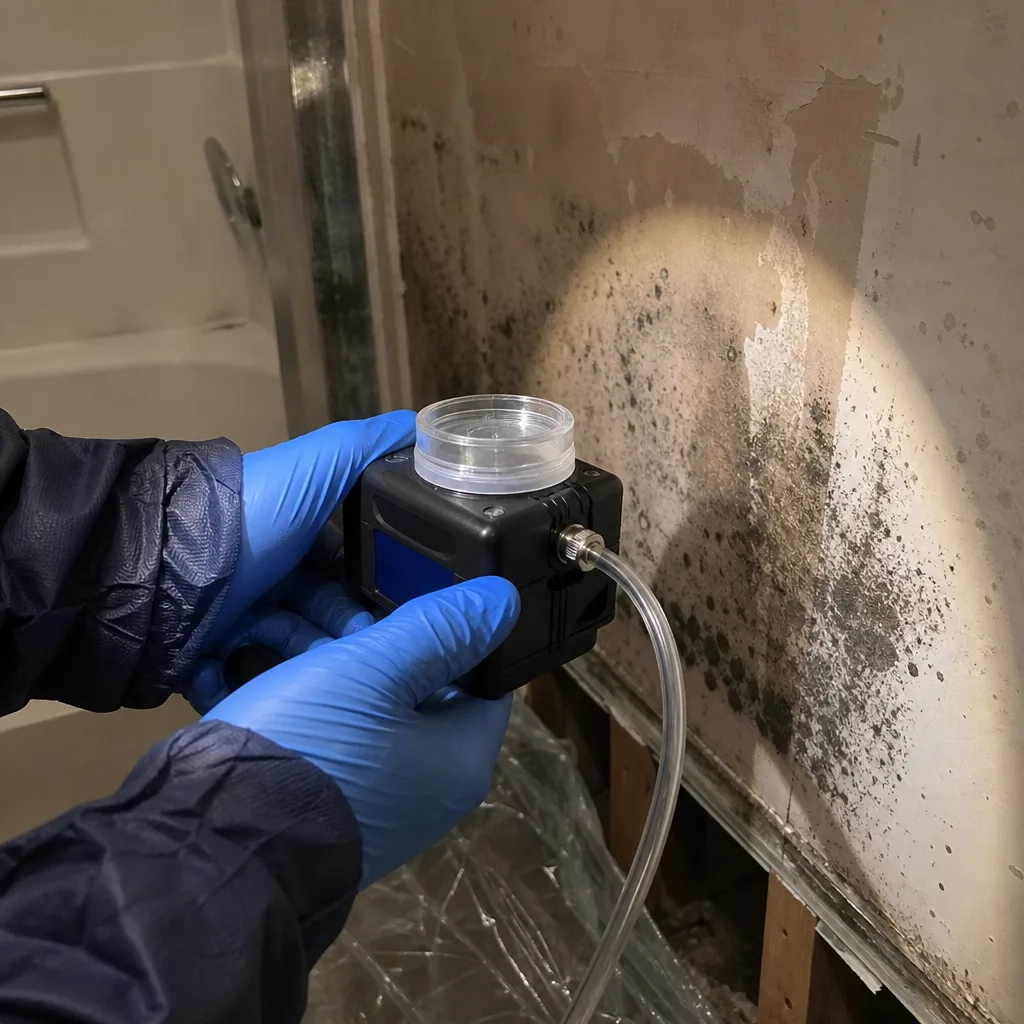
Roof Tarping
Pre-war roofs and modern membrane roofs both fail under nor’easter wind loads. We tarp torn sections using weighted, anchored coverings that survive Manhattan rooftop wind gusts – which are far stronger at 30 floors than at ground level. A properly placed tarp stops active water intrusion until a permanent roofing repair can be scheduled, and it keeps the insurance claim from growing.
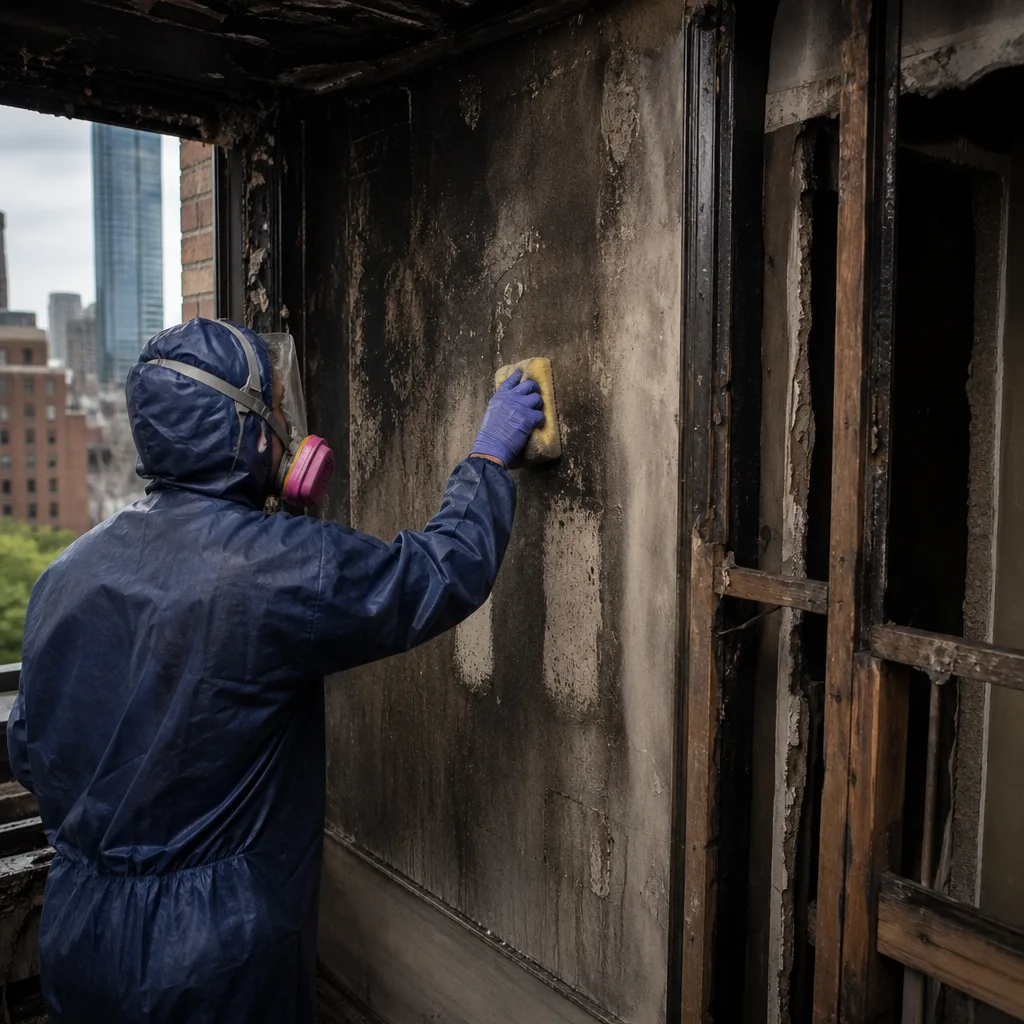
Flood Damage Restoration
From sidewalk vault flooding on Fifth Avenue to a backed-up sanitary line in a pre-war co-op off Park Avenue, we extract, dry, and restore. Category 3 flood water in Midtown means containment, disposal of saturated finishes, and air clearance testing before we hand the space back. No shortcuts. The 90-Day Done Right Promise stands behind any repair we make.
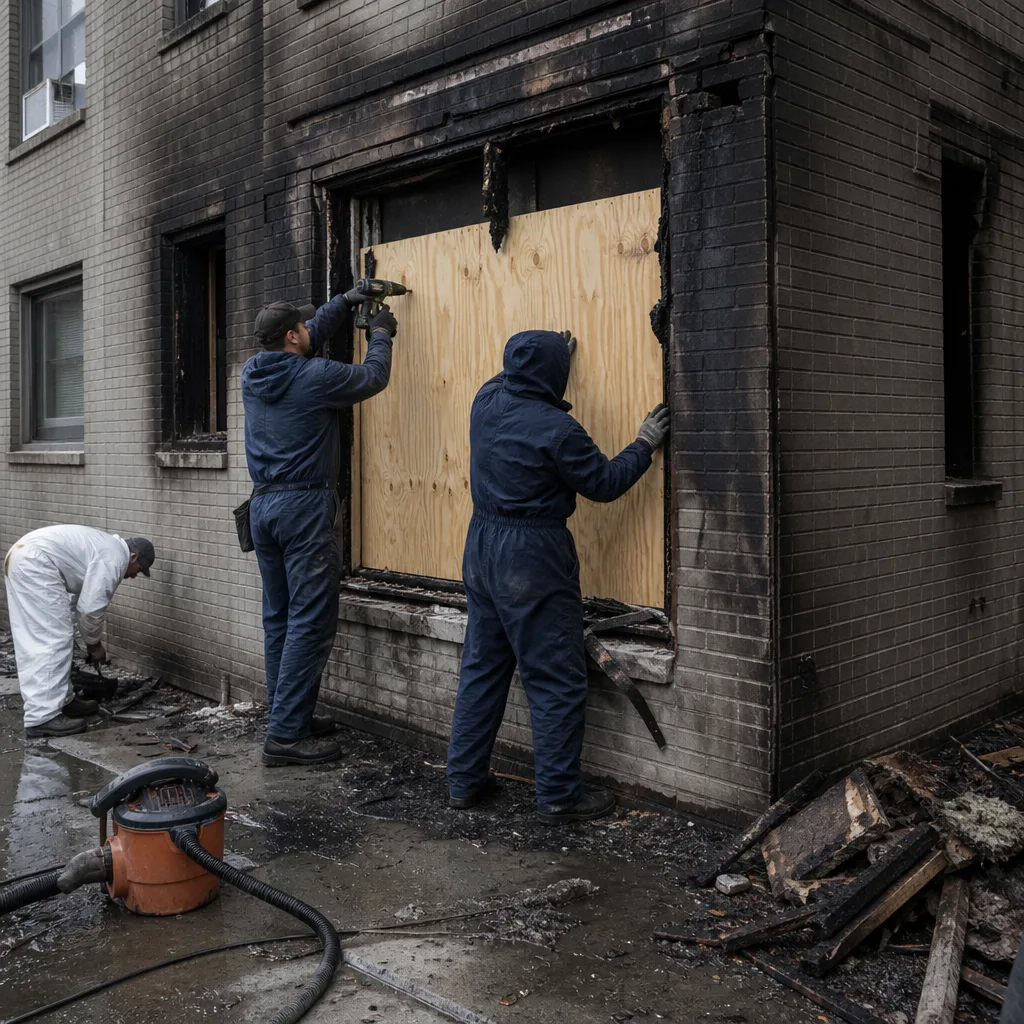
Storm Damage Cleanup
Broken glass, wind-blown debris, saturated carpets, and soaked drywall. Our teams remove everything that cannot be saved, clean what can, and deliver a written scope for reinstatement before you spend a dollar beyond mitigation. For Midtown properties with inlaid wood floors or original plaster, we document pre-loss condition room by room.
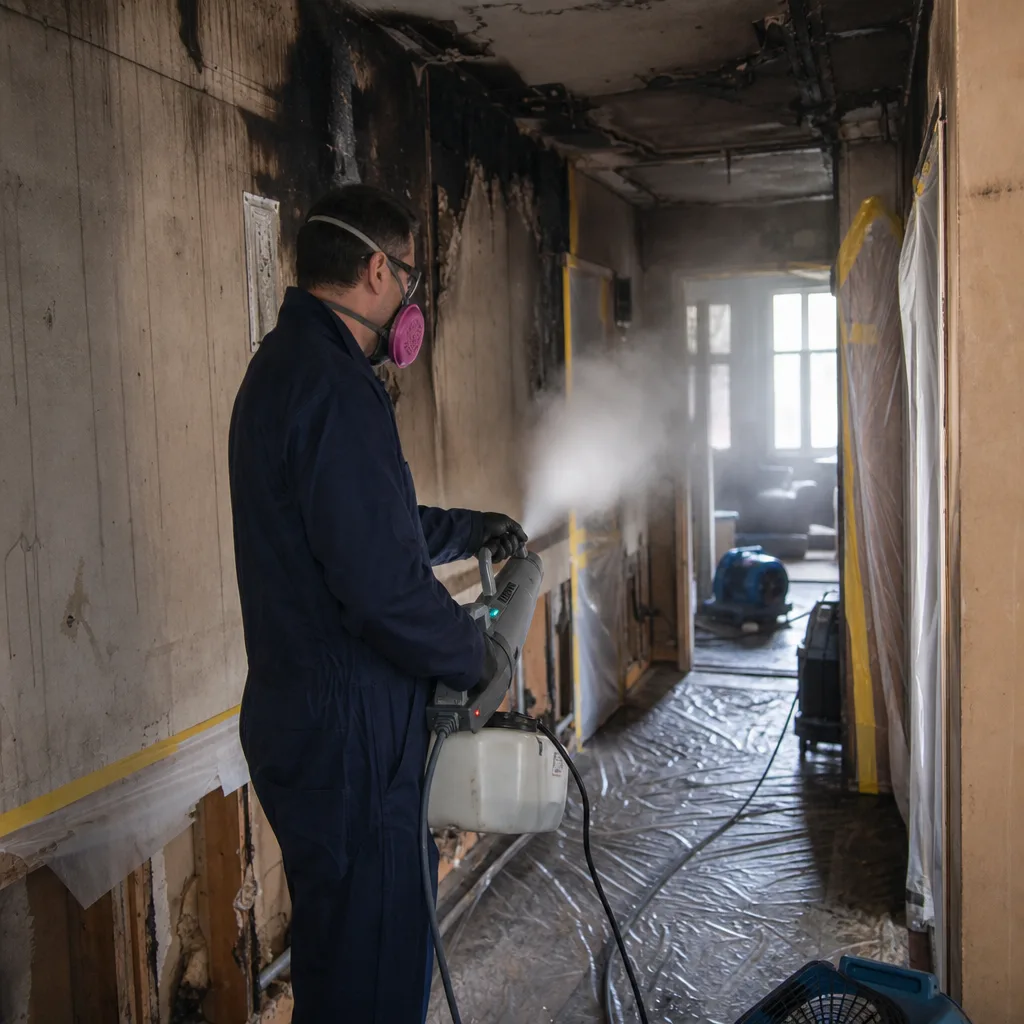
Wind Damage Repair
Nor’easters bow window frames, snap parapet caps, and tear flashing on exposed corners. Wind damage repair in Midtown Manhattan means high-rise access, Building Department coordination, and a repair that matches the original material – not a patch that fails in the next storm. We rebuild to local wind-load and waterproofing standards, with photo documentation for your claim.
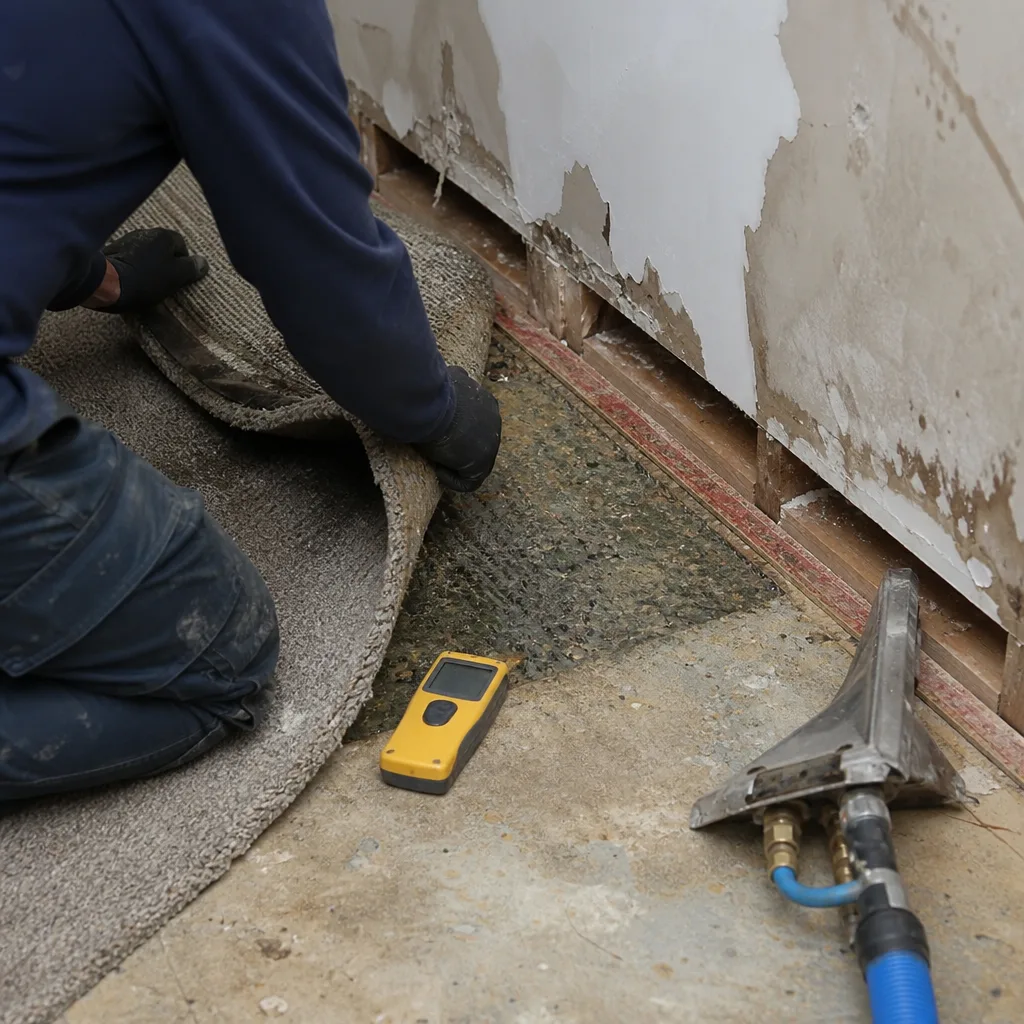
What happens when you call
- 1
A real person answersNo phone trees - you reach a local pro.
- 2
You get an upfront price rangeHonest numbers before anyone is dispatched.
- 3
A background-checked tech heads outLicensed & insured, dispatched right away.
- 4
You approve before work beginsNothing starts until you say go.
Storm & Disaster Restoration Costs in Midtown Manhattan, NY
Straight numbers help. In Midtown Manhattan, a Category 1 water loss from a burst supply line in a pre-war apartment typically runs $2,800 to $6,500 for extraction, drying, and basic rebuild, depending on how many rooms and whether original plaster is involved. Flood Damage Restoration from a Category 3 event – storm surge, sewage backup, or a steam-loop condensate failure – runs higher: usually $9,000 to $28,000, because containment, contaminated material disposal, and clearance testing are non-negotiable. Emergency board-up for a commercial storefront averages $700 to $1,800, and roof tarping for a Midtown high-rise punch list runs $1,200 to $4,500 depending on access and the number of penetrations. What moves the price: water category, square footage, whether asbestos abatement is triggered, elevator or shaft involvement, and the finish level of the space being restored. A free visual inspection gives you a firm written scope before any work begins. We bill your carrier directly on covered losses, and we never surprise you on the back end. Senior and veteran discount of 5% always applies. You can also take $50 off any repair over $250.
We Also Serve Cities Near Midtown Manhattan
Our crews respond throughout the Midtown area and into surrounding districts: Midtown West, Murray Hill, Washington Square, and Upper Manhattan. If you are on the edge of Midtown or just outside the grid, call us. We will tell you straight if we can reach you quickly.
Serving Midtown Manhattan, NY - Our Local Coverage Area
We’re based in the Midtown Manhattan area and know this community well. Use the map below to see our service coverage - if you’re nearby, we can almost certainly help.
Midtown Manhattan Storm & Disaster Restoration Questions, Answered
Does Con Edison’s district steam loop affect how you handle a water loss in a Midtown pre-war building?
Yes, and it changes the entire sequence. If the building ties into the district steam loop, we verify with building management whether the event involved a steam main or condensate line before we open walls or run air movers. A steam-line release sends pressurized hot moisture through legacy pipe insulation that may contain asbestos. That triggers NYC DEP stop-work and air-clearance requirements – and if we skip that check, we cross-contaminate multiple floors and face a full shutdown. We coordinate with licensed abatement contractors from the first hour.
Why do wind-driven rain events in Midtown cause more interior water damage than similar storms in Queens or Brooklyn?
Elevation and facade age. Midtown’s glass curtain-wall towers sit 20 to 60 stories above the street, where a nor’easter’s wind force is significantly higher than at ground level. That pressure drives rain horizontally into failed window gaskets and cracked sealant joints, and the water then rides vertical chases, elevator shafts, and pipe penetrations down through stacked floors. Queens and Brooklyn have far fewer high-rise curtain-wall buildings of this era, so the same storm simply has fewer entry points there.
What is the first thing your crew does when a Midtown elevator shaft is water-damaged?
We isolate the shaft. That means shutting down the affected elevator, locking out power, setting containment at the shaft openings on every affected floor, and installing barriers to stop water from the shaft from spilling into finished corridors. Then we check whether the water traveled along steam risers or conduit inside the shaft. The shaft acts as an express drain through the building, so the first hour is about stopping vertical migration before we even think about drying.
Can you dry a pre-war Midtown office suite without removing all the original plaster?
Often, yes – if we get there before the water saturates through. Plaster and terra cotta block absorb water slowly, and with Injectidry systems placed inside wall cavities and Dri-Eaz LGR dehumidifiers at controlled conditions, we can dry in place without demolishing original finishes. But if the plaster is soaked through, layered with lead paint, or hanging off the lath, removal is the safe and honest answer. We give you that decision in plain English with photos and moisture readings backing it up.
What makes a Midtown hotel water loss different from a residential restoration?
Occupancy and liability. A hotel on 42nd Street has guests in active rooms, multiple floors, and a commercial insurance carrier that expects detailed daily documentation. We sequence extraction and drying around occupied floors, build full corridor containment staging, and produce daily logs your risk manager can hand to the carrier without interpretation. Residential work is quieter. Hotel work is a live operating emergency, and we treat it that way.
How fast can someone actually get here from your Midtown dispatch?
Inside 45 minutes in most Midtown Manhattan ZIP codes – 10016, 10017, 10018, 10019, 10020, 10022 – depending on street access and the time of day. A live dispatcher picks up the phone 24/7, takes the address, and tells you the real ETA. If we are delayed by Midtown gridlock, you will know before we arrive. We do not overpromise.
Will insurance cover storm and flood damage in a Midtown pre-war building?
Typically yes for the sudden-event portions: wind-driven rain through a failed gasket, a roof blow-off, a burst pipe. The gray area is chronic seepage that predates the storm, and flood damage from storm surge is generally excluded unless a separate flood policy is in force. We document the difference with photos, moisture maps, and pre-loss condition notes, and we speak directly with your adjuster so the claim lands where it should. Call (518) 314-5660 and we will walk you through what your policy actually covers.
What should I do in the first 30 minutes after I discover a storm leak in my Midtown unit?
Notify building management, shut off the water if there’s an active supply line, and move valuables out of the water path. If water is coming through a light fixture or near electrical, do not touch the switches – call the front desk and kill power to that circuit. Then call us at (518) 314-5660. Do not start ripping out wet drywall yourself. In a pre-war building, you may be disturbing asbestos or lead-painted plaster, and that turns a manageable loss into a DEP enforcement problem.
Call Floodline Restoration Co. at (518) 314-5660 any time, day or night, for Storm & Disaster Restoration in Midtown Manhattan. A live person answers, a certified crew comes, and the job is done right – backed in writing by the 90-Day Done Right Promise. We serve Midtown Manhattan from our dispatch desk on the island, and our Storm & Disaster Restoration teams handle the full cycle from board-up to rebuild. No handoffs. No runaround. A square deal.
Written by Curt Bowman, Owner at Floodline Restoration Co.