
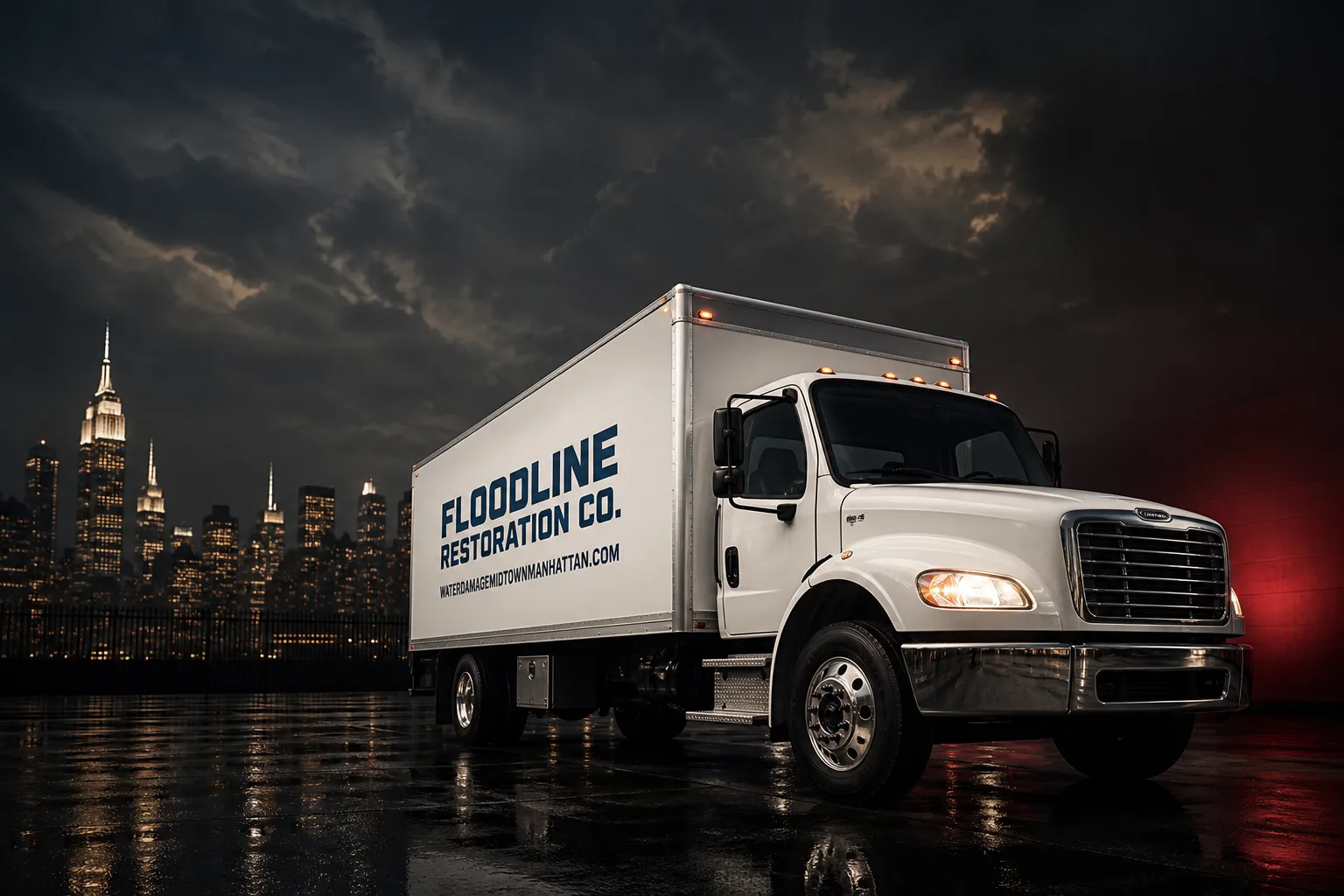
Free visual inspection and a written scope of work before any mitigation begins - photos, moisture readings, and drying logs go in your claim file
The scope we write is the scope we bill. Anything new gets shown to you, in writing, before we touch it.
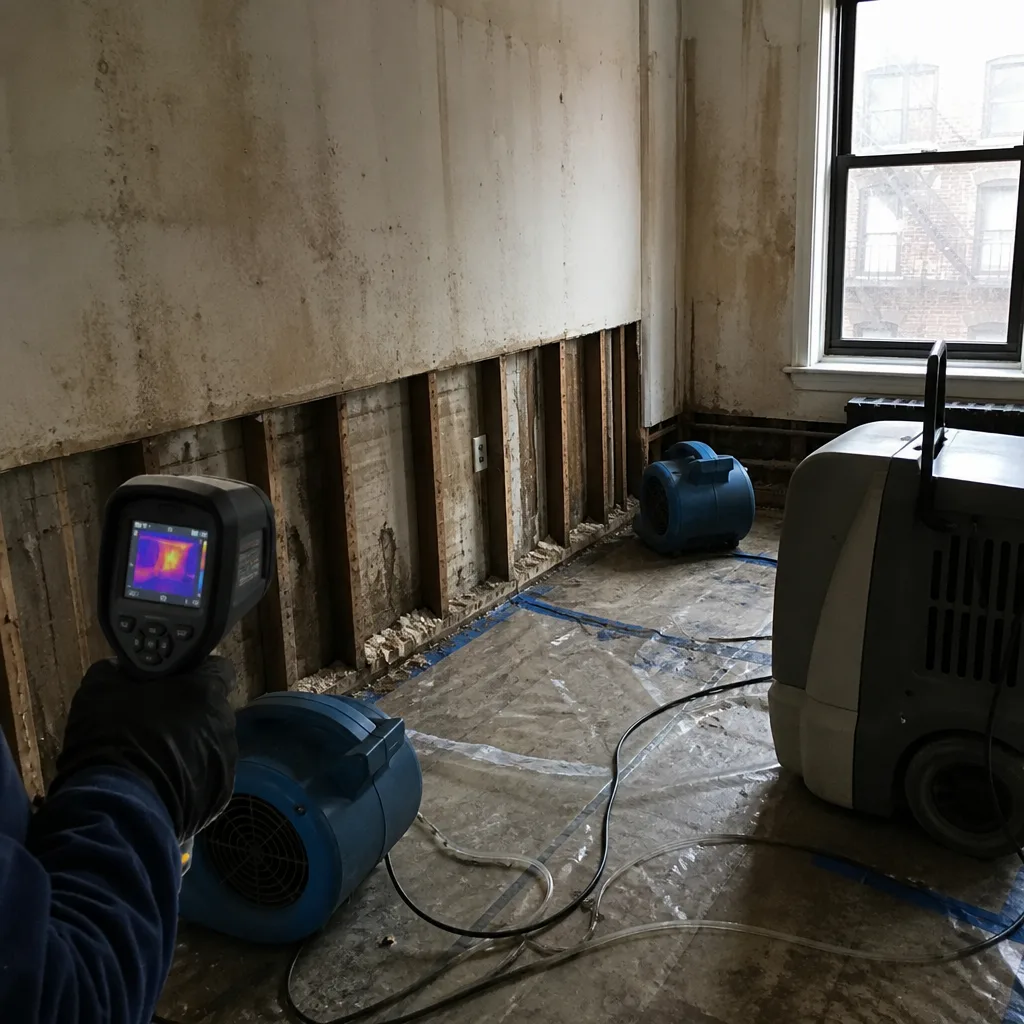 Before
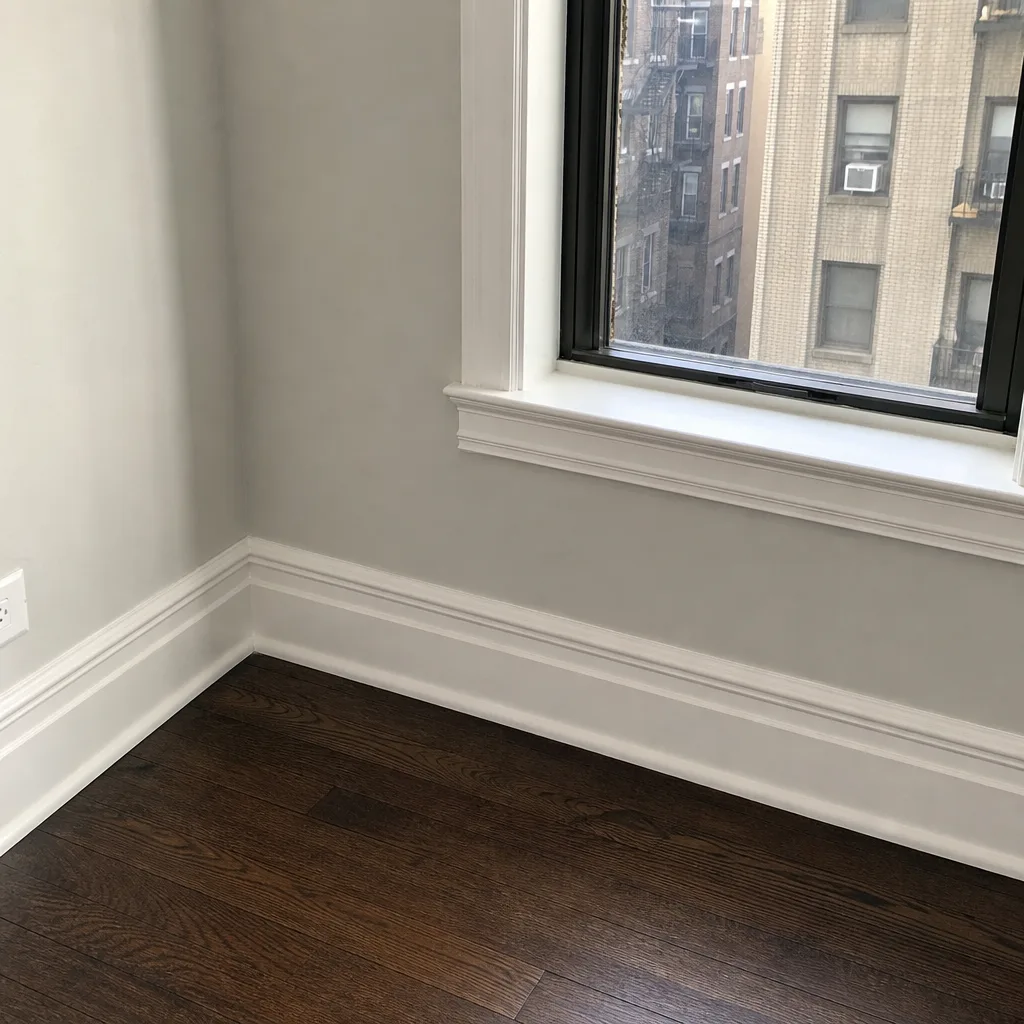 After
After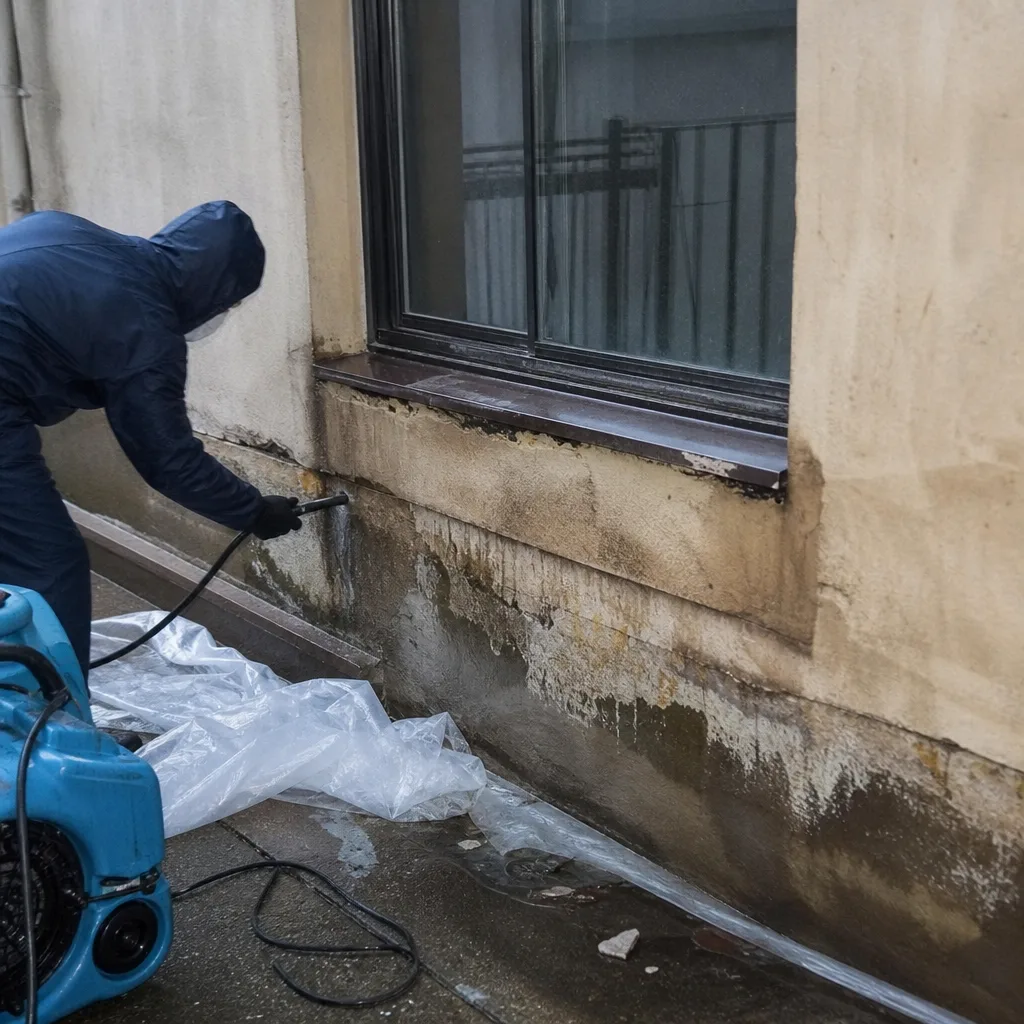 Before
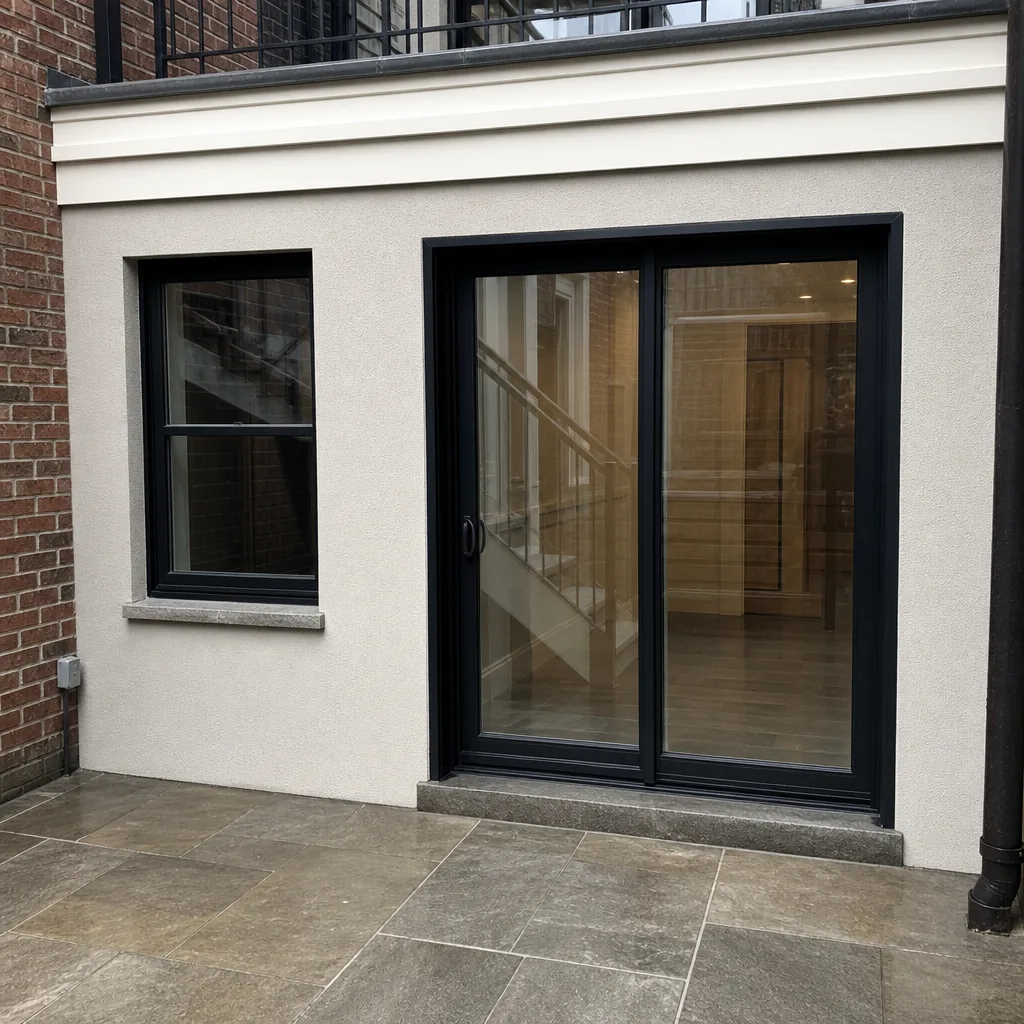 After
After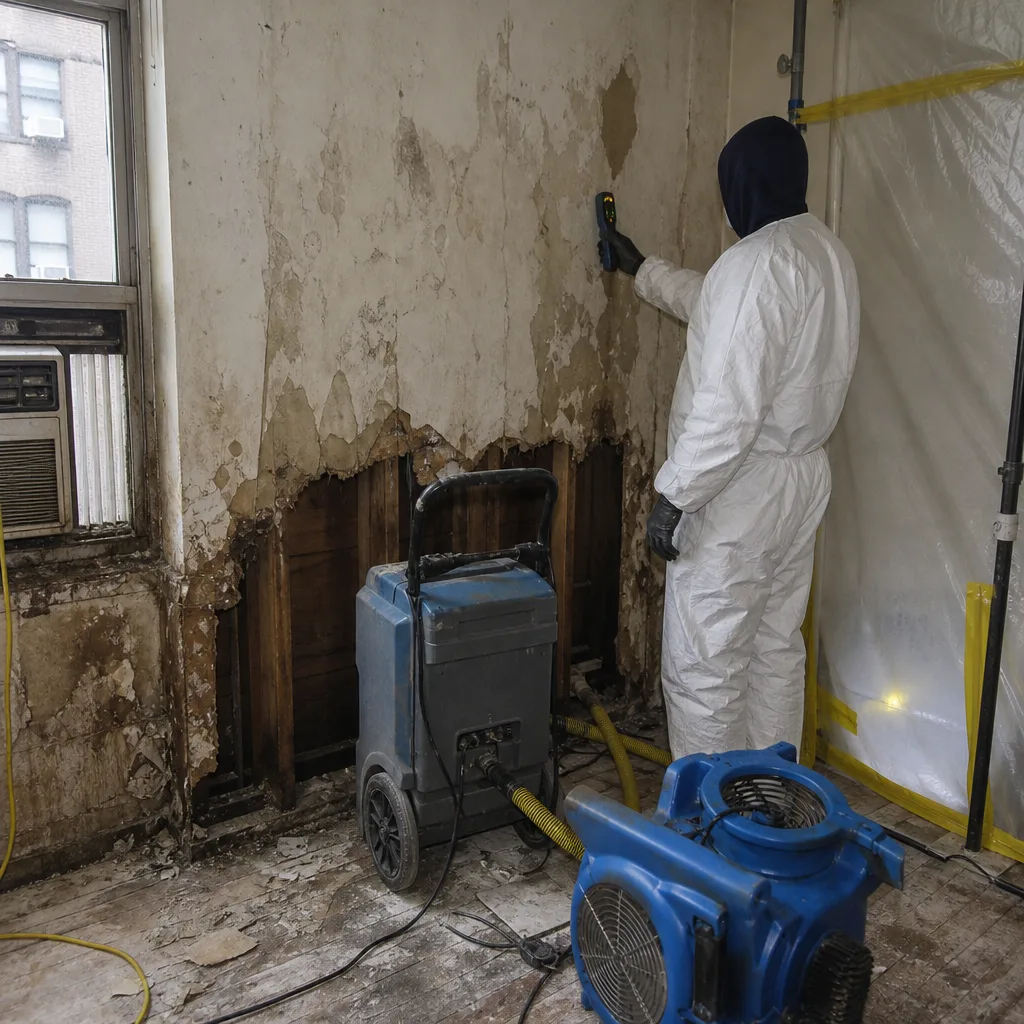 Before
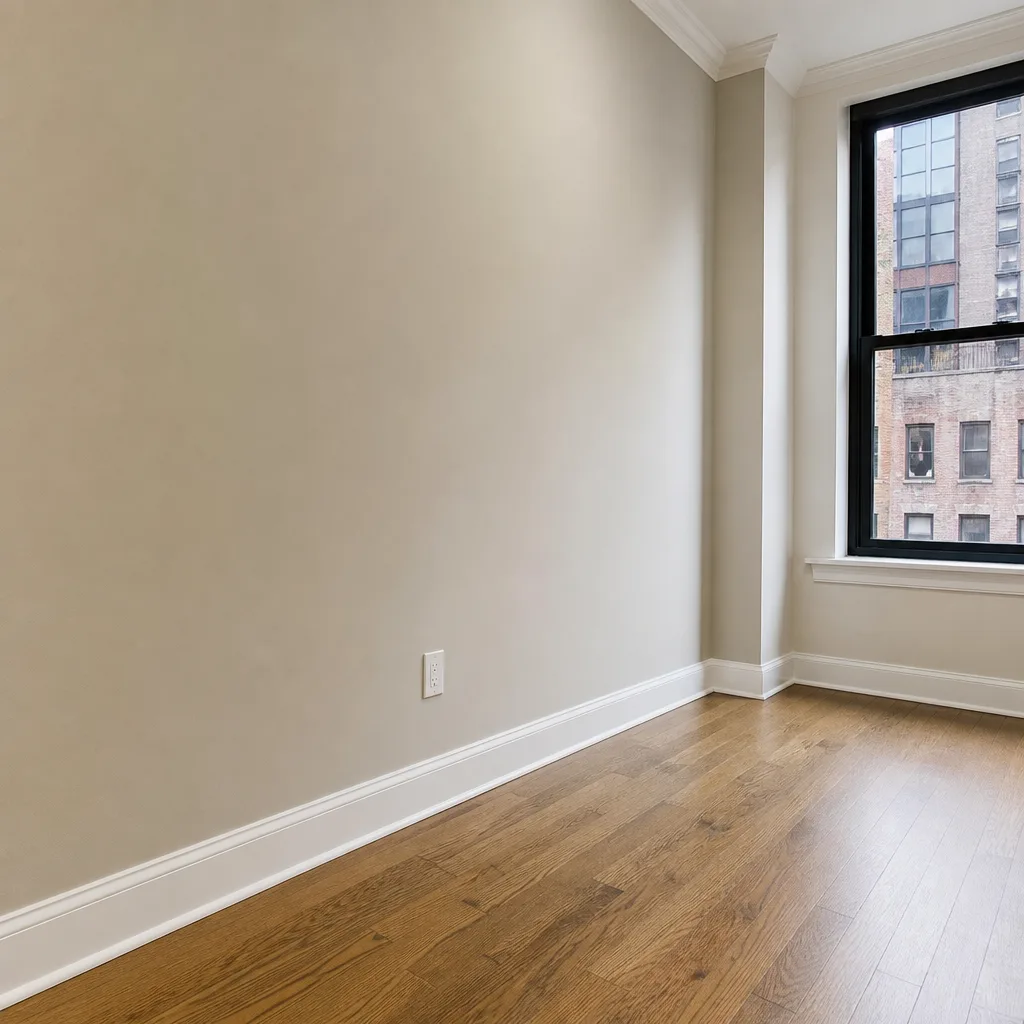 After
After24/7 Emergency Storm & Disaster Restoration in East Harlem
Storm damage in East Harlem rarely announces itself politely. A nor’easter drives rain sideways into a roof membrane on a 1920s tenement, or a summer microburst tears flat-roof flashing off a corner building near 116th Street, and within the hour water is moving through lath-and-plaster and into the apartment below. Floodline Restoration Co. runs live dispatch around the clock, every day of the year. When you call (518) 314-5660, a real person answers, not a recording. We send a certified crew into East Harlem immediately, and in most cases structural drying starts on that first visit. Our Storm & Disaster Restoration team sees this exact damage repeat itself every season in this neighborhood, and we build our work around what East Harlem’s towers and tenements actually do when weather hits them.
Understanding Storm & Disaster Restoration Severity in East Harlem Properties
East Harlem’s housing stock splits into two restoration profiles that most national cleanup companies never distinguish. The first is NYCHA tower stock: mid-century high-rises like the Wagner and Jefferson Houses, where a failed riser or window seal can push water through multiple stacked units before anyone files a work order. In those buildings, what starts as category 2 water from a roof drain backup can sit trapped in wall cavities for a week, turning into category 3 water contaminated with sewage or soil bacteria while approval paperwork crawls forward. The second profile is the pre-war walk-up: five and six story brick tenements built between the 1890s and 1930s, with original steam heat, cast-iron drain stacks, and lath-and-plaster assemblies that hold water for weeks and wick it silently across wood studs. Snowmelt on a flat built-up roof over a 1930s tenement can saturate a top-floor ceiling for a month before paint begins to bubble. Crews that do not know East Harlem read that as a roof patch job and miss the failed condensation drain sitting behind it. We use thermal imaging and moisture mapping to trace the actual water path before we ever cut drywall. Containment goes up first, then extraction, then structural drying, then the scope of work gets written line-by-line with your carrier.
Why East Harlem Property Owners Choose Floodline Restoration Co.
- 45-minute response commitment. When water is actively moving through East Harlem housing stock, every hour compounds the loss. Our nearest crew to this service area is dispatched the moment you hang up, and we commit to a 45-minute response window.
- 24/7 live answer, never an automated system. A real person answers the phone at (518) 314-5660 at 2 a.m., 3 a.m., on holidays. No voicemail tree, no callback wait. Curt Bowman built Floodline around a dispatch board, not a sales desk, and that is how it still runs.
- IICRC-certified crews. Our water damage and applied structural drying techs hold WRT and ASD certifications; mold work runs under AMRT protocols. That is more than a paper credential: it means the drying chamber we build in your apartment is logged with daily readings until a certified dry standard is met.
- Free visual inspection. We look first, explain what we found in plain terms, and give you a written scope before any work begins. No pressure, no scare tactics.
- Direct insurance billing with adjuster coordination. You never play messenger between Floodline and your carrier. We photograph the loss, write the estimate to industry standard, and talk directly to your adjuster from day one.
- One team from extraction to reconstruction. The same certified crew that reads the moisture map on day one handles the daily readings, hands the log to the homeowner and carrier, and rebuilds what needs rebuilding. No mid-job handoff to a different company, no inherited crew. Backed by our 90-Day Done Right Promise, in writing.
Our Storm & Disaster Restoration Process
Inspection & Assessment
We walk the affected area with thermal imaging and moisture meters. In East Harlem tenements that means tracing water through lathe, plaster, and floor joists; in NYCHA units that means mapping how far a leak has traveled across a shared wall before containment decisions get made. You get a written scope and a straight answer about what must be done now versus what can wait.
Extraction & Stabilization
Standing water is removed with truck-mounted and portable extraction units. In a fifth-floor walk-up with no elevator, our crews pack equipment up stairwells by hand; workflow is built around East Harlem building stock, not suburban floor plans. We secure the structure and stop active water before it migrates further.
Drying & Dehumidification
Professional-grade air movers from XPOWER and Phoenix pair with LGR dehumidifiers sized to the affected cubic footage. Equipment runs until daily moisture readings show the dry standard has been met. That takes three to five days in most East Harlem apartments, longer in NYCHA units where ventilation is limited and humidity hangs in corridors.
Cleaning & Sanitization
Category 2 and 3 water carry contaminants, and storm water in a densely populated neighborhood like East Harlem can pick up street-level residue, sewage backflow, and biological material. We clean and disinfect every exposed surface, treat salvageable contents, and compile a full contents inventory for your carrier.
Specialty Treatment for Storm & Disaster Restoration
Storm-specific work includes roof damage assessment, emergency tarping, board-up of broken windows, and structural stabilization after wind damage. In East Harlem, our storm crews regularly tarp flat built-up roofs on pre-war walk-ups and NYCHA tower mechanical penthouses alike, using equipment flown to where ladders will not reach.
Repairs & Restoration
Where flood cuts are needed, we remove saturated baseboard and plaster, expose studs for drying, and then rebuild. That means patching lath-and-plaster walls in a 1920s tenement or replacing gypsum board in a 1960s NYCHA unit with materials matched to the original profile. We stand behind every repair with the 90-Day Done Right Promise, in writing, no argument.
Need Emergency Storm & Disaster Restoration in East Harlem Now?
Crews minutes away, answering live 24 hours a day. The sooner we start, the less it costs.
Working With Your Insurance Company
Most East Harlem storm losses are covered under standard homeowners or co-op/condo policies, but the way the claim is documented from hour one determines whether you get a full settlement or a drawn-out fight. We start photographing before we start extracting. Flashings that failed, water level on the baseboard, the inventory being packed out: all of it gets captured with date and time stamps. Our adjuster communication is direct and ongoing, and our estimates are written to the same software your carrier’s adjuster uses, so line items match their format and the process moves faster. You should never be the one explaining moisture mapping or drying logs to an insurance desk. That is our job. And in East Harlem’s two-track world, where a NYCHA work order or a landlord dispute can add weeks to a simple claim, having one restoration company that speaks both insurance and building-management language is the difference between arguing for months and getting paid.
What We Provide Your Insurer
- Thorough documentation of the loss
- Photos of all damage, room by room
- Moisture readings and drying logs
- A detailed, line-item scope of work
- Direct coordination with your carrier
Built for East Harlem’s Loss Calendar
East Harlem has a storm calendar, and it rarely changes. January and February push deep freezes through Manhattan, and those are the months when supply lines in pre-war tenements fail under uninsulated exterior walls. A burst branch line in a fifth-floor walk-up sends water down five floors of lath-and-plaster before anyone hears it. March and April are thaw season: snowmelt from flat roofs finds every weak membrane and every cracked parapet flashing, and top-floor units take on sustained seepage for weeks. July and August bring real thunderstorm cells off the Hudson, and a single hour of flash flooding can overload rotted cast-iron drain stacks, sending storm water back up into garden-level apartments and basement corridors. September through November is nor’easter season, when sustained onshore wind and rain peel roofing materials off older buildings and test every window seal in NYCHA towers. Floodline Restoration Co. crews run the same response year-round because the damage type shifts with the season and the building stock stays the same. We know what breaks in East Harlem in each of these months, and we carry the equipment and the materials to start extraction and stabilization the same day we are called.
Storm & Disaster Restoration Across East Harlem’s Neighborhoods
East Harlem is not one neighborhood; it is a collection of distinct building clusters, and each responds to storm damage differently. Near 112th Street and Second Avenue, five-story tenements with original steam systems keep our phone busy all winter with weepy condensate return lines and cascading top-floor water losses. Along 116th Street near Lexington Avenue, the density of pre-1920s construction means water from one unit crosses party walls fast, and our containment crews work in tight, occupied apartments where there is nowhere to put a drying chamber except the middle of the living room. In the Wagner Houses near 124th Street and First Avenue, we deal with the slower, heavier problem: multi-floor riser failures where the work order has to clear NYCHA before our containment can be approved, and where the category of water can degrade while paperwork sits on a desk. Up around 125th Street toward the Metro-North viaduct, we see roof damage from wind-driven debris and recurring membrane failures on low-slope commercial buildings above ground-floor retail. The response routes are different on Sunday morning than on a Tuesday afternoon: Lexington Avenue slows to a crawl, the 125th Street corridor gets jammed around market hours, and our dispatch knows to route crews up First or Second Avenue to shave response time. We serve East Harlem end to end: 10029, 10035, east of Park Avenue, from 96th Street to the Harlem River.
Specialized Storm & Disaster Restoration Services We Offer in East Harlem
Storm Damage Cleanup
Storm cleanup in East Harlem means more than picking up debris. Water from a broken roof membrane can carry decades of accumulated roof detritus, tar residue, and pigeon droppings into a top-floor apartment. We contain the affected area, remove saturated materials, sanitize surfaces, and prepare the unit for drying in the same visit. In NYCHA buildings where approval to access shared electric rooms or shutoffs can take days, our crews are trained to work within the approval framework so your apartment is not left soaked while paperwork clears.
Flood Damage Restoration
Flash flooding from a hard summer storm overwhelms East Harlem’s aging storm sewers and sends water into garden-level and basement units through rotted cast-iron floor drains. We extract first: truck-mounted vacuums for accessible ground-floor spaces, portable extraction for walk-up apartments with no elevator. Moisture mapping follows, since flood water on a wood subfloor travels far beyond the visible waterline. Structural drying then runs with logged daily readings until the material reaches the dry standard, and we hand that log to you and your carrier. Flood damage in East Harlem tenements is commonly category 2 or 3 water, which means sanitization is part of the job, not an upgrade.
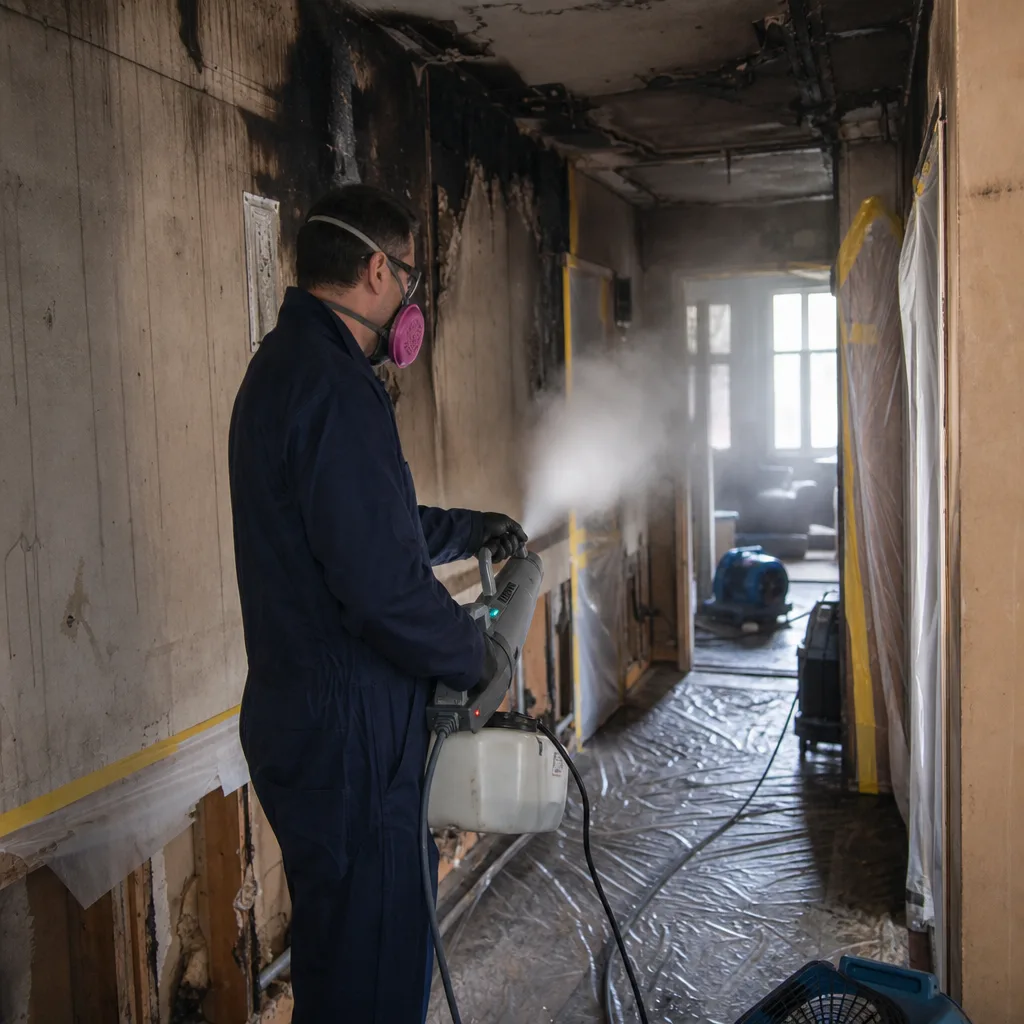
Emergency Board-Up
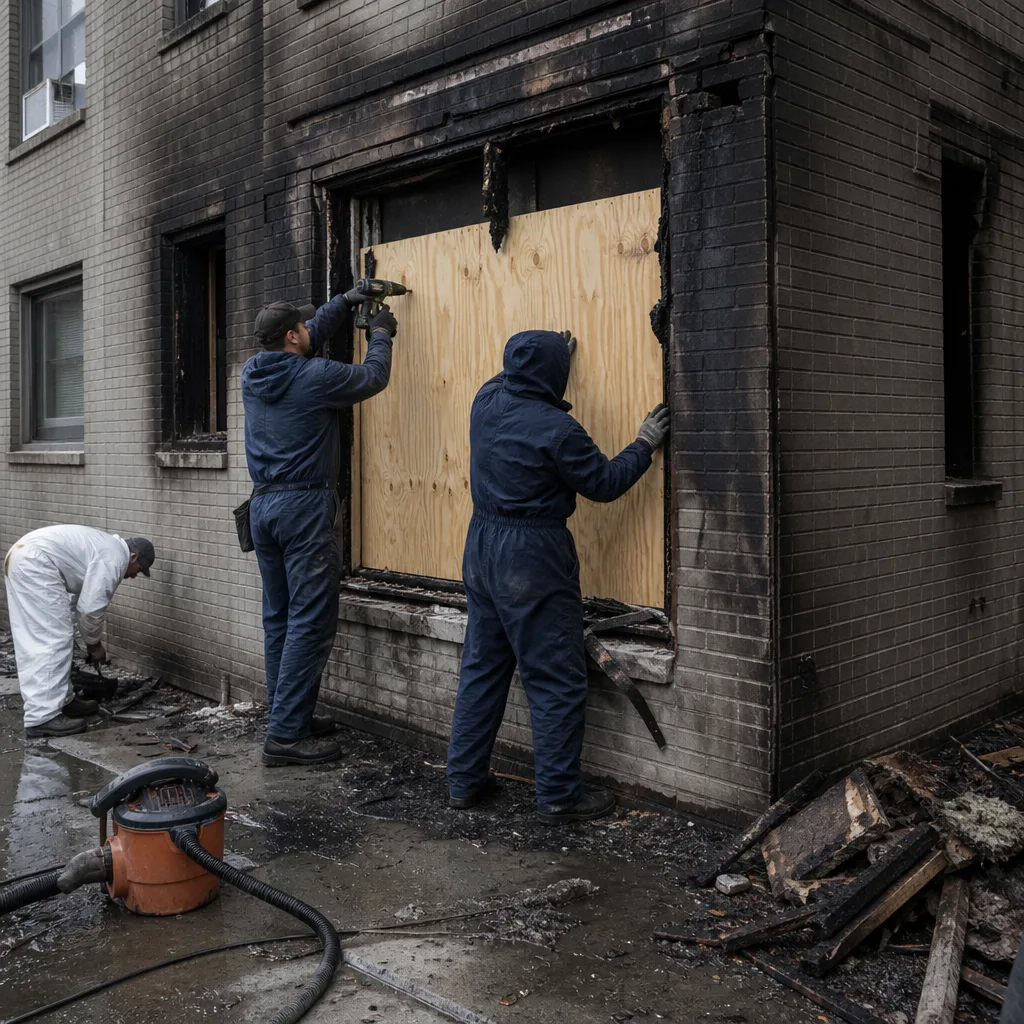
Broken windows from wind-driven debris, a collapsed storefront awning, a door kicked in by flood pressure: East Harlem stores and first-floor apartments need immediate board-up to prevent further weather entry and unauthorized access after a storm. We respond inside the hour with plywood cut to fit on site, screw-set and code-compliant where landmark or facade rules require steel panels. Board-up is always documented with pre-existing condition photos, so your insurance claim reflects the actual storm damage and not the temporary securing we did afterward.
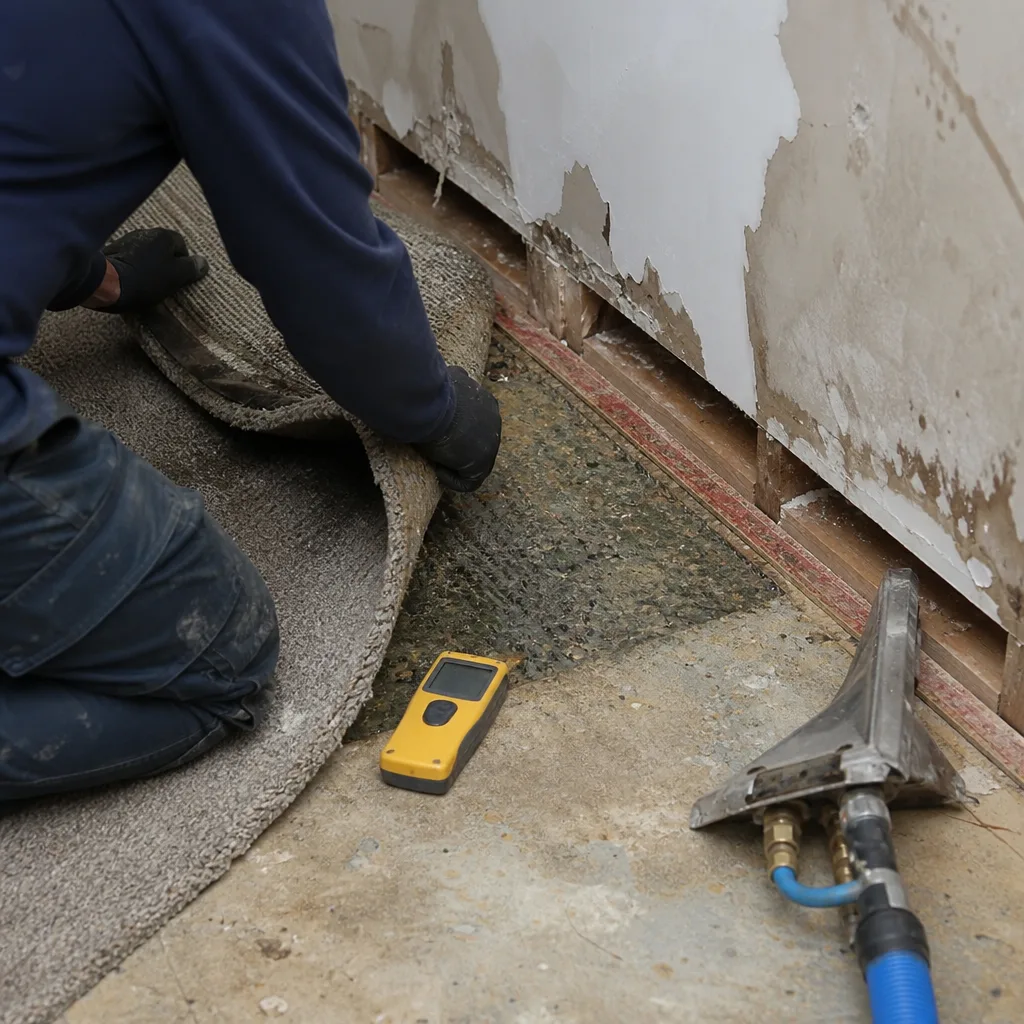
Roof Tarping
Flat built-up roofs dominate East Harlem, and a single torn membrane can funnel rainwater into a top-floor apartment within an hour. We deploy roofers with fall protection gear trained to tarp low-slope and flat roofs on pre-war tenements where parapet walls and old rooflines make simple tarp jobs anything but simple. Tarp installations are measured, cut, and anchored in place with batten strips, not thrown over the parapet and weighted with bricks. A correctly installed tarp holds for 30 to 90 days, enough time for a permanent roof repair to be scheduled and completed.
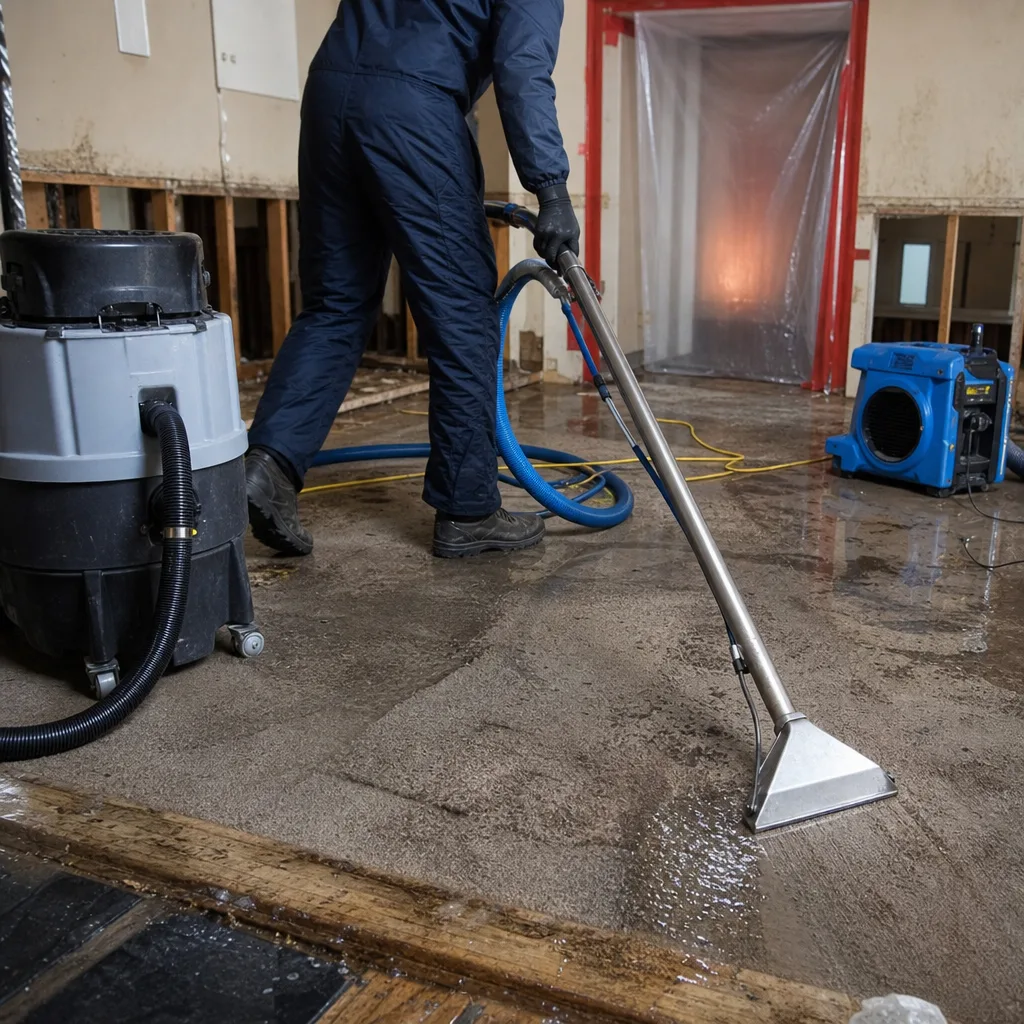
Debris Removal
After a storm event moves through East Harlem, broken glass, torn metal trim, saturated drywall, and fallen tree limbs from the few street trees along Madison and Fifth need to be removed and disposed of properly. In pre-war buildings, that debris almost always triggers testing for lead paint and asbestos-containing joint compound before full demolition can begin. We coordinate that testing and abatement with licensed local contractors so the cleanup path stays clear of regulatory surprises. Our Storm & Disaster Restoration team handles removal, bagging, transport, and disposal documentation in one line item.
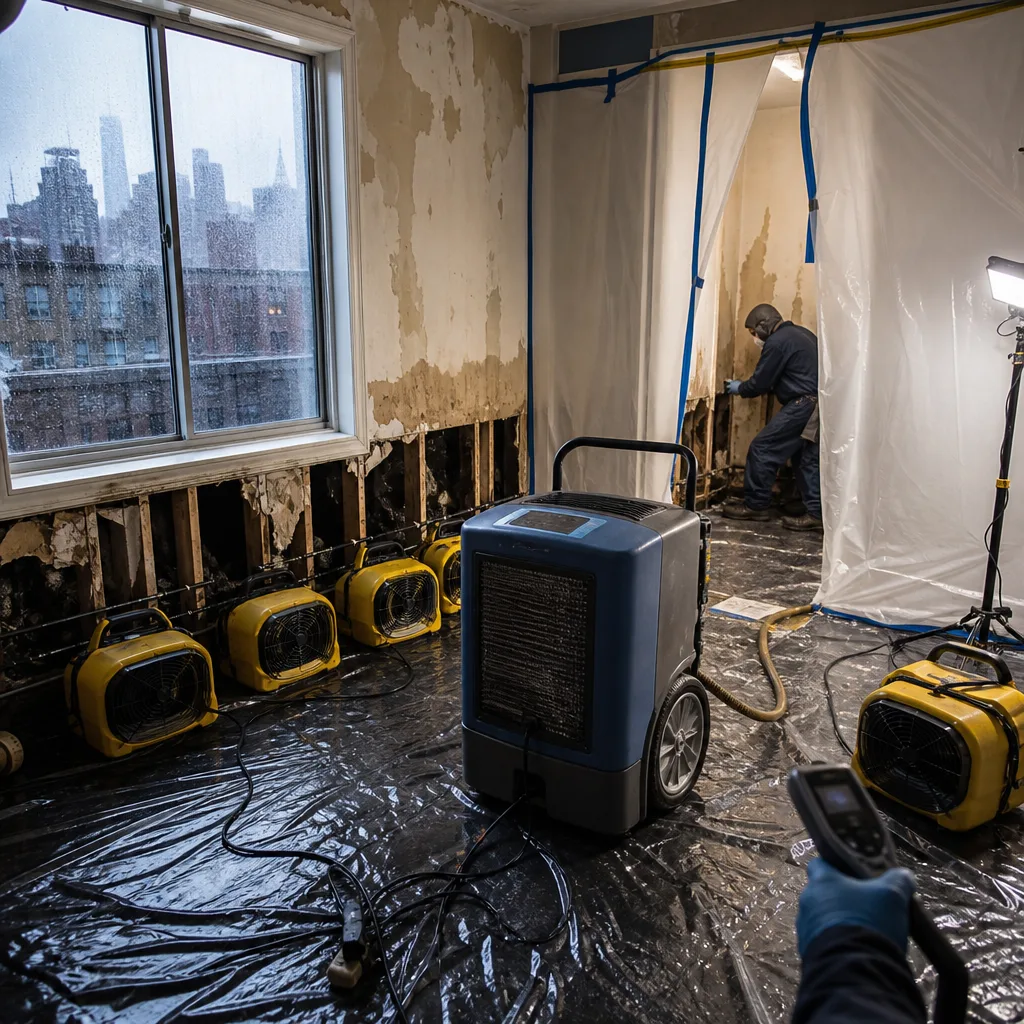
What happens when you call
- 1
A real person answersNo phone trees - you reach a local pro.
- 2
You get an upfront price rangeHonest numbers before anyone is dispatched.
- 3
A background-checked tech heads outLicensed & insured, dispatched right away.
- 4
You approve before work beginsNothing starts until you say go.
Storm & Disaster Restoration Costs in East Harlem, NY
Storm restoration pricing in East Harlem runs predictably once you know the housing stock. Emergency board-up of a storefront or first-floor window typically runs $350 to $750 per opening, depending on access and whether steel panels are required. Roof tarping for a flat built-up roof on a tenement or NYCHA building runs $450 to $1,100, based on roof size and how far our crew must carry materials up a stairwell or exterior fire escape. Full flood extraction with containment setup and initial drying equipment placement starts around $2,500 for a single garden-level apartment and climbs toward $8,000 to $12,000 when multiple floors are involved and pack-out is required. Storm debris removal with abatement coordination adds $400 to $1,500 depending on waste volume. Things that move the price: elevator access versus walk-up, number of affected units, whether your building is NYCHA, and the presence of lead paint or asbestos. Insurance generally covers the majority of storm losses, and we bill your carrier directly. A free visual inspection with a written scope is the only way to get a firm number, because no honest restoration company prices a storm loss sight unseen.
We Also Serve Cities Near East Harlem
Floodline Restoration Co. runs crews into all the neighborhoods surrounding East Harlem, including East Harlem, Midtown Manhattan, Midtown West, Murray Hill, and Washington Square. If your building sits on the edge of 96th Street or along the East River corridor near Randall’s Island, you are inside our regular dispatch radius, and the same 45-minute commitment applies.
East Harlem Storm & Disaster Restoration Questions, Answered
How do I handle a water leak that started in the apartment above me but is now soaking my ceiling in a pre-war East Harlem tenement?
Call (518) 314-5660 before the water saturates the lath-and-plaster beyond repair. In a pre-war tenement, water that starts in the apartment above travels through the joist bays and can pool for days in a single wood stud cavity before it ever shows on your ceiling. Document the water stain with time-stamped photos. Call your building management or landlord to gain entry to the unit above, but do not wait for them to act: our crew can begin containment and moisture mapping in your apartment while you sort access to the unit above. The longer the water sits, the more likely that lath-and-plaster ceiling must be cut out and replaced instead of dried in place. Call Floodline Restoration Co. at (518) 314-5660 and we will guide you through it.
What does NYCHA actually require before storm or flood remediation can start in Wagner Houses?
NYCHA requires a signed work authorization from the development’s property manager before any removal of building materials or access to riser closets can begin, and that paperwork can take days to move through the system. Our team has worked inside Wagner Houses on 124th Street and Jefferson Houses on 112th Street enough to know that the fastest path is documentation: we photograph the water source, log the category of water, and provide a written scope with current conditions. We then coordinate directly with NYCHA’s maintenance office rather than waiting for the resident to do it alone. When the approval comes through, our crew is already staged to run containment and extraction the same day. Delays are real, but they can be shortened when a restoration contractor speaks the agency’s language from the first hour.
Is the water from a burst steam riser in an East Harlem walk-up considered category 2 or category 3?
Most steam-condensate return line failures start as category 2 water because the water has been circulating through the building’s steam system and is carrying boiler additives, rust, and scale, but it is not yet contaminated with sewage. The problem in East Harlem is that the water often sits for weeks before anyone notices, and during that time it picks up whatever is inside the wall cavity: rat droppings, decaying insulation, lead-paint dust, deteriorated plaster. Water that sits and absorbs contaminants from the building itself can be reclassified as category 3. That changes the scope of cleanup: category 3 requires disposal of saturated porous materials like plaster and lath, not just drying. Have someone evaluate the water category and the exposure time before making cleanup decisions, and call (518) 314-5660 for a trained assessment.
Why do my top-floor ceilings keep getting wet every winter even though the roof was just patched?
In East Harlem tenements, the most common source of recurring top-floor winter water is not the roof at all. It is the steam-condensate return line running through the wall cavity above your ceiling. When that line backs up or weeps, the water follows the pipe chase down and re-wets the same ceiling every heating season. Roofing contractors patch the membrane, the roof is fine, and the water comes back in December because the steam system is the actual source. The fix starts with tracing the water path using thermal imaging and moisture mapping before anyone cuts into the ceiling. Call Floodline Restoration Co. at (518) 314-5660 and ask for a source-trace assessment before you spend another season chasing roof patches.
How do you set up containment and drying in a small, occupied tenement apartment without displacing the whole family?
We build negative-air containment around the affected area using plastic sheeting and HEPA-filtered air movers, then run our dehumidifiers inside that chamber while the rest of the apartment stays livable. In a small walk-up with one bedroom and a kitchenette, that often means containing the bedroom only and running a small-diameter exhaust duct out a window. Drying a contained room in an occupied apartment takes discipline: daily moisture readings, equipment checks every day, and clear instructions about keeping the plastic sealed. Most East Harlem families stay in their apartments during standard water-loss drying. We only recommend pack-out when the loss is category 3, when the affected area is a bathroom or kitchen you cannot use otherwise, or when the drying footprint would make the space unlivable. Ask for a containment plan during the free visual inspection.
How fast can a crew actually get to my East Harlem apartment after I call?
Floodline Restoration Co. commits to a 45-minute response time for emergency service inside the East Harlem service area. That starts with a live dispatcher who answers the phone 24 hours a day, every day, and who stays on the line while the nearest certified crew is routed. In real terms, a crew on First Avenue near 116th Street can drive to 125th Street in under ten minutes when traffic allows. Walk-up access and elevator availability add time once we are on site, not before. Most East Harlem residents see a crew at the door within the hour. Call (518) 314-5660 and a person will answer.
Will my insurance cover storm damage in an East Harlem building, or is this out-of-pocket?
The majority of storm and flood damage in East Harlem is covered under a standard homeowners, co-op, or renters policy, but the specifics depend on the source of the water. Roof leaks from rain or wind are typically covered, as is water from a burst pipe. Flooding from an overflowing rain sewer or the Harlem River may require a separate flood policy, depending on your carrier. In NYCHA buildings, the authority’s own insurance often covers building systems, while your renters policy covers personal property and alternate living expenses. The detail that matters is documentation from hour one. We photograph and log everything before we touch a wall. Call (518) 314-5660 and we will walk you through your specific coverage path during the free inspection.
What should I do in the first 30 minutes after I discover storm water coming in?
First, shut off the water if the source is a riser or a supply line inside your unit. Second, move electronics and valuables off the floor and away from the water path. Third, put a bucket or towel under an active drip, but do not try to open the ceiling: water under pressure or a failing plaster section can come down in a heavy slab. Fourth, document the conditions with your phone. Fifth, call (518) 314-5660. Do not wait for the rain to stop, and do not wait for a property manager to return a call. Every hour of active water movement inside an East Harlem tenement or NYCHA unit expands the loss footprint and pushes the job toward more invasive demolition. We will talk you through the first minutes while a crew is already routing.
Serving East Harlem, NY - Our Local Coverage Area
We’re based in the East Harlem area and know this community well. Use the map below to see our service coverage - if you’re nearby, we can almost certainly help.
Call Floodline Restoration Co. for Storm & Disaster Restoration in East Harlem
If storm water is moving through your apartment, your ceiling is bowing, or a window is open to the weather, call (518) 314-5660 right now. A live dispatcher answers, and we send a certified crew into East Harlem with extraction equipment running on the first visit. The damage will not wait for business hours. Neither do we. We are state-licensed, insured, and background-checked, and every job is backed by the 90-Day Done Right Promise, in writing, no argument. Free visual inspection. Direct insurance billing. One team from the floodline to the finished rebuild. Call (518) 314-5660 today and talk to a person who knows East Harlem’s buildings, not a call center script. Remember: $50 Off Any Repair Over $250, an $89 Seasonal Tune-Up, and a 5% Senior & Veteran discount are always available.
Written by Curt Bowman, Owner at Floodline Restoration Co., serving East Harlem and the surrounding area since 2010.