
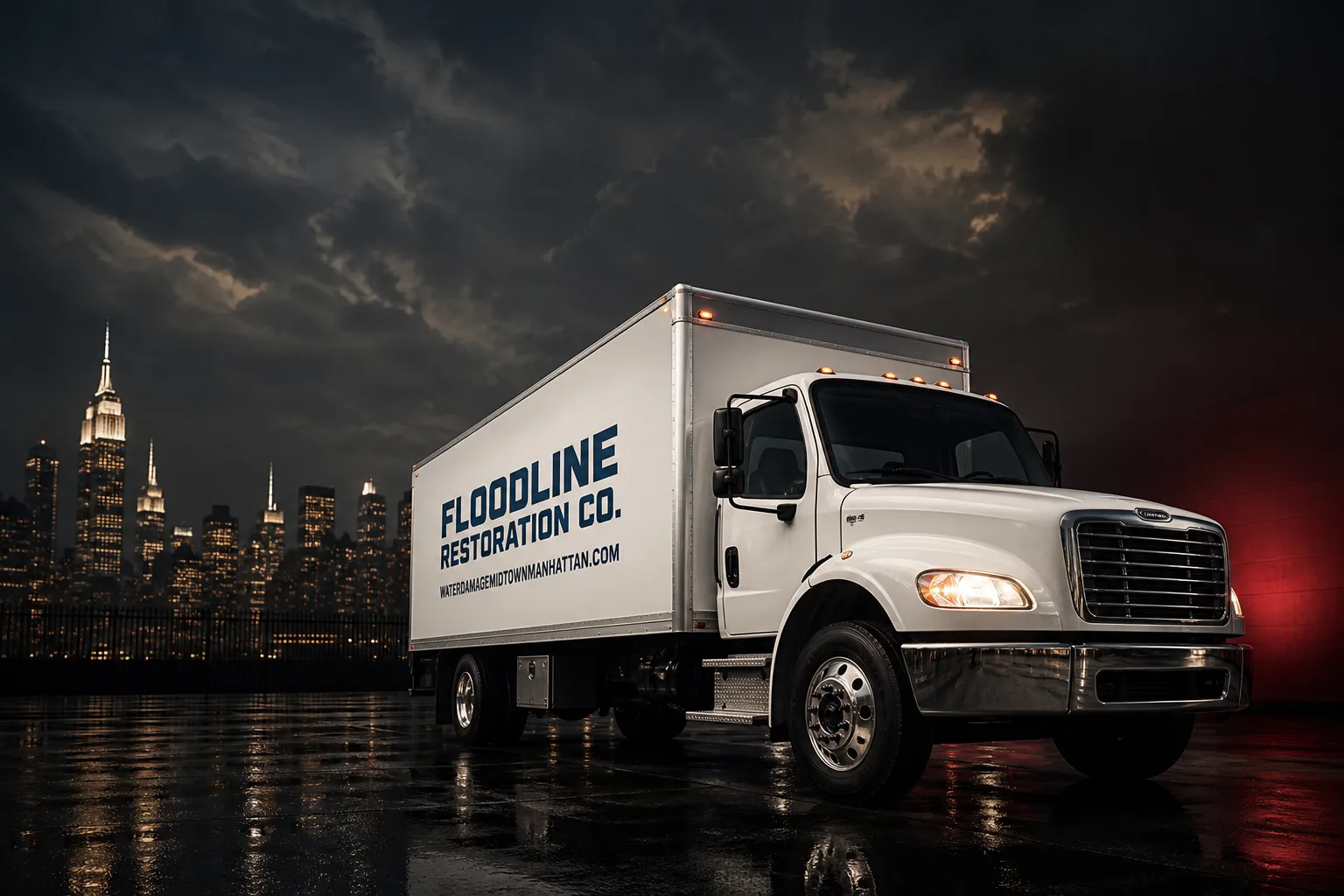
Free visual inspection and a written scope of work before any mitigation begins - photos, moisture readings, and drying logs go in your claim file
The scope we write is the scope we bill. Anything new gets shown to you, in writing, before we touch it.
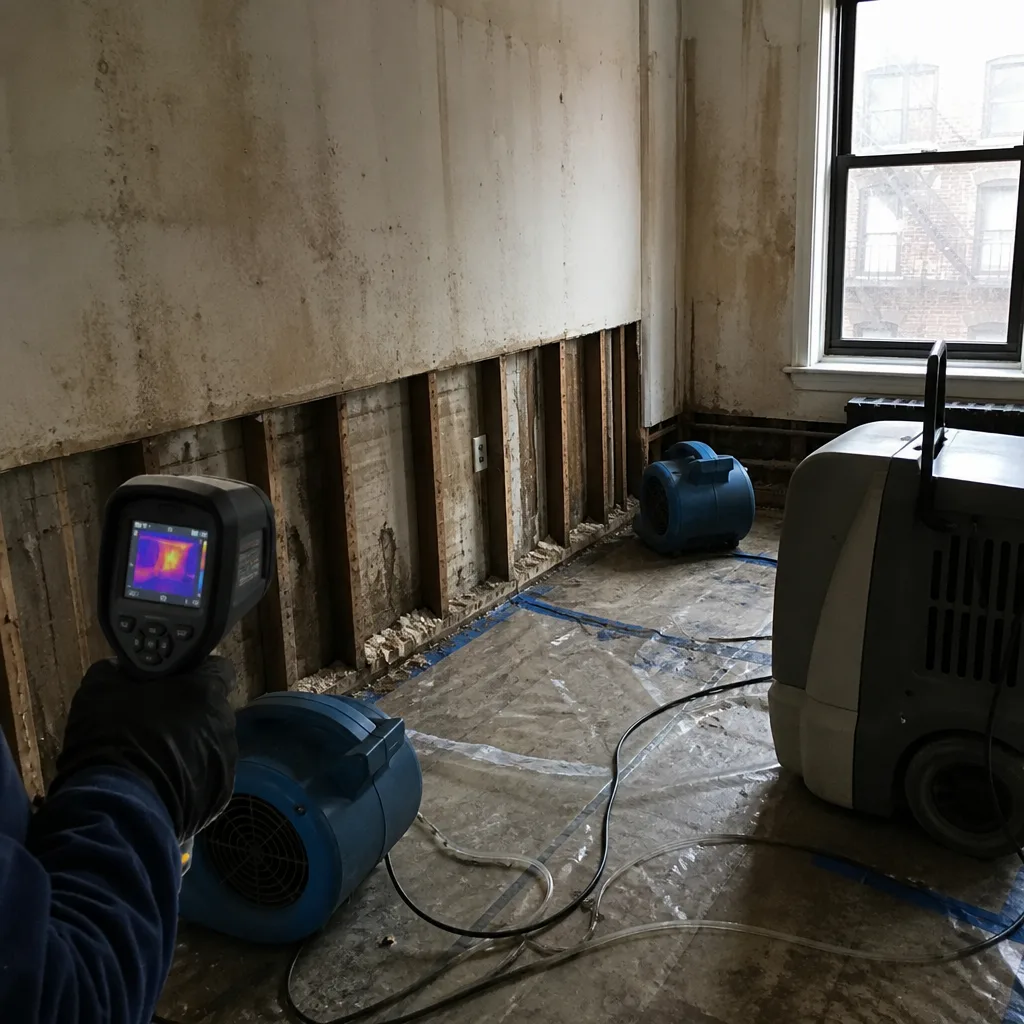 Before
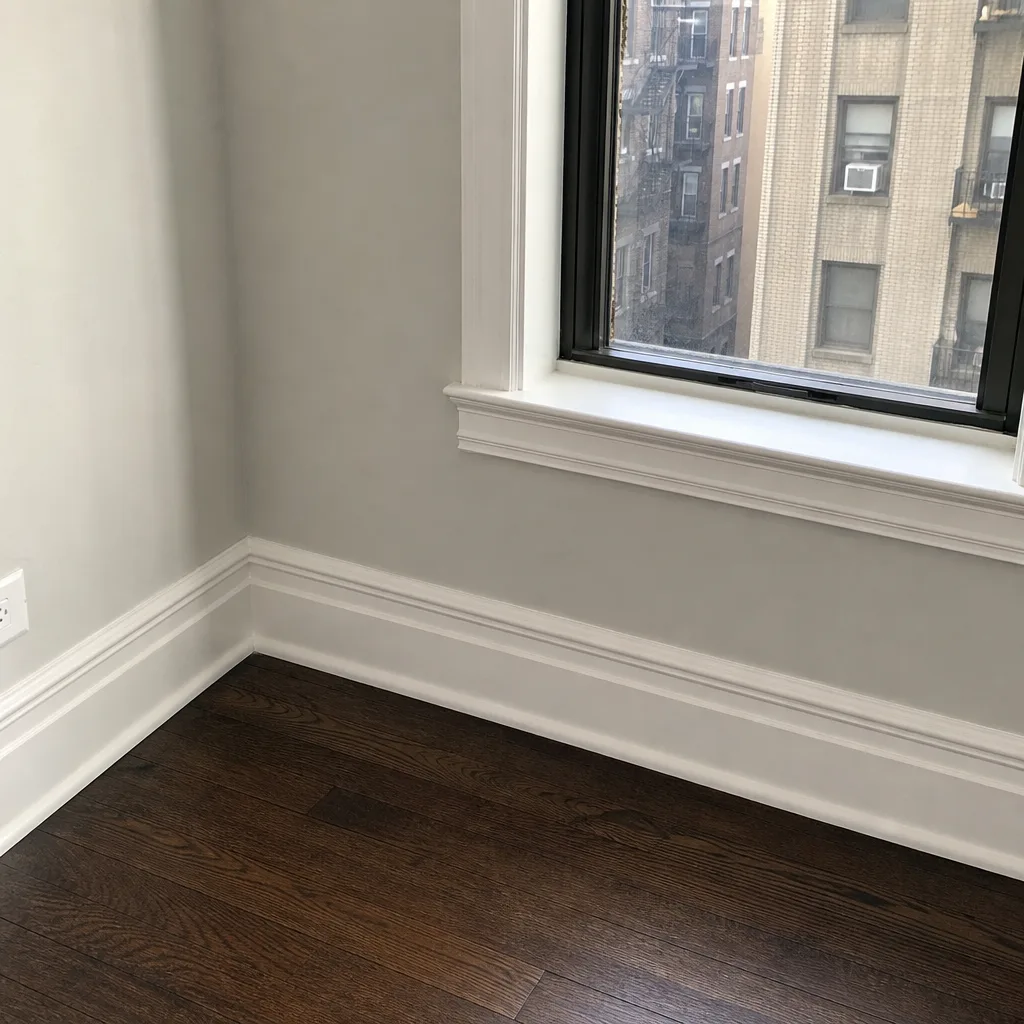 After
After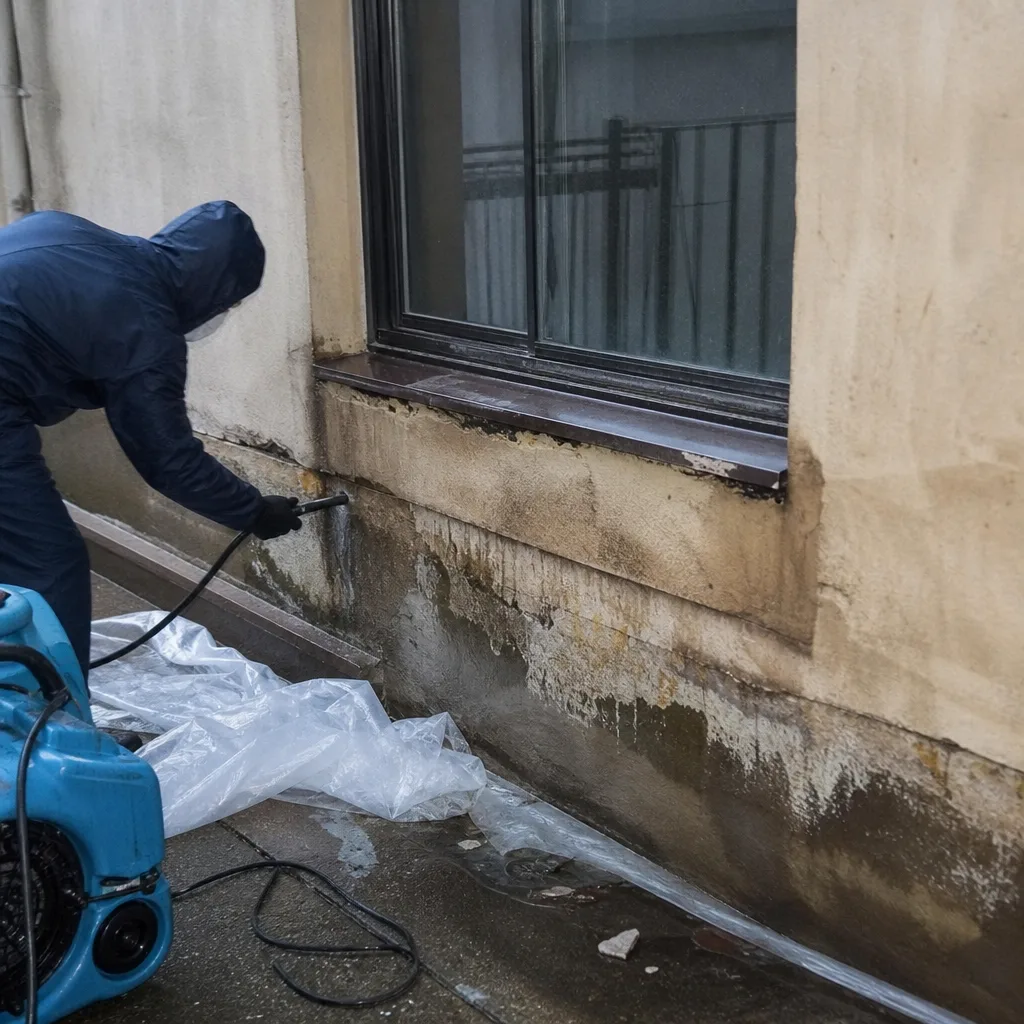 Before
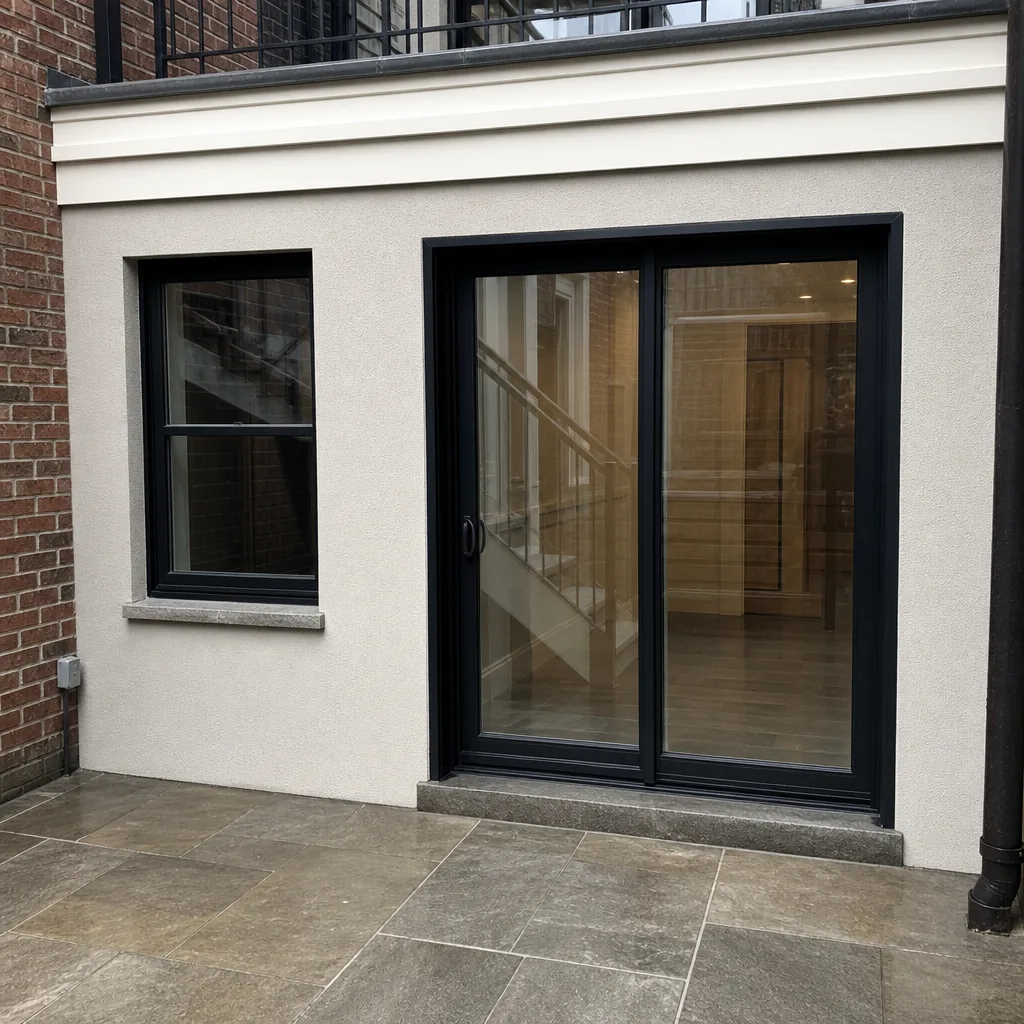 After
After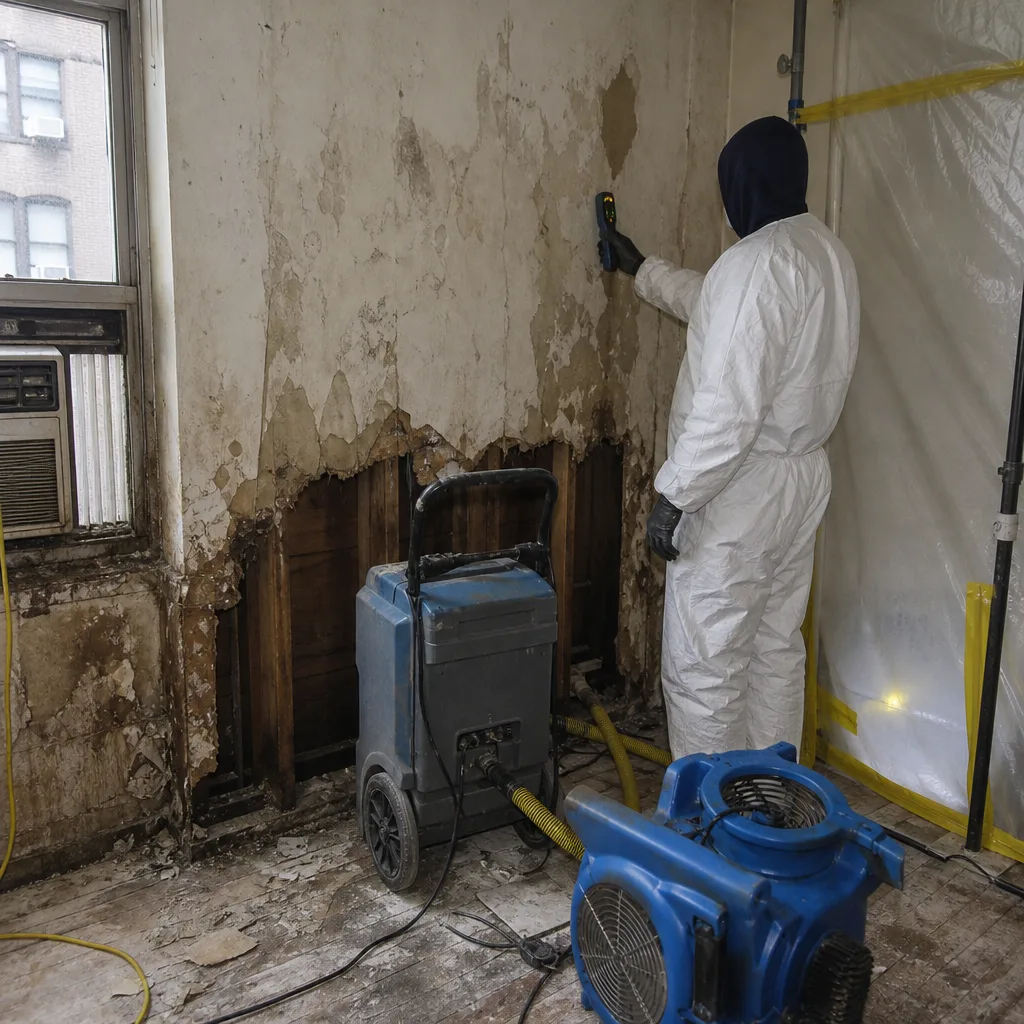 Before
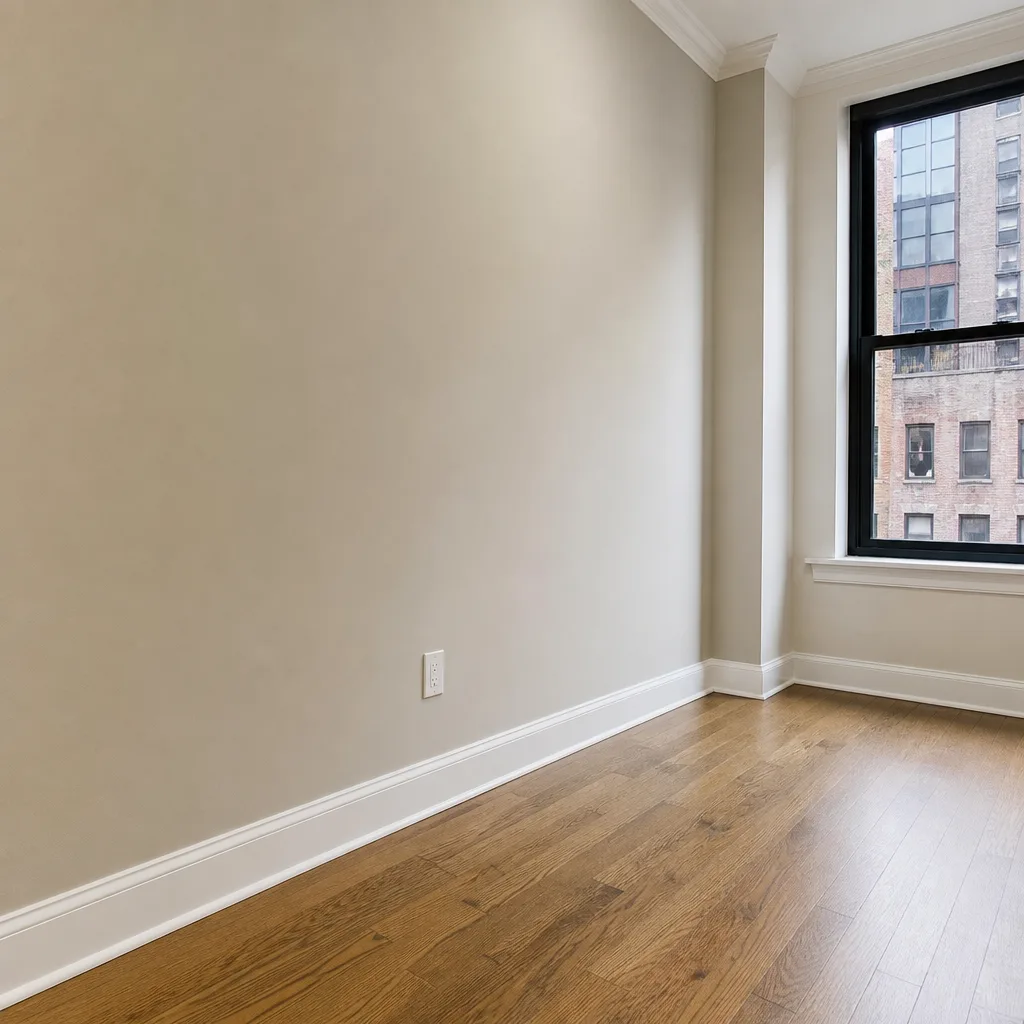 After
After24/7 Emergency Sewage Cleanup in Washington Square
Sewage backup in a Washington Square brownstone or NYU-area building needs immediate extraction. Call (518) 314-5660 and a live dispatcher answers right then, not a recording. We dispatch crews into Washington Square around the clock because Category 3 water does not wait for business hours. The first hour determines whether you’re dealing with a contained cleanup or a full gut renovation behind original horsehair plaster. Our team arrives fast, sets up containment, and starts extraction the same visit.
Most Washington Square sewage backups are Sewage Cleanup emergencies tied to failing cast-iron waste lines or combined sewer surcharge during heavy rain. The Minetta Brook beneath your basement makes these calls different from the ones we run ten blocks east. We will speak to that below. First, know this: a certified crew reaches your door fast, a written scope comes before work begins, and your insurance carrier gets direct billing with full photo documentation.
Understanding Sewage Cleanup Severity in Washington Square Properties
Sewage is always Category 3 water: grossly contaminated, carrying bacteria, viruses, and parasites. In Washington Square’s pre-Civil War row houses, that contamination does not stay where it spilled. Category 3 water migrates through shared brick party walls, under original wide-plank pine floors, and into the horsehair-plaster wall cavities that define these 1830s and 1840s Greek Revival homes. A toilet overflow that seems contained to one garden-level bathroom can be feeding a hidden cavity behind a landmarked wall within hours.
We classify the damage by source and spread. Category 2 water, the gray water from a tub or washing machine overflow, becomes Category 3 within 48 hours without treatment because bacteria multiply fast in the warm, still air behind plaster. Moisture mapping matters here more than in newer construction. Washington Square’s row houses breathe differently than a Midtown high-rise. Our techs use thermal imaging and penetrating moisture meters to find water that traveled through common brick before we commit to a drying plan. We do not drill into a Washington Square North facade without checking the NYC Landmarks Preservation Commission’s Individual Landmark list first. That check is the difference between a job that stays on schedule and a stop-work order that leaves a family out of their home for another week.
Why Washington Square Property Owners Choose Floodline Restoration Co.
- 45-minute response commitment to Washington Square addresses. Our dispatch board tracks the nearest certified crew and we hold ourselves to a hard arrival window because sewage spread does not pause for traffic on Sixth Avenue.
- A live person answers at 2 a.m., every night. No phone tree, no “press 3 for water.” You get a dispatcher who can tell you what to do in the first 30 minutes while the crew is already moving.
- IICRC-certified technicians on every truck. Water damage restoration (WRT) and applied structural drying (ASD) certifications are baseline. Sewage jobs require knowledge of antimicrobial application, containment, and clearance testing that we train to RIA and IFA standards as well.
- Free visual inspection, always. We do not charge to tell you the truth about what’s wet. The inspection leads to a written scope, not a sales pitch.
- Direct billing to your insurance carrier. We handle adjuster communication, photo documentation, and line-item estimates. You never play messenger between us and your carrier.
- One team from first extraction to final rebuild. When the sewage remediation is done and the wall is opened, the same Floodline crew handles the restoration carpentry. No mid-job handoff to an inherited subcontractor.
Our Sewage Cleanup Process
Inspection & Assessment
We trace the sewage source and map the migration path. In Washington Square, that means checking party walls, cast-iron chase cavities, and slab penetrations where the Minetta Brook’s groundwater pressure can force sewage back up through floor drains. Moisture mapping with penetrating meters and thermal imaging shows us exactly what is wet, including what you can’t see behind original plaster.
Extraction & Stabilization
Certified techs run Dri-Eaz submersible pumps and truck-mounted extractors to remove standing Category 3 water fast. Containment goes up before we move equipment through the home, using negative air pressure to keep contaminated air from reaching clean rooms. We stabilize the source first: capping the waste line, clearing the backup, or patching the failed cast-iron.
Drying & Dehumidification
Phoenix air movers and low-grain refrigerant dehumidifiers run continuously, with daily moisture readings logged until the dry standard is met. In a Washington Square brownstone, that often means drying inside wall cavities via Injectidry negative-pressure mats rather than drilling through landmarked plaster. We hand you the drying log and send the same log to your carrier.
Cleaning & Sanitization
We remove contaminated materials that cannot be sanitized: wet drywall, soaked plaster base coats, carpet, pad, and any porous contents that touched Category 3 water. Remaining structural surfaces receive EPA-registered antimicrobial treatment. B-Air HEPA air scrubbers run during this phase to capture airborne pathogens.
Specialty Treatment: Sewage Backup & Black Water
Washington Square’s cast-iron waste lines introduce extra risk after a backup. Sewage pathogens can live in rust pits and scale inside old pipe walls even after the visible mess is gone. We scope accessible sections with camera inspection and apply antimicrobials inside the chase cavity where the original plaster is preserved. If a section of cast-iron is cracked or separated, we flag it for replacement before it backs up again.
Repairs & Restoration
The same Floodline crew that extracted the sewage rebuilds what we removed. For landmarked Washington Square North row houses, that means milling replica trim profiles to match the 1834 original, or recreating a wainscot profile after the LPC approves the removal work. Our 90-Day Done Right Promise covers the complete job, in writing.
Need Emergency Sewage Cleanup in Washington Square Now?
Crews minutes away, answering live 24 hours a day. The sooner we start, the less it costs.
Working With Your Insurance Company
On a Washington Square sewage loss, your carrier usually covers sewage backup cleanup under a standard homeowners policy, though the coverage sub-limit varies by carrier and can be as low as $5,000 or as high as $25,000 depending on your endorsement. We photograph everything room by room before we remove a single item, document the Category 3 source, and log moisture readings the insurer can read. Our line-item scope uses industry-standard estimating software your adjuster recognizes. We coordinate directly with the adjuster, send the documentation, and answer their questions. You should not be playing messenger between the restoration company and your insurance desk. That is our job.
What We Provide Your Insurer
- Thorough documentation of the loss
- Photos of all damage, room by room
- Moisture readings and drying logs
- A detailed, line-item scope of work
- Direct coordination with your carrier
Built for Washington Square’s Loss Calendar
Washington Square’s sewage backups follow a pattern we have mapped across every block between Fifth Avenue and Sixth, from Waverly Place to West 4th. July and August bring the intense convective storms that overwhelm the combined sewer system that has served lower Manhattan since the 1800s. When the storm sewers surcharge, that pressure has to go somewhere, and in Washington Square it pushes up through basement floor drains, toilets, and slab cracks. The buried Minetta Brook compounds it: groundwater that never stopped flowing beneath Greenwich Village creates baseline hydrostatic pressure against foundation slabs all year. A heavy rain on saturated ground pushes Category 3 water into basements here faster than anywhere uphill.
January and February are different. Deep freezes crack old cast-iron waste lines that have been rusting from the inside since before the Civil War. When the line thaws, or when the next heavy use hits, sewage backs up into the lowest fixture. Many Washington Square row houses still have original cast-iron stacks running through the center of the building. We replace sections with PVC or newer cast-iron as part of the restoration, always after checking LPC requirements for what is visible versus what is hidden inside the chase.
Sewage Cleanup Across Washington Square’s Neighborhoods
Washington Square North, the landmarked row of Greek Revival houses built between 1832 and 1833, gives us our most complex sewage jobs. These homes have original horsehair plaster over hand-split lath, and the NYC Landmarks Preservation Commission requires review before any work that affects historic fabric. No other part of the Square carries that review layer. When a combined sewer backup floods a garden-level kitchen here, we set containment across the original stair hall and run Phoenix air movers and dehumidifiers with moisture mapping that logs structural drying inside the party wall. On Washington Square North, a landmarked 1834 row house had a combined sewer backup flood its garden-level kitchen with Category 3 water. Our crew set containment across the original stair hall, used Dri-Eaz pumps for water extraction, then ran Phoenix air movers and dehumidifiers with moisture mapping to log structural drying in the horsehair-plaster party wall before LPC allowed us to remove the wainscot.
Along Washington Square South and the blocks around NYU, converted carriage houses and former single-family brownstones now split into apartments have their own failure pattern: multiple waste lines meeting old cast-iron stacks that were never sized for modern water volume. A backed-up line on the fourth floor floods the garden unit below. East of the Square, around University Place, co-op buildings with shared stacks see sewage migration through party walls that no single unit owner controls. We scope the neighbor’s side when we can, because the Category 3 water that went through the common brick is still there even if the visible mess is not.
Specialized Sewage Cleanup Services We Offer in Washington Square
Sewage Backup Cleanup
A sewage backup in a Washington Square brownstone requires more than extraction. We trace the source, clear the line, map the migration, remove contaminated materials, and dry the structure to standard. Cast-iron supply-pipe chases are a common hidden cavity where sewage water sits. We treat inside those chases with antimicrobials before we close them back up.
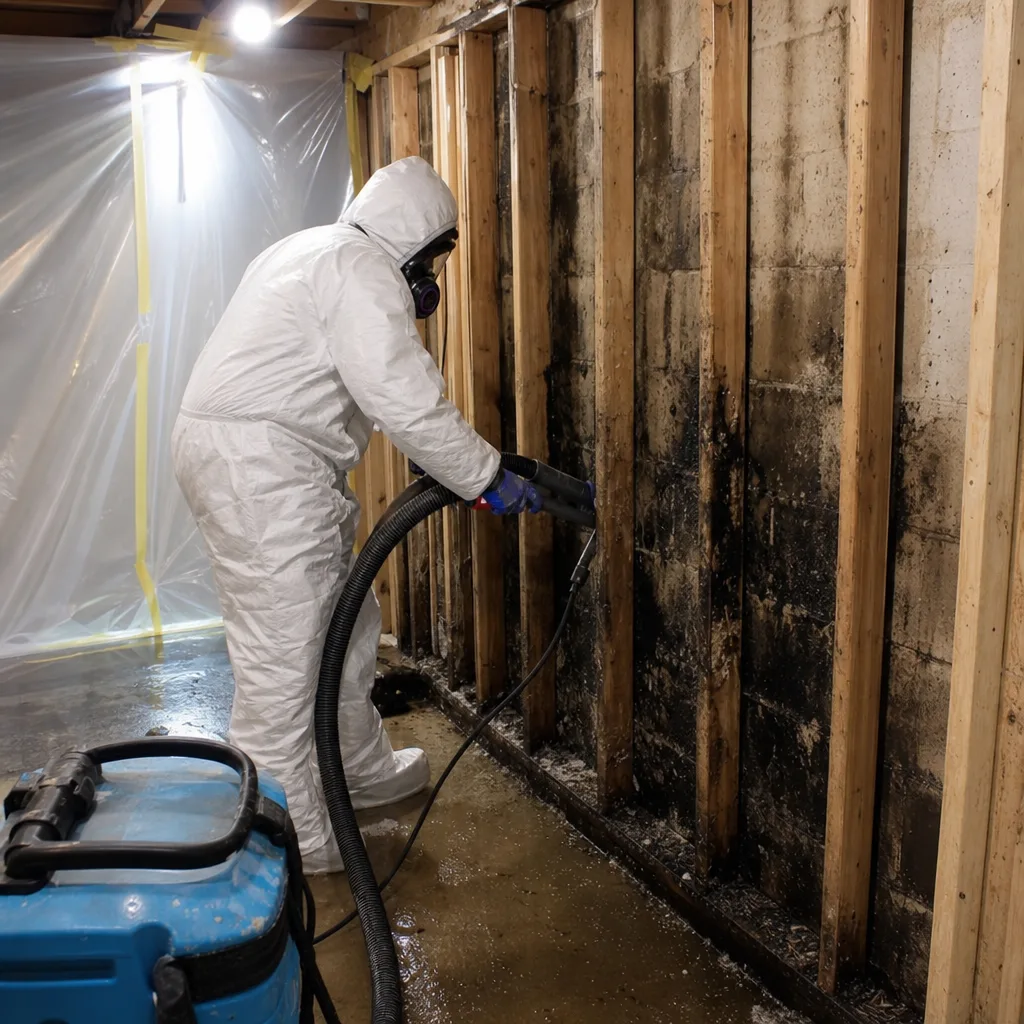
Black Water Extraction
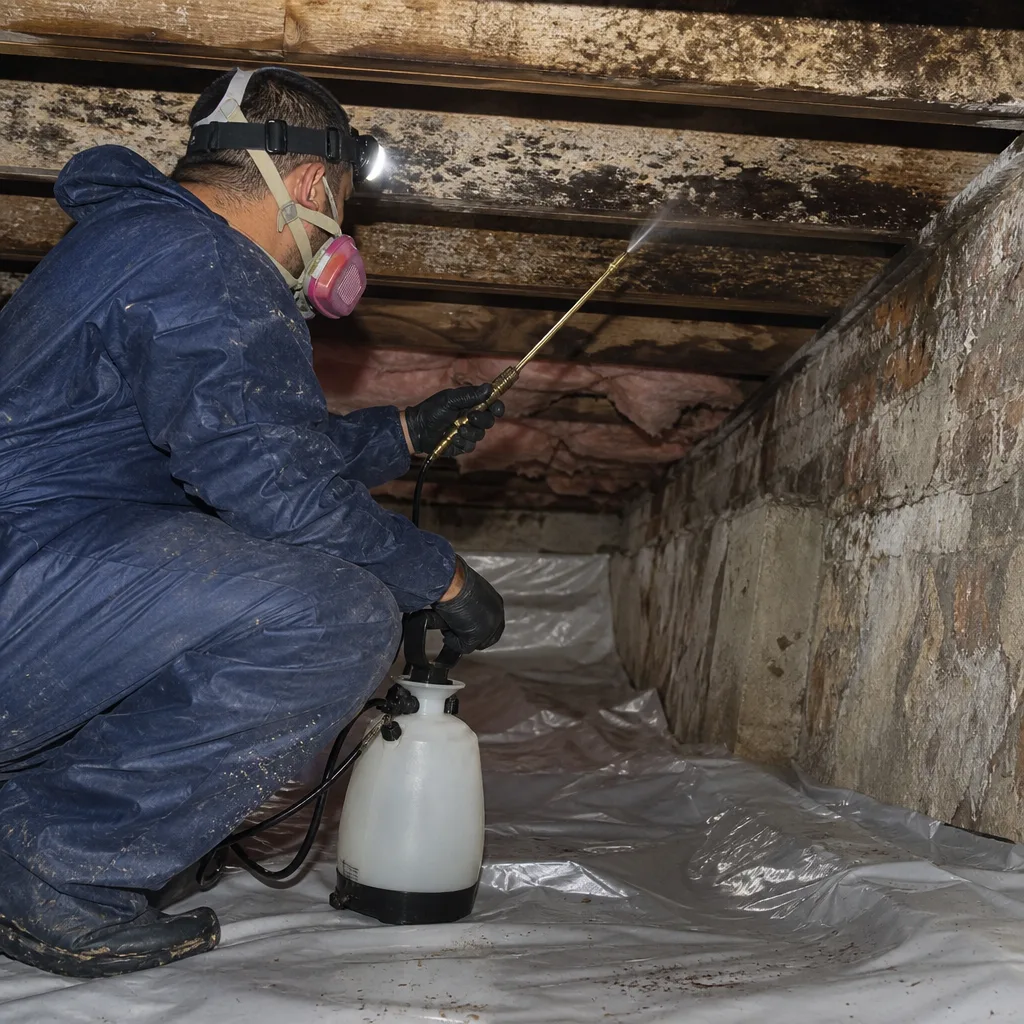
Black water from sewage is the most hazardous classification of water damage. Our crews wear full PPE, run HEPA air scrubbers such as the B-Air units on our trucks, and set containment before any standing water moves. We never pump black water out a window into a Washington Square basement well, which would just reintroduce the contamination through the foundation.
Toilet Overflow Cleanup
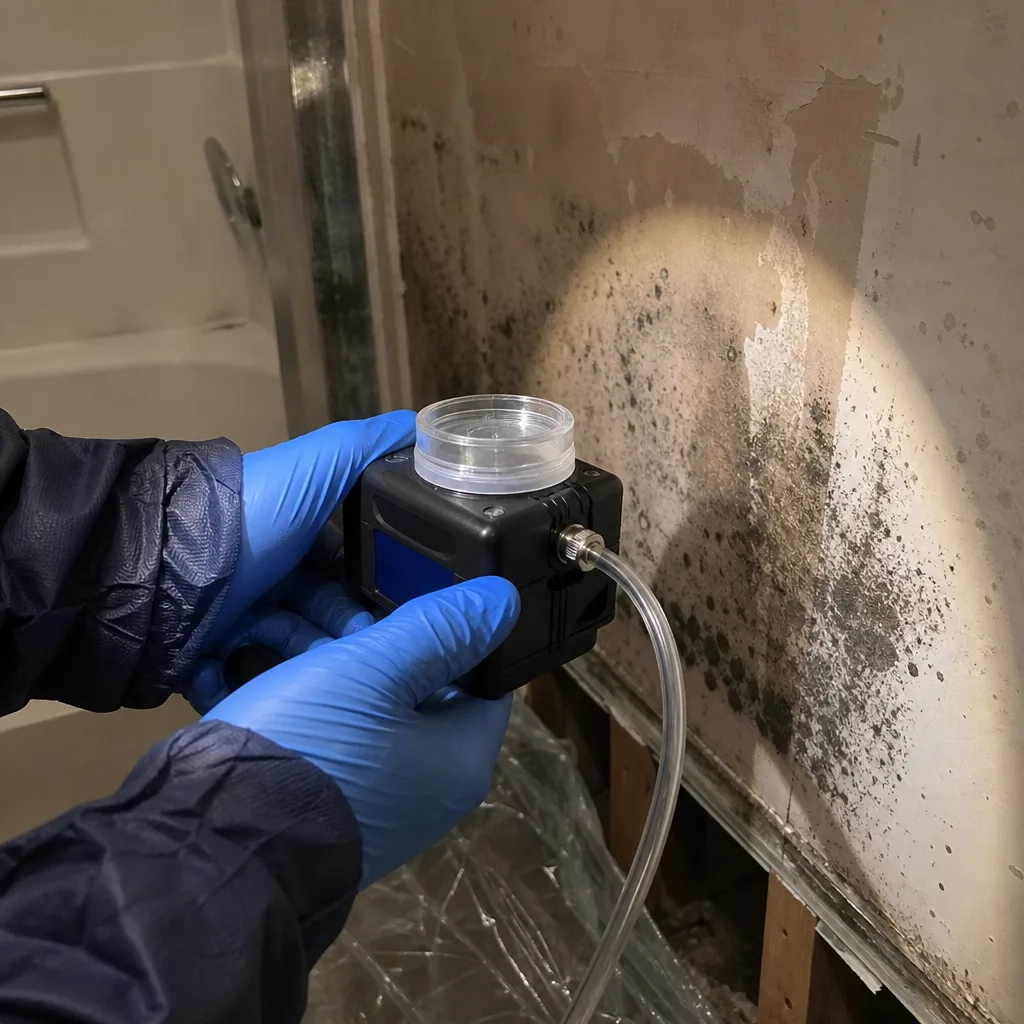
A toilet overflow that started as Category 2 gray water turns Category 3 within two days in the warm air behind original plaster. Washington Square residents commonly assume a toilet overflow is “clean” because it is just water. We treat every overflow in a pre-Civil War building as a potential sewage event, because the waste line it came from is a century old and not clean inside.
Septic Failure Cleanup
Some Washington Square properties, particularly converted carriage houses with garden-level additions, still have legacy septic or cesspit connections. When a cesspit fails, sewage can surface in a rear yard or push back through the building’s lowest drains. We coordinate the repair with the building’s plumber, handle the contamination removal, and restore the affected spaces.
Sanitization & Disinfection
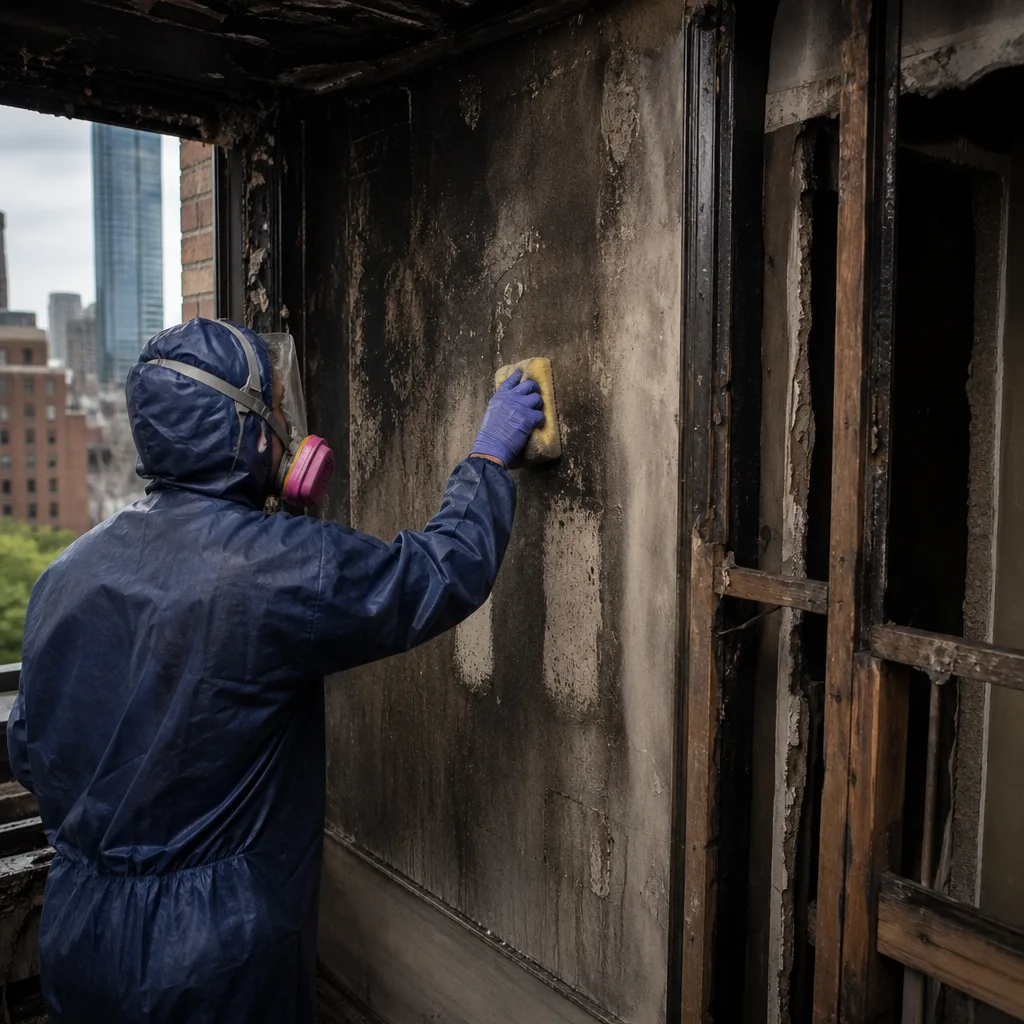
After any Category 3 event, we apply EPA-registered antimicrobials to structural surfaces that remain. That includes the common brick inside party walls where moisture mapping shows sewage travel even when the visible surface looks dry. For landmarked interiors where the original plaster is preserved, we use non-destructive drying with Injectidry mats before application.
What happens when you call
- 1
A real person answersNo phone trees - you reach a local pro.
- 2
You get an upfront price rangeHonest numbers before anyone is dispatched.
- 3
A background-checked tech heads outLicensed & insured, dispatched right away.
- 4
You approve before work beginsNothing starts until you say go.
Sewage Cleanup Costs in Washington Square, NY
In Washington Square, a typical sewage backup cleanup runs $2,800 to $8,500 depending on how far the Category 3 water traveled and whether structural drying inside party walls or plaster chases is needed. A contained toilet overflow with same-day extraction in a single bathroom might be $1,500 to $3,200. A combined sewer backup that floods a garden-level kitchen and requires landmarked-wall containment, full extraction, antimicrobial treatment, and restoration carpentry can range from $12,000 to $35,000 on this side of Fifth Avenue. What moves the price: square footage of affected floor, whether the water went under original wide-plank pine floors, whether LPC review is triggered, and whether cast-iron pipe replacement is required as part of the restoration. Insurance typically covers the cleanup portion under your backup endorsement; the restoration rebuild is often part of the same claim. Our visual inspection is free, and a written scope locks the number before we start.
We Also Serve Cities Near Washington Square
Floodline Restoration Co. runs certified crews into Washington Square and the surrounding neighborhoods daily. That includes Midtown Manhattan, Midtown West, Murray Hill, and Upper Manhattan. Same dispatch board, same live phone answer, same 90-Day Done Right Promise whether the backup is in a Greenwich Village brownstone or a pre-war co-op thirty blocks north.
Washington Square Sewage Cleanup Questions, Answered
Does the buried Minetta Brook actually affect sewage backups in Washington Square basements today?
Yes, it does. The Minetta Brook still flows beneath Greenwich Village, and Washington Square sits directly above its old course. That buried water creates persistent hydrostatic pressure against basement slabs and foundation walls. When a combined sewer surcharge hits during heavy rain, the groundwater pressure from the brook can force Category 3 water up through slab cracks, floor drains, and sumps in Washington Square basements. The same rain event uphill in the West Village or East Village does not produce that pressure pattern. Call (518) 314-5660 for a free inspection if you see water rising through your basement slab after a storm.
Why would a sewage cleanup job on Washington Square North need Landmarks Preservation Commission approval before any demolition?
Washington Square North’s “Row” is a designated New York City Individual Landmark and sits inside the Greenwich Village Historic District. The LPC requires review before any work that affects historic fabric, including removing original plaster, wainscot, or flooring damaged by sewage. A tech who drills drying holes through a landmarked facade without LPC sign-off gets a stop-work order. That is why we check the Individual Landmark list before we begin any Washington Square North sewage job. Call (518) 314-5660 and we will explain what needs review on your building before work starts.
Our Washington Square brownstone shares a party wall with an NYU-owned building. Whose sewage water is it when the backup came through the common wall?
Legally, the contamination is a shared-building problem that your insurance company and the neighbor’s carrier sort out. Practically, the Category 3 water that migrated through the common brick belongs to whoever’s side has the moisture reading. We have scoped jobs where our client’s basement was dry by our meter, but the neighbor’s side of the party wall held 35% moisture content. Without scoping behind your side of the wall, that hidden contamination stays invisible until the smell comes through weeks later. Our moisture mapping covers your side and, with access, we document the neighbor’s side. Call (518) 314-5660 for a free inspection.
Can cast-iron sewage pipes in pre-Civil War Washington Square row houses be dried and disinfected, or must they be replaced after a backup?
It depends on how much wall thickness is left inside the pipe. Washington Square’s cast-iron waste lines are 170 to 200 years old in many buildings. The interior surface is often deeply rust-pitted, which gives sewage pathogens a place to survive even after antimicrobial treatment. If the pipe is structurally sound, we disinfect the accessible interior and treat the chase cavity. If camera inspection shows cracks, separations, or sections with less than a third of the original wall remaining, replacement is the only durable fix, usually with PVC or new cast-iron. Call (518) 314-5660 and we will scope your line during the inspection.
How fast does sewage cleanup need to start in a Washington Square basement before it affects the landmarked plaster walls?
Within the first 24 to 48 hours, ideally within the first 6 to 12. Horsehair plaster is extremely absorbent. Once Category 3 water wicks into the plaster base coat and the lath behind it, the damage layer becomes thick, heavy, and difficult to dry without opening the wall. On Washington Square North, where the plaster is protected by LPC review, you want drying started before the moisture reaches deep into the base coat. Faster extraction means less demolition. Call (518) 314-5660 any hour; a certified crew can be on site the same night.
How long does sewage damage take to dry in a Washington Square brownstone?
Standard structural drying takes 3 to 7 days with professional equipment, but Washington Square’s pre-Civil War row houses can run longer. Party walls of hand-laid brick with original horsehair plaster hold moisture differently than drywall over studs. Hidden cavities behind wainscot, inside cast-iron pipe chases, and under original wide-plank pine floors can extend the drying schedule. We log daily moisture readings with thermal imaging and penetrating meters until the dry standard is met. That log goes to you and your carrier. Call (518) 314-5660 for a free assessment of your specific building.
Will my insurance pay for sewage cleanup in Washington Square?
Most standard homeowners policies in New York include some coverage for sewage backup, but the sub-limit varies between $5,000 and $25,000 depending on your endorsement. The cleanup portion, including extraction, drying, and antimicrobial treatment, is typically covered. The restoration rebuild is often part of the same claim if the cause was a covered peril. We photograph everything, document the source, and coordinate directly with your adjuster so you are not chasing carrier paperwork. Call (518) 314-5660 and we will walk your claim through from first inspection to final invoice.
What should I do in the first 30 minutes after a sewage backup in Washington Square?
Turn off the water supply to the building if you can reach it safely. Shut off electricity to the affected level if water is near outlets, but only if the panel is accessible and dry. Do not flush toilets or run water anywhere in the building. Move people and pets out of the affected area. Do not attempt to clean Category 3 water yourself; raw sewage pathogens can make you seriously ill. Call (518) 314-5660 and a live dispatcher will tell you exactly what to do while the crew is on the way.
Serving Washington Square, NY - Our Local Coverage Area
We’re based in the Washington Square area and know this community well. Use the map below to see our service coverage - if you’re nearby, we can almost certainly help.
Get Sewage Cleanup in Washington Square Today
If you have a sewage backup in Washington Square, do not wait for the smell to tell you how far it spread. Our certified crews answer live 24 hours a day, dispatch from the metro office into Washington Square within minutes, and start extraction the same visit. We are backed by the 90-Day Done Right Promise, in writing, with no arguing if something is not right. We also honor $50 off any repair over $250 and a 5% discount for seniors and veterans, always. Call (518) 314-5660 for a free estimate and a written scope before any work begins.
Written by Curt Bowman, Owner at Floodline Restoration Co., serving Washington Square and the surrounding area since 2010.