
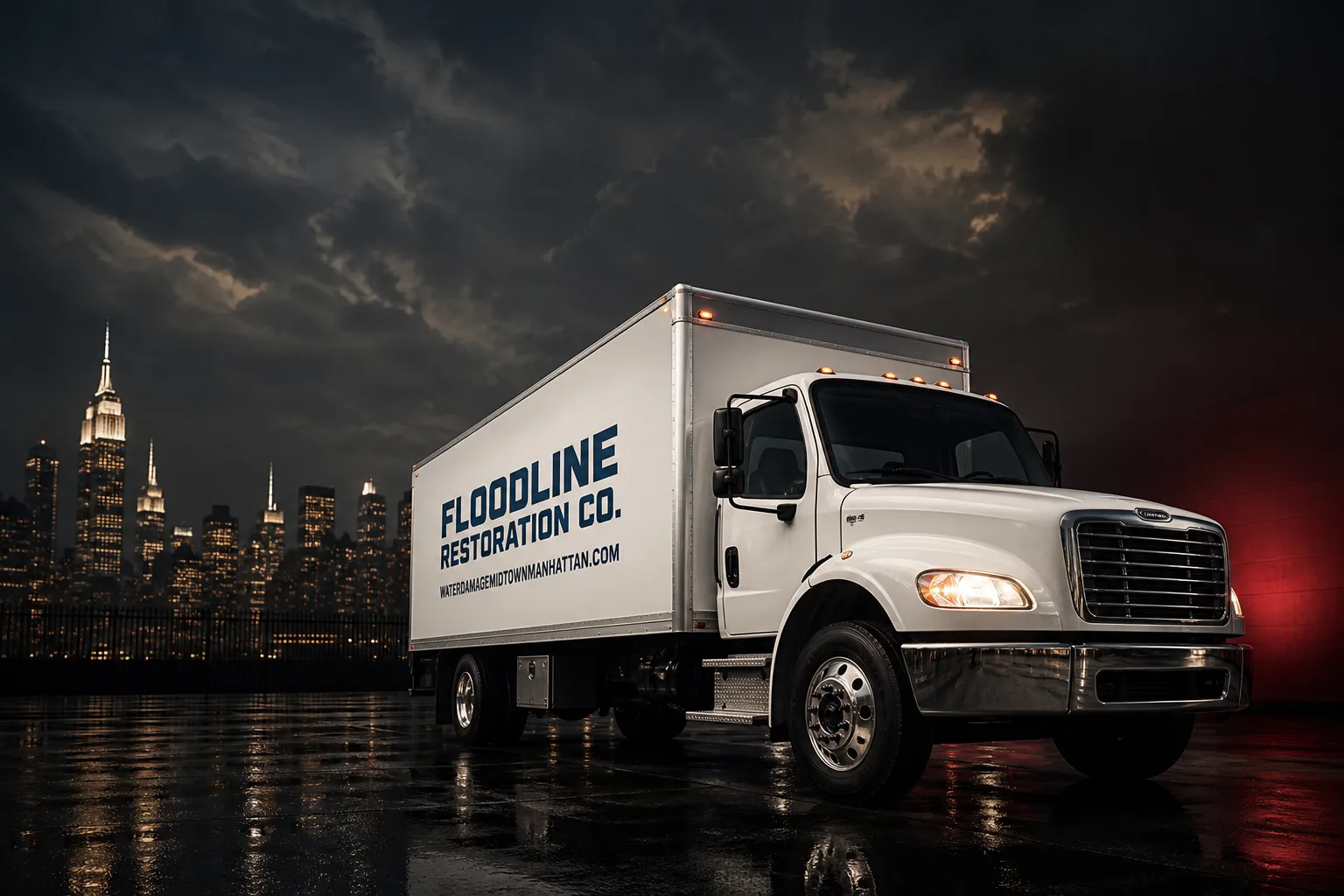
Free visual inspection and a written scope of work before any mitigation begins - photos, moisture readings, and drying logs go in your claim file
The scope we write is the scope we bill. Anything new gets shown to you, in writing, before we touch it.
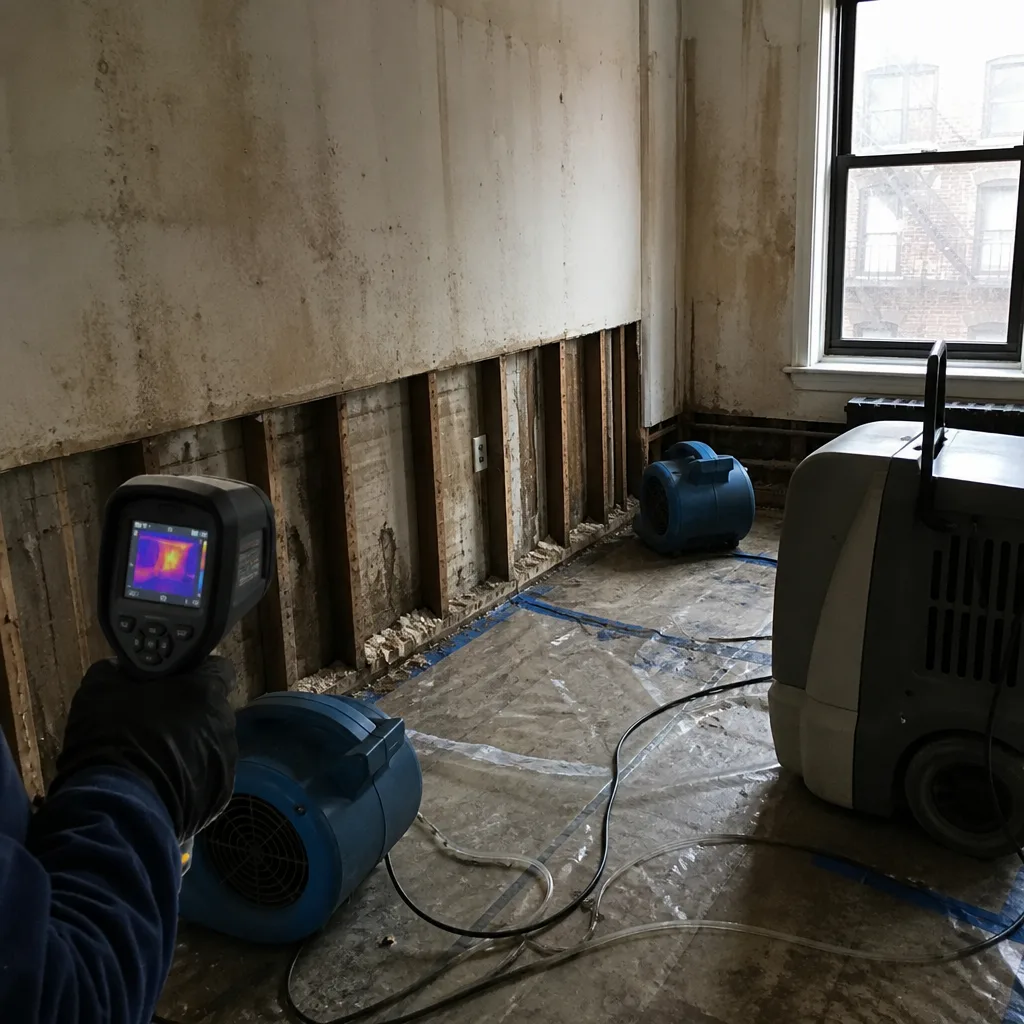 Before
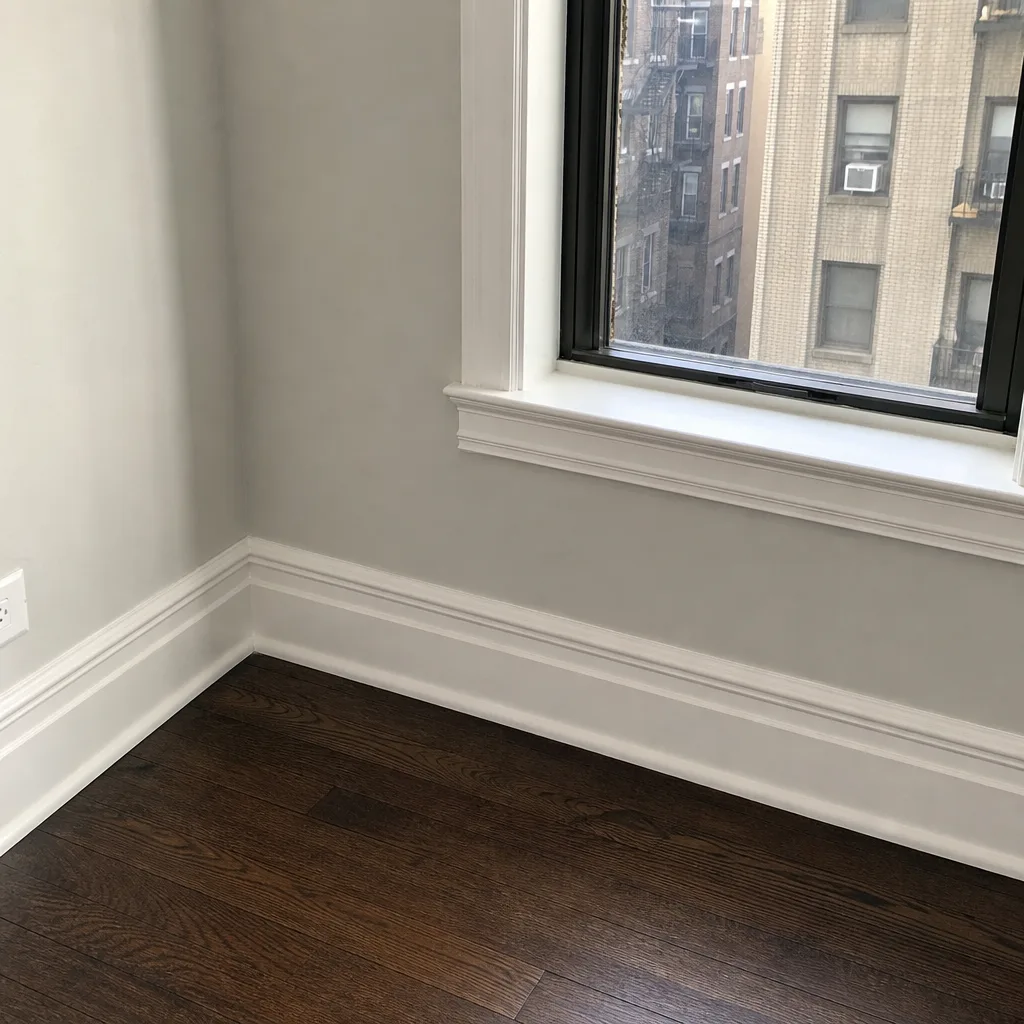 After
After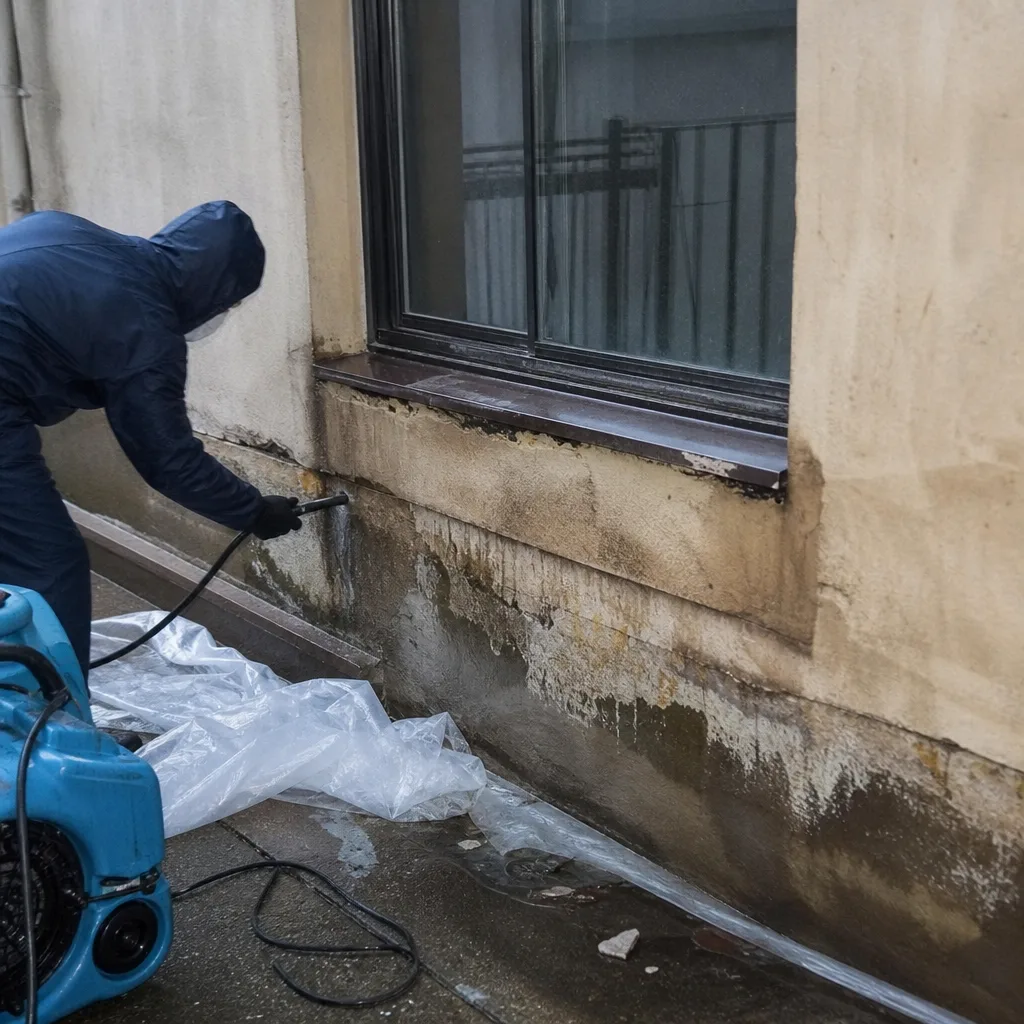 Before
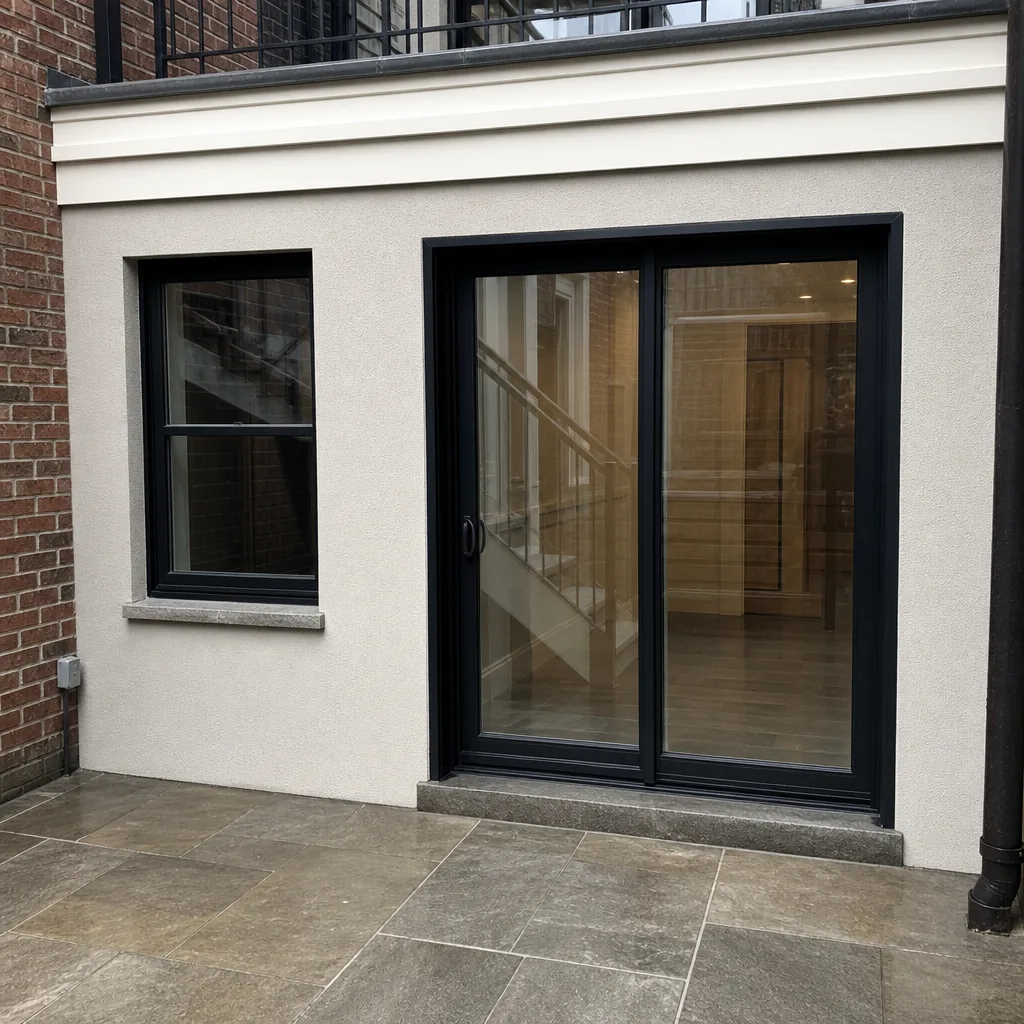 After
After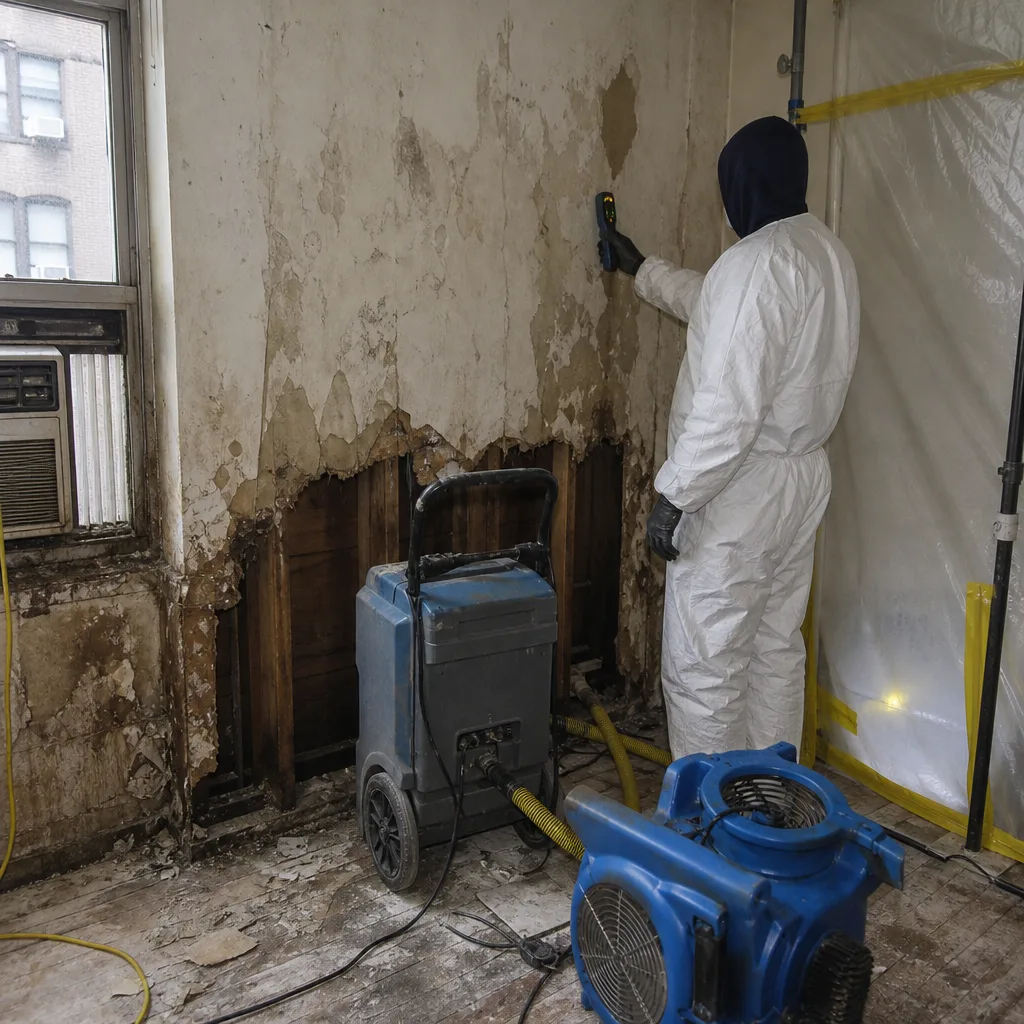 Before
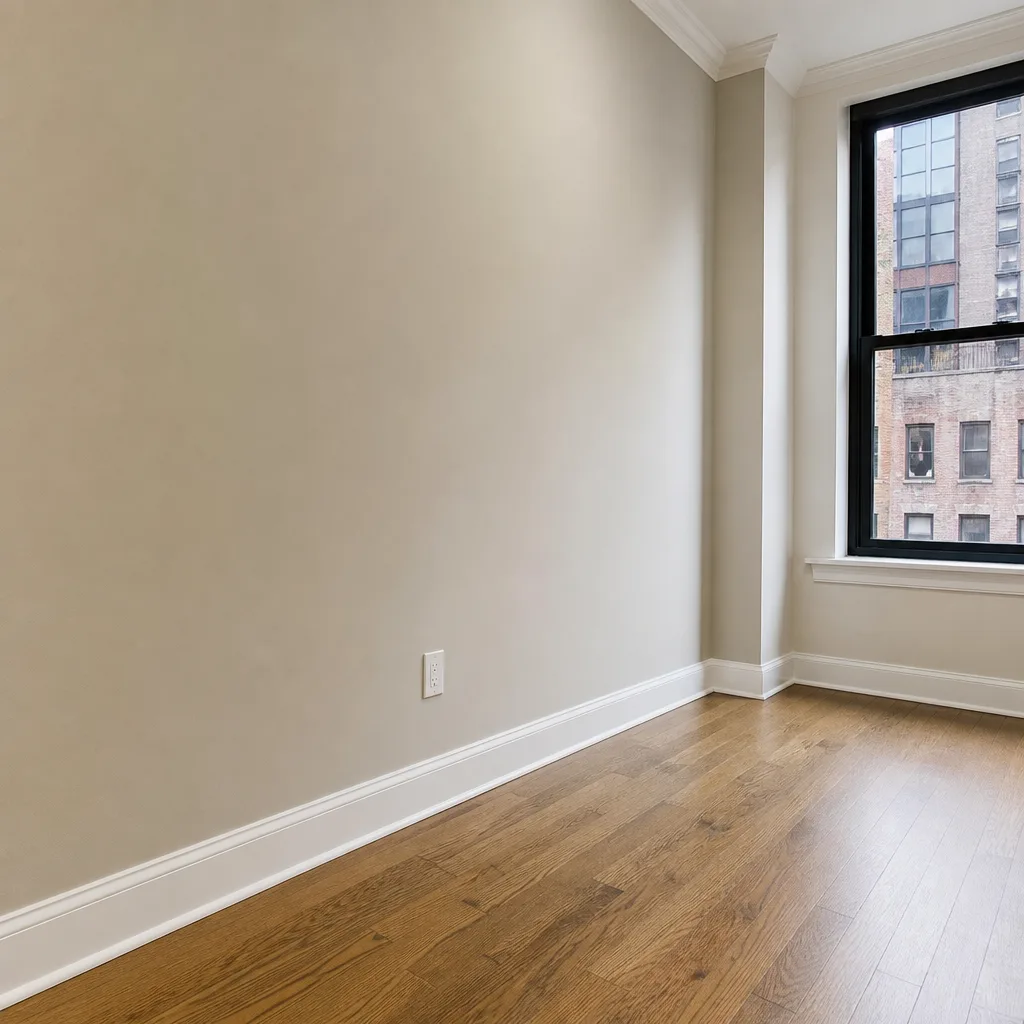 After
After24/7 Emergency Sewage Cleanup in Murray Hill
Sewage backup in a Murray Hill co-op or brownstone is a Category 3 water emergency, and it doesn’t wait for business hours. Floodline Restoration Co. answers live around the clock, and our crews reach Murray Hill properties fast, typically within 45 minutes of your call. The first hour matters because black water soaks through original plaster, wicks up into baseboards, and starts feeding mold within 24 to 48 hours. Call (518) 314-5660 the moment you see sewage backing up, and a certified technician will start extracting and containing the affected area the same visit.
Understanding Sewage Cleanup Severity in Murray Hill Properties
Sewage is Category 3 water, the most dangerous classification, carrying bacteria, viruses, and parasites. In Murray Hill, the severity usually hinges on where the break happens. A cracked cast-iron waste stack from the 1920s releases raw sewage into wall cavities and ceilings, where it hides behind original plaster and lath until it migrates across multiple floors. A toilet overflow on the 14th floor can leak down through the slab and into the unit below. A slow backup in a brownstone’s below-grade cellar saturates brick and mortar, which hold water for weeks without professional extraction.
The building age matters. Pre-war construction means plaster walls absorb sewage like a sponge, cast-iron pipes crack at the bell joints, and layers of old paint and plaster complicate both moisture mapping and repair. Our IICRC-certified technicians use thermal imaging and hygrometers to locate hidden moisture pockets in wall cavities before any cutting begins, a step that saves Murray Hill owners thousands in unnecessary demolition.
Why Murray Hill Property Owners Choose Floodline Restoration Co.
- 45-minute response commitment: our Murray Hill crews are positioned near major corridors like Park Avenue South and Lexington Avenue, and we commit to dispatch inside 45 minutes, with a live person confirming the ETA when you call.
- 24/7 live answer, never a recording: a dispatcher picks up at 2 a.m. and schedules the same visit, because a sewage backup in an occupied co-op can’t wait for a callback.
- IICRC-certified crews trained to WRT and ASD standards, with RIA and IFA training behind them, so you know the person at your door is competent, background-checked, and uniformed.
- Free visual inspection before any work begins: we assess the damage, write up a line-item scope, and explain what needs co-op board sign-off, so you’re not paying for guesswork.
- Direct insurance billing: we document everything and talk to your adjuster directly, so you don’t have to play messenger between your carrier and the cleanup crew.
- One team from extraction to reconstruction: the same crew that pumps out black water on day one handles the drying, the sanitization, and the rebuild, with no mid-job handoff.
Our Sewage Cleanup Process
Inspection & Assessment
We locate the source, classify the water and the extent of contamination, and document everything with photos. In Murray Hill co-ops, this includes identifying which walls, floors, and cavities are wet so the board and the DOB know exactly what we’re proposing to open.
Extraction
We pump out standing black water using truck-mounted and portable extractors, clear waste from drain lines, and stabilize the area to stop the spread. In a pre-war building, this often means setting containment before sewage migrates through original plaster to the unit below.
Drying & Dehumidification
We use Dri-Eaz and Phoenix dehumidifiers, XPOWER air movers, and Injectidry systems to pull moisture from wall cavities and flooring. Daily readings are logged until the dry standard is met, and the log goes to you and your carrier.
Cleaning & Sanitization
All affected surfaces are cleaned, disinfected, and treated with an antimicrobial agent. We handle lead-paint and asbestos concerns per NYC DOB requirements, sequencing work so nothing is disturbed before the proper assessments clear.
Odor & Air Treatment
HEPA air scrubbers run during and after the cleanup to pull sewage particulates and odor from the air. In small co-op apartments with shared ventilation, this step protects neighbors from exposure while the work is underway.
Repairs & Restoration
We rebuild what was removed, matching plaster, trim, and flooring to the rest of your pre-war unit. If the sewage damage was severe enough to require new drywall, framing, or flooring, our crew handles it without handing the job off.
Need Emergency Sewage Cleanup in Murray Hill Now?
Crews minutes away, answering live 24 hours a day. The sooner we start, the less it costs.
Working With Your Insurance Company
Sewage backup claims get complicated fast, especially in Murray Hill where the co-op’s master policy and your unit-owner policy may both apply. We document from the first hour: photos of every affected room, moisture readings, drying logs, and a detailed line-item scope of work. Our team files directly with your adjuster and speaks their language, from Category 3 classification to the written justification for opening a wall. That documentation keeps the claim moving and gives your co-op board the information they need to sign off quickly.
What We Provide Your Insurer
- Thorough documentation of the loss
- Photos of all damage, room by room
- Moisture readings and drying logs
- A detailed, line-item scope of work
- Direct coordination with your carrier
Built for Murray Hill’s Loss Calendar
Murray Hill’s Sewage Cleanup calls follow the building stock and the seasons. January deep freezes stress the old cast-iron waste stacks and galvanized supply lines in pre-war co-ops along Third Avenue, and a cracked pipe mid-winter means sewage backing up through multiple floors while the heat is blasting. Spring thaw brings ground saturation that pushes water into brownstone cellars and sub-grade mechanical rooms. Summer thunderstorms overwhelm old roof drains and storm lines, sending sewage mixed with rainwater into lower-floor units. Nor’easters in fall and winter dump water into aging parapet walls, and the slow migration through brick and mortar eventually reaches interior walls. We plan for the calendar that Murray Hill actually lives on, not a generic storm season.
Sewage Cleanup Across Murray Hill’s Neighborhoods
Murray Hill runs roughly from East 34th to 42nd streets, between Madison and the East River, and each stretch has its own rhythm of sewage loss. In the co-ops along Park Avenue and Fifth Avenue, high-floor toilet overflows and cracked waste stacks send sewage down through multiple occupied units before anyone notices the ceiling stain in the apartment below. The brownstone rowhouses on the side streets off Lexington and Third, many from the 1880s-1900s, deal with private sewer laterals and below-grade cellars that fill during heavy rain. Near the East River, buildings along First Avenue and the Kips Bay edge face higher groundwater pressure in basements and crawl spaces. Across the neighborhood, the common thread is age: original cast-iron lines, original plaster, and co-op boards that must approve every structural cut. Our crews know the response routes down Second Avenue, through the tunnel approaches, and up the side streets, and we dispatch based on what we know about each building type.
In the co-op buildings on Murray Hill’s avenues, opening a single wall to reach sewage-soaked studs legally requires both a NYC DOB permit and written co-op board approval. That approval sequence can idle a Category 3 water drying crew for two to four weeks while black water sits in occupied units. It doesn’t happen in a standalone single-family house across the river in Queens, and it fundamentally changes how a Murray Hill sewage cleanup must be scoped, priced, and contracted. We build that approval chain into our contracts from the first phone call, so you’re not surprised when the board meeting calendar sets the schedule.
On East 35th Street near Lexington Avenue, our crew extracted black water from a 1927 pre-war co-op after a cast-iron waste stack cracked and flooded three occupied floors. We set containment barriers, mapped moisture through the original plaster and lath, and held Category 3 water extraction while the co-op board’s approval and the DOB asbestos assessment cleared. What looked like a routine two-day pump-out turned into a three-and-a-half-week job, and the owner didn’t pay for stranded drying equipment because the contract was written around the approval sequence from the start.
Specialized Sewage Cleanup Services We Offer in Murray Hill
Sewage Backup Cleanup
When a waste line backs up into a co-op unit or brownstone cellar, the source might be a building-wide drain line, a private lateral, or a single fixture. We locate the backup point, pump out the standing sewage, and sanitize every surface it touched. In Murray Hill, this often means working around original tile and plaster that can’t be replaced easily, so we focus on thorough cleaning and drying rather than unnecessary demolition.
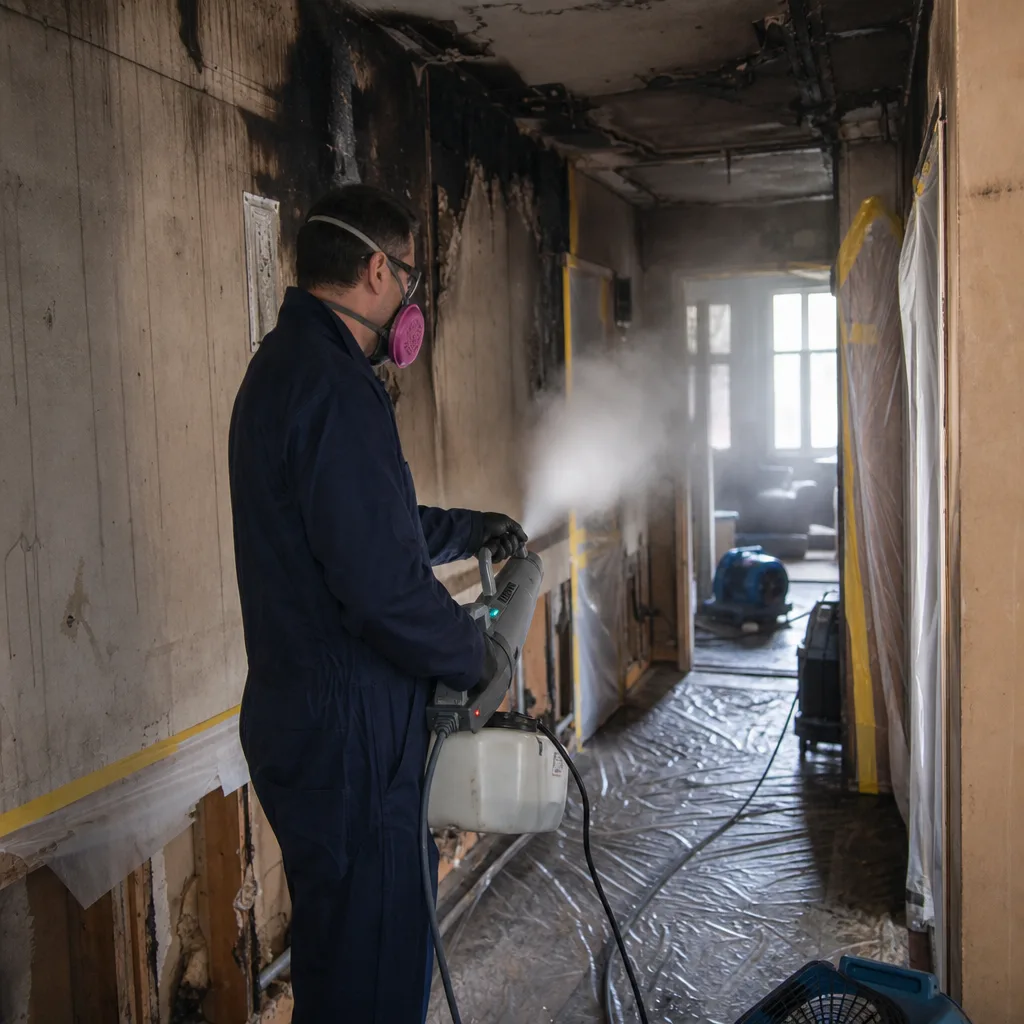
Toilet Overflow Cleanup
A toilet overflow in a Murray Hill co-op is never contained to one bathroom. The water travels through the floor, wicks into the subfloor, and leaks into the unit below. We extract immediately, set drying equipment in the affected rooms, and work with the building so the neighbor’s ceiling gets restored at the same time.
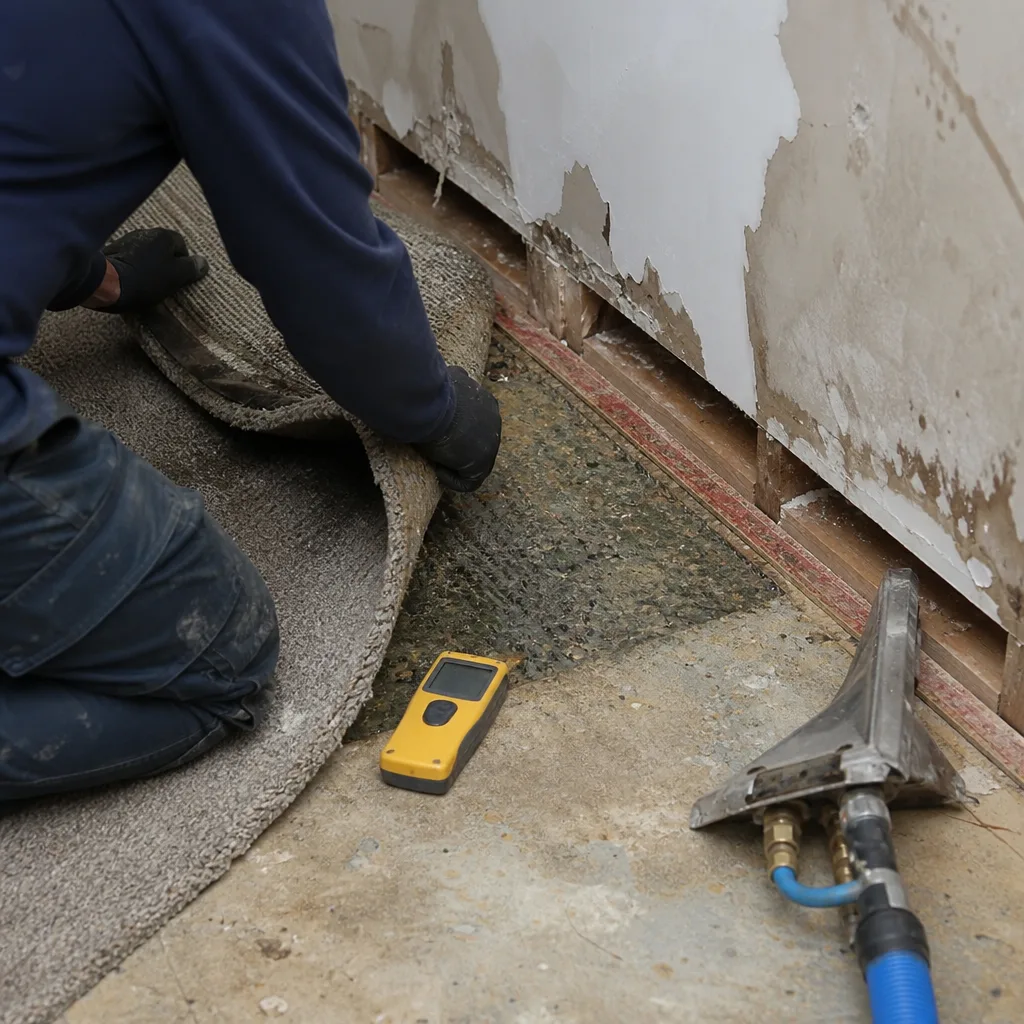
Septic Failure Cleanup
Although most Murray Hill buildings are on city sewer, a few older brownstones still use private septic or holding systems. When those fail, raw sewage surfaces in backyards and cellars. We pump out the contaminated water, remove saturated soil, and coordinate with a licensed septic contractor so the system gets repaired, not just cleaned.
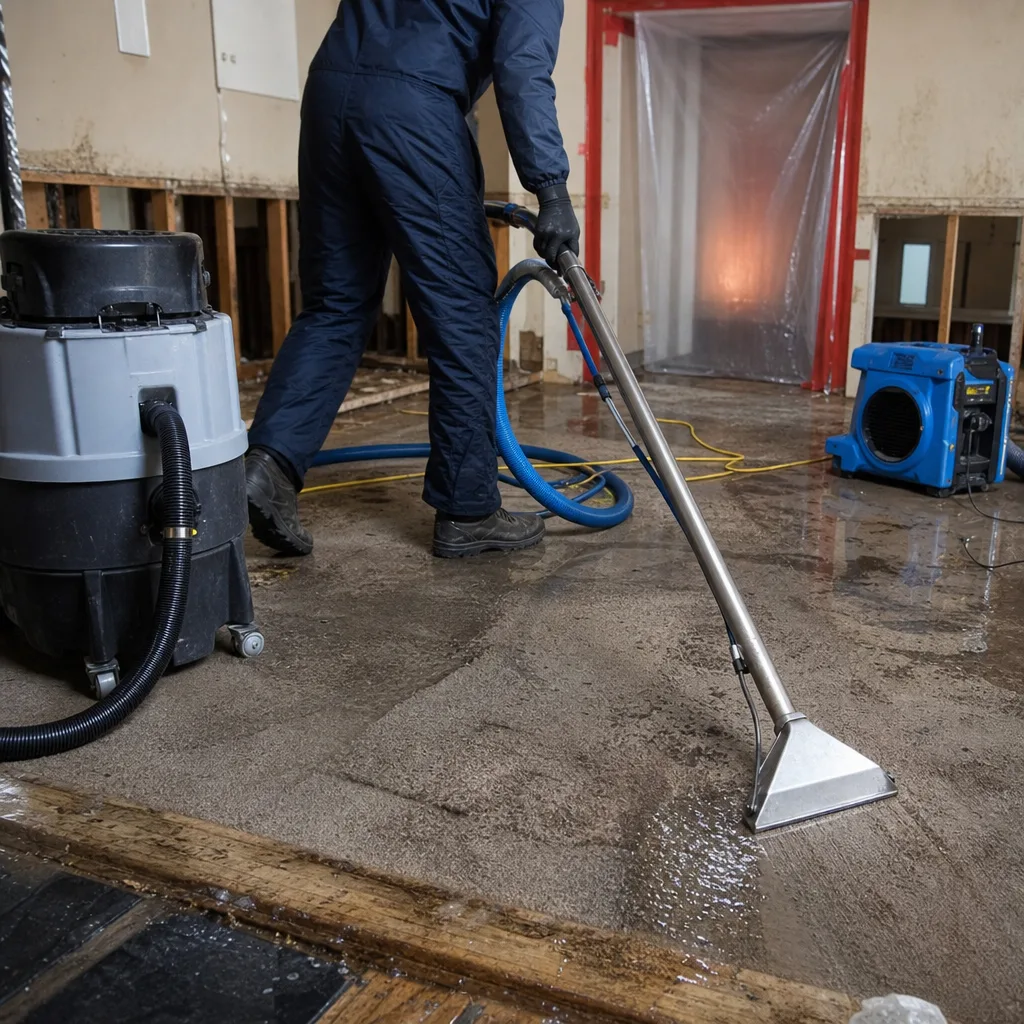
Black Water Extraction
Black water from a broken waste stack or sewer backup is the most hazardous cleanup we handle. We set containment, run HEPA air scrubbers, and extract the water with professional-grade pumps. The crew wears full PPE, including respirators and protective suits, and every bag of removed material is treated as biohazard waste per NYC disposal rules.
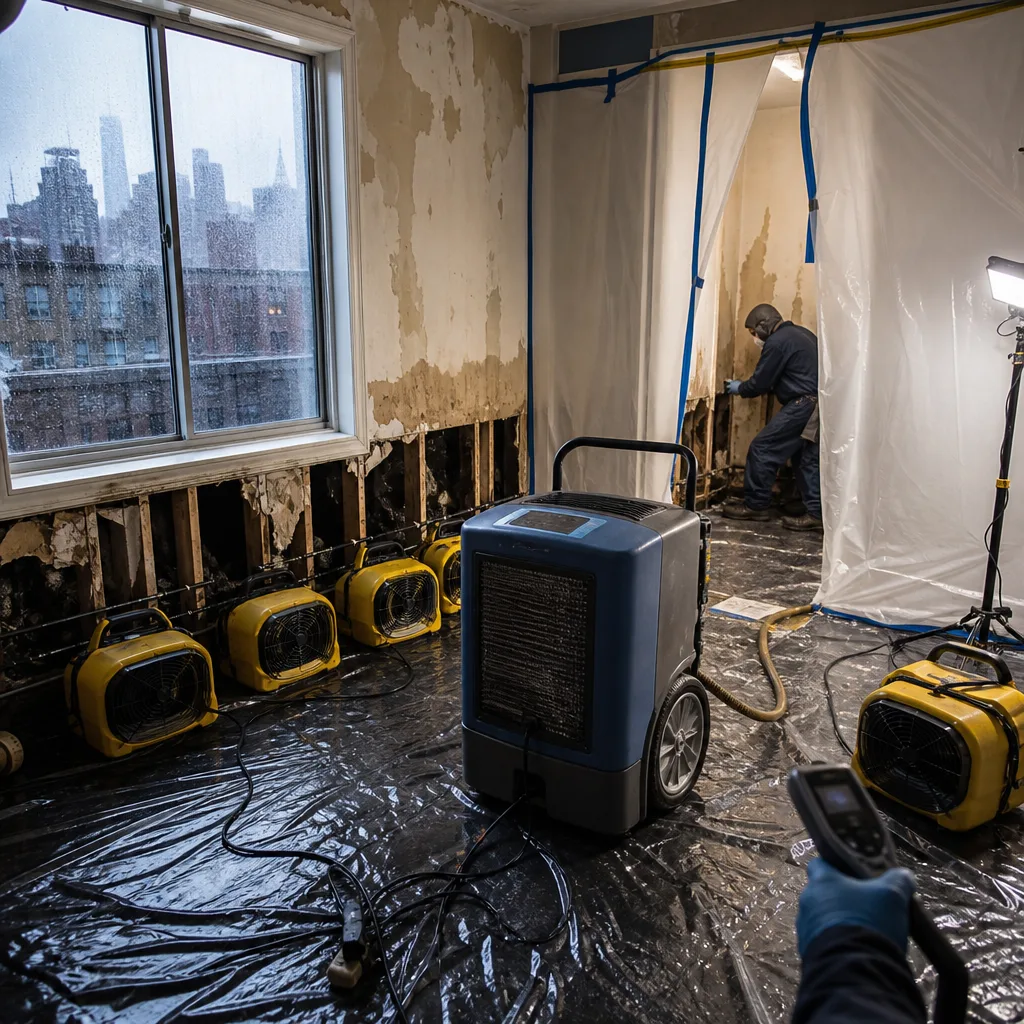
Crawl Space Sewage Removal
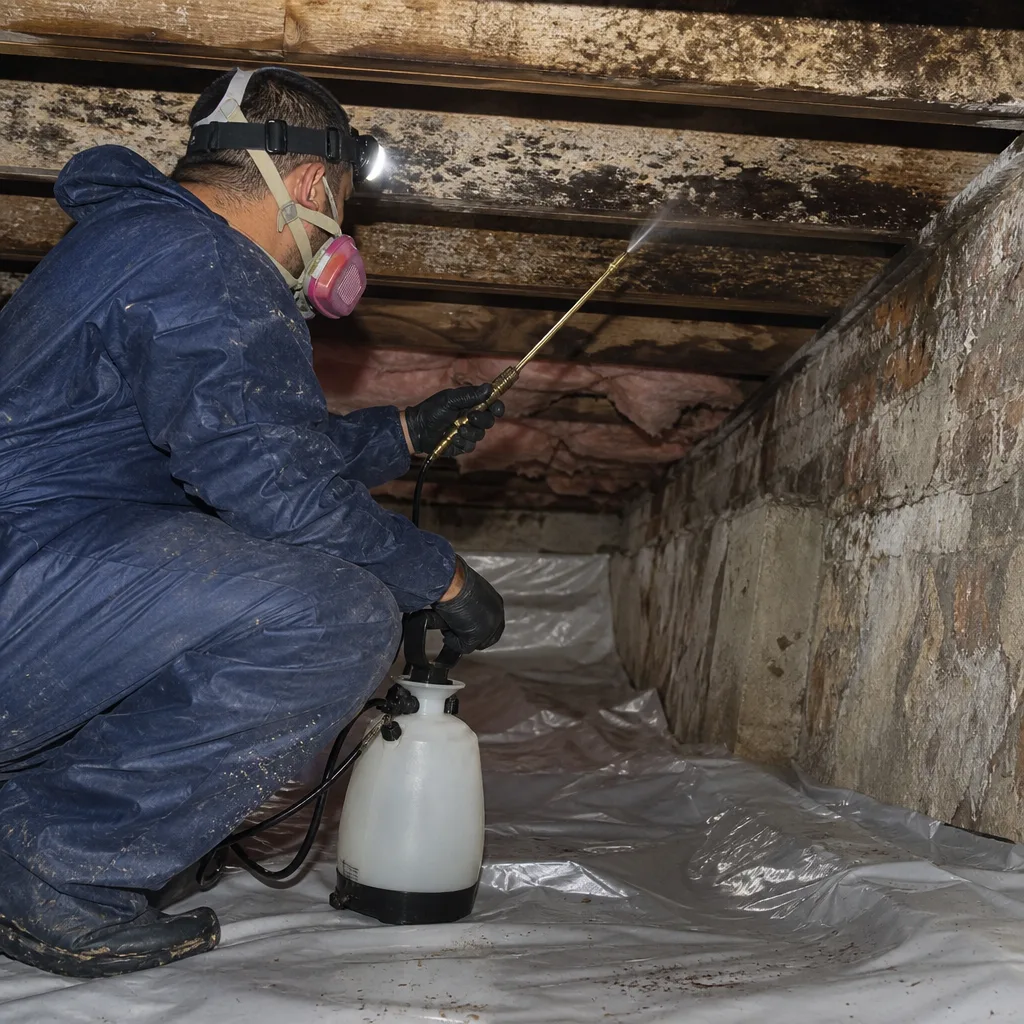
Brownstones and rowhouses in Murray Hill often have shallow crawl spaces under the first floor, and a sewage leak there can go unnoticed until the odor rises through the floorboards. We extract the sewage, remove contaminated soil and debris, install drying equipment in the crawl space, and sanitize the framing. Because these spaces are tight, our technicians use compact extractors and HEPA-filtered air scrubbers designed for low clearance.
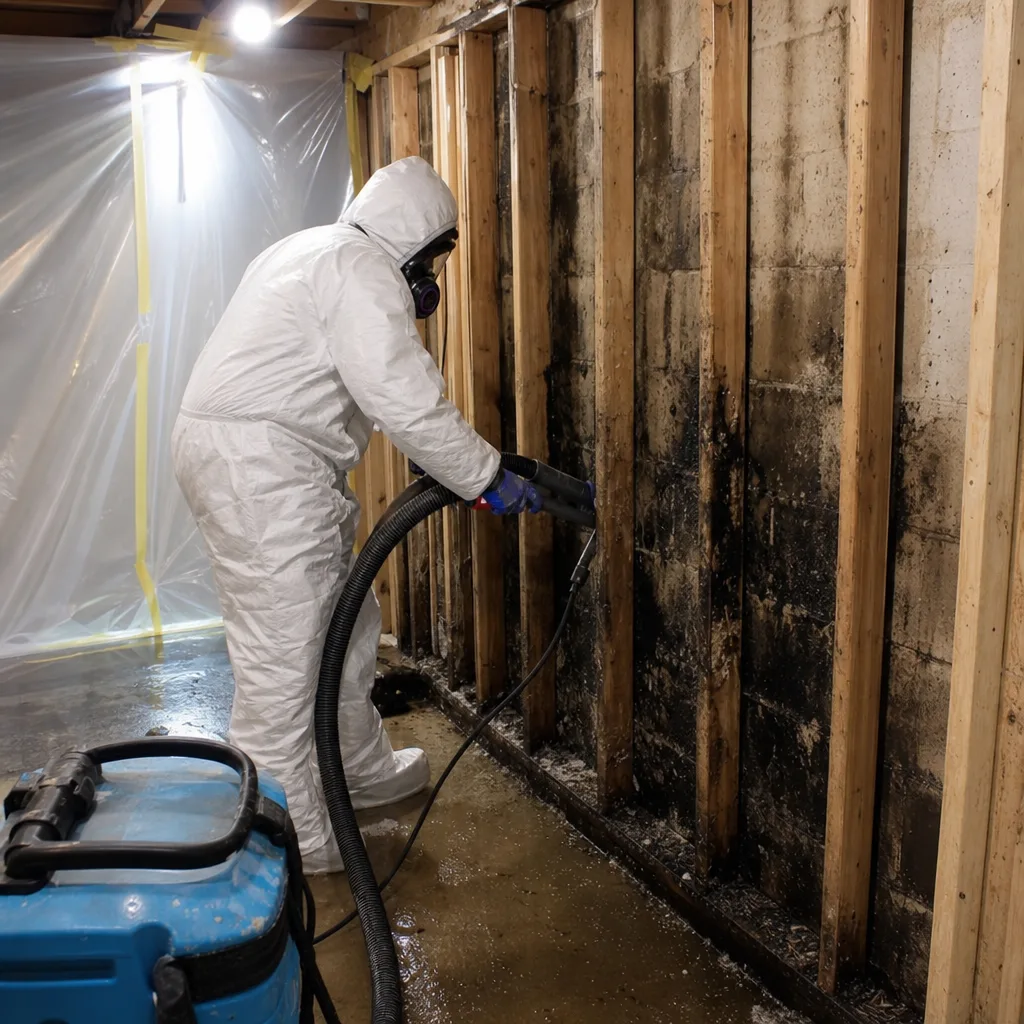
Sanitization & Disinfection
After black water is removed, every surface that touched the sewage gets cleaned and disinfected with an EPA-registered antimicrobial. We sanitize floors, walls, framing, and personal belongings per IICRC standards. In pre-war apartments with original woodwork, we use disinfection methods that clean without destroying the finish.
What happens when you call
- 1
A real person answersNo phone trees - you reach a local pro.
- 2
You get an upfront price rangeHonest numbers before anyone is dispatched.
- 3
A background-checked tech heads outLicensed & insured, dispatched right away.
- 4
You approve before work beginsNothing starts until you say go.
Sewage Cleanup Costs in Murray Hill, NY
A toilet overflow cleanup in a Murray Hill co-op typically runs $1,500 to $4,000 when the water stays within one bathroom and the drying is straightforward. A sewage backup affecting multiple rooms or a lower-floor unit runs $4,000 to $12,000, depending on how much drywall, plaster, and flooring gets removed. Crawl space sewage removal under a brownstone runs $3,000 to $9,000 because of the confined access and the soil removal involved. Cast-iron waste stack repairs and the resulting Category 3 restoration in a pre-war co-op can reach $15,000 to $40,000 when multiple occupied floors are affected and co-op approval delays extend the drying time. The biggest cost driver in Murray Hill is the approval chain: equipment sitting on-site while the board meets adds rental days, and contracting before that sequence is known can leave a homeowner paying for stranded drying equipment. Our free inspection gives you a firm scope and a schedule that accounts for the board calendar, so the price you’re quoted is the price that holds.
We Also Serve Cities Near Murray Hill
Floodline Restoration Co. provides the same 24/7 emergency sewage response to neighboring communities, including Sewage Cleanup in Murray Hill plus Midtown Manhattan, Midtown West, Washington Square, and Upper Manhattan. If you’re near Murray Hill and facing a backup, call us and we’ll route the nearest crew to you.
Serving Murray Hill, NY - Our Local Coverage Area
We’re based in the Murray Hill area and know this community well. Use the map below to see our service coverage - if you’re nearby, we can almost certainly help.
Murray Hill Sewage Cleanup Questions, Answered
Do I need co-op board approval before you can start sewage cleanup in my Murray Hill apartment?
Yes, in most Murray Hill co-op buildings, you need board approval before we can cut into walls, remove affected flooring, or disturb structural materials, and the board usually requires a NYC DOB permit and possibly an asbestos or lead-paint assessment first. We can start extraction, containment, and setting drying equipment immediately, because those don’t involve opening walls. The approval typically takes two to four weeks, and we write that timeline into the contract so you’re not paying for equipment sitting idle while the board meets.
My pre-war apartment has a cast-iron waste line that keeps backing up. Is it worth repairing again or should the building retrofit?
If the cast-iron line has cracked or failed twice in the last few years, patching the same bell joint is usually a short-term fix, and the next failure may be worse. In a Murray Hill co-op, the right call is often a scope-and-camera inspection of the line, followed by a written recommendation for repair versus replacement. Retrofit work falls under the building’s capital plan, not a unit-owner repair, so we document the condition and give your board the evidence they need to make the call. Call (518) 314-5660 and we’ll inspect the line and write it up plainly.
How do you handle sewage cleanup when my building has original plaster walls and lead paint?
We treat original plaster and lead paint as controlled materials per NYC DOB and EPA rules. That means a certified assessor tests for lead and asbestos before we disturb surfaces, and we set containment, run HEPA air scrubbers, and use wet methods to minimize dust. Where we can, we dry and treat the wall cavity without opening it, using Injectidry systems and moisture mapping to pull water through existing access points. Full removal only happens when the wall is too saturated to save, and we’re approved to do it.
Can you dry and clean wall cavities without opening them after a toilet overflow?
Yes, in many cases. If the overflow was clean toilet water, not sewage, we can often dry the wall cavity using Injectidry systems and negative air pressure without cutting into the wall. That matters in Murray Hill because opening a wall triggers co-op approval and DOB permits. If the water was contaminated, though, cutting is usually necessary. We’ll tell you which situation you have after our free inspection. Call (518) 314-5660 and we’ll assess it same day.
What’s the difference between cleaning a sewage backup in a Murray Hill brownstone vs. a mid-rise co-op?
In a brownstone, the owner controls the whole building, so we can open walls, remove flooring, and run equipment without waiting for board approval. In a mid-rise co-op, we’re working in a unit inside a building where the stack, riser, and common walls belong to the co-op, and every structural change needs sign-off. The brownstone job moves faster and costs less to sequence, while the co-op job requires written board approval, DOB permits, and often asbestos/lead assessment before demolition. We contract each one differently.
How fast can someone actually get here for a sewage backup in Murray Hill?
Our commitment is 45 minutes from your call to a crew arriving at your Murray Hill building. The dispatcher who answers at (518) 314-5660 confirms the ETA and tells you which truck is coming. We keep crews stationed near the East Side so response times stay short, even at 2 a.m.
Will insurance cover sewage cleanup in my Murray Hill co-op?
Usually yes, but it depends on the source of the backup and your policy language. Your unit-owner policy typically covers damage to your unit, while the building’s master policy may cover the structure. We document everything, write a line-item scope, and talk directly to your adjuster, so the claim is handled correctly from the start. We also help you understand what your co-op board’s policy covers, because that’s often where the confusion starts in a pre-war building.
What should I do in the first 30 minutes after a sewage backup in Murray Hill?
First, stop using water in any affected fixture, shut off the toilet or sink supply valve if you can reach it, and call (518) 314-5660. Don’t flush again, don’t use a plunger, and don’t try to clean it up yourself. Turn off the HVAC if sewage is near an air return. Keep people and pets out of the affected area, and take photos from the doorway. The faster we start extraction, the less material gets torn out. Call now.
Written by Curt Bowman, Owner at Floodline Restoration Co., serving Murray Hill with 24/7 sewage cleanup and full restoration.