
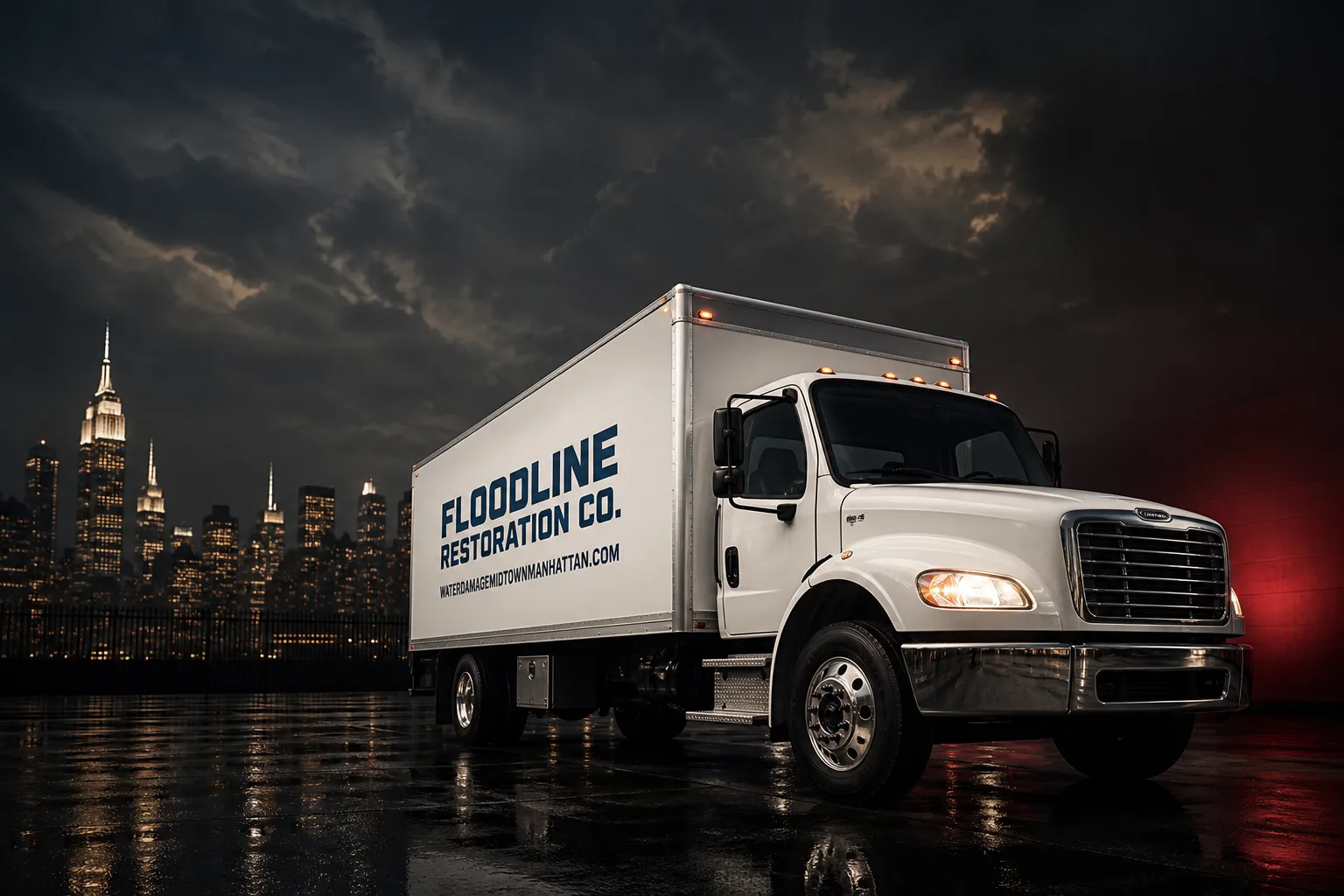
Free visual inspection and a written scope of work before any mitigation begins - photos, moisture readings, and drying logs go in your claim file
The scope we write is the scope we bill. Anything new gets shown to you, in writing, before we touch it.
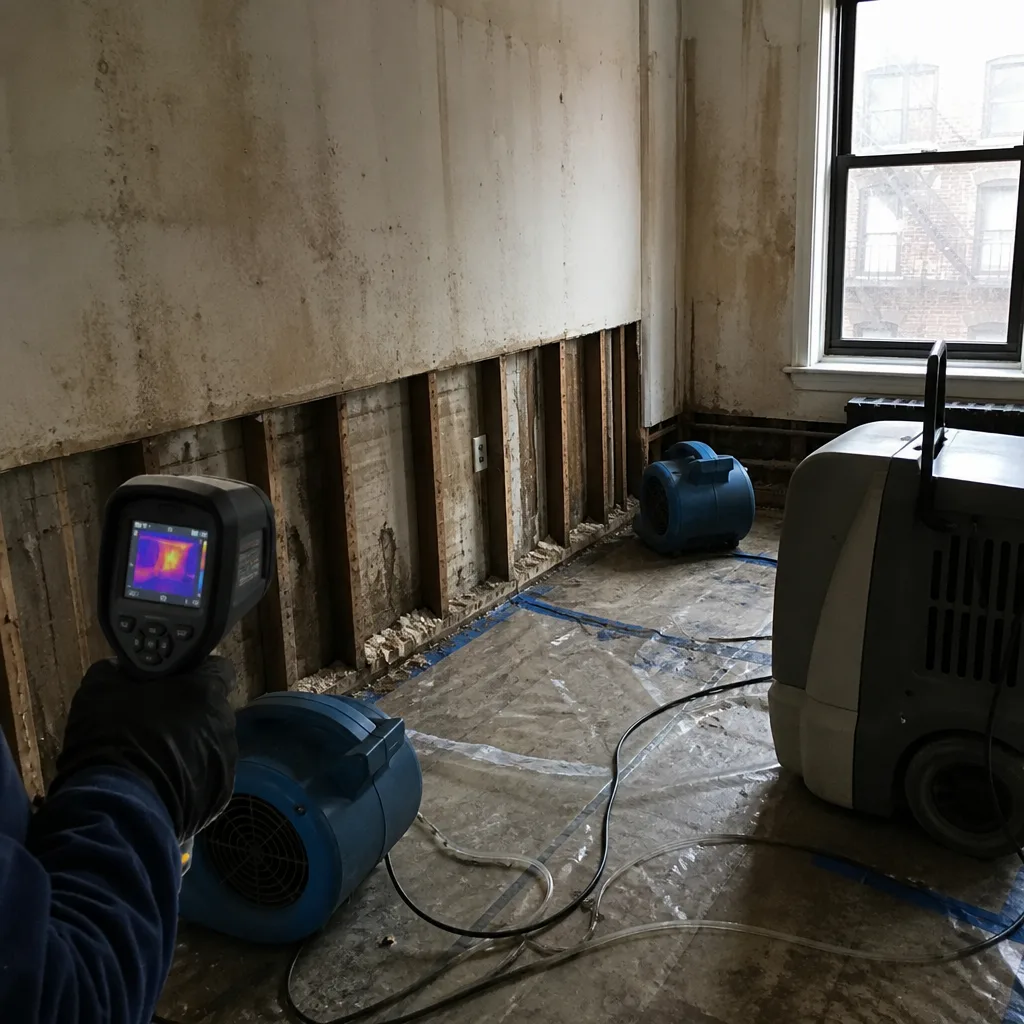 Before
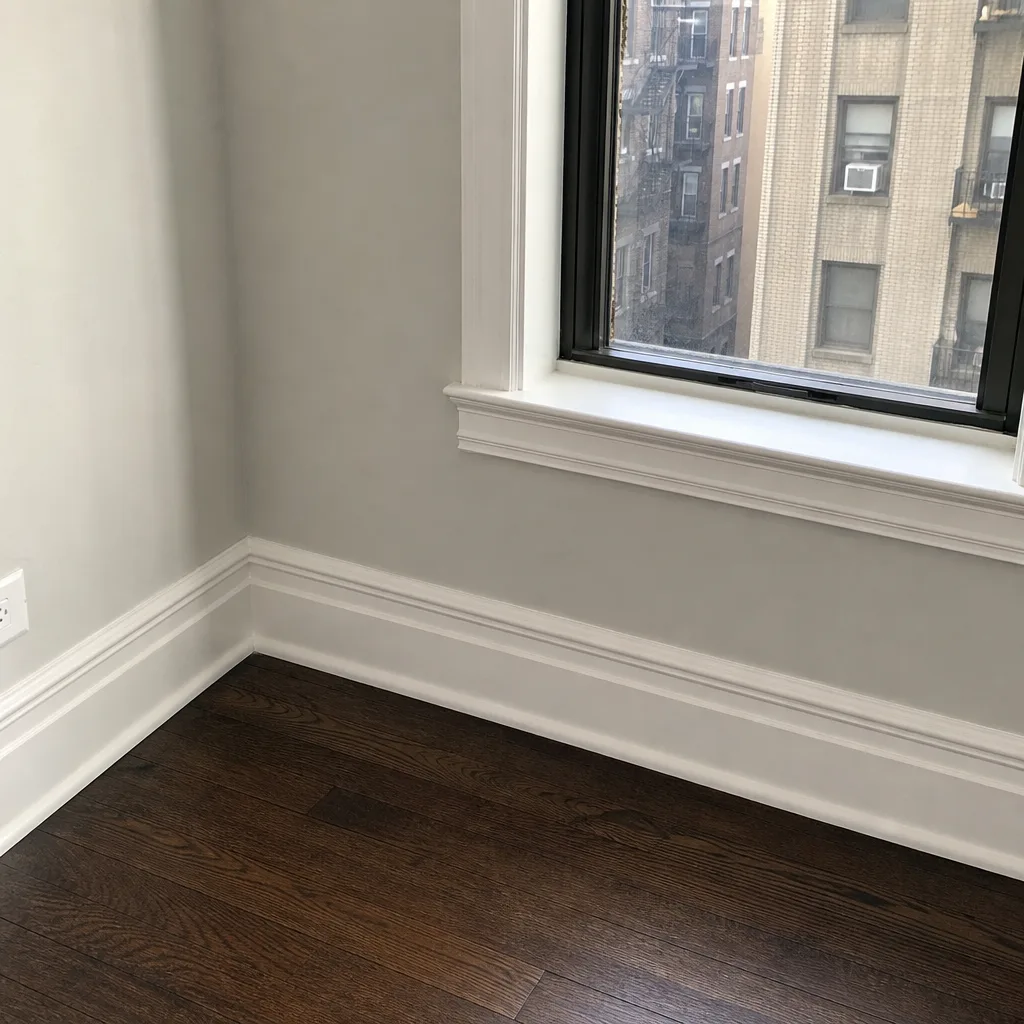 After
After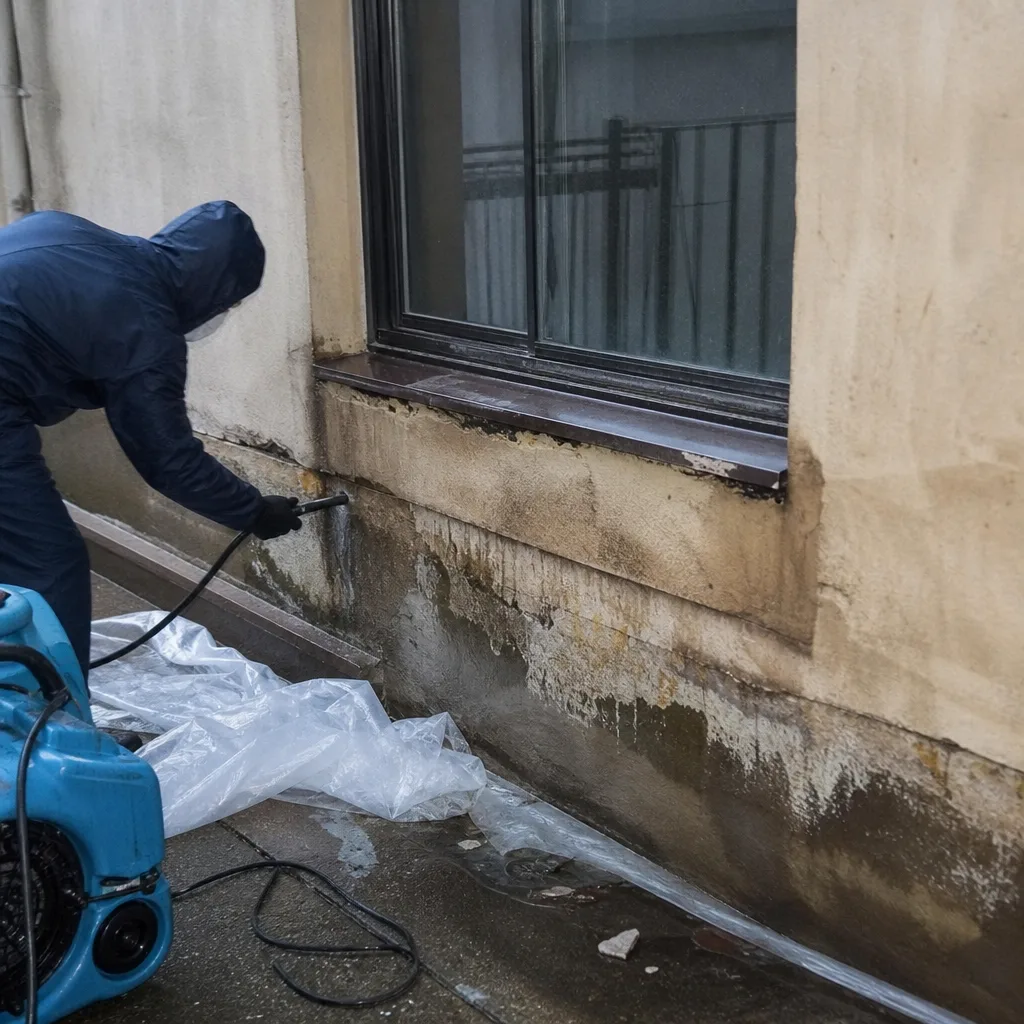 Before
 After
After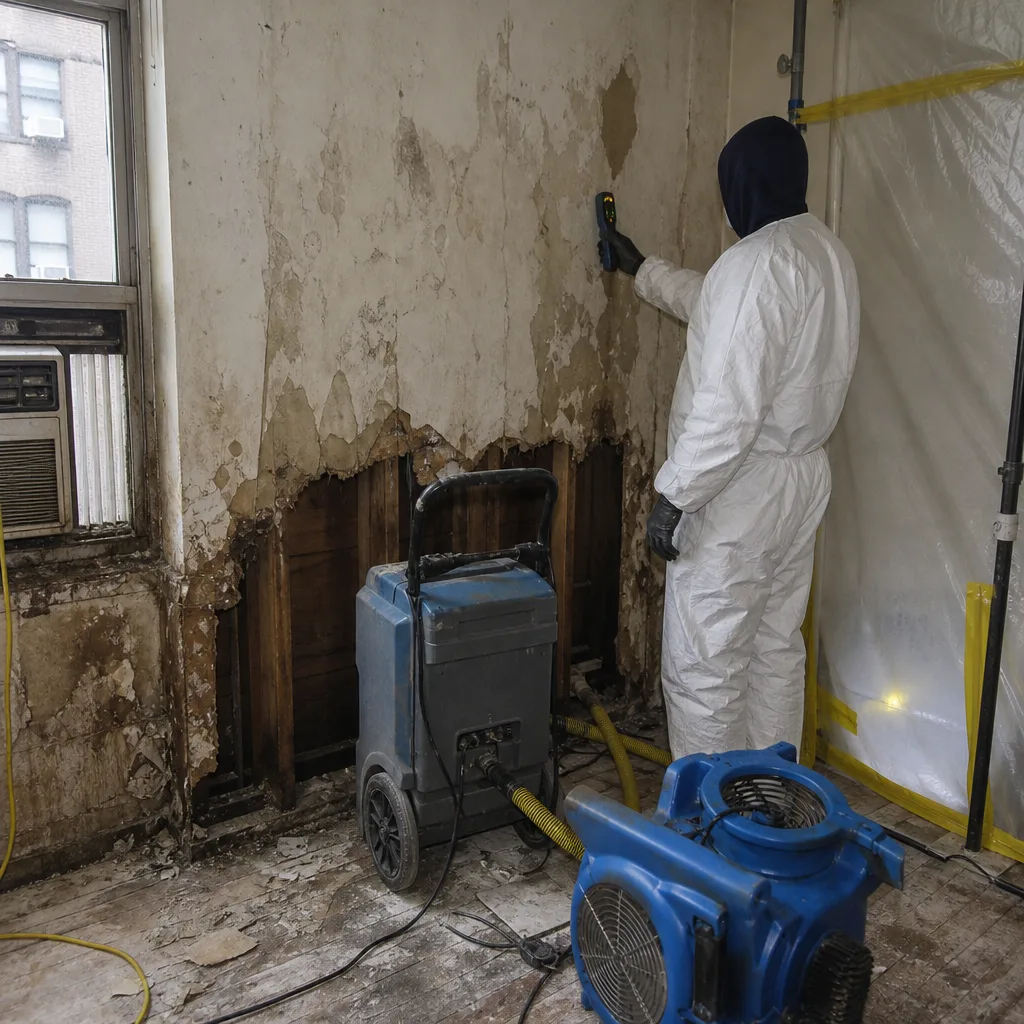 Before
 After
After24/7 Emergency Reconstruction & Cleanup in Washington Square
When a supply line bursts in an 1830s row house on Washington Square North or a summer storm backs the combined sewer into a Minetta Brook-adjacent basement, the clock starts before the water stops moving. Our crews reach Washington Square properties around the clock, and a live dispatcher answers (518) 314-5660 at any hour, including two in the morning. We inspect free, we document everything, and we move from first look to extraction on the same visit. The first hour decides whether horsehair plaster can be saved or stripped to the lath. We treat that hour as the difference between a repair and a rebuild.
Understanding Reconstruction & Cleanup Severity in Washington Square Properties
Reconstruction and cleanup in Washington Square runs on a different severity scale than almost anywhere else in Manhattan. The Category of water matters first. Category 1 is clean supply water. Category 2 carries contamination from a failed cast-iron drain line or a sump backing up. Category 3 is sewage and stormwater, common when the combined sewer system west of the Square backs up during heavy convective storms. Each category dictates a different scope: Category 1 may dry out and allow in-place plaster repair, while Category 3 typically means removal of saturated porous materials, antimicrobial treatment, air scrubbing, and controlled demolition before rebuild can start.
What makes Washington Square uniquely unforgiving is the building stock itself. Pre-Civil War brownstones and brick row houses, including the 1832-1833 row on Washington Square North, share party walls. Water and smoke migrate horizontally through those unmortared brick party walls into adjacent units. Horsehair plaster, once soaked, delaminates from its lath. Original wide-plank pine flooring cups and buckles within days. Moisture mapping with thermal imaging and penetrating probes tells us what is wet, what is dry, and what is hiding in the wall cavity. Without that map, reconstruction is guesswork. We never rebuild over a wet cavity in Washington Square, because the Minetta Brook groundwater table will find it again in weeks.
Why Washington Square Property Owners Choose Floodline Restoration Co.
- 45-minute response commitment into Washington Square. A certified crew rolls from our New York City dispatch center and is on-site, in most cases, inside the hour. The first visual assessment starts the documentation clock.
- A live person answers 24/7. No automated menu, no voicemail at 2 a.m. A dispatcher picks up and starts the callout while you’re still on the phone.
- IICRC-certified crews trained to WRT, FSRT, and AMRT standards. Background-checked, uniformed technicians who know the difference between drying a pre-war parlor and drying a modern NYU loft.
- Free visual inspection and a written scope before work begins. You see the scope, the reasoning, and the line items before we touch a wall.
- Direct insurance billing with photo documentation from the first hour. We communicate with your adjuster so you are not the messenger.
- One crew from extraction to finished rebuild. The same technicians who map moisture on day one hand you the drying log at the end and rebuild what needed rebuilding.
Our Reconstruction & Cleanup Process
Inspection & Assessment
We inspect the full loss path, not just the visible damage. Thermal imaging and penetrating moisture probes map water inside party walls, under flooring, and behind original plaster. We document pre-loss condition in writing and photos, which matters when an LPC facade or a historic plaster detail is part of the claim.
Extraction & Stabilization
We remove standing water with truck-mounted and portable extraction units, then stabilize the structure. Temporary shoring on a landmarked facade requires coordination with the NYC Landmarks Preservation Commission, so we start that conversation early, not after the damage spreads.
Drying & Dehumidification
Professional-grade Dri-Eaz dehumidifiers, Phoenix air movers, and XPOWER ventilation run continuously. Daily moisture readings are logged until the dry standard is met. In Washington Square, that log is evidence, not paperwork.
Cleaning & Sanitization
Category 2 and 3 events require antimicrobial treatment, HEPA vacuuming, and air scrubbing to prevent spore spread into adjoining units. We treat the cavity, not just the surface.
Historic Material Rehabilitation
For Washington Square townhouses, this is the step most companies skip. Horsehair plaster can often be stabilized in place and re-keyed to the lath. Original baseboards, casings, and wide-plank floors get cleaned, dried, and restored rather than sent to a landfill. When replacement is unavoidable, we match profiles, species, and period details.
Repairs & Reconstruction
Drywall, flooring, trim, and finish work are rebuilt to pre-loss condition or better. Structural repairs are done once, inspected, and backed by the 90-Day Done Right Promise in writing.
Need Emergency Reconstruction & Cleanup in Washington Square Now?
Crews minutes away, answering live 24 hours a day. The sooner we start, the less it costs.
Working With Your Insurance Company
Washington Square claims carry complications adjusters in other states rarely see: LPC review requirements, landmarked facade restrictions, and the cost of matching historic materials. We document the loss from the first hour, photograph every room and every damaged surface, and produce a line-item scope built on industry-standard estimating software. Your adjuster gets a clear file, not a pile of receipts. We coordinate directly with the carrier, answer their questions in their language, and keep you out of the middle. Floodline Restoration Co. has handled Washington Square losses where the carrier’s initial estimate missed the LPC compliance cost entirely. We fixed that gap with documentation before the claim settled.
What We Provide Your Insurer
- Thorough documentation of the loss
- Photos of all damage, room by room
- Moisture readings and drying logs
- A detailed, line-item scope of work
- Direct coordination with your carrier
Built for Washington Square’s Loss Calendar
January deep freezes in Washington Square burst cast-iron supply lines in unheated basements and behind original facade walls. February and March bring the thaw cycle that drives groundwater up through the Minetta Brook watershed, seeping through fieldstone foundations and into cellar floors. April and May storms saturate the ground, and the aging combined sewer system backing up along Washington Square South becomes a sewage-loss risk. July and August convective thunderstorms drop intense rain in under an hour, overwhelming lateral drains and flooding basement apartments in pre-war buildings. September’s nor’easter season tests every window sash, roof membrane, and party-wall flashing on the row houses. By November, we are dry-out crews on steam-pipe failures inside landmarked buildings. Each season has a signature loss. We respond to them all with the same approach: stabilize, document, dry, and rebuild without cutting corners.
Reconstruction & Cleanup Across Washington Square’s Neighborhoods
Washington Square itself is the anchor, but our crews work every block that reaches it. Along Washington Square North, the 1832-1833 row houses demand careful LPC-aware work: original plaster, slate roofs, cast-iron railings, and shared party walls. Washington Square South runs into NYU-acquired buildings, many converted to institutional use, where response often means working around building operations and coordinating with university facilities staff. The blocks east of the Square, toward Broadway, hold converted carriage houses and 1840s brick walk-ups with narrow stairwells and basements that collect groundwater from the Minetta Brook drainage pattern. West along MacDougal and Sullivan Streets, pre-war apartment buildings share stack plumbing, so a third-floor pipe failure is a basement cleanup job too. Each corridor has its own construction, its own water path, and its own reconstruction logic. We know the difference.
Specialized Reconstruction & Cleanup Services We Offer in Washington Square
Full-Service Reconstruction
After a water or fire loss in a Washington Square townhouse, the rebuild is where inferior contractors fall apart. We rebuild from the mud sill up: structural framing, new flooring over dried subfloor, custom millwork matching original profiles, period-appropriate door casings, and finish carpentry. The same crew that ran the drying log and removed the wet material carries the rebuild through to the final coat of paint. No handoff, no inherited crew, no finger-pointing. Every rebuild in Washington Square must account for Minetta Brook hydrostatic pressure, which means slab-edge waterproofing and drainage correction get addressed before any cosmetic layer goes down.
Drywall & Flooring Repair
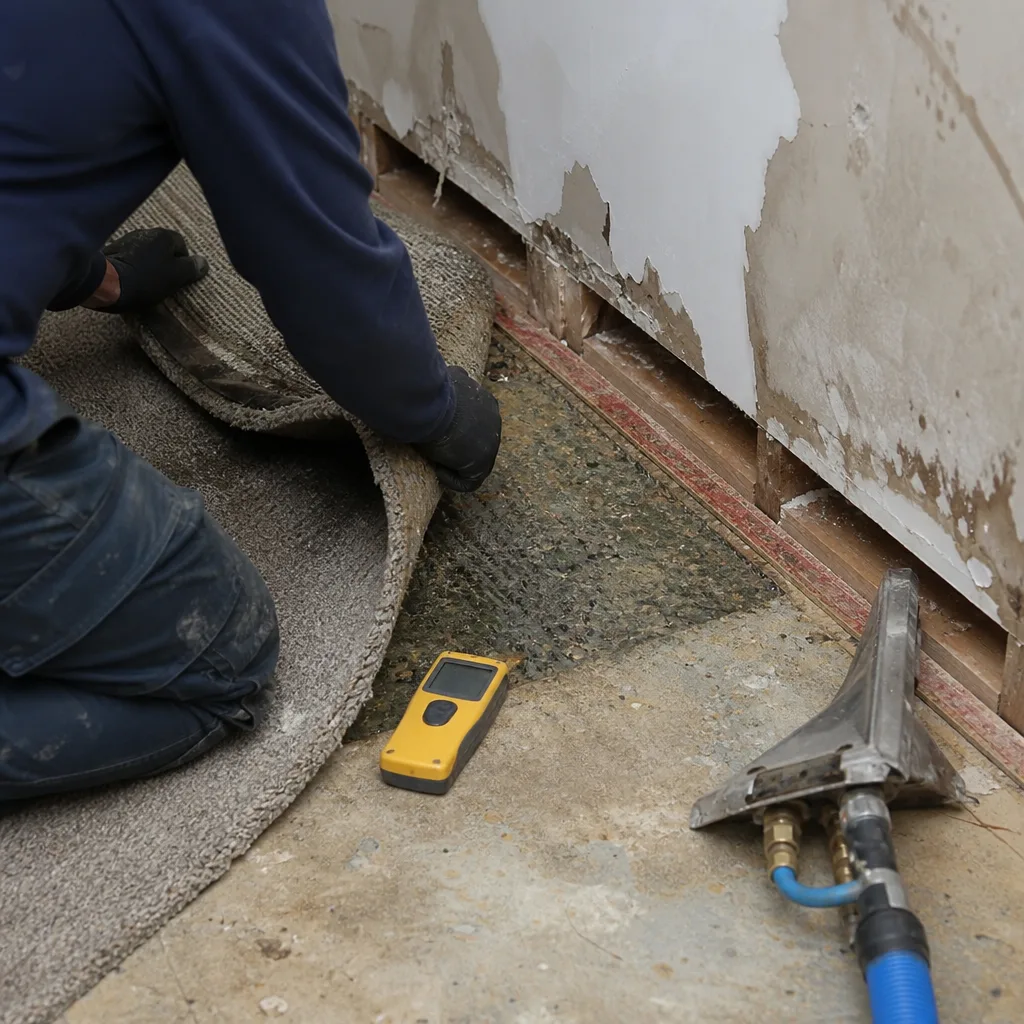
Pre-war Washington Square units often combine original plaster with modern drywall from decades of renovations. We match both. Wet drywall is cut back to dry substrate at the 12-to-24-inch mark, treated, and replaced. Original wood flooring gets dried slowly rather than ripped out, because pre-Civil War pine is irreplaceable. If a section is beyond saving, we source reclaimed material and weave it in with matched nail patterns and stain. The 90-Day Done Right Promise covers the work, so if a seam cracks or a patch fails, we return and make it right in writing.
Contents Restoration & Pack-Out
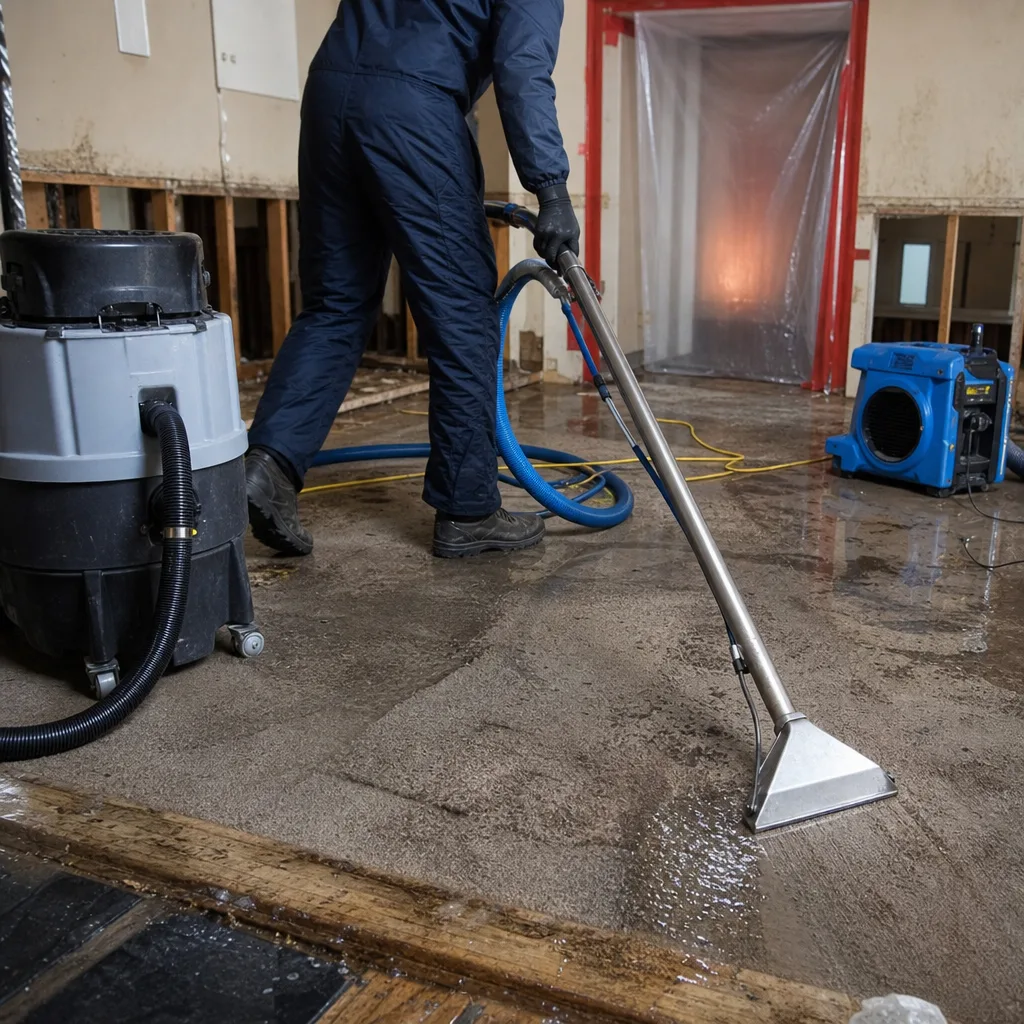
When a Washington Square apartment floods, the contents are part of the loss. We inventory, photograph, and pack out salvageable belongings to our climate-controlled facility. Soft goods get cleaned and restored. Hard contents get detailed. The claims process runs smoother when the adjuster sees a documented contents list with photos and restoration notes, not a pile of plastic bags on the curb. We can provide this as part of the full Reconstruction & Cleanup scope when the extent of loss warrants it.
Carpet & Upholstery Cleaning
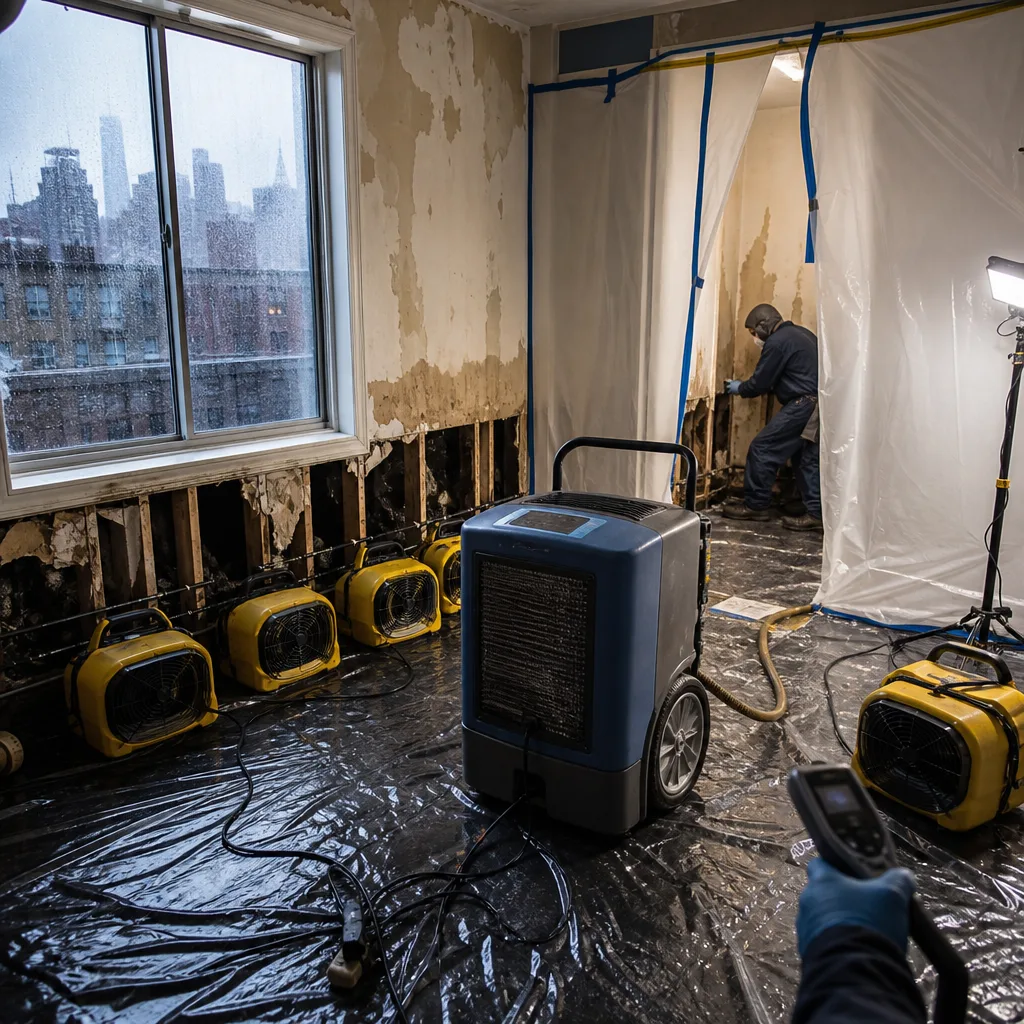
Soot, sewage odor, or post-construction dust in a Washington Square apartment settles into carpet fibers and upholstery. We deep-clean with hot-water extraction, then apply antimicrobial treatment if the loss involved Category 2 or 3 water. In many pre-war units, the salvageable carpet on original flooring is the only thing standing between the homeowner and a full replacement claim. We can tell you honestly whether cleaning is sufficient or replacement is needed, with documentation to back the recommendation.
Post-Construction Cleanup
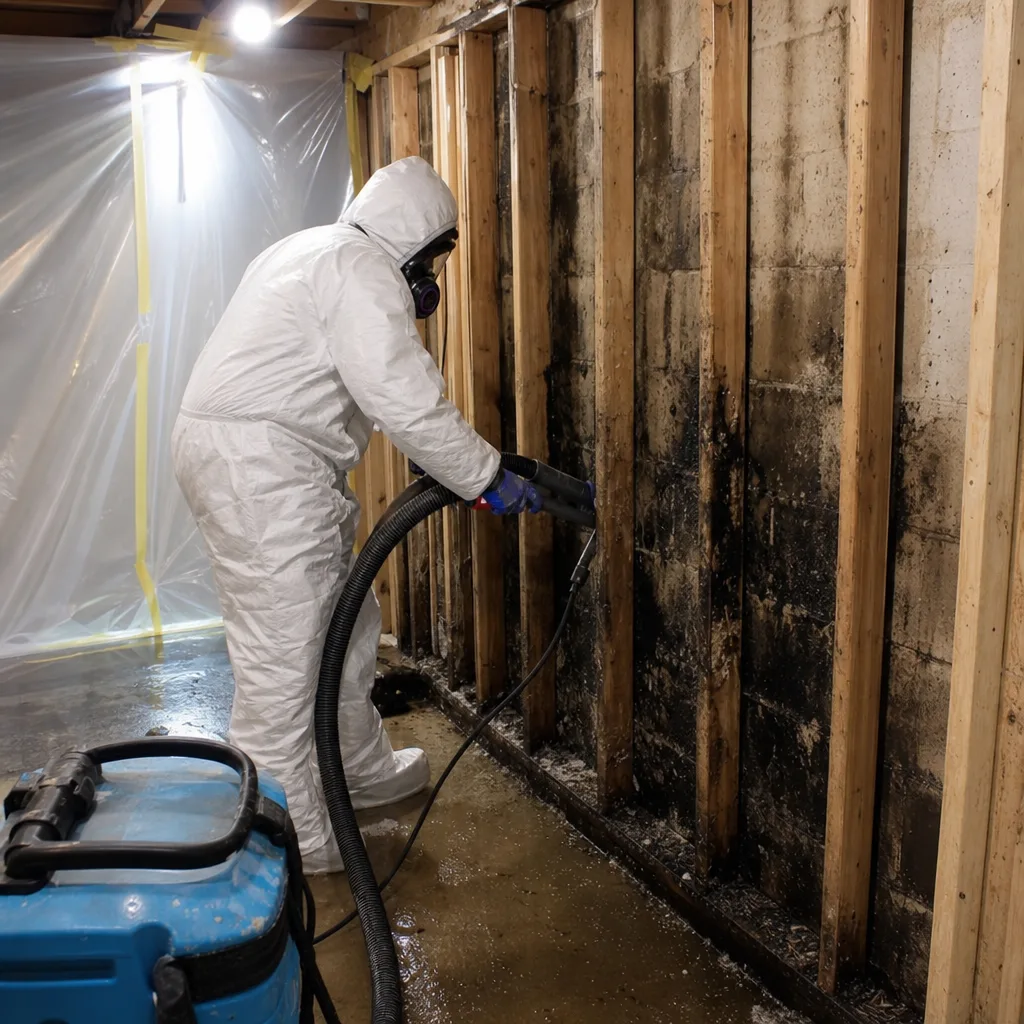
After any reconstruction in Washington Square, dust and debris spread further than expected in a shared building. HEPA vacuuming of every horizontal surface, air scrubbing, filter replacement, and detail cleaning of trim, windows, and radiators put the unit back to livable condition. If the job ran under LPC conditions, we keep the work area sealed and the street clean, which matters on landmarked blocks where neighbors and building managers are watching.
What happens when you call
- 1
A real person answersNo phone trees - you reach a local pro.
- 2
You get an upfront price rangeHonest numbers before anyone is dispatched.
- 3
A background-checked tech heads outLicensed & insured, dispatched right away.
- 4
You approve before work beginsNothing starts until you say go.
Reconstruction & Cleanup Costs in Washington Square, NY
Washington Square reconstruction costs run higher than outer-borough work for reasons built into the grid: landmarked facades, LPC review time, historic material matching, and shared-wall logistics. A typical drying-only job in a Washington Square basement with Category 1 water runs $2,100 to $4,800. Category 2 with drywall removal, antimicrobial treatment, and rebuild of a finished basement apartment runs $9,000 to $22,000. Full-scale reconstruction after a sewage backup or a fire in a pre-war unit, with custom millwork and plaster restoration, commonly lands between $35,000 and $120,000 depending on square footage and the level of historic detail. The free visual inspection we perform identifies what is actually wet, what is salvageable, and where the budget should go. You get a written line-item scope before any work is authorized, not after. Call (518) 314-5660 for an exact quote on your specific loss. Estimates are free.
We Also Serve Cities Near Washington Square
Our Washington Square coverage extends to the surrounding blocks and neighborhoods across lower and central Manhattan, including Midtown Manhattan, Midtown West, Murray Hill, and Upper Manhattan. If your building sits within a short dispatch of the Square, we will reach you quickly, respond to the emergency, and provide the same written-scope, insurance-documented process we use on the row houses of Washington Square North.
Serving Washington Square, NY - Our Local Coverage Area
We’re based in the Washington Square area and know this community well. Use the map below to see our service coverage - if you’re nearby, we can almost certainly help.
Washington Square Reconstruction & Cleanup Questions, Answered
How does Minetta Brook affect reconstruction of a Washington Square basement after water damage?
Minetta Brook’s persistent hydrostatic pressure drives groundwater into basements here far more than on neighboring higher-ground blocks. Any reconstruction plan must include slab and foundation waterproofing before cosmetic rebuild, or moisture readings will spike again within weeks. We specifically inspect for groundwater intrusion and design the reconstruction layer accordingly.
Do I need LPC approval before rebuilding an interior wall in a Washington Square townhouse?
If the building is an NYC Landmarks Preservation Commission-designated landmark or inside the Greenwich Village Historic District, interior work that affects original material often requires LPC review, and even temporary shoring on a landmarked facade can need sign-off. We coordinate with the LPC from the first assessment so drying equipment and structural stabilization are not red-tagged mid-job.
How fast can mold start on wet drywall in a Washington Square pre-war apartment?
Mold can begin colonizing wet drywall and organic materials within 24 to 48 hours in the warm, humid basement conditions common to Washington Square apartments over the Minetta Brook watershed. Structural drying must start immediately. If water has sat for days, the drywall may need cut-out rather than in-place drying. Call (518) 314-5660 for a free inspection.
What does Category 2 water mean for reconstruction choices in a Washington Square row house?
Category 2 water is significantly contaminated: it may come from a failed cast-iron drain line, a sump backup, or a washing machine discharge. In a Washington Square row house with original horsehair plaster and wide-plank pine, Category 2 water usually means removing saturated porous materials, treating cavities, and replacing damaged sections rather than drying in place. The scope we write reflects the water category, not a generic drying plan.
Will my insurance claim cover the cost of matching historic plaster details on Washington Square North?
Many Washington Square North row houses are landmarked and insured under policies that include “like kind and quality” or “functional replacement cost” language. Matching original horsehair plaster, period trim, and cast-iron details is more expensive than modern drywall, and the adjuster may initially resist. We document the pre-loss condition, write the scope with historic-materials line items, and coordinate directly with the carrier to support the claim.
How fast can someone actually get to Washington Square for a reconstruction emergency?
Our crews dispatch from a New York City office and in most cases reach Washington Square within 45 minutes of your call to (518) 314-5660. Every call is answered live, so you are not leaving a voicemail while the damage spreads through a party wall.
Can I stay in my Washington Square home during reconstruction and cleanup?
It depends on the water category and the extent of demolition. Category 1 drying with a contained area may allow continued occupancy. Category 3 sewage or fire damage with air scrubbers running and controlled demo typically means temporary relocation until the containment is cleared. We will tell you the truth during the free inspection, and the insurance claim can include loss-of-use coverage when warranted.
What should I do in the first 30 minutes after water damage in Washington Square?
Shut off the water source if you can do so safely. Move valuables out of the water path. Do not enter standing water in an electrified basement. Then call (518) 314-5660. A live dispatcher will answer and start the response, and the sooner we arrive, the more original material we can save. Avoid DIY extraction with a shop vac on Category 2 or 3 water; it spreads contamination.
Written by Curt Bowman, Owner at Floodline Restoration Co., serving Washington Square and the surrounding Manhattan blocks.