
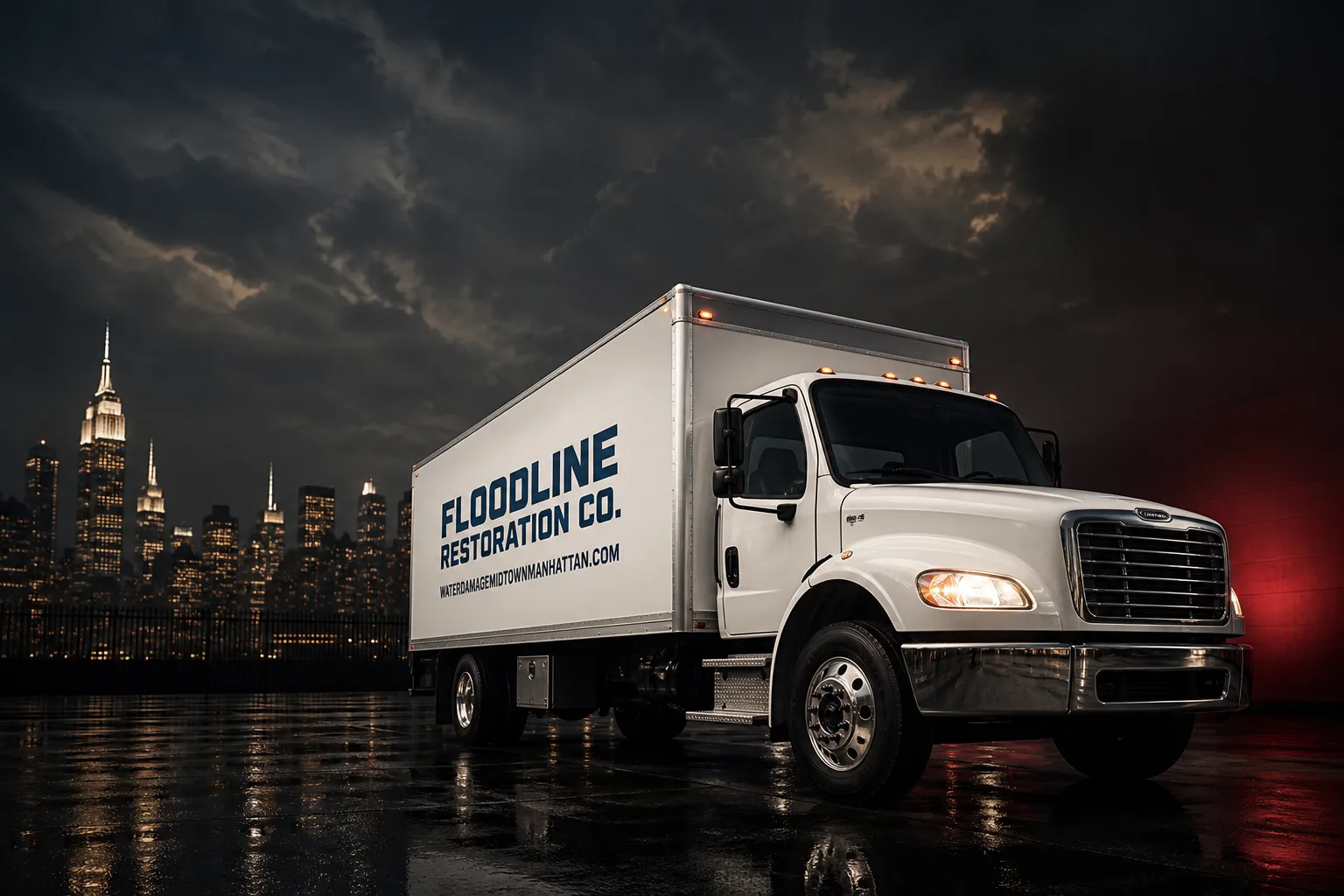
Free visual inspection and a written scope of work before any mitigation begins - photos, moisture readings, and drying logs go in your claim file
The scope we write is the scope we bill. Anything new gets shown to you, in writing, before we touch it.
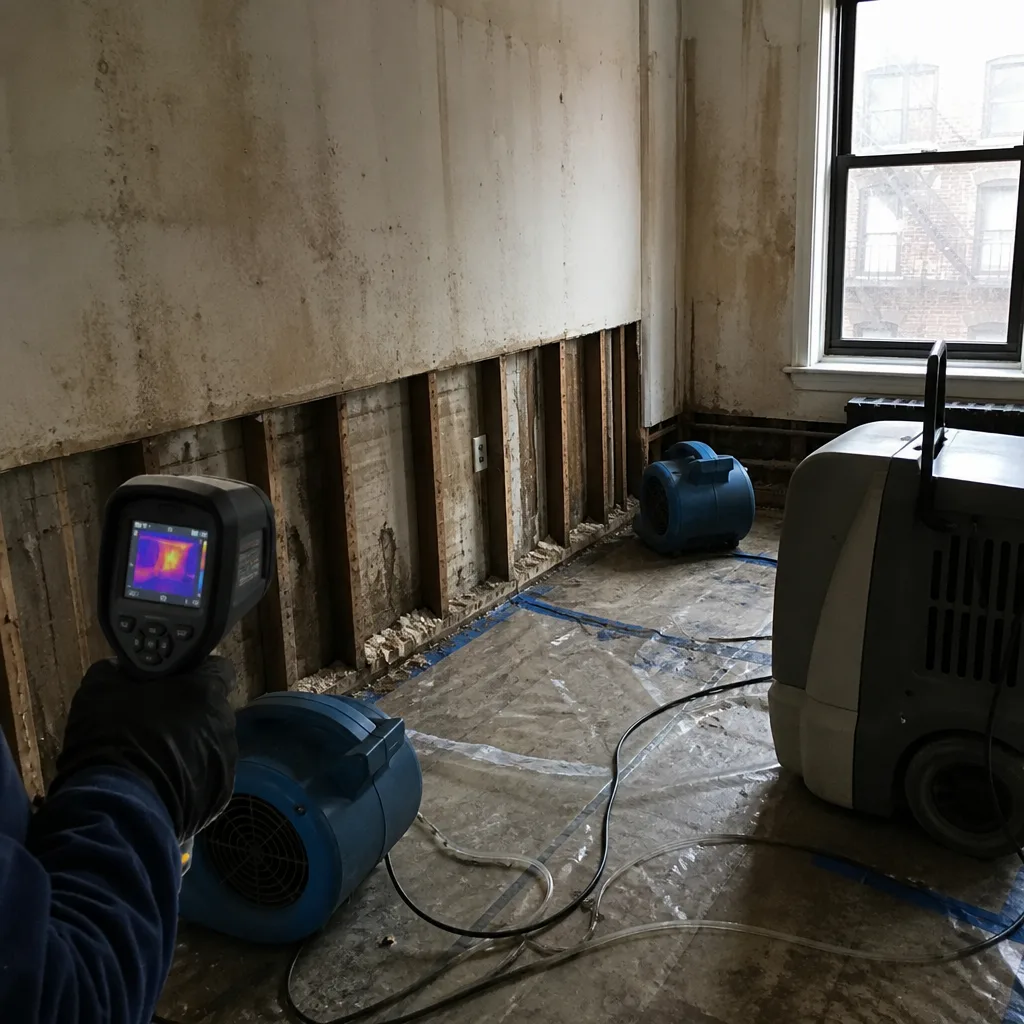 Before
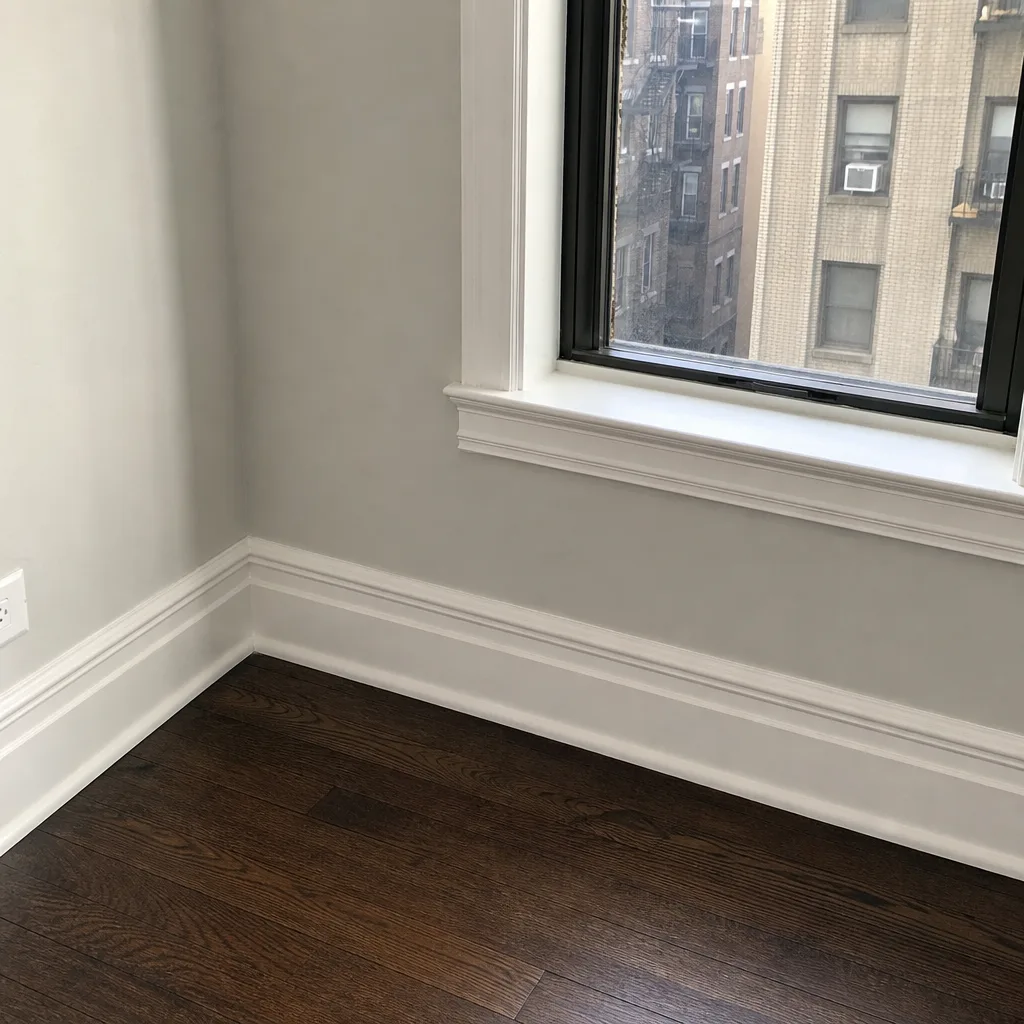 After
After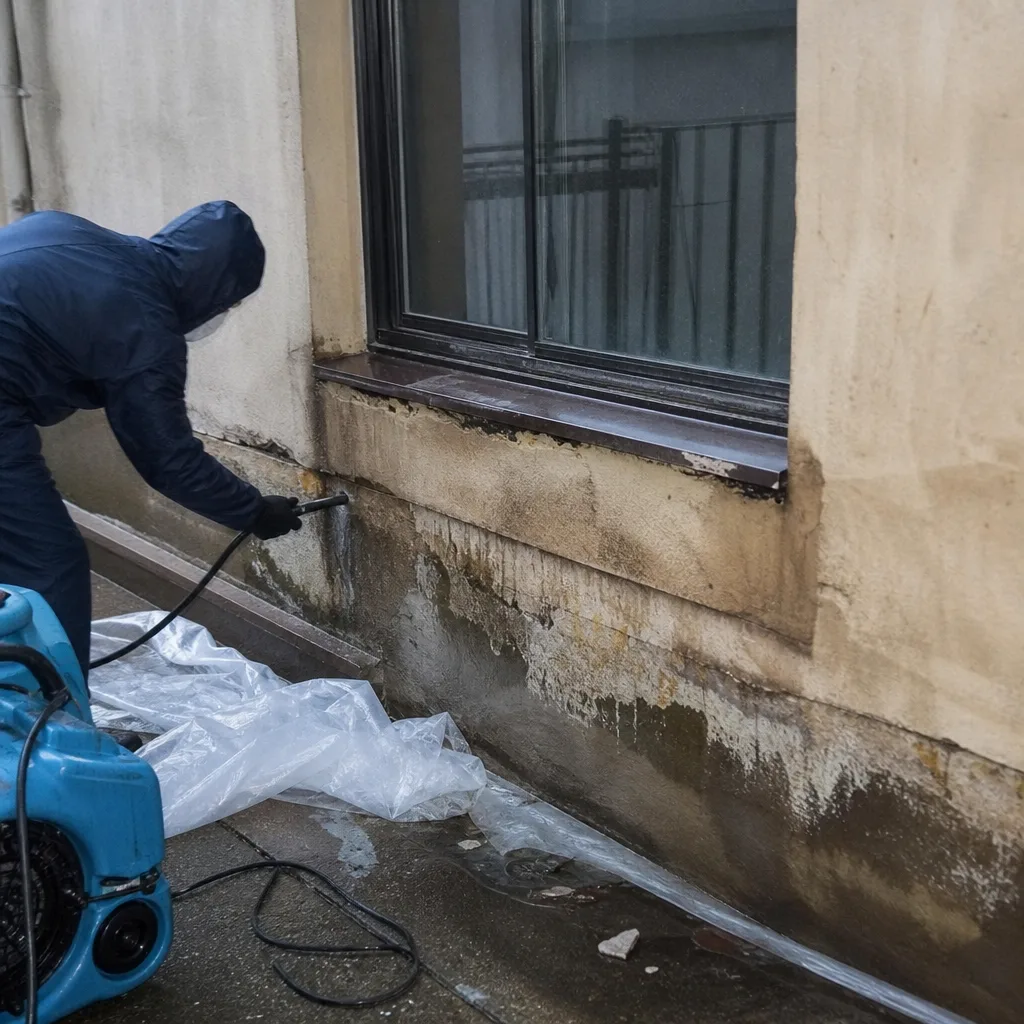 Before
 After
After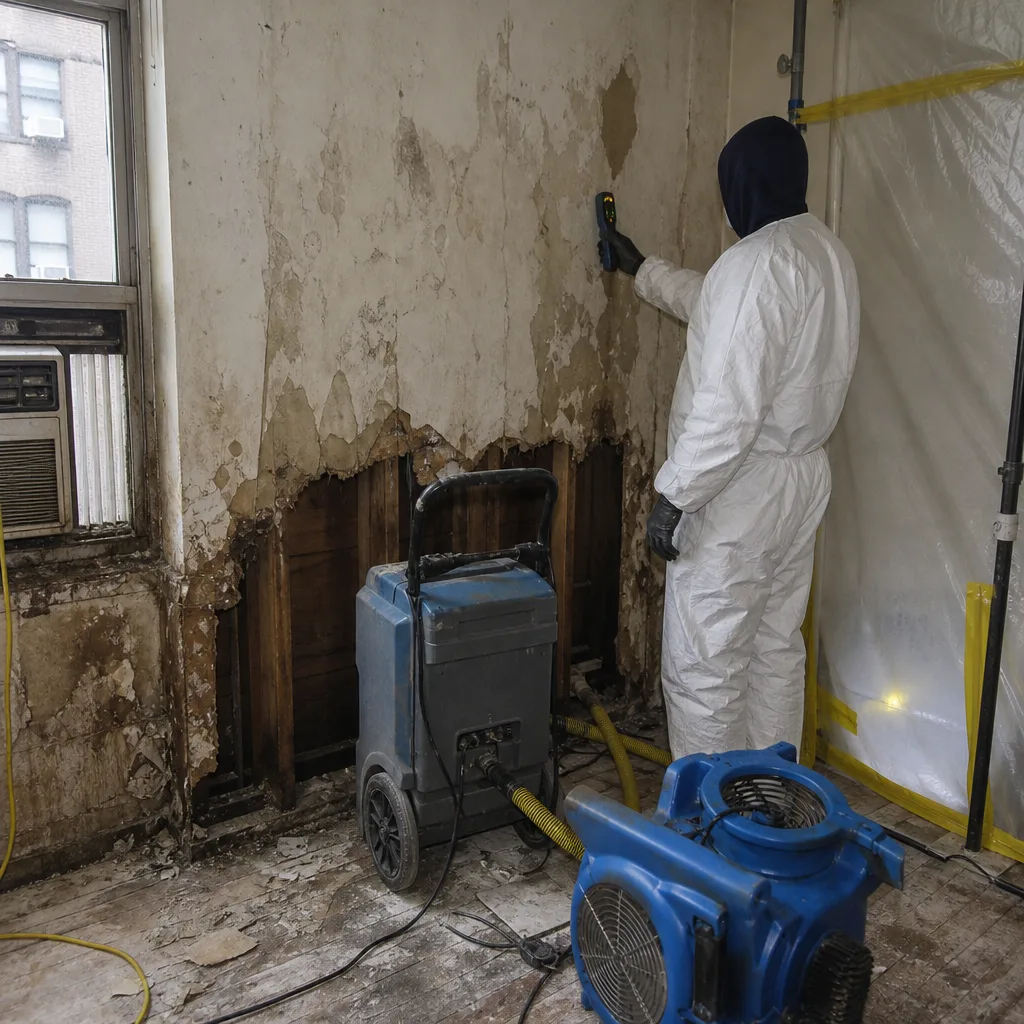 Before
 After
After24/7 Emergency Mold Remediation in Astoria
Mold remediation in Astoria typically runs $1,800 to $6,500 depending on how far the growth has spread and whether it’s inside wall cavities, and most jobs we handle are started within 24 to 48 hours of the first call. You can reach a live dispatcher at (518) 314-5660 at any hour, day or night. In attached pre-war buildings, mold moves fast through shared wall cavities and aging ductwork, so the first 24 hours matter more here than in almost any other part of Queens. We’ll send a crew to your block in Astoria, do a free visual inspection, and tell you straight what you’re dealing with and what it’ll take to fix it.
Understanding Mold Remediation Severity in Astoria Properties
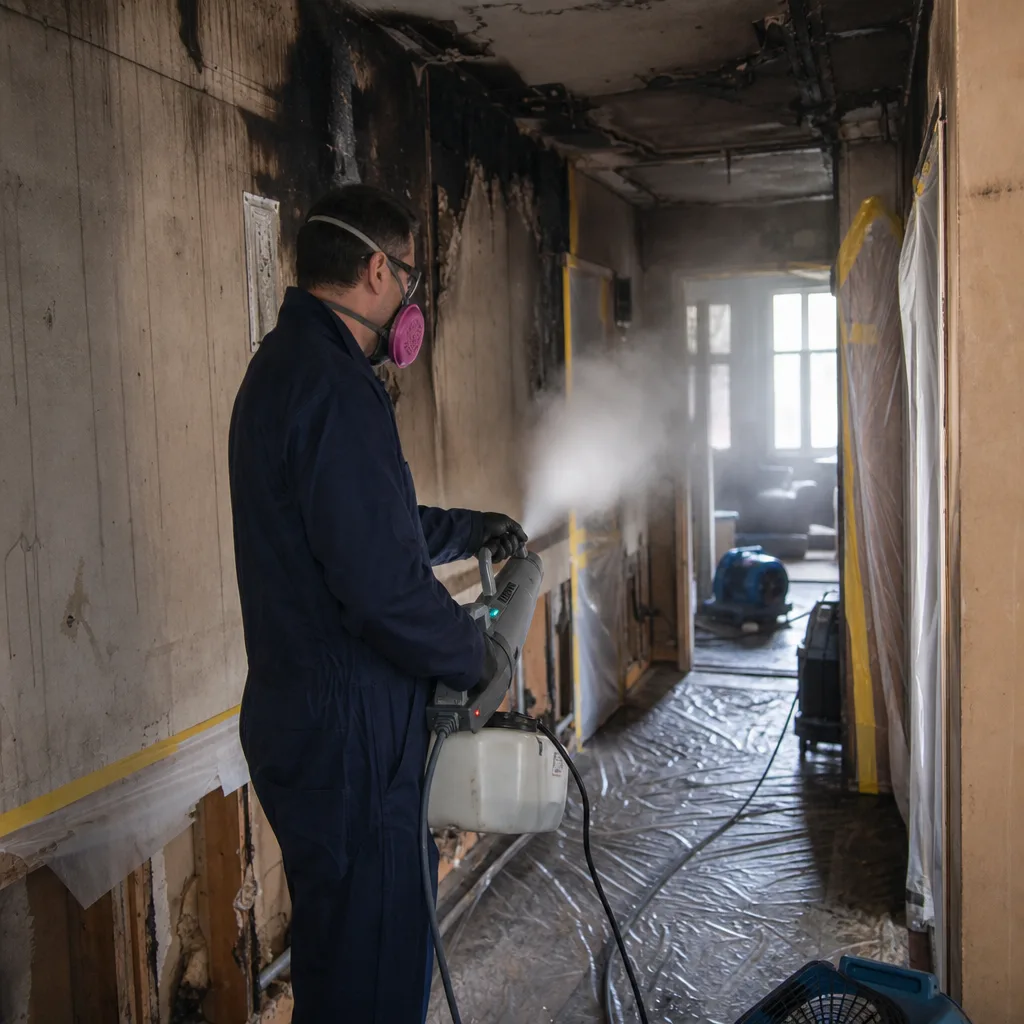
Mold severity in Astoria tends to follow a predictable pattern tied directly to the neighborhood’s housing stock. Most of the buildings in 11102, 11103, and 11105 went up between 1920 and 1950: attached brick construction, flat roofs, shared party walls, and basement apartments. When water gets in, whether it’s a failed roof membrane ponding on a top-floor unit or a corroded cast-iron supply line letting go on the third floor, the moisture doesn’t stay where it started. It travels. Through floor joists, down wall cavities, into the neighbor’s ceiling assembly. What begins as a Category 1 clean-water leak becomes a Category 3 situation once it picks up decades of dust, lead paint residue, and whatever’s been living in those old plaster-and-lath cavities. We classify every job by water category, run moisture mapping with thermal imaging and hygrometers, and set up proper containment with HEPA air scrubbers before any affected material comes out. In a neighborhood where one building’s leak is routinely three apartments’ problem, that kind of discipline isn’t optional. It’s the difference between a one-time fix and a recurring nightmare.
Need Emergency Mold Remediation in Astoria Now?
Crews minutes away, answering live 24 hours a day. The sooner we start, the less it costs.
Why Astoria Property Owners Choose Floodline Restoration Co.
- 45-minute response commitment. When you call with water or mold in an Astoria basement apartment, we commit to having a certified crew on the way within 45 minutes. Not a callback. A crew.
- A real person answers, 24/7. No automated phone tree, no “leave a message and we’ll get back to you.” A live dispatcher picks up at 2 a.m. and starts coordinating. Always.
- IICRC-certified technicians. Our crews are background-checked, uniformed, and trained to IICRC AMRT and WRT standards. That means they know how to contain mold spores before demolition starts, not after.
- Free visual inspection. We’ll walk the unit with you, show you what we’re seeing, and explain what needs to happen. No charge for that, and no obligation.
- Direct insurance billing. We bill your carrier directly and handle adjuster communication from day one. You shouldn’t have to play messenger between your insurer and a restoration crew.
- One team from start to finish. The same Floodline crew that does the moisture mapping and mold removal also handles the drying, the antimicrobial treatment, and the rebuild. No mid-job handoff, no inherited subcontractors, no excuses. This is our Mold Remediation standard.
Our Mold Remediation Process
Inspection & Assessment
We start with thermal imaging and moisture meters to map exactly where the water is hiding, even behind plaster walls and under finished floors. In attached Astoria buildings, we trace moisture movement across party walls and through shared floor-ceiling assemblies. You get a written scope before any work begins.
Containment & Stabilization
We set up negative air pressure containment with HEPA-scrubbed exhaust so mold spores don’t migrate into neighboring units or recirculate through the building’s ductwork during removal. In occupied multi-family buildings, this step protects everyone, not just the affected unit.
Drying & Dehumidification
We run professional-grade Dri-Eaz and Phoenix air movers and dehumidifiers, taking daily moisture readings against a target dry standard. In pre-war masonry construction, drying takes patience: brick and plaster hold water differently than drywall, and we log readings until the numbers are right, not until the calendar says we’re done.
Cleaning & Sanitization
We use HEPA vacuums and antimicrobial treatments on all remaining surfaces. Every affected stud, joist, and cavity gets treated before any new material goes back in. This is where shortcuts get made on cheaper jobs, and it’s exactly where mold comes back.
Specialty Treatment for Mold Remediation
For Astoria’s pre-war buildings, we pay special attention to shared wall cavities and subway-vibration cracks. We treat those cavity spaces directly, not just the visible drywall face, so mold can’t recolonize from the inside out.
Repairs & Restoration
We rebuild what we removed: drywall, trim, flooring, paint. The same crew that did the tear-out does the put-back, so there’s no gap between remediation and restoration, and no second company to chase down if something’s not right.
Need Emergency Mold Remediation in Astoria Now?
Crews minutes away, answering live 24 hours a day. The sooner we start, the less it costs.
Working With Your Insurance Company
Mold claims in Astoria’s older buildings tend to get scrutinized more closely than a standard water loss, because adjusters know these attached pre-war structures mean multi-unit exposure. That’s why we document everything from the first hour: initial moisture readings, room-by-room photos, thermal imaging scans, and daily drying logs. We write our estimates to the same industry-standard format your carrier expects, and we talk directly to your adjuster so you don’t have to translate construction terms over the phone. If your carrier needs a second opinion, we’ll walk them through the scope line by line. No surprises on the bill, because the bill’s already been agreed to before we start swinging hammers.
What We Provide Your Insurer
- Thorough documentation of the loss
- Photos of all damage, room by room
- Moisture readings and drying logs
- A detailed, line-item scope of work
- Direct coordination with your carrier
Built for Astoria’s Loss Calendar
Astoria’s mold season is really three overlapping seasons. January and February bring deep freezes that burst old supply lines in unheated basement utility closets, and that water sits behind finished walls until someone notices the smell in March. Spring thaw pushes groundwater up through cracked foundations in low-lying blocks near the East River, and basement apartments stay damp for weeks. Summer is the wildcard: heavy rain events overwhelm the combined sewer system shared by this pre-war neighborhood, and raw sewage backs up into basement floor drains. That’s Category 3 water that calls for Sewage Cleanup in Astoria, and every hour it sits makes the mold worse. Add decades of elevated N/W subway vibration opening hairline cracks in brick facades along 31st Street, and you get a neighborhood where chronic, low-grade moisture intrusion is the rule, not the exception. That’s why we keep crews staged throughout Astoria year-round and answer the phone live around the clock. When the nor’easter hits, we’re already here.
Mold Remediation Across Astoria’s Neighborhoods
We run calls all over Astoria, and each pocket of the neighborhood has its own rhythm. In the blocks around Ditmars Boulevard in 11105, we see a lot of top-floor mold in attached brick walk-ups: flat roofs pond water, the membrane fails quietly, and moisture works its way down through ceiling assemblies before anyone spots it. Over near Astoria Boulevard and the 11102 ZIP, the train-facing walls along the elevated N/W line are the recurring story. Those buildings take decades of continuous vibration, and the mortar joints on the upper floors don’t get repointed until the damage is already inside the wall. In the 11103 section around Broadway and Steinway Street, the mix of basement apartments and older multi-family buildings means sewer-backup mold is a regular call after summer storms and other situations needing Biohazard & Crime Scene Cleanup - Astoria. And down by the waterfront near Socrates Sculpture Park, ground-floor units sit low enough that storm surge from Hell Gate becomes a real factor during nor’easters. Every one of those calls starts with the same question: where did the water come from, and where is it hiding now? In Astoria, the answer is rarely as simple as “the roof.”
Specialized Mold Remediation Services We Offer in Astoria
Mold Inspection & Testing
In Astoria’s pre-war buildings, a visible patch on one wall is rarely the whole story. We use thermal imaging and moisture meters to trace the actual source, which in this neighborhood is often a vibration crack in a train-facing facade or a slow leak in a shared wall cavity. You’ll know exactly what you’re dealing with before any remediation work is quoted.
Mold Removal
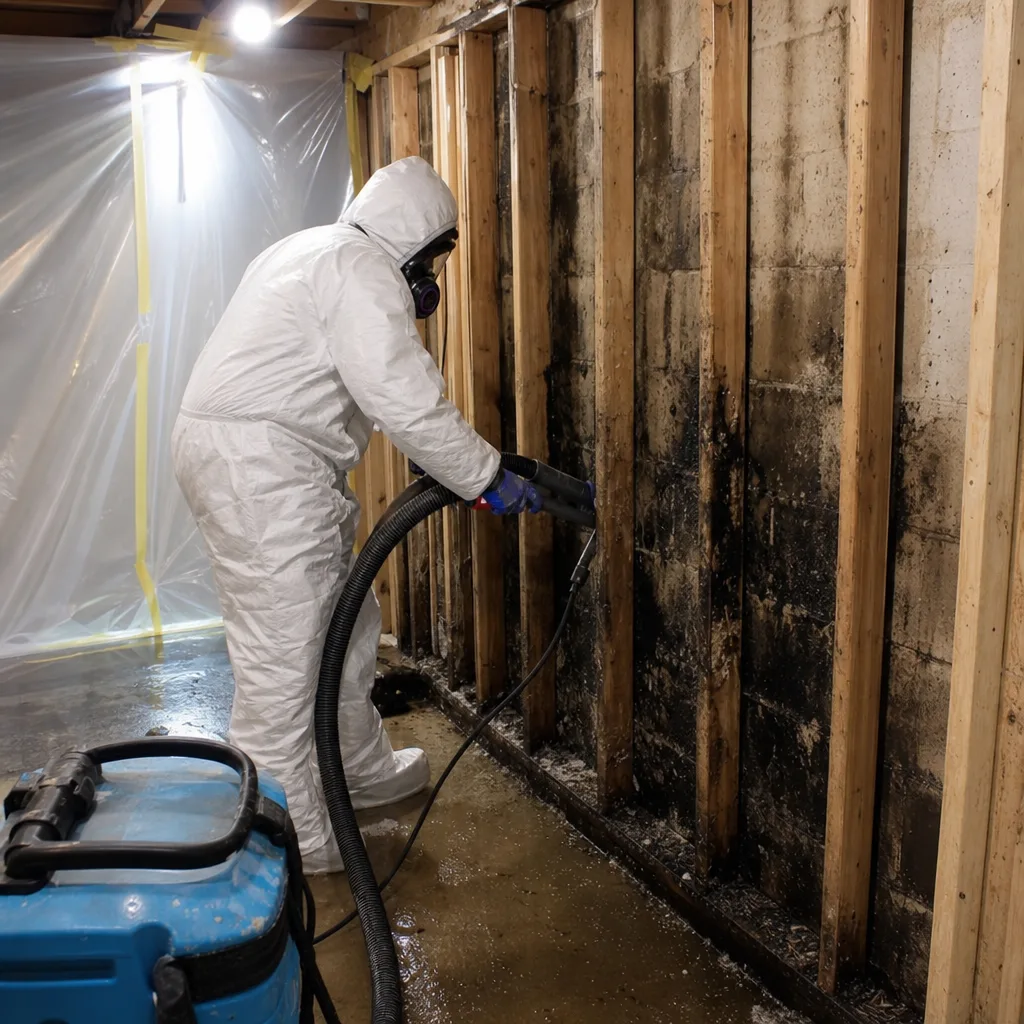
We remove mold-impacted drywall, plaster, and insulation under full containment, then treat the remaining structure with antimicrobial agents. In attached buildings, that means treating the cavities inside your walls, not just the face of them, so the problem doesn’t migrate into your neighbor’s unit and then back into yours.
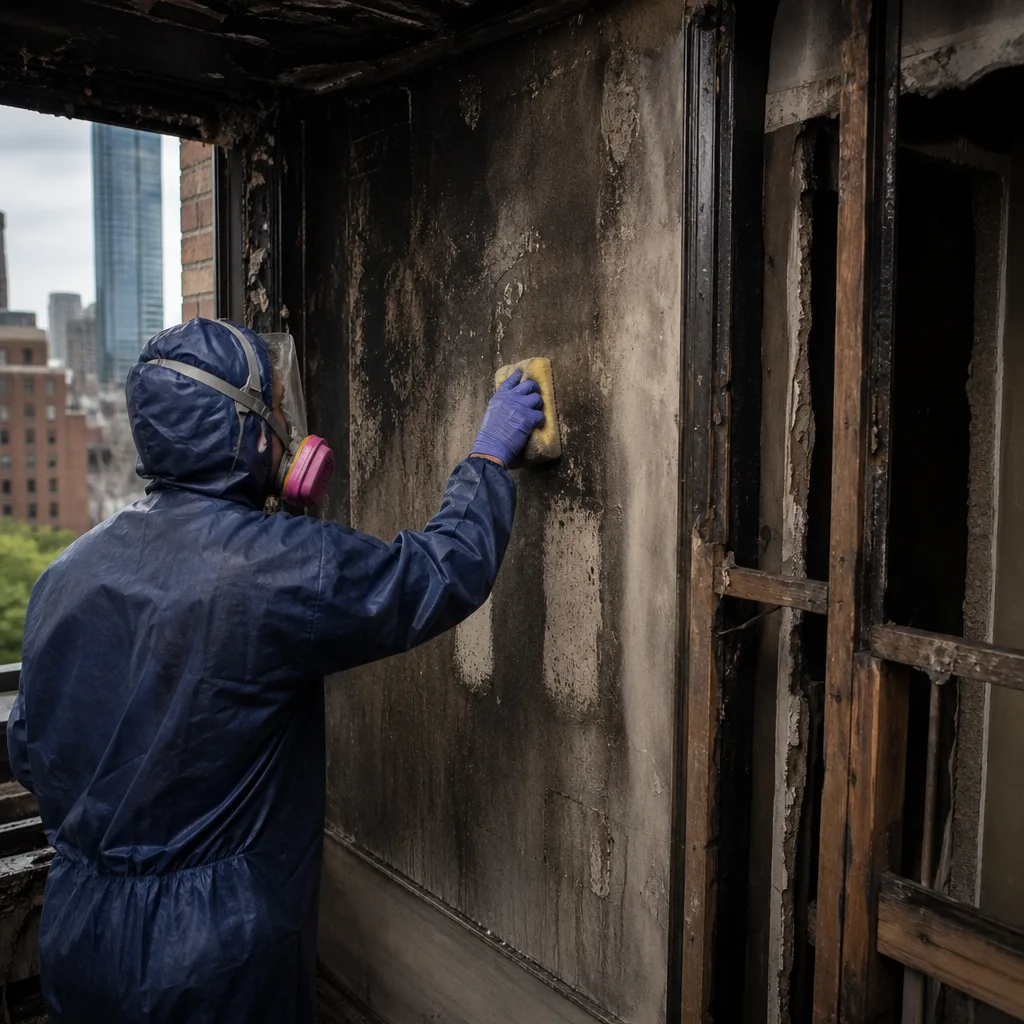
Black Mold Remediation
Black mold, or Stachybotrys, loves the chronic, low-light moisture conditions common in Astoria’s basement apartments and shared-wall cavities. We treat it the same way we treat every other mold job: full containment, proper protective equipment, thorough removal, and source correction. The color of the mold matters less than where it’s growing and why.
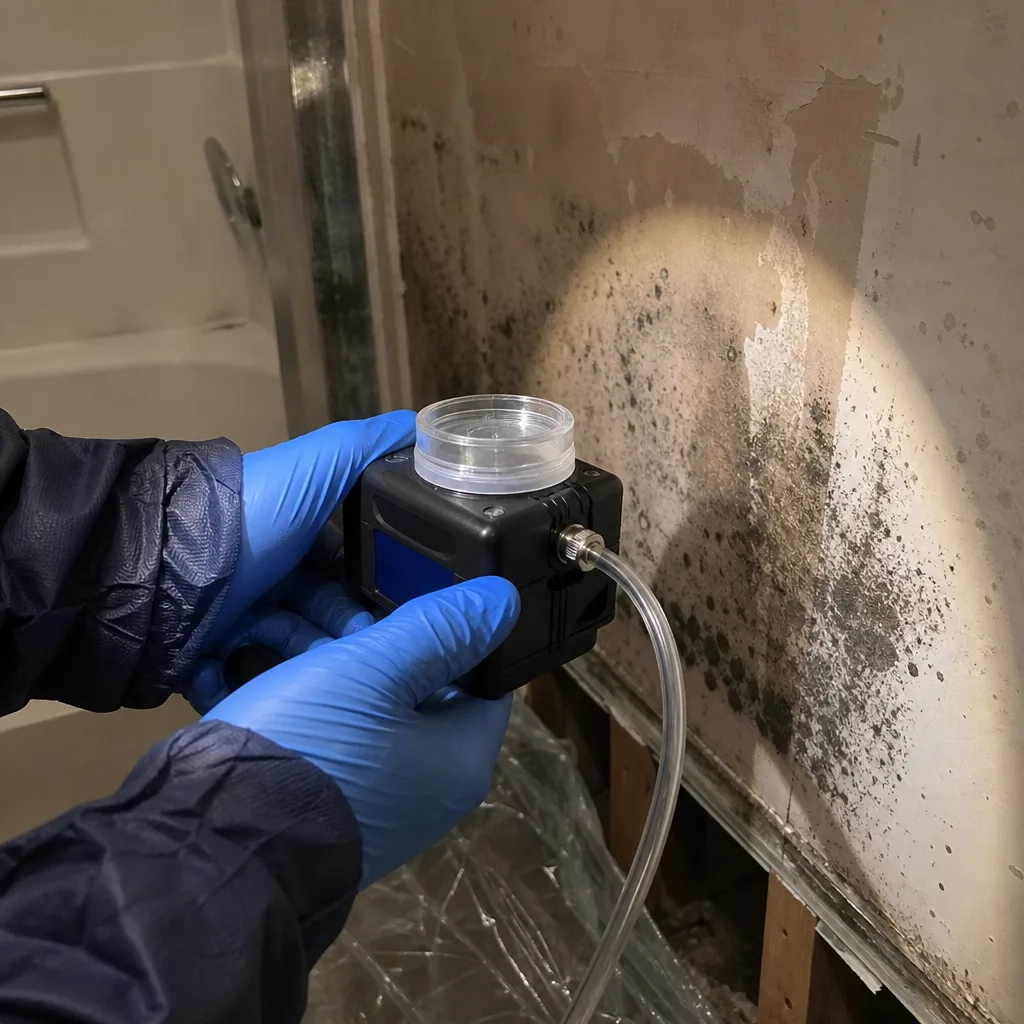
Air Quality Restoration
After mold removal, we run HEPA air scrubbers to pull residual spores out of the air. In older buildings with aging ductwork, this step matters double: those spores recirculate through vents and into every room if they’re not captured at the source.
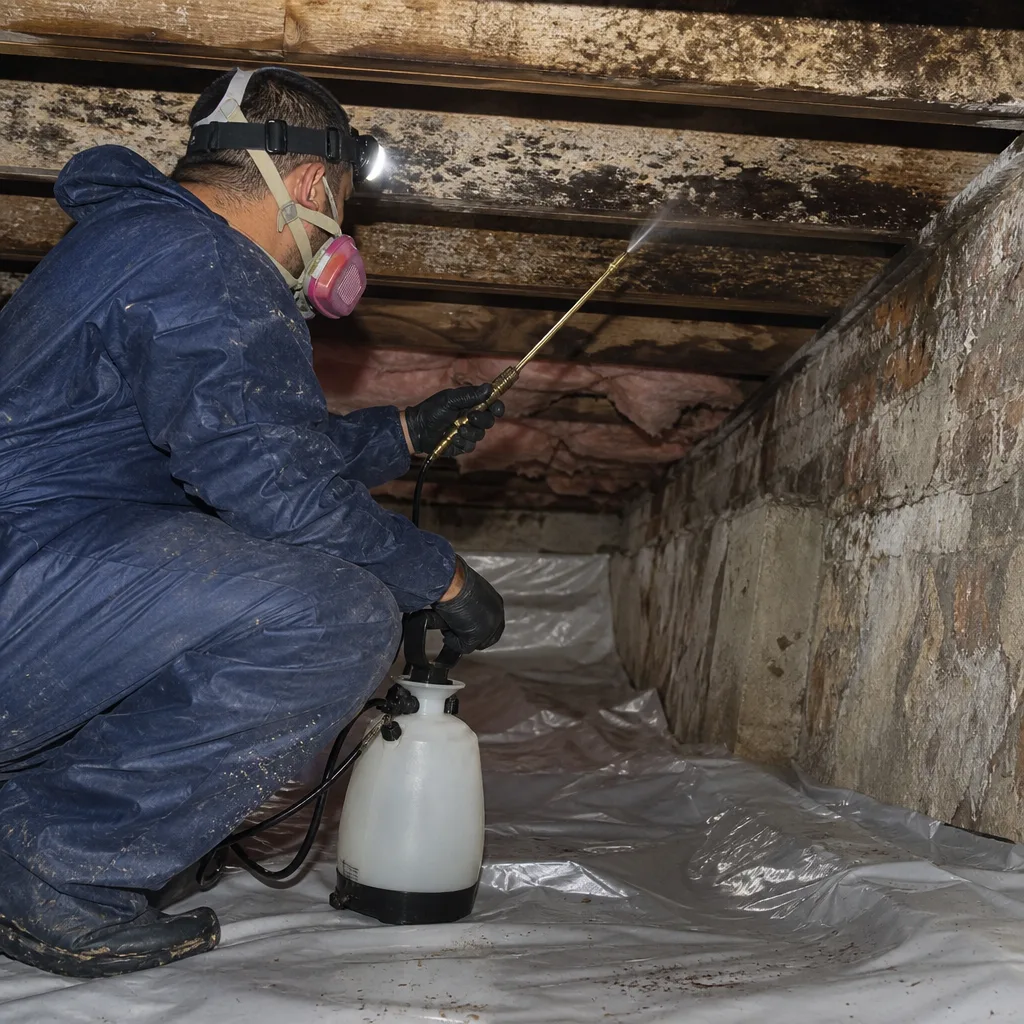
Crawl Space Treatment
Crawl spaces under Astoria’s older attached buildings trap humidity against floor joists and subfloors. We install proper vapor barriers, correct drainage issues where possible, and treat any mold growth that’s already taken hold on the framing itself.
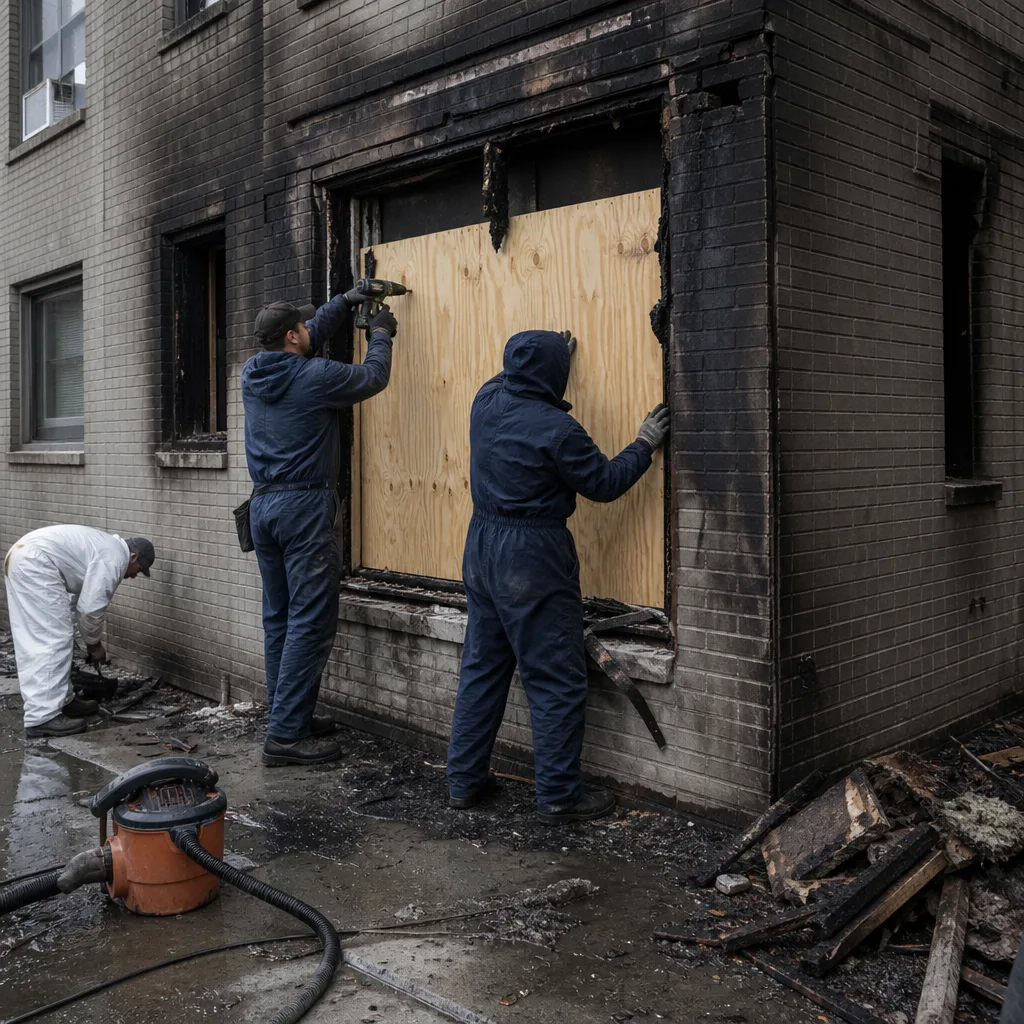
Moisture & Humidity Control
The single best way to prevent mold coming back in a pre-war building is to control the moisture, not just the mold. We’ll identify where humidity is entering your unit, recommend dehumidification where appropriate, and point you to the actual source of the moisture so you can address it permanently. This is a cornerstone of our work in Astoria.
What happens when you call
- 1
A real person answersNo phone trees - you reach a local pro.
- 2
You get an upfront price rangeHonest numbers before anyone is dispatched.
- 3
A background-checked tech heads outLicensed & insured, dispatched right away.
- 4
You approve before work beginsNothing starts until you say go.
Mold Remediation Costs in Astoria, NY
What mold remediation costs in Astoria depends mostly on where the mold is and how far it’s traveled. A contained bathroom remediation with source correction typically runs $1,800 to $3,200. A basement apartment with sewer-backup contamination and mold behind finished walls usually falls between $3,500 and $6,500. Top-floor units with roof-leak mold across a ceiling assembly run $4,000 to $8,500, because you’re often looking at insulation replacement and structural drying across floor joists. What moves the number: containment complexity in occupied multi-family buildings, the need to treat shared wall cavities rather than just unit-facing drywall, and whether the source is still actively leaking when we arrive. Insurance covers many of these jobs when the mold stems from a covered water loss, and we handle the adjuster and the billing directly so you’re not fronting cash while the claim processes. The fastest way to get a firm number is a free visual inspection. Call (518) 314-5660 and we’ll get you a written scope and a square-deal price.
We Also Serve Cities Near Astoria
Our crews cover the surrounding neighborhoods too. When your job is in Long Island City, you’ll get the same live 24/7 dispatch, the same certified technicians, and the same 90-Day Done Right Promise in writing. Same team, same standards.
Astoria Mold Remediation Questions, Answered
How does Astoria’s elevated subway vibration cause mold, and what should I look for?
The N/W elevated tracks generate constant low-frequency vibration that travels through the ground and into the brick facades of attached pre-war buildings, opening hairline cracks in mortar joints and around windows. Water penetrates those cracks slowly over years, wetting the inside of exterior walls without ever showing an obvious leak. Look for peeling paint, warped baseboards, or a persistent musty smell on walls that face the elevated line, especially on upper floors. If you’re seeing those signs, call (518) 314-5660 for a free inspection before the mold spreads into the wall cavity.
Can mold spread through shared walls in my pre-war Astoria apartment building?
Yes, and in Astoria’s attached brick buildings it does so regularly. Shared party walls in buildings from the 1920s through 1940s were built with continuous framing and floor joists that span from one unit to the next. When moisture gets into one unit’s wall, mold spores and moisture travel through those shared cavities into the adjacent unit without any visible sign on the common wall’s face. That’s why we treat wall cavities directly, not just the visible drywall, and why proper containment matters during removal. If you’re a landlord or a tenant and you suspect cross-contamination, call us and we’ll check both sides of the assembly.
Is basement mold from sewer backups considered Category 3 water, and how does that change remediation?
Yes. A sewer backup is Category 3 water: it contains sewage, bacteria, and other contaminants, regardless of whether it looks clean. That changes the remediation protocol meaningfully. All affected porous materials like drywall, carpet, and insulation must come out, not just be dried in place. Framing gets treated with antimicrobial products, and our crews work under stricter safety protocols. Astoria’s combined sewer system makes these backups more common here than in neighborhoods with separate storm and sanitary lines, especially during heavy summer rain events.
How quickly should I start mold remediation in my Astoria basement apartment after a flood?
Within 24 to 48 hours at most. Mold begins colonizing damp drywall and organic materials within that window, and in a basement apartment with limited airflow, it progresses faster than it does in an above-ground unit. Every day you wait, the affected area grows and the cost to remediate goes up. Call (518) 314-5660 immediately after any flood in an Astoria basement unit and we’ll have a crew there with drying equipment and a remediation plan inside the hour.
Does flat roof ponding in Astoria buildings always lead to mold in top floor units?
Not always, but in a meaningful percentage of Astoria’s flat-roof pre-war buildings it does. Flat roofs are designed to drain, and when the drain clogs or the membrane ages and sags, water ponds. That standing water eventually finds a seam, a crack, or a penetration, and works its way into the top-floor ceiling assembly. If you live on the top floor of an attached building with a flat roof and you notice brown ceiling stains or a musty smell after heavy rain, don’t assume it’s just stains. Get it checked before it becomes a full mold remediation. The inspection is free.
How long does mold remediation take in an Astoria apartment?
Most contained mold remediation jobs in Astoria apartments take three to seven days from setup to final clearance. That includes containment setup, removal of impacted materials, structural drying, antimicrobial treatment, and clearance air sampling. Larger jobs involving shared wall cavities or multiple units can run longer. You’ll get a written timeline in your scope of work before we start, and you’ll get daily updates as the job progresses.
Can I stay in my Astoria apartment during mold remediation?
It depends on the scope. For small, contained jobs in a single bathroom or closet, staying is often fine with proper containment and negative air pressure in place. For larger jobs involving multiple rooms, shared walls, or Category 3 water, we typically recommend temporary relocation while the work is underway, especially for anyone with respiratory conditions or compromised immune systems. We’ll give you an honest assessment during the free inspection so you can plan accordingly.
What should I do in the first 30 minutes after discovering mold in my Astoria home?
Don’t disturb it. Don’t try to clean it, don’t spray bleach on it, and don’t run fans near it, because all of those things release more spores into the air. Close the door to the affected room if you can, keep pets and children away, and leave the mold alone. Then call (518) 314-5660. A live dispatcher answers, and we’ll have a certified crew at your Astoria address with a free inspection and a written plan in hand.
Serving Astoria, NY - Our Local Coverage Area
We’re based in the Astoria area and know this community well. Use the map below to see our service coverage - if you’re nearby, we can almost certainly help.
One More Thing About Mold in Astoria
Our techs recently completed mold remediation in a 1930s attached brick apartment building in the 11103 ZIP, where the owner had been chasing what he thought was a roof leak for two years. Roofers had been up three times. Flashing had been replaced. The ceiling stains kept coming back. When we got inside, we found the actual source: years of elevated N/W vibration had opened hairline cracks in the facade facing the tracks along 31st Street, and every rain event had been slowly soaking the shared party wall from the outside in. By the time the mold showed up on the interior drywall, it had colonized the entire wall cavity between the two units. We contained the space, removed the mold-impacted drywall, treated the framing with antimicrobial agents, and ran structural drying until the moisture readings hit the dry standard - the same thorough approach we bring to every Astoria Storm & Disaster Restoration job. The neighboring apartment was never disturbed. The owner finally got an answer about why the “roof problem” wouldn’t go away. In Astoria, the source of the mold is rarely the first thing you’d guess, which is exactly why we start with moisture mapping and thermal imaging before we touch a single piece of drywall. Done right, it’s done once.
Written by Curt Bowman, Owner at Floodline Restoration Co., serving Astoria and surrounding neighborhoods.