
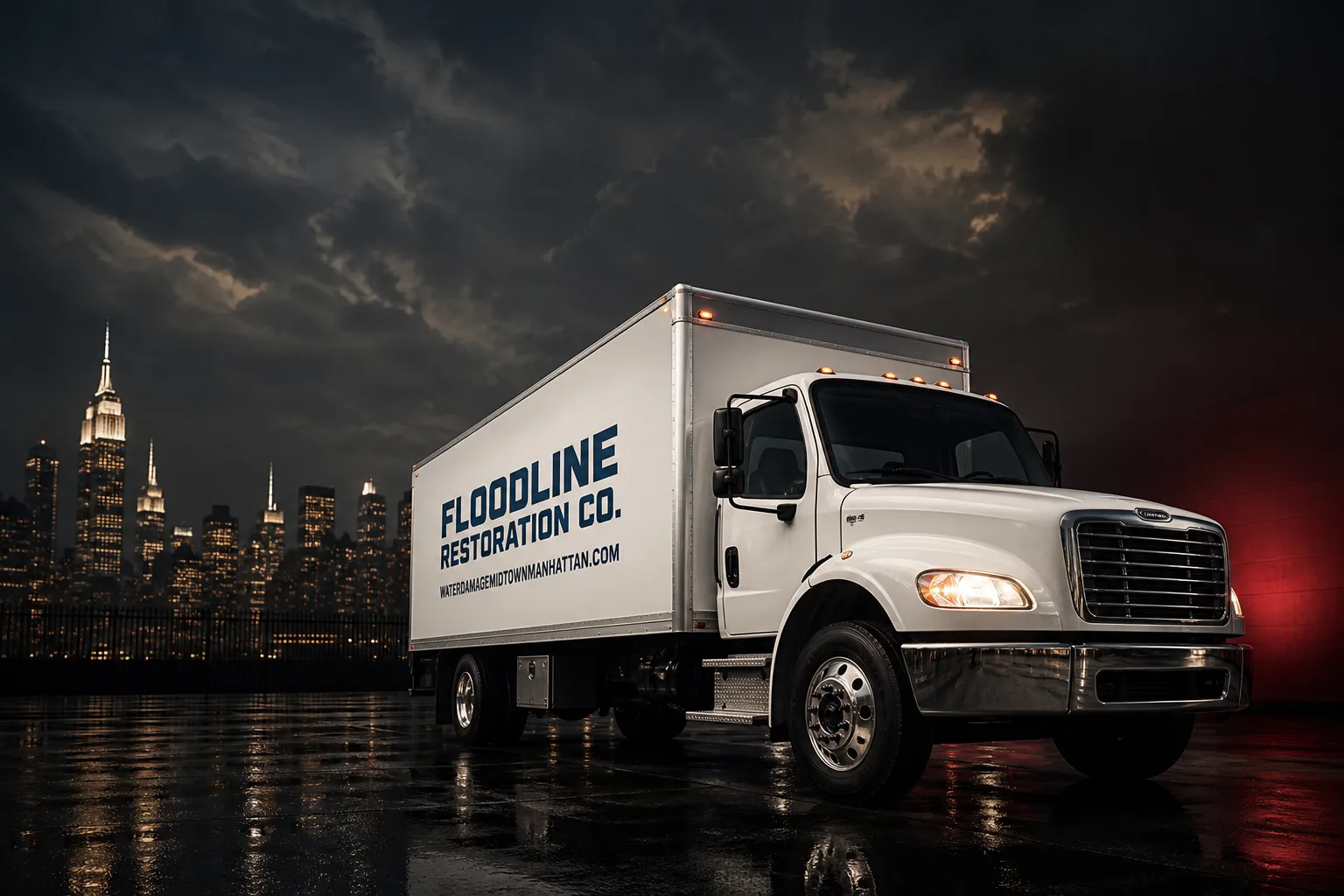
Free visual inspection and a written scope of work before any mitigation begins - photos, moisture readings, and drying logs go in your claim file
The scope we write is the scope we bill. Anything new gets shown to you, in writing, before we touch it.
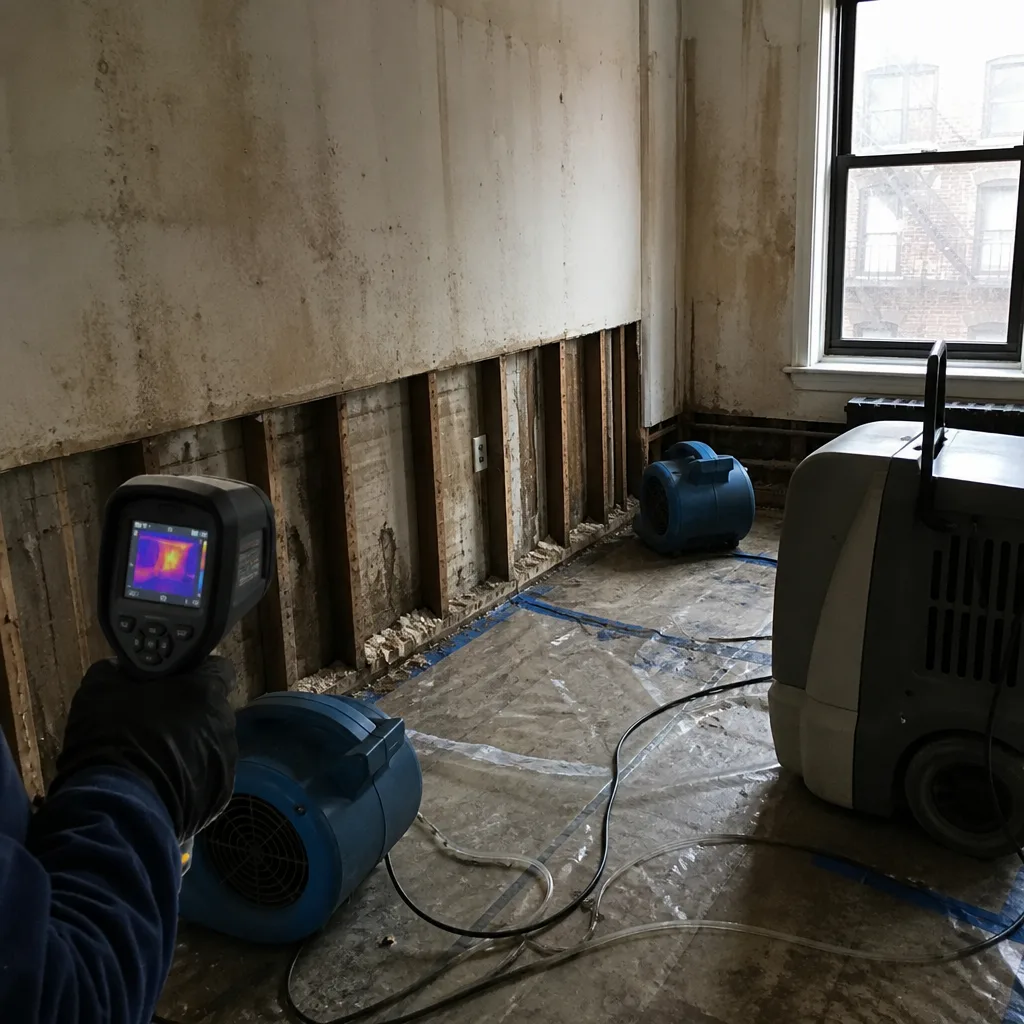 Before
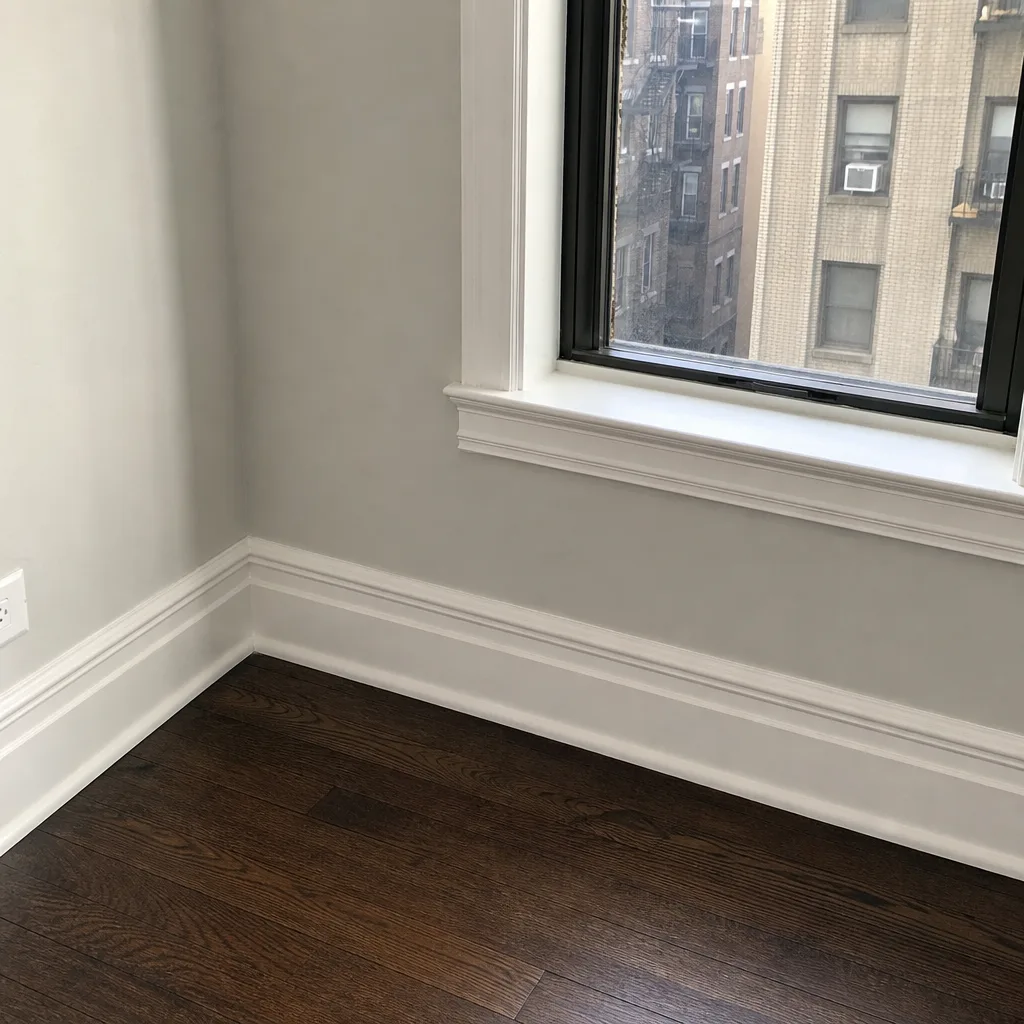 After
After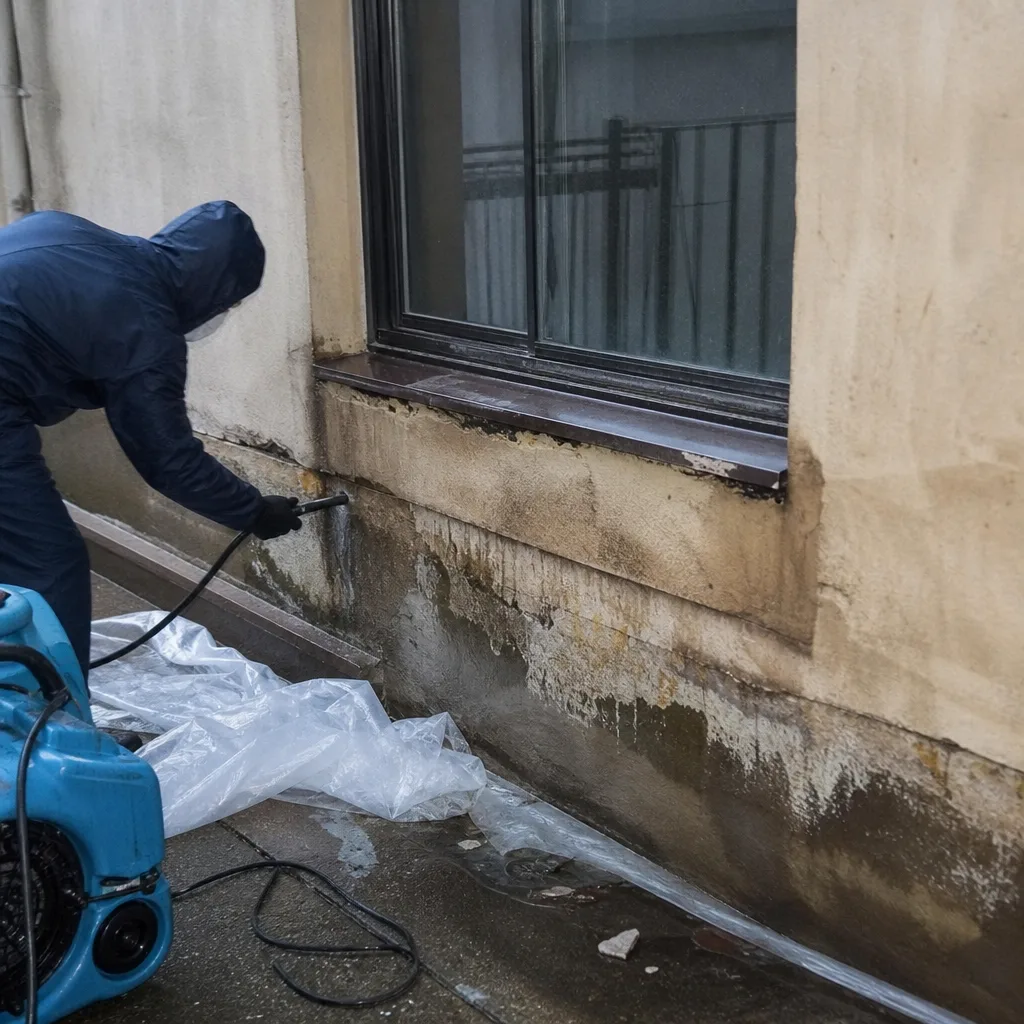 Before
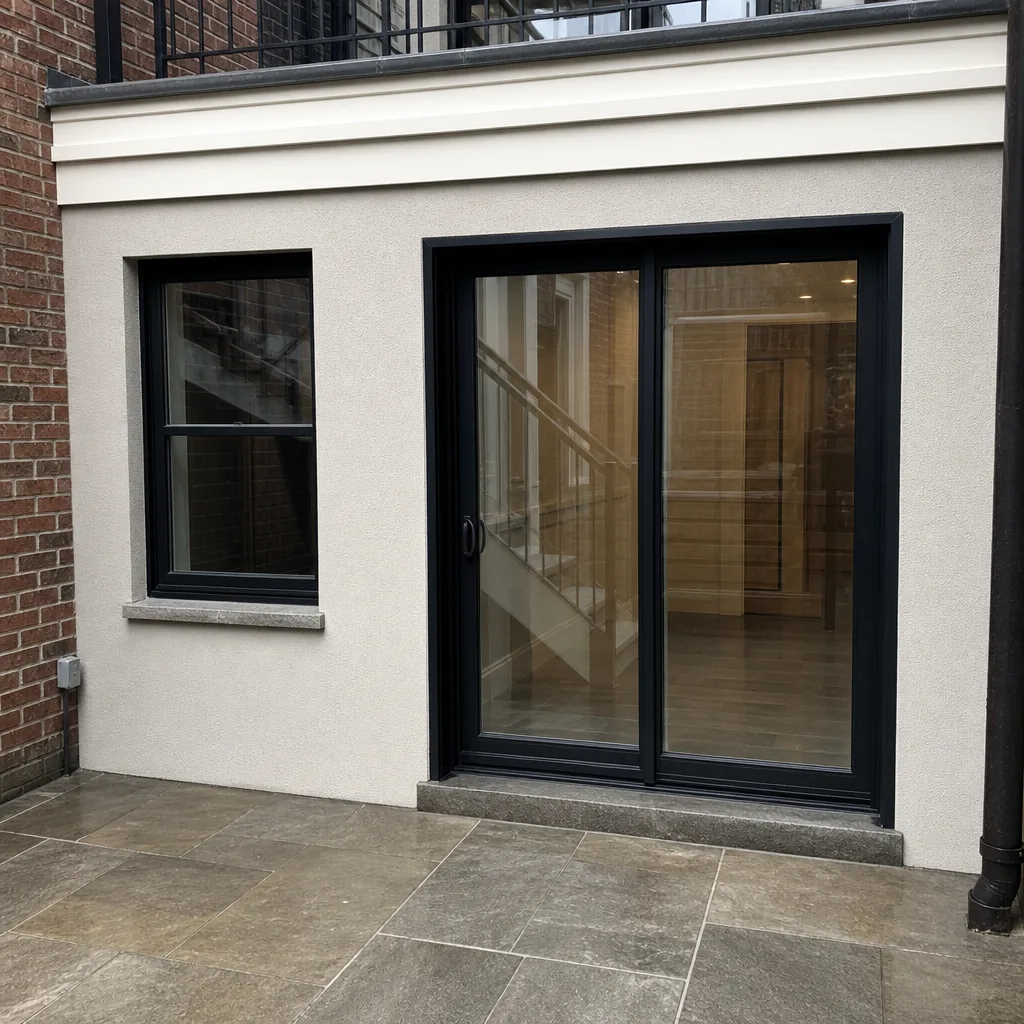 After
After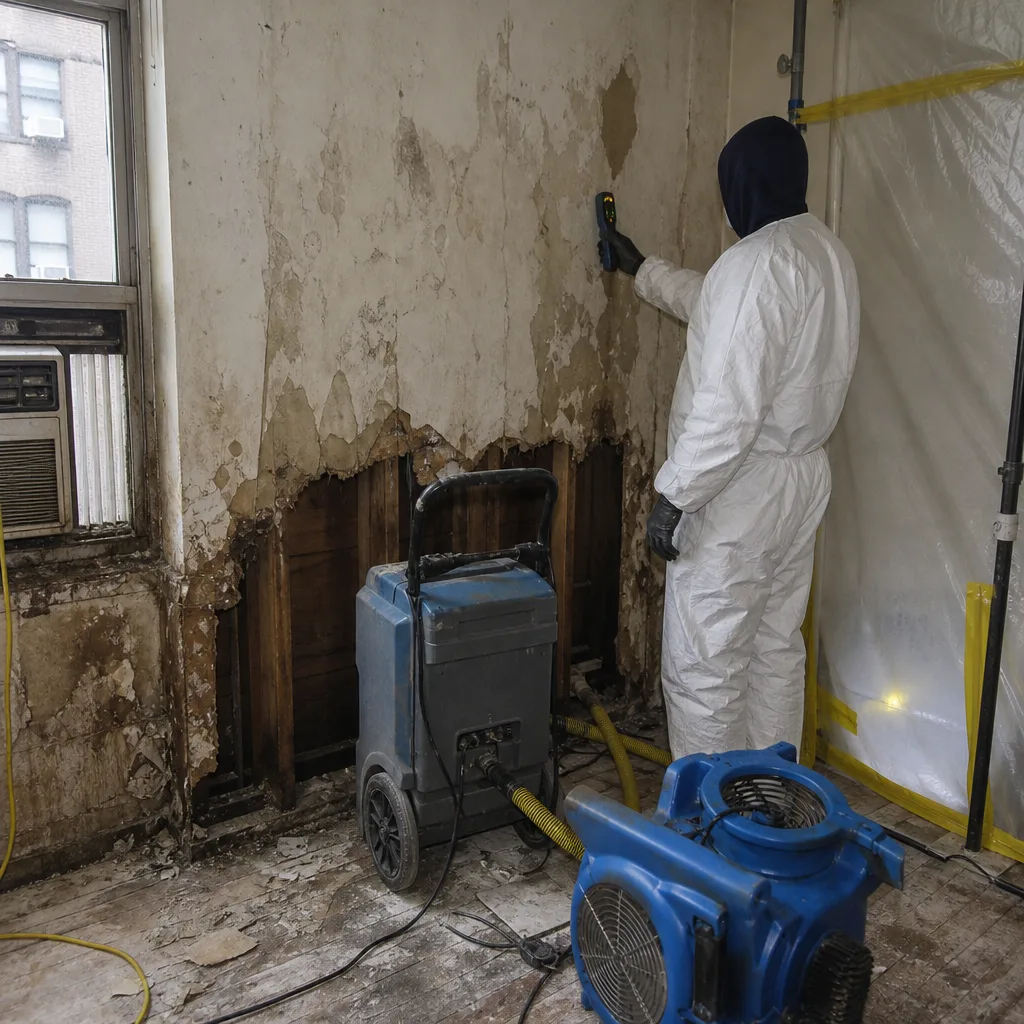 Before
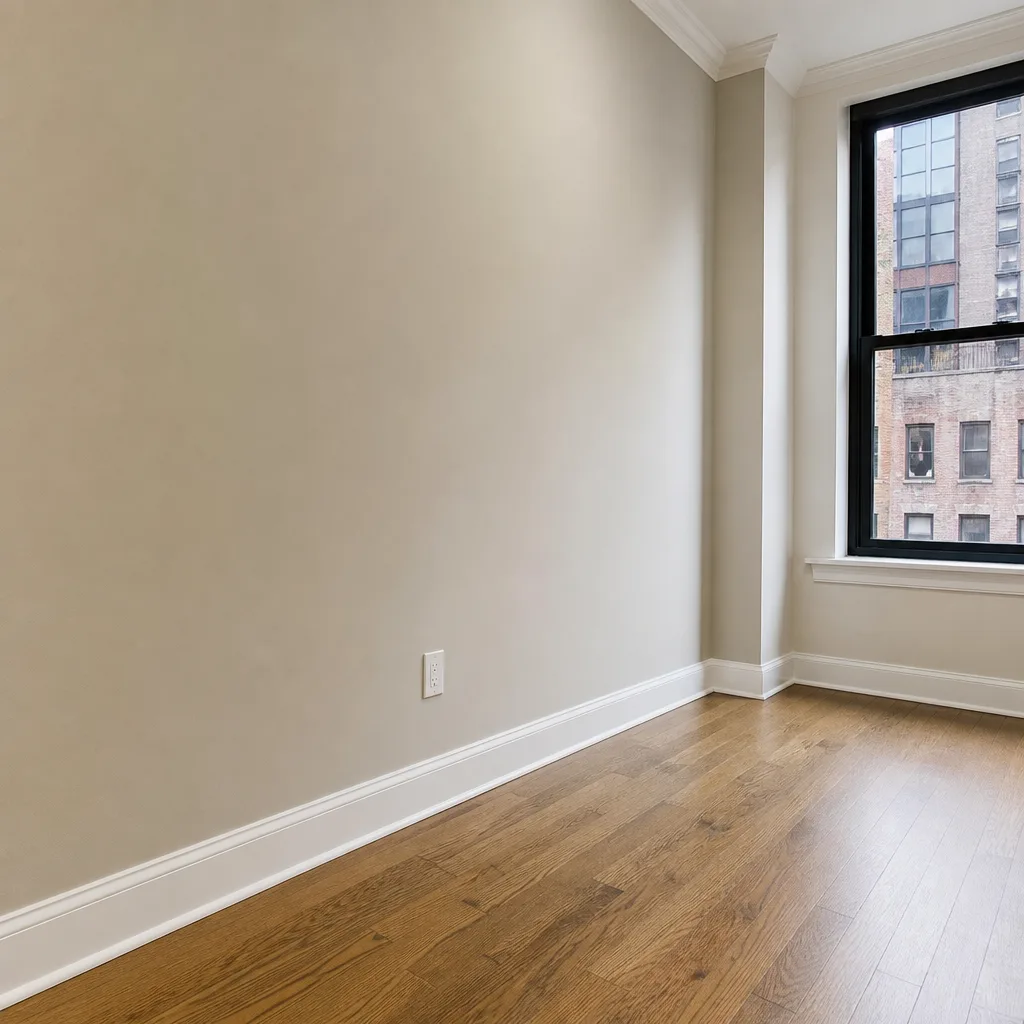 After
After24/7 Emergency Biohazard & Crime Scene Cleanup in Upper West Side
Biohazard and crime scene cleanup in Upper West Side typically runs between $1,800 and $7,500 depending on the scope, with trauma and unattended death work landing between $3,000 and $15,000 when structural penetration into pre-war plaster is involved. A live dispatcher answers at (518) 314-5660 around the clock, and a uniformed, background-checked crew can reach most Upper West Side addresses within 45 minutes. The first hour matters because blood, bodily fluid, and decomposition byproducts move through plaster-and-lath, grout, and shared pipe chases far faster than through modern drywall. Call now and we’ll do a free visual inspection, then give you a written scope before any work begins.
Understanding Biohazard & Crime Scene Cleanup Severity in Upper West Side Properties
Upper West Side biohazard work is different from what a suburban franchise crew expects. The neighborhood is dominated by pre-war co-op buildings from the 1890s through the 1940s, and nearly all of them share original plaster-and-lath walls, cast-iron riser chases, and two-pipe steam heating systems. Blood and bodily fluids behave like Category 3 water in these buildings: they travel downward through the same voids that carry steam risers and waste stacks, wicking deep into the lime plaster substrate while the painted surface feels dry to the touch. A technician who doesn’t run moisture readings and map the riser diagram before sealing a unit will miss bio-load hiding three floors below the source. That’s the difference between a complete remediation and a recurring odor complaint two weeks later. We classify every job by contamination level, map the affected vertical stack, and run HEPA air scrubbing with containment before any wall is opened, because pre-war plaster dust mixed with biohazard aerosol is not something you ventilate into a hallway.
Why Upper West Side Property Owners Choose Floodline Restoration Co.
- 45-minute response commitment: Our dispatcher confirms a crew and gives you a real arrival window while you’re still on the phone. Not a recording.
- 24/7 live answer: A person picks up at 2 a.m., every day of the year. No automated menus, no “leave a message.”
- IICRC-certified crews: Our technicians hold WRT, FSRT, and AMRT certifications and train to RIA and IFA standards. They arrive in uniform and carry identification.
- Free visual inspection: We assess the scene, check the riser diagram, and give you a written scope before any wall is opened or any hour is billed.
- Direct insurance billing: We document everything, bill your carrier directly, and coordinate with the adjuster so you never play messenger.
- One team, start to finish: The same Floodline crew that performs the remediation handles the reconstruction. No mid-job handoff to an inherited subcontractor.
Our Biohazard & Crime Scene Cleanup Process
Inspection & Assessment
We walk the scene with you, document contamination levels, and request the building’s riser diagram from the super when shared chases are involved. Every Upper West Side co-op has one; the source unit is rarely the only affected unit.
Containment & Stabilization
We set up negative-air containment with HEPA scrubbers before disturbing any material, sealing doorways and vent openings so biohazard aerosols can’t migrate into hallways or neighboring apartments.
Structural Drying & Odor Control
Using Dri-Eaz and Phoenix dehumidifiers plus thermal imaging and hygrometers, we map moisture through plaster-and-lath and run daily readings until the dry standard is met. Saturated plaster holds water deep, and surface dryness means nothing.
Cleaning & Sanitization
We remove contaminated materials to NYC DEP-compliant disposal standards and sanitize with Sanitization Services in Upper West Side using hospital-grade disinfectants. Blood, bodily fluid, and decomposition residue are treated as biohazardous waste, never as regular debris.
Specialty Treatment: Shared Chase & Vent Stack Remediation
For co-op buildings, we coordinate with the board and building management to open and remediate the vertical chase, vent stack, and any shared plumbing walls the biohazard traveled through. This is the step most crews skip, and it’s the one that prevents the odor from returning in a neighbor’s unit.
Repairs & Restoration
Floodline handles our Commercial Restoration in Upper West Side: plaster repair, period woodwork matching, paint, and any structural work needed to return the unit to its pre-loss condition. Done right, and backed in writing.
Need Emergency Biohazard & Crime Scene Cleanup in Upper West Side Now?
Crews minutes away, answering live 24 hours a day. The sooner we start, the less it costs.
Working With Your Insurance Company
Most Upper West Side co-op and condo policies cover biohazard remediation when it’s tied to a covered peril, but the claim lives or dies on documentation. We start photographing and logging from the first hour: contamination levels, moisture readings, riser diagram notes, and a line-item scope. Our team communicates directly with your adjuster, and we bill the carrier directly so you’re not floating thousands of dollars waiting on a reimbursement check. When a shared pipe chase is involved, we coordinate with the building’s master policy and the affected unit owners’ separate policies, because in a pre-war co-op the remediation boundaries are rarely clean. We provide everything in writing before work starts, and we stand behind the result.
What We Provide Your Insurer
- Thorough documentation of the loss
- Photos of all damage, room by room
- Moisture readings and drying logs
- A detailed, line-item scope of work
- Direct coordination with your carrier
Built for Upper West Side’s Loss Calendar
The Upper West Side sees biohazard and crime scene work through every season, but the patterns shift. January deep freezes burst radiator supply valves in pre-war co-ops, and when a unit sits vacant for weeks, an unnoticed death or an extended hoarding situation can go undiscovered until a neighbor reports an odor. Spring thaw pushes groundwater into basement-level units along Riverside Drive, and chronic facade leaks from wind-driven Hudson rain create the damp plaster cavities that make blood and bodily fluid remediation slower and more invasive than typical Water Damage Restoration in Upper West Side. Summer brings the opposite problem: high ambient humidity between the river and Central Park accelerates secondary mold colonization in any plaster that wasn’t dried to standard. Nor’easters in the fall and winter force water through aging limestone and brick on the west side, and every one of those envelope intrusions becomes a moisture problem that a biohazard event can ride through. We schedule crews knowing that a February call to a West 80s co-op is more likely a burst riser than a summer call to a Riverside Drive building, which is more likely a storm-driven envelope leak. The building stock doesn’t change; the season does.
Biohazard & Crime Scene Cleanup Across Upper West Side’s Neighborhoods
Riverside Drive buildings take the brunt of Hudson River wind-driven rain, and their limestone facades hide envelope leaks that keep plaster walls damp for months before anyone sees a stain. Our crews run moisture mapping on every project there, because a saturated plaster wall behind a bathroom tile surround is a biohazard risk waiting for a trigger. Central Park West co-ops are some of the grandest in the city, with original cast-iron risers and steam systems that carry decomposition fluids downward through multiple floors; we request the riser diagram before touching a wall in those buildings. The side streets between West End Avenue and Amsterdam, packed with 6-story limestone rowhouse conversions, present a different challenge: tight access, shared vent stacks, and original flooring that can’t be replaced, only stabilized. Over in the Columbus Avenue corridor, many buildings were converted from single-family rowhouses, which means cast-iron waste lines and plumbing chases run in unexpected places and a biohazard in one unit can surface two floors down in a completely different line. West 72nd Street through West 79th, with its mix of grand pre-war co-ops and smaller walk-ups, sees the highest volume of hoarding calls we handle in Upper West Side, often in units that have not been maintained in decades. We know these blocks, we know the supers, and we know which buildings have riser diagrams on file and which require a call to the managing agent before we can even set up containment.
Specialized Biohazard & Crime Scene Cleanup Services We Offer in Upper West Side
Crime Scene Cleanup
We respond to crime scenes in Upper West Side apartments and common areas, removing blood, bodily fluid, and other biohazard material in compliance with NYC disposal standards. In a pre-war co-op, the scene is rarely contained to one room. Our Biohazard & Crime Scene Cleanup team traces the contamination through shared walls and chases before sealing anything, so you don’t get a re-appearing stain three floors down in a neighbor’s unit two weeks later.
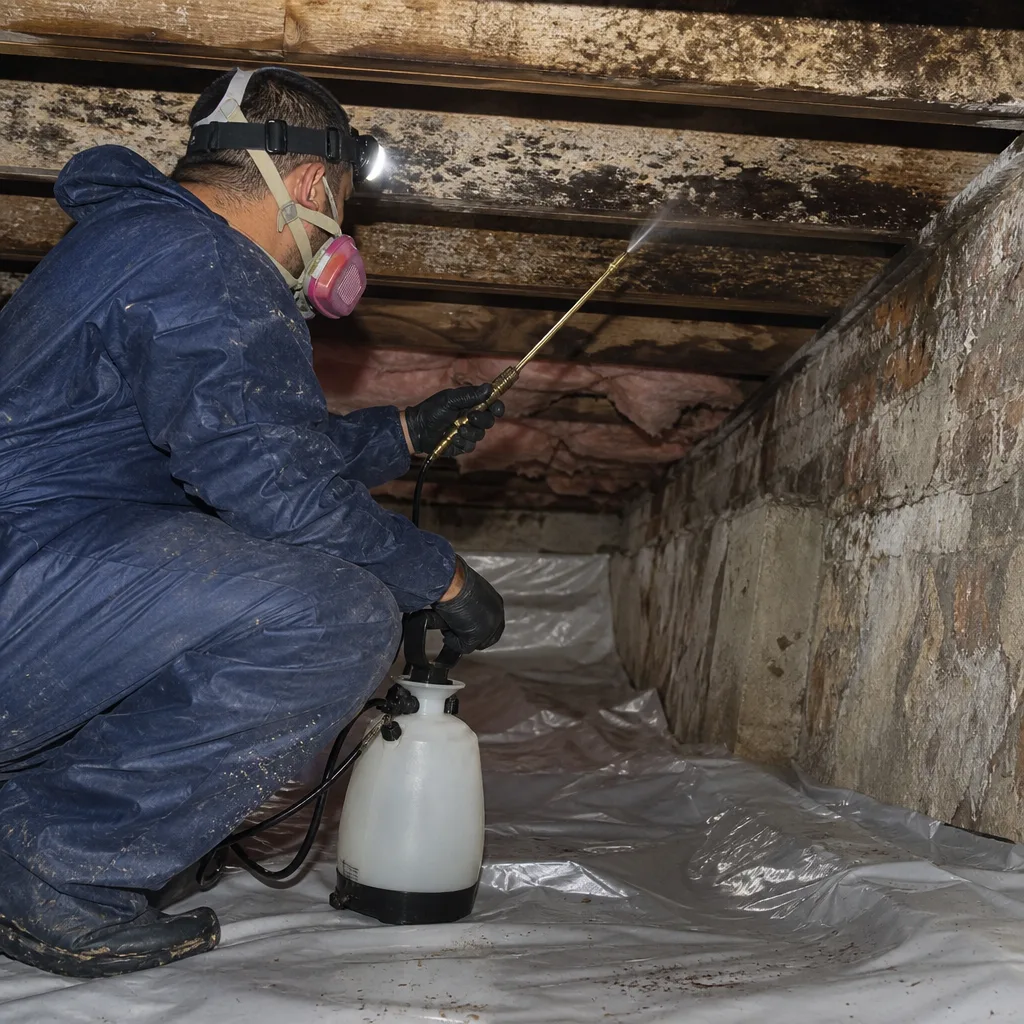
Trauma & Unattended Death Cleanup
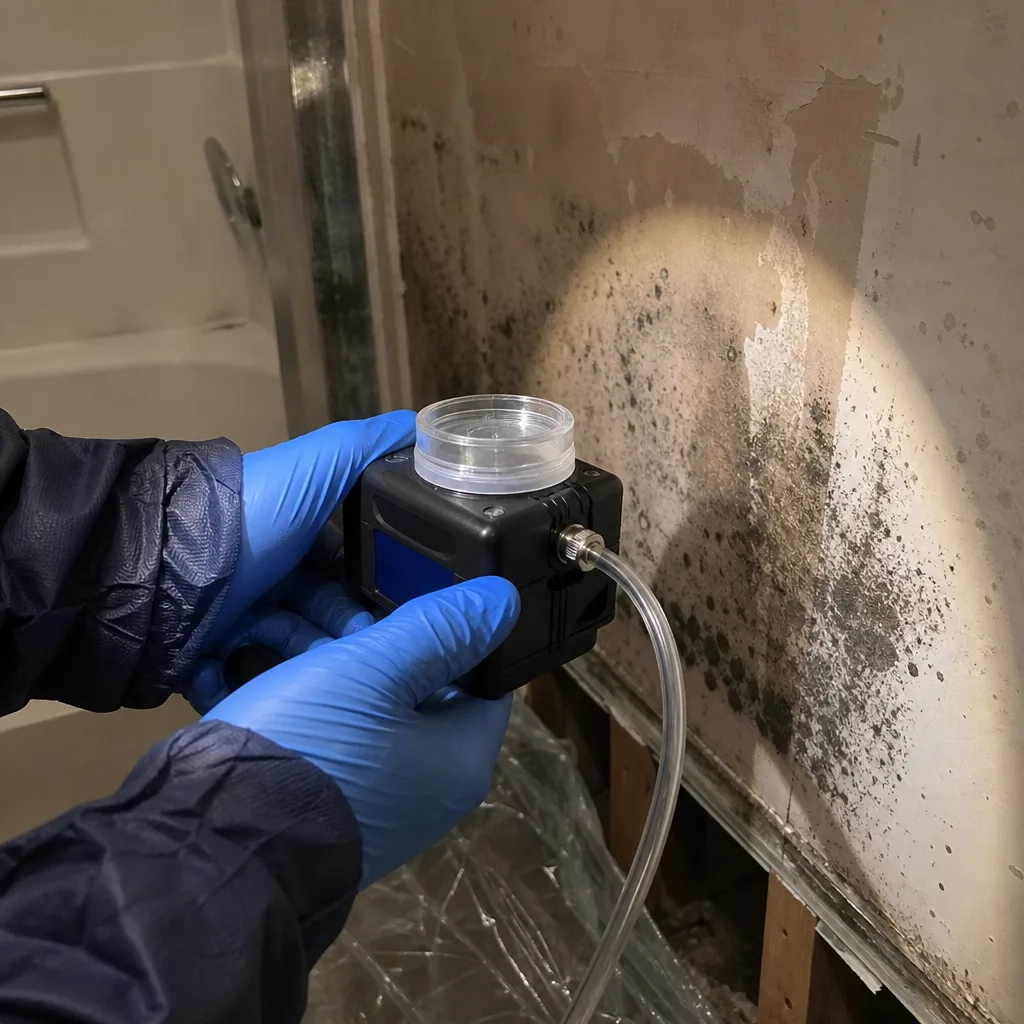
Unattended deaths in Upper West Side apartments are often discovered days or weeks after the fact, and decomposition fluids penetrate plaster-and-lath, subflooring, and the original cast-iron plumbing chases. We contain the unit, run moisture mapping to find every affected cavity, and work with the co-op board and the deceased’s estate or family to restore the space. Last fall our team was called to a 1920s co-op on West End Avenue after a resident’s unattended death was discovered. The unit had original plaster-and-lath walls and a cast-iron riser chase serving four floors. We set up containment and used moisture mapping to trace how decomposition fluids had wicked into the plaster, then coordinated with the board and multiple insurance adjusters to open enough of the shared chase to perform a complete remediation, without missing the re-wet two floors below.
Hoarding Cleanup
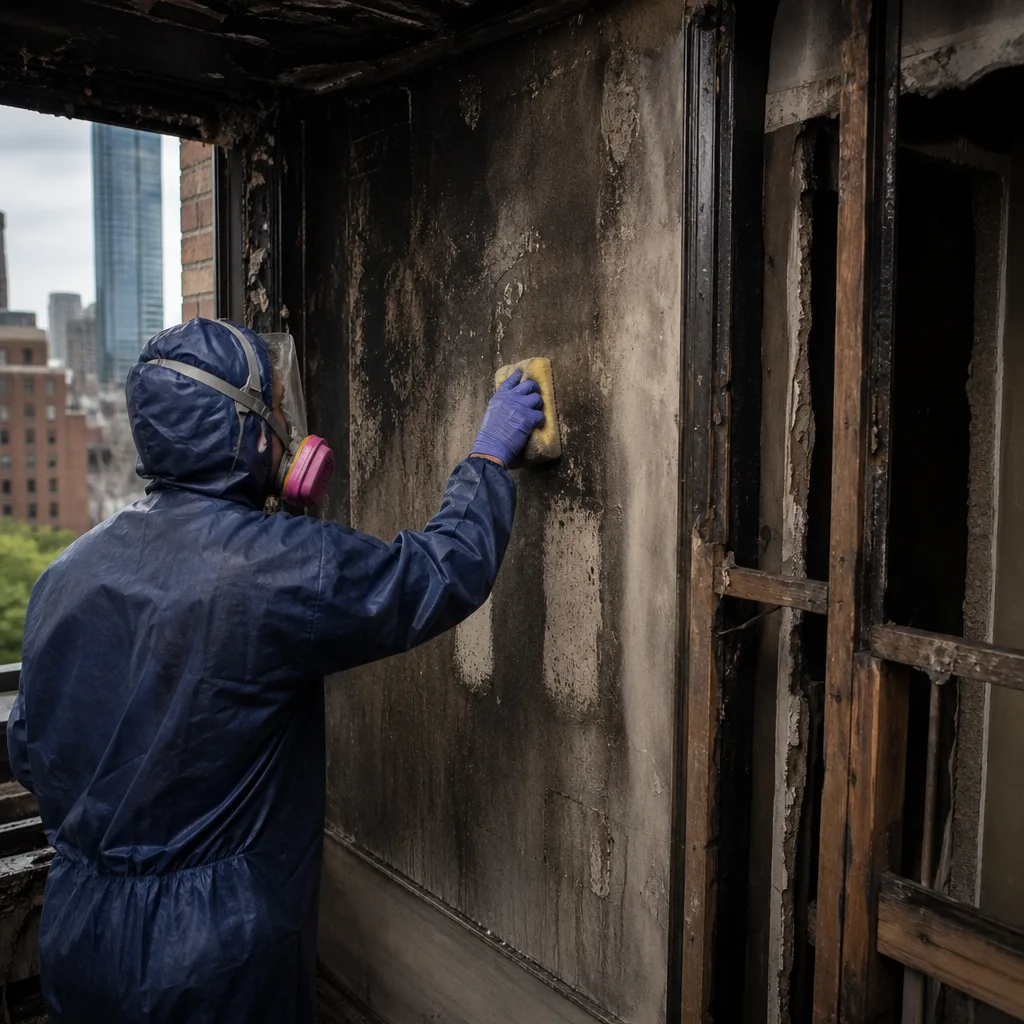
Hoarding cleanup in Upper West Side co-ops requires two things most crews don’t bring: patience for board approvals and a structural eye for what the weight of the hoard has done to the original cast-iron plumbing and steam lines below. We’ve walked into hoarded units on West 80s blocks where decades of accumulated material had bowed the original floor joists and compromised waste lines; the cleanup has to happen in sequence with structural stabilization, or you turn a biohazard job into a simultaneous water and mold event. We coordinate with the building, document everything for the carrier, and restore the unit to a livable condition.
Blood & Bodily Fluid Cleanup
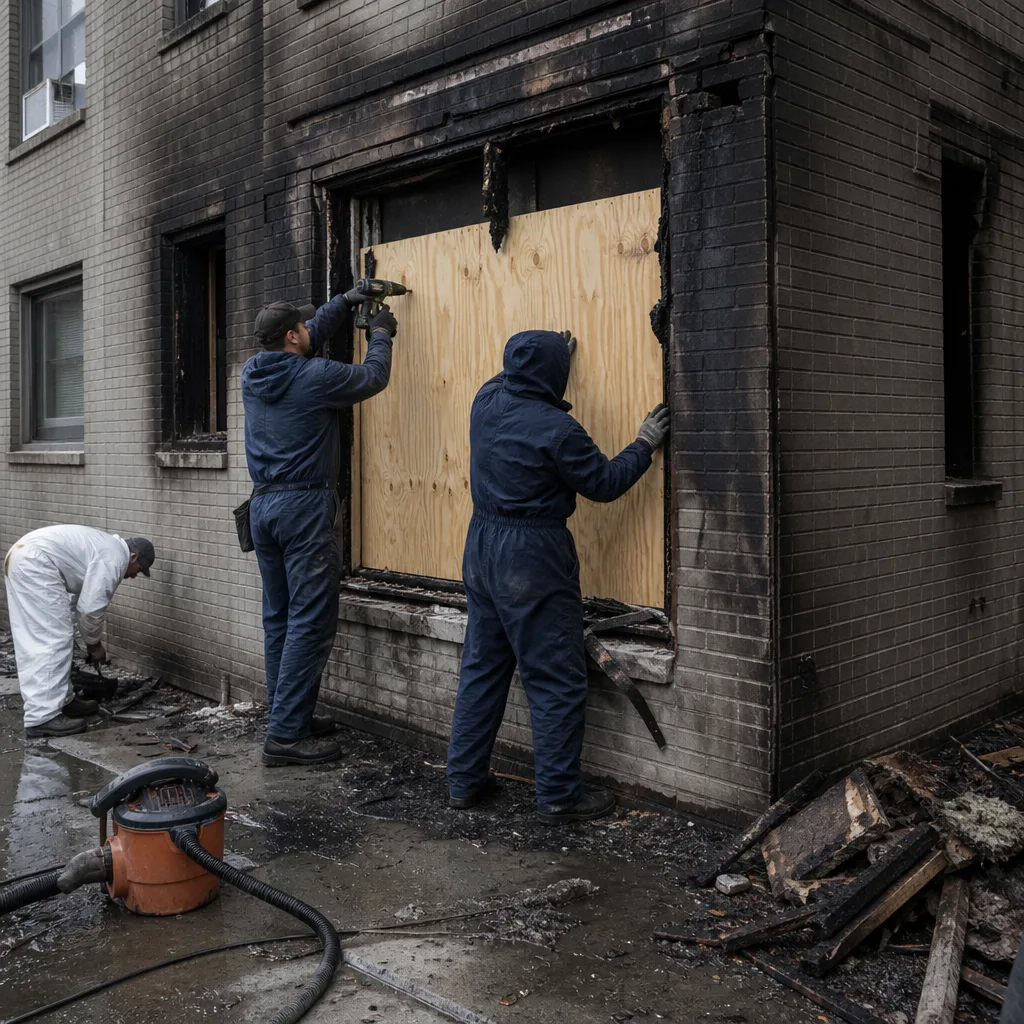
Blood and bodily fluid cleanup requires hospital-grade disinfection and full containment, not just bleach and a mop. In Upper West Side pre-war buildings, the deeper threat is what’s migrated into the plaster, the subfloor, and the pipe chase. We use HEPA air scrubbers, negative-air containment, and daily moisture readings until we can document that the affected substrates are dry and sanitized to standard. That documentation is what your co-op board and your carrier will want to see before anyone signs off on the claim.
Infectious Disease Disinfection
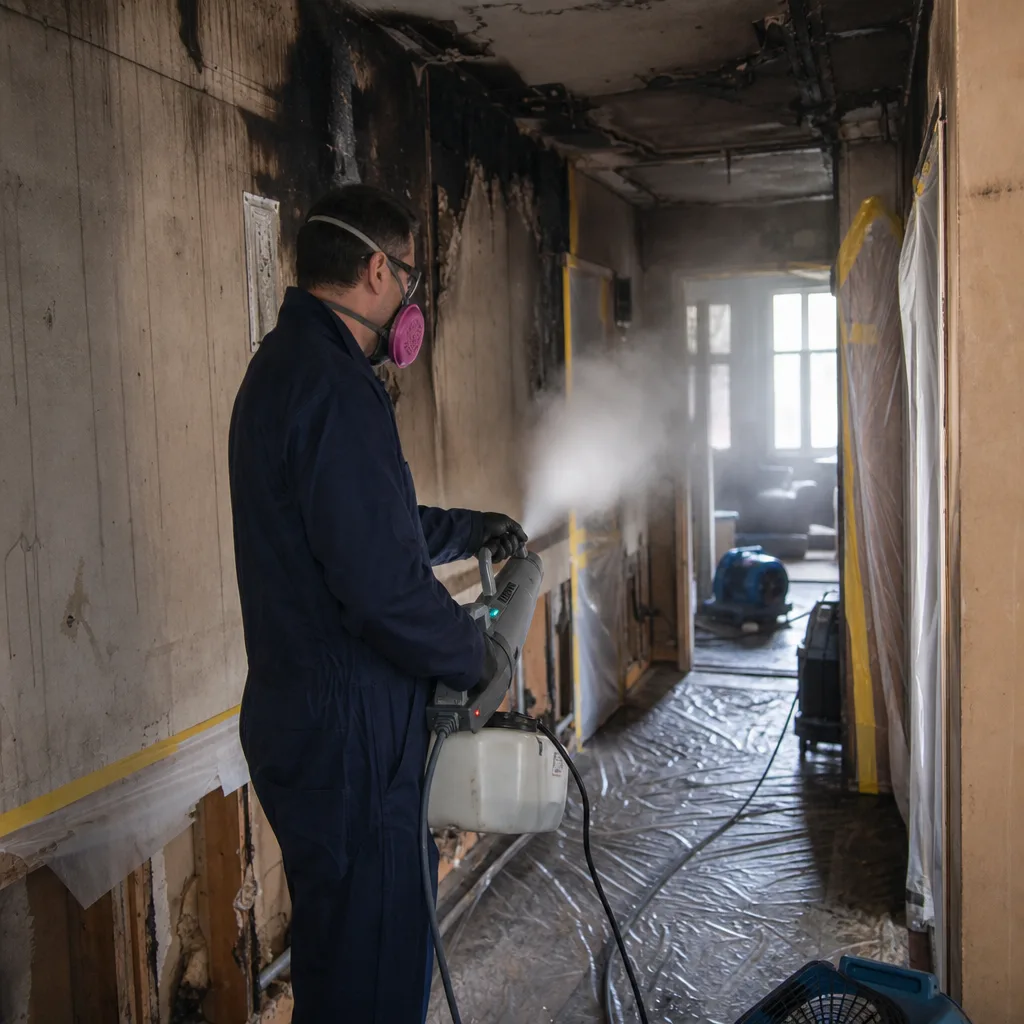
When a tenant in an Upper West Side building has MRSA, C. diff, tuberculosis, or another infectious disease, the unit and any shared surfaces need professional disinfection. In pre-war co-ops, that extends to the bathroom vent stack, the steam riser, and any common hallway surfaces the resident touched. We use EPA-registered disinfectants, document the process, and give the board a written clearance so neighbors are satisfied the job was done right.
What happens when you call
- 1
A real person answersNo phone trees - you reach a local pro.
- 2
You get an upfront price rangeHonest numbers before anyone is dispatched.
- 3
A background-checked tech heads outLicensed & insured, dispatched right away.
- 4
You approve before work beginsNothing starts until you say go.
Biohazard & Crime Scene Cleanup Costs in Upper West Side, NY
A typical blood or bodily fluid cleanup in Upper West Side runs $1,800 to $4,500 for a contained scene. Trauma and unattended death work runs $3,000 to $7,500 when fluids have penetrated plaster or flooring, and $7,500 to $15,000 or more when a shared riser chase or vent stack has to be opened and remediated. Hoarding cleanup in Upper West Side typically runs $4,000 to $12,000 depending on the volume of material and whether structural stabilization is required. What moves the price: whether the contamination is surface-level or structural, whether the co-op board requires their own environmental consultant, whether the building’s riser diagram shows shared chases, and whether asbestos-containing materials have to be abated by an NYC DEP-certified contractor before we can legally open a wall. The free visual inspection and written scope mean you’ll know the number before you commit. Call Upper West Side dispatch at (518) 314-5660 and we’ll walk you through it.
We Also Serve Cities Near Upper West Side
Floodline Restoration Co. covers Biohazard & Crime Scene Cleanup in Upper West Side and the surrounding blocks, including Midtown Manhattan, Midtown West, Murray Hill, and Washington Square. If you’re in one of those neighborhoods and need biohazard or crime scene work, the same crew, the same written scope, and the same live dispatcher answer.
Serving Upper West Side, NY - Our Local Coverage Area
We’re based in the Upper West Side area and know this community well. Use the map below to see our service coverage - if you’re nearby, we can almost certainly help.
Upper West Side Biohazard & Crime Scene Cleanup Questions, Answered
In an Upper West Side co-op, who is responsible for biohazard cleanup in a shared pipe chase - the unit owner or the building?
It depends on where the pipe chase sits in the building’s declaration and proprietary lease, but in practice, the unit owner’s policy usually covers the portion of the chase serving their unit while the building’s master policy covers common infrastructure. We coordinate with both carriers and the co-op board to resolve the boundary before any wall is opened, so nobody gets stuck with a surprise subrogation claim. Call (518) 314-5660 and we’ll walk you through what your specific building’s documents say.
When a death goes unnoticed in a pre-war Upper West Side apartment, how do you prevent the odor from spreading to neighboring units through the original vent stacks?
We set up negative-air containment with HEPA filtration sealed to the vent stack, then locate every shared cavity the decomposition fluids traveled through using moisture mapping and thermal imaging. The odor compound embeds in plaster and grout, so we remove or seal those substrates, not just scrub the air. The vent stack itself gets cleaned from the affected unit’s side, and we coordinate with the board if the stack serves multiple floors. Done right, the neighbors never smell it.
Can you clean a hoarded apartment in a landmarked Upper West Side building without damaging original plaster-and-lath or period woodwork?
Yes, with patience and the right sequence. We bring in a structural engineer when the hoard’s weight has compromised joists or plumbing, then we remove materials in layers, protecting original millwork, mantels, and plaster cornices as we go. Period woodwork gets cleaned and stabilized rather than replaced whenever possible. We’ve done this in landmarked buildings along Central Park West and Riverside Drive, and we document everything for the LPC if your building requires it.
What do restoration pros mean by Category 1, 2, or 3 water, and why does it matter for a biohazard cleanup in the Upper West Side?
Category 1 is clean water, Category 2 is grey water with some contamination, and Category 3 is black water carrying sewage, blood, or other biohazards. For biohazard work, Category 3 is the standard: the material is treated as infectious, with full containment, HEPA filtration, and hospital-grade disinfection. In Upper West Side pre-war buildings, Category 3 fluids travel through the same riser chases as water, so classification determines whether we’re cleaning a surface or opening a wall and remediating a vertical chase.
After a crime scene in an Upper West Side apartment, how do you know the structural drying is complete in the original plaster walls before reconstruction starts?
We don’t guess. We run daily moisture readings with hygrometers and thermal imaging until the affected substrates hit the dry standard for the material type and thickness. Original plaster-and-lath can feel dry to the touch while holding 95% relative humidity in the cavity, so we log readings every 24 hours until the numbers hold steady. That log goes to you and your carrier, and it’s the documentation that proves the job was done to standard before we put a single sheet of drywall back.
How fast can someone actually get to an Upper West Side address?
Forty-five minutes or less, most days. Our dispatch is local to the metro area and a live person answers 24/7. We keep crews staged within the Upper West Side corridor so we’re not driving in from another borough. Call (518) 314-5660 and the dispatcher will give you a real arrival window while you’re on the line.
Will my insurance cover biohazard cleanup in a co-op?
Most homeowner and condo policies cover biohazard remediation tied to a covered peril, and the co-op’s master policy may cover shared chases and common areas. The claim depends on documentation: photos, moisture logs, riser diagrams, and a line-item scope. We handle that documentation from the first hour and bill your carrier directly, so you’re not the one chasing a reimbursement. We’ll also talk to the board’s insurer when the shared chase is involved.
Do I really need full remediation or just a cleaning?
If blood, bodily fluid, or decomposition fluids have penetrated plaster, grout, or flooring, a surface cleaning will not solve it. The bio-load hides in the substrate, and it will come back as odor or a stain, usually in a neighbor’s unit first. The free visual inspection tells you the difference. We’ll show you the moisture readings and the scope before any work starts, and if the job is surface-level only, we’ll tell you that too and charge accordingly. Call (518) 314-5660 for an honest assessment.
If you’re dealing with a biohazard or crime scene cleanup in Upper West Side, call (518) 314-5660 now. A live dispatcher answers, a uniformed crew arrives fast, and you get a written scope before any wall is opened. We’ve been doing this work in pre-war co-ops long enough to know that the riser diagram is the first thing you ask for, and the last thing you want is a crew that doesn’t know to ask. Done right, and backed in writing.
Written by Curt Bowman, Owner at Floodline Restoration Co., serving Upper West Side and the surrounding New York metro.